Discover What Plant Cleans the Air and Is Not Toxic to Dogs?

In our quest to create healthier living environments, the importance of indoor plants cannot be overstated. Not only do they enhance the aesthetic appeal of our homes, but certain plants also play a vital role in purifying the air. For pet owners, however, it is crucial to choose plants that are safe for our furry friends. This article will explore a specific plant known for its air-cleaning abilities while ensuring it poses no toxicity threat to dogs. Discover the ideal green companion that brings both beauty and clean air to your home without harming your beloved pets.
What Are the Best Air-Purifying Plants Safe for Dogs?
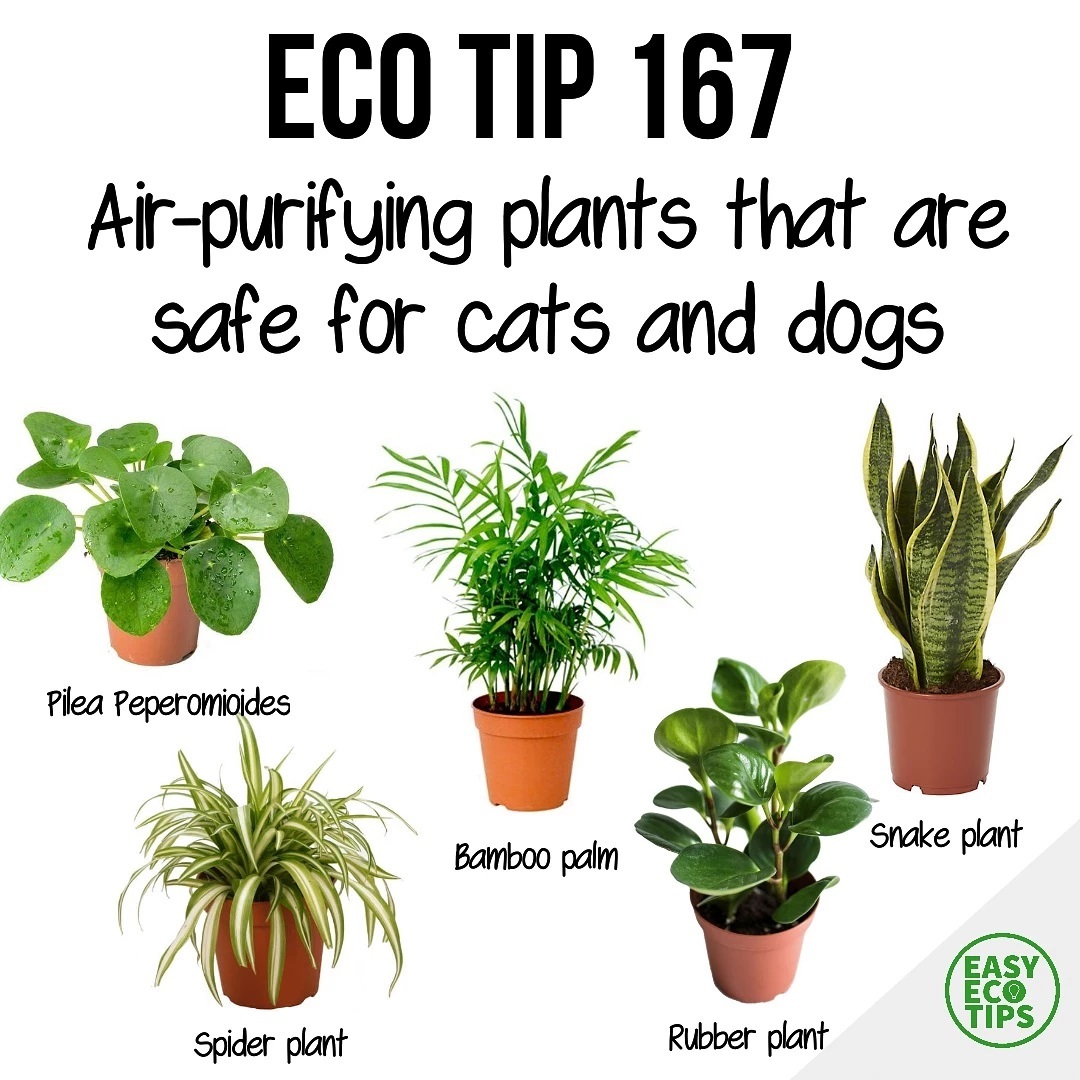
One of the best plants that cleans the air and is non-toxic to dogs is the Spider Plant (Chlorophytum comosum). This resilient plant is known for its ability to remove pollutants such as formaldehyde and xylene from the air, making it an excellent addition to your home. The Spider Plant is easy to care for, thriving in indirect light and requiring minimal watering. Its lush green leaves and small white flowers not only enhance your home decor but also contribute to a healthier living environment for both you and your furry friends.
Benefits of Spider Plants
Spider Plants are highly effective at removing indoor air pollutants and improving overall air quality. They can absorb harmful chemicals and contribute to a fresher atmosphere in your home. Additionally, they are known to promote humidity, which can be beneficial during dry seasons, making the air less irritating for pets and their owners alike. Their trailing leaves also provide a green aesthetic that can elevate your indoor space.
Care Instructions for Spider Plants
Caring for a Spider Plant is quite simple, making it an ideal choice for busy pet owners. It prefers indirect sunlight and should be watered moderately, allowing the soil to dry out between waterings. Overwatering can lead to root rot, so ensuring a well-draining pot is essential. Regularly trimming brown leaf tips can enhance the plant's appearance as well, ensuring it remains lush and healthy for your four-legged companions to enjoy.
Other Dog-Safe Air-Purifying Plants
In addition to Spider Plants, there are several other varieties that are safe for dogs while also helping to filter the air. Examples include the Bamboo Palm, which effectively removes benzene and formaldehyde, and Areca Palm, celebrated for its air-purifying qualities. The Boston Fern and Parlor Palm are also excellent choices that not only enhance indoor aesthetics but also promote a healthier living space free from toxic chemicals for pets.
Signs of Toxicity in Plants
Having non-toxic plants is crucial, especially for pet owners. Signs that a plant may be toxic to dogs include vomiting, excessive salivation, or diarrhea if ingested. Ensuring that houseplants are safe involves researching their toxicity levels beforehand and keeping any potentially dangerous plants out of reach. Always consult with a veterinarian if you suspect your dog has ingested something harmful.
Creating a Pet-Friendly Indoor Garden
Designing a pet-friendly indoor garden includes selecting non-toxic plants like the Spider Plant. It’s important to arrange the plants in areas that are accessible but won’t encourage destructive behavior from pets. Hanging pots, shelves, or plant stands can help keep your plants elevated and safe while still letting you enjoy the benefits. Regular maintenance and observation of your dog’s behavior around these plants can help create a harmonious living environment.
| Plant Name | Air Purification Ability | Dog Safe |
|---|---|---|
| Spider Plant | Removes formaldehyde and xylene | Yes |
| Bamboo Palm | Filters benzene and formaldehyde | Yes |
| Areca Palm | Great at humidifying air | Yes |
| Boston Fern | Removes formaldehyde | Yes |
| Parlor Palm | Removes toluene and xylene | Yes |
What air-purifying plant is non-toxic to dogs?
The peace lily (Spathiphyllum) is an air-purifying plant that is often mentioned for its ability to improve indoor air quality while being relatively non-toxic to dogs. Although it can cause mild gastrointestinal upset if ingested, it is generally considered safer than many other common houseplants.
Benefits of Peace Lilies for Air Quality
The peace lily is renowned for its air purification abilities. It is known to remove toxins such as formaldehyde, benzene, and carbon monoxide from the air. This makes it an ideal choice for households that require better indoor air quality.
See also:
- Effective in Filtering Toxins: Peace lilies are particularly good at absorbing harmful VOCs (volatile organic compounds).
- Enhances Humidity: The plant also releases moisture into the air, which can improve humidity levels.
- Easy Care: They thrive in low light conditions and require minimal maintenance, making them suitable for various living environments.
Other Non-Toxic Plants for Dog Owners
Apart from peace lilies, there are several other non-toxic air-purifying plants that are safe for dogs. Choosing the right plants can make your home welcoming for both humans and pets.
- Bamboo Palm: This tropical plant is excellent for humid environments and can grow in indirect light.
- Spider Plant: Known for its resilience, the spider plant is effective at filtering indoor air toxins.
- Boston Fern: This hardy fern is great for adding humidity and is safe for pets.
Care Instructions for Peace Lilies
To ensure a healthy peace lily that thrives indoors, proper care is essential. Understanding how to meet its specific needs will help you maintain its benefits.
- Watering: Keep the soil consistently moist but not soggy. Check the top inch of the soil; if it's dry, water the plant.
- Lighting: They prefer bright, indirect sunlight. Too much direct sunlight can scorch the leaves.
- Fertilizing: Use a balanced houseplant fertilizer every 6-8 weeks during the growing season.
Signs of Peace Lily Toxicity in Dogs
While peace lilies are non-toxic, ingestion may still cause some mild health issues in dogs. It's essential for pet owners to recognize the symptoms of any potential discomfort.
- Vomiting: One of the most common signs is vomiting, which may occur after your dog has ingested part of the plant.
- Drooling: Excessive drooling can be another indicator, often coupled with signs of oral discomfort.
- Loss of Appetite: If your dog seems less interested in food after being near the plant, it's a good idea to monitor them closely.
Creating a Dog-Friendly Indoor Garden
Designing a pet-friendly indoor garden requires selecting plants that are both aesthetically pleasing and safe for your pets. This can enhance your living space while ensuring the well-being of your furry friends.
- Research Plants: Always check the toxicity of plants before bringing them into your home.
- Place Plants Strategically: Keep plants out of reach if you have curious dogs that might be inclined to chew.
- Mixing Varieties: Consider a variety of non-toxic plants to create a lush, healthy indoor environment.
What plant removes toxins from the air?

The plant that is most well-known for removing toxins from the air is the Spider Plant (Chlorophytum comosum). This hardy plant is not only popular due to its aesthetic appeal but also because of its air-purifying capabilities. Research has shown that Spider Plants can significantly reduce indoor pollutants such as formaldehyde, carbon monoxide, and xylene, making them an excellent choice for improving indoor air quality.
1. Benefits of Spider Plants in Air Purification
Spider Plants are effective at filtering toxins from the air due to their ability to absorb harmful chemicals through their leaves and roots. The primary benefits include:
- Removes harmful pollutants: They can eliminate pollutants such as formaldehyde and benzene.
- Easy to care for: Spider Plants are low-maintenance and can thrive in various lighting conditions.
- Improves humidity: As they release moisture into the air, they can help maintain a comfortable indoor humidity level.
2. Other Plants Known for Air Purification
In addition to the Spider Plant, other plants are also known for their air-purifying abilities. These include:
- Pothos: This vine is excellent for removing formaldehyde and can thrive in low light.
- Sansevieria: Commonly known as Snake Plant, it converts CO2 into oxygen at night.
- Bamboo Palm: This palm not only filters out toxins but also adds a tropical aesthetic to indoor spaces.
3. How to Care for Spider Plants
Caring for Spider Plants is relatively simple, making them an ideal choice for those new to indoor gardening. Key care tips include:
- Watering: Keep the soil slightly moist but avoid overwatering to prevent root rot.
- Lighting: Prefer bright, indirect light but can adapt to lower light conditions.
- Fertilizing: Use a balanced fertilizer once a month during the growing season.
4. Ideal Placement for Air-Purifying Plants
Where you place your plants can significantly affect their effectiveness in improving air quality. Consider the following placements:
See also:
- Living Rooms: Place plants in areas where they can receive natural light.
- Bedrooms: Having plants like the Snake Plant can improve air quality during the night.
- Offices: Enhance your workspace with plants to reduce stress and increase productivity.
5. The Science Behind Air Purifying Plants
The mechanism by which plants purify air is fascinating and involves several processes:
- Photosynthesis: Plants absorb carbon dioxide and release oxygen, improving air quality.
- Transpiration: Through this process, plants release moisture, helping to increase humidity levels.
- Soil Microbes: The microbes in the soil can break down pollutants and convert them into nutrients.
Is an air plant toxic to dogs?

Air plants, known scientifically as Tillandsia, are generally considered non-toxic to dogs. Unlike many houseplants, air plants do not contain harmful substances that can pose a risk to pets when ingested. However, while they are safe, there are other factors to consider regarding their care and the environment they create for pets.
Understanding Air Plants
Air plants are unique because they do not require soil to grow. They absorb moisture and nutrients through their leaves from the air. This characteristic makes them an appealing choice for many plant enthusiasts who want low-maintenance greenery. However, it's important to note that air plants can still be sensitive to their environment.
- Air Plant Care: Proper care involves regular misting or soaking to keep them healthy.
- Light Requirements: They thrive in bright, indirect light, which supports their growth.
- Temperature: Ideal temperatures for air plants range from 50°F to 90°F.
Potential Risks of Air Plants Around Dogs
While air plants are non-toxic, having them in your home with dogs still requires attention. If a dog were to ingest a part of an air plant, it is unlikely to cause harm; however, the ingestion of large quantities can lead to gastrointestinal discomfort or upset.
- Dogs and Plant Interaction: Some dogs may be curious and chew on plants, potentially leading to vomiting or diarrhea.
- Choking Hazard: Larger dogs may be prone to choking if they consume larger pieces.
- Behavioral Changes: Monitor your dog's behavior if they show interest in the plant.
Signs of Ingestion in Dogs
If a dog consumes any part of an air plant, watch for signs of distress. Although these plants are non-toxic, it’s best to be cautious and observe your pet's health closely.
- Vomiting: Frequent vomiting can indicate a reaction to ingestion.
- Diarrhea: Loose stools could signal gastrointestinal upset.
- Lethargy: A noticeable drop in energy may require veterinary attention.
Other Safe Plants for Dogs
If you’re looking for additional non-toxic plants to have around dogs, there are plenty of options. Knowing which plants are safe helps in creating a pet-friendly environment.
- Spider Plant: This resilient plant is safe and can improve air quality.
- Bamboo Palm: A pet-safe plant that can thrive indoors.
- Boston Fern: A lush plant that helps purify air and is safe for pets.
Best Practices for Pet Owners with Air Plants
To ensure a harmonious relationship between your air plants and pets, follow some best practices. This will help maintain plant health while keeping your dogs safe.
- Placement: Keep air plants out of reach of dogs, ideally on high shelves.
- Regular Monitoring: Observe your dog's interactions with plants.
- Education: Teach your dog to leave the plants alone through positive reinforcement.
Questions from Our Readers
What plant is known for cleaning the air and is safe for dogs?
Spider plants are a popular choice for cleaning the air and they are considered safe for dogs. They are resilient and can thrive in various indoor conditions, making them a great option for pet owners who want to improve their home’s air quality.
Are there other non-toxic plants that purify the air for dog owners?
Yes, there are several other non-toxic plants that can purify the air, such as the Boston fern, Bamboo palm, and Parlor palm. These plants not only help to filter toxins from the air, but they are also safe for pets, providing a lush and vibrant environment.
See also:
How do houseplants like the spider plant help purify indoor air?
Houseplants, including the spider plant, help purify indoor air by absorbing carbon dioxide and releasing oxygen. They can also remove various toxins from the air, making your home healthier for both you and your pets.
Where is the best place to keep air-purifying plants in a home with dogs?
The best place to keep air-purifying plants is in spots that receive adequate sunlight but are out of reach of curious dogs. High shelves or hanging planters are ideal locations, ensuring that your plants can thrive while keeping your pets safe.

If you want to read more articles like Discover What Plant Cleans the Air and Is Not Toxic to Dogs?, we recommend you check out our Plants category.
Leave a Reply
Related Articles