10 Proven Tips on What Helps Cuttings Root Faster? Discover Effective Techniques for Gardening Success!

Starting new plants from cuttings can be a rewarding experience for any gardener. However, the key to success lies in ensuring that these cuttings develop strong roots quickly. Understanding the science behind root development and employing effective techniques can drastically improve your success rates. In this article, we will explore ten proven tips to help your cuttings root faster, ensuring you not only propagate your favorite plants with ease but also enjoy the satisfaction of a thriving garden. Whether you are a novice gardener or an experienced horticulturist, these strategies will enhance your gardening skills and promote healthier plants.
What Helps Cuttings Root Faster?
To encourage faster root growth in cuttings, several factors come into play that can significantly enhance the process. First and foremost, moisture is crucial; maintaining an optimal level of humidity around the cuttings helps them avoid drying out and promotes cell division necessary for root development. Additionally, using a rooting hormone can boost the success rate, as it contains auxins that facilitate root formation. The overall health of the cutting, including the quality of the plant stem and the time of year, also influences rooting speed. Furthermore, providing the right light conditions—indirect sunlight—ensures that cuttings receive enough energy to support new growth without stressing them due to excessive heat. Lastly, the choice of propagation medium, such as perlite, vermiculite, or coconut coir, can optimize aeration and drainage, both essential for successful rooting.
The Importance of Humidity
Humidity plays a vital role in reducing transpiration and ensuring that cuttings retain adequate moisture. By creating a humid environment—such as covering the cuttings with plastic bags or using a propagation dome—water loss from the cutting is minimized. A stable humidity level helps prevent wilting and allows the plant's energy to focus on root development instead of survival.
Using Rooting Hormones
Rooting hormones can dramatically improve the speed at which cuttings develop roots. These products contain auxins, which are naturally occurring plant hormones that stimulate root formation. By applying rooting hormone to the cut end of a cutting before planting it in a medium, you essentially give a jumpstart to the rooting process, increasing the likelihood of successful propagation and enabling faster root growth.
Choosing the Right Propagation Medium
The choice of propagation medium significantly impacts rooting speed. Using a well-draining medium, such as perlite, vermiculite, or coconut coir, provides the necessary aeration for the cutting while retaining the right amount of moisture. Such a medium supports optimal conditions for root growth by preventing waterlogging, which can lead to rotting, and allowing roots to breathe as they develop.
Light Conditions for Cuttings
Light plays a significant role in the rooting process of cuttings. While they should be protected from direct sunlight, providing them with adequate indirect light is crucial for photosynthesis, which fuels growth. The right lighting conditions help maintain energy levels, allowing cuttings to focus on producing roots rather than flowering or producing leaves prematurely.
The Role of Temperature
Temperature influences the overall health and growth rate of cuttings during the rooting process. Ideally, cuttings thrive in a warm environment, typically between 70°F to 75°F (21°C to 24°C), which encourages cellular activity and rooting. Keeping cuttings in a stable temperature range prevents stress and promotes rapid root development, ensuring a higher success rate in propagation.
| Factor | Importance |
|---|---|
| Humidity | Prevents moisture loss and supports cell development |
| Rooting Hormones | Stimulates root growth and increases success rate |
| Propagation Medium | Ensures proper drainage and aeration for root health |
| Light Conditions | Supports photosynthesis for energy during rooting |
| Temperature | Encourages healthy growth and reduces stress on cuttings |
How to stimulate root growth in cuttings?

To stimulate root growth in cuttings effectively, there are several techniques and practices that can be employed. These methods help ensure that the cuttings not only survive but also thrive as new plants.
Understanding the Type of Cutting
When starting the rooting process, it's essential to know the type of cutting being taken, as different plant species have varying requirements for root development.
See also:
- Herbaceous Cuttings: These are typically taken from soft, green stems and require moisture and warmth to initiate root formation.
- Woody Cuttings: These come from more mature shoots and often need a longer duration and specific hormonal treatments to encourage rooting.
- Leaf Cuttings: Some plants can be propagated from just leaves, which require specific environmental conditions to stimulate root growth.
Using Rooting Hormones
Rooting hormones can significantly enhance the success rate of cuttings. These substances promote root formation and help to reduce the time required for roots to develop.
- Application: Dip the cut end of the cutting into the rooting hormone before planting it in the soil.
- Types: There are various formulations, including powders, gels, and liquids, each suited for different types of cuttings.
- Effectiveness: Generally, powders are favored for their ease of use and prolonged effect, while gels can be less messy.
Optimal Environmental Conditions
Creating the right environment is crucial for stimulating root growth in cuttings. Consider the following aspects:
- Humidity: High humidity levels help prevent moisture loss from the cutting, which is vital for its survival.
- Temperature: A warm environment, ideally between 65°F to 75°F (18°C to 24°C), promotes faster rooting.
- Light: Providing bright, indirect light supports growth without stressing the cutting with direct sunlight.
Soil Selection and Preparation
The choice of soil can significantly impact the success of the cuttings. An appropriate medium encourages drainage and aeration while retaining moisture.
- Soil Mix: A mix of peat moss, perlite, and vermiculite offers an ideal balance for cuttings.
- Drainage: Ensure the pot has drainage holes to prevent waterlogging, which can lead to rot.
- Sterilization: Using sterilized soil or pots removes pathogens that could hinder root growth.
Watering Techniques
Proper watering techniques play a vital role in the health of cuttings and their ability to develop roots.
- Frequency: Monitor the moisture level closely; the soil should be moist but not soggy.
- Method: Water the soil from the bottom using a tray, allowing the cuttings to absorb moisture through drainage holes.
- Mist: Regularly misting the cuttings can help maintain humidity and reduce transpiration stress.
What can I add to water to help cuttings root?

To help cuttings root effectively in water, you can add several natural and commercial substances. These substances can enhance the rooting process by providing essential nutrients or growth hormones that stimulate root development. Here are some options:
Natural Rooting Hormones
Using natural rooting hormones can significantly enhance the rooting process of cuttings. These hormones promote cellular growth and division, aiding in root formation.
- Aloe Vera - The gel inside the leaves contains enzymes and hormones that can help stimulate root growth.
- Cinnamon - This common spice has antifungal properties and can help prevent rot while promoting root development.
- Willow Water - Made by soaking willow branches in water, it contains natural rooting hormones (salicylic acid) that encourage roots to grow.
Commercial Rooting Products
Various commercial rooting products are designed specifically to enhance root development in cuttings. They usually come in powder or liquid form and may contain synthetic or natural hormones.
- rooting powder - These powders typically contain auxins, which are plant hormones that promote root growth.
- Liquid rooting solutions - These are often concentrated mixtures that can be diluted in water to create an effective rooting solution.
- Gel-based rooting compounds - These products provide easy application and slow release of hormones, ensuring sustained contact with the cutting.
Micronutrients and Additives
Adding certain micronutrients and additives to the water can enhance the health of the cuttings, promoting faster and more robust root growth.
- Seaweed Extract - Rich in vitamins and minerals, it stimulates growth and increases resilience against stress.
- Hydrogen Peroxide - A diluted solution helps keep the water oxygenated and free from pathogens, promoting healthy root development.
- Vermicompost Tea - This natural fertilizer promotes soil health and encourages microbial growth that benefits the cuttings.
pH Adjustment for Optimal Growth
Maintaining an appropriate pH level in the water can significantly affect the ability of cuttings to develop roots. Different plants thrive at different pH levels.
See also:
- Use pH Strips - Testing the water's pH can help identify if adjustments are necessary for optimal growth.
- Adjust with Citric Acid - For high pH levels, adding a few drops of citric acid can help lower the pH effectively.
- Use Baking Soda - If the pH is too low, a small amount of baking soda can help raise it to a more favorable level.
Maintaining Clean Water
Cleaner water contributes to healthier cuttings and reduces the risk of disease. Changing the water regularly can make a significant difference in root development.
- Change Water Weekly - This prevents stagnation and provides fresh nutrients to the cuttings.
- Use Distilled Water - This minimizes the risk of contaminants and offers a clean environment for roots to develop.
- Filter Water - If using tap water, filtering it can remove harmful chemicals like chlorine that may hinder root growth.
What speeds up root growth?
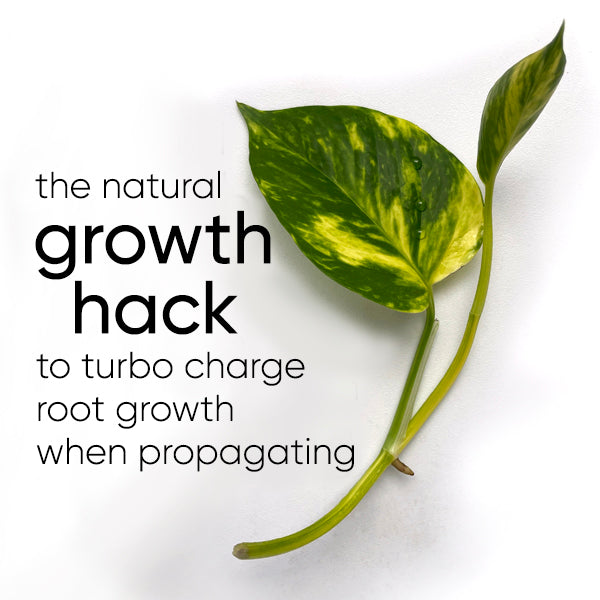
Root growth is crucial for plant development, as roots anchor plants in the soil, absorb water and nutrients, and store energy. Several factors can significantly enhance the rate of root development, including environmental conditions, soil quality, water management, and the use of specific growth enhancers.
Soil Quality
Soil quality plays a critical role in root growth. Healthy soil provides essential nutrients and creates a favorable environment for root expansion. Key aspects of soil quality include:
- Nutrient Content: A balanced supply of nitrogen, phosphorus, potassium, and micronutrients is vital for robust root development.
- pH Levels: The soil pH affects nutrient availability; most plants thrive in slightly acidic to neutral soils (pH 6-7).
- Soil Structure: Well-structured soil permits better air circulation and water drainage, which are essential for root health.
Water Management
Proper water management is essential for promoting root growth. Water is crucial for nutrient uptake and biochemical processes within the roots. Consider the following aspects:
- Consistent Moisture: Maintaining consistent soil moisture helps roots absorb water effectively, promoting growth.
- Avoiding Overwatering: Excess water can lead to root rot, stunting growth. Ensuring proper drainage prevents this issue.
- Irrigation Techniques: Drip irrigation systems can deliver water directly to the root zone, enhancing absorption while minimizing waste.
Temperature
Temperature directly affects metabolic processes in plants, including root growth. Optimal temperatures lead to faster root development. Take into account:
- Optimal Growing Temperature: Most plants prefer temperatures between 60°F to 75°F (15°C to 24°C) for optimal root growth.
- Root Zone Soil Temperature: Using mulch can moderate soil temperatures and protect roots from extreme heat or cold.
- Seasonal Timing: Planting during appropriate seasons can coincide with favorable temperatures for root growth.
Use of Root Growth Enhancers
Certain products can be used to stimulate root growth effectively. These enhancers can provide additional benefits to the plants. Focus on:
- Growth Hormones: Products containing auxins can promote root initiation and elongation.
- Beneficial Microorganisms: Mycorrhizal fungi can enhance nutrient uptake and improve root health.
- Organic Amendments: Adding compost or worm castings can improve soil fertility and stimulate root growth due to increased microbial activity.
Plant Species and Varieties
Different plant species exhibit varying rates of root growth due to genetic factors. Understanding specific needs for each plant is essential. Important points include:
- Root Architecture: Some plants naturally develop extensive root systems, which facilitate quicker nutrient and water uptake.
- Growth Stage: Young plants typically have a more vigorous root growth phase, making timely planting crucial.
- Genetic Selection: Choosing varieties that are bred for root efficiency can enhance overall growth rates and health.
Questions from Our Readers
What factors can help cuttings root faster?
To encourage faster rooting in cuttings, it's important to ensure they receive the right factors such as adequate moisture, warm temperatures, and proper light conditions. By providing a humid environment and avoiding direct sunlight, you can create ideal conditions for root development.
Should I use rooting hormones for faster results?
Yes, using rooting hormones can significantly enhance the speed at which cuttings develop roots. These hormones contain natural or synthetic plant growth substances that stimulate root formation, leading to quicker establishment and overall healthier plants.
See also:
What type of soil is best for rooting cuttings?
A well-draining, light soil mix is best for rooting cuttings. Potting mixes designed for propagation typically contain materials like perlite or vermiculite that help maintain moisture without causing root rot, promoting faster root growth.
How important is temperature for rooting cuttings?
Temperature plays a crucial role in the rooting process; warmer temperatures generally accelerate root development. Most cuttings thrive best at temperatures between 68°F (20°C) and 75°F (24°C), which supports cellular activity and encourages quicker rooting.

If you want to read more articles like 10 Proven Tips on What Helps Cuttings Root Faster? Discover Effective Techniques for Gardening Success!, we recommend you check out our Plants category.
Leave a Reply
Related Articles