Ultimate Guide: How to Make a Simple Garden? Tips and Tricks for Beginners

Creating your own garden can be a fulfilling and therapeutic experience, especially for beginners. This ultimate guide aims to simplify the process, providing you with essential tips and tricks to cultivate a thriving garden, no matter the size or space available. From selecting the right plants to understanding soil types and watering techniques, each step will equip you with the knowledge needed to get started. Dive into the world of gardening and discover how easy it can be to grow your own flowers, herbs, or vegetables. Transform your outdoor space into a beautiful oasis with these simple strategies tailored for novice gardeners.
How to Start a Simple Garden
Starting a simple garden can be a rewarding experience that connects you with nature and provides fresh produce right from your backyard. First, choose a suitable location that receives adequate sunlight; most vegetables and flowers thrive in areas that get at least 6-8 hours of direct sunlight daily. Plan the layout of your garden, considering the space available and the types of plants you wish to grow. Utilize easy-to-grow seeds or seedlings to make the start even simpler, and ensure the soil is well-draining and enriched with organic matter. Regular watering, weeding, and pest management will promote healthy plant growth, allowing you to enjoy the fruits (and vegetables) of your labor in no time.
Choosing the Right Location
Selecting the right location for your garden is crucial. Look for a spot that has full sun exposure, ideally with a southern exposure, to maximize the amount of light your plants will receive. Additionally, ensure the area is close to a water source for easy irrigation and has access to amenities like tools and storage. Avoid areas with dense shade from trees or buildings, as this can impede plant growth.
Preparing the Soil
Soil preparation is fundamental to a successful garden. Begin by clearing the area of any weeds, grass, or debris. Testing the pH and nutrient levels of your soil can help you understand its quality. Depending on the results, you might need to amend the soil with compost or other organic materials to improve its fertility and structure, ensuring a healthy environment for your plants.
Selecting Plants
When it comes to selecting plants, consider your climate, the growing season, and your personal preferences. Begin with easy-to-grow varieties like tomatoes, lettuce, or herbs, especially if you’re a beginner. Research the plants’ needs regarding sunlight, water, and spacing to ensure they thrive in your garden environment.
Watering Techniques
Effective watering techniques can make or break your garden’s success. Newly planted seeds or seedlings require consistent moisture, while established plants benefit from deep, less frequent watering that promotes deep root growth. Consider using a drip irrigation system or soaker hoses for efficiency, helping to reduce water evaporation and ensuring that water reaches the plant roots.
Pest Management
Pest management is an ongoing task in maintaining a healthy garden. Keep an eye out for common pests and diseases that can affect your plants. Employ natural pest control methods like introducing beneficial insects, using insecticidal soaps, or creating barriers such as row covers to protect your crops. Regular monitoring and early detection are key to preventing infestations.
| Task | Description |
|---|---|
| Location Selection | Choose a sunny spot and near a water source. |
| Soil Preparation | Clear weeds and enrich soil with compost. |
| Plant Selection | Choose plants suited for your climate and growing season. |
| Watering | Use efficient watering methods for optimal growth. |
| Pest Management | Monitor and use natural methods to control pests. |
How do you make a simple garden?
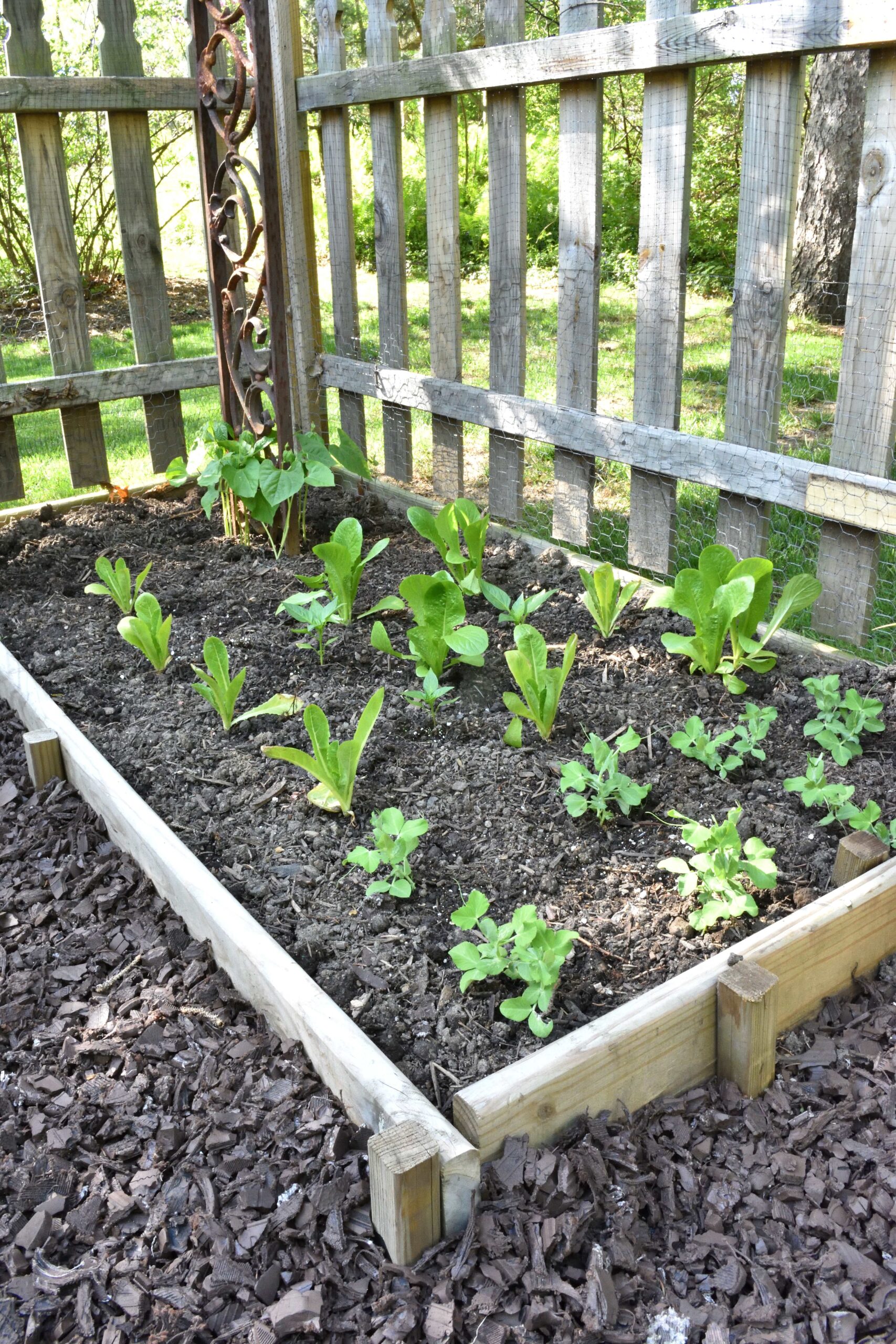
To make a simple garden, there are several important steps you can follow to ensure that your garden thrives. Start by selecting a suitable location, preparing the soil, choosing the right plants, watering properly, and maintaining the garden regularly. Here’s a detailed approach on each of these steps.
Choosing the Right Location
Selecting the optimal location for your garden is crucial to its success. Look for a spot that receives strong sunlight for at least 6 to 8 hours a day, as most vegetables and flowers thrive in sunny conditions. Additionally, consider the drainage and proximity to a water source.
- Assess the amount of sunlight your potential site receives.
- Check for good drainage to prevent waterlogging.
- Ensure easy access to water for irrigation purposes.
Preparing the Soil
Preparation of the soil is key to ensuring that your plants have the nutrients they need to grow. Start by testing the soil pH and nutrient levels. Amend the soil by adding organic matter such as compost, which improves soil structure and fertility.
- Test the soil for pH and nutrient levels.
- Add organic matter like compost to enhance soil quality.
- Turn the soil to aerate and mix in the amendments.
Selecting Plants
Choosing the right plants for your garden is essential. Depending on your climate, season, and soil type, select plants that are appropriate for your conditions. Consider combining annuals and perennials for a varied and dynamic garden.
- Research plants that thrive in your climate zone.
- Mix annuals and perennials for continuous blooms and harvests.
- Consider plants that require similar watering and sunlight conditions.
Watering Techniques
Proper watering is vital for plant health. It’s important to establish a routine that considers the specific needs of your plants. Overwatering and underwatering are common issues, so aim for a consistent and appropriate watering schedule.
See also:
- Water deeply and less frequently to encourage root growth.
- Use a drip irrigation system for efficiency, if possible.
- Monitor soil moisture to adjust watering frequency accordingly.
Maintenance and Care
Regular maintenance is key to a flourishing garden. This includes weeding, pruning, fertilizing, and monitoring for pests. Keeping a close eye on your plants will help you identify any issues early and maintain the overall health of your garden.
- Weed frequently to reduce competition for nutrients and water.
- Prune plants as needed to promote growth and air circulation.
- Fertilize according to the needs of your selected plants and soil tests.
How do I start a garden for beginners?
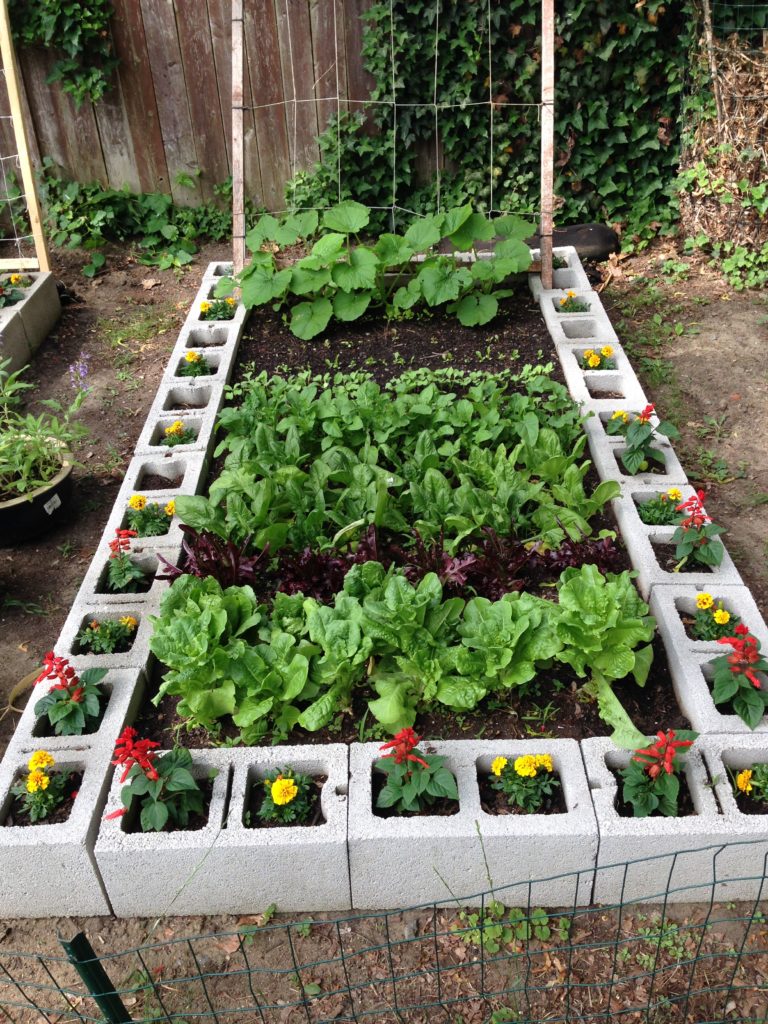
To start a garden for beginners, it's essential to plan carefully and manage expectations. A garden can be a fulfilling project that not only beautifies your space but also provides fresh produce or flowers. Here are the steps you should follow:
1. Choose the Right Location
Selecting the correct spot is crucial for your garden's success. Look for an area with appropriate sunlight, access to water, and good soil drainage.
- Sunlight: Most plants require at least 6-8 hours of sunlight daily.
- Accessibility: Ensure the garden is easy to access for maintenance.
- Soil Quality: Test your soil or use raised beds if the native soil is unsuitable.
2. Select Your Plants Wisely
Choosing the right plants can make or break your gardening experience. As a beginner, you might want to start with easy-to-grow varieties.
- Local Climate: Pick plants that thrive in your local climate.
- Growth Requirements: Consider whether plants prefer sun or shade.
- Types of Plants: Start with herbs, tomatoes, or flowers like marigolds.
3. Gather Essential Tools and Supplies
Having the proper gardening tools is vital for effective gardening. Invest in basic tools that will help you maintain your garden.
- Basic Tools: A trowel, pruning shears, and a watering can or hose.
- Soil Amendments: Consider compost or fertilizer to enrich your soil.
- Mulching Material: Use mulch to conserve moisture and suppress weeds.
4. Prepare the Soil
Soil preparation is a fundamental step in gardening. Healthy soil will lead to healthier plants.
- Clear the Area: Remove any weeds, rocks, or debris from the selected garden area.
- Tilling: Loosen the soil using a garden fork or tiller to enhance aeration.
- Amending Soil: Add compost or organic matter to enrich the soil structure.
5. Watering and Maintenance
Proper watering techniques and regular maintenance are key to a thriving garden. Understanding your plants' needs will enhance their growth.
- Watering Schedule: Create a consistent watering schedule based on your plants' requirements.
- Weed Control: Regularly check for weeds to prevent them from competing for nutrients.
- Pest Management: Monitor for pests and use organic methods or barriers to protect your plants.
What is the rule of 3 in gardening?

The Rule of Three in gardening is a principle that suggests using groups of three plants to create a more visually appealing and harmonious garden layout. This concept is based on the notion that odd numbers in grouping enhance the aesthetic experience, making the arrangement more dynamic and interesting compared to even numbers, which may feel static or balanced in a less engaging way. By following this rule, gardeners can achieve a natural feel and balance in their designs.
Understanding the Aesthetic Appeal
The aesthetic appeal of the Rule of Three lies in its ability to draw the eye naturally through the garden. Utilizing groups of three plants can help:
- Create focus: The arrangement directs attention to specific spots within the garden, adding layers of interest.
- Encourage movement: Groups of three can lead the viewer's gaze through paths and beds, creating a journey visually.
- Balance and harmony: An odd number, particularly three, offers a sense of completion and cohesiveness to the overall design.
Plant Grouping Techniques
When implementing the Rule of Three, consider these plant grouping techniques to enhance your garden:
- Height variation: Mix tall, medium, and short plants to create depth and variations in height.
- Color coordination: Use at least three complementary colors to ensure a lively and engaging display.
- Diversity of textures: Combining different leaf shapes and textures adds visual richness to your arrangements.
Improving Wildlife Habitats
Applying the Rule of Three not only beautifies the garden but also contributes to improving wildlife habitats. This can be achieved through:
See also:
- Attracting pollinators: Grouping nectar-rich plants together helps attract bees, butterflies, and other beneficial insects.
- Creating shelter: A cluster of plants can offer protection and nesting areas for small wildlife.
- Encouraging biodiversity: Diverse plant groups support various species, fostering a more robust ecosystem.
Design Considerations
When applying the Rule of Three, it's crucial to keep several design considerations in mind:
- Spacing: Ensure adequate spacing between groups to allow individual plants to thrive without overcrowding.
- Seasonal changes: Choose plants that bloom in succession to ensure consistent visual interest throughout the seasons.
- Layering: Layer your plantings according to their height and spread to create depth in the garden.
Common Mistakes to Avoid
When implementing the Rule of Three, be aware of some common mistakes that can detract from your garden's design:
- Using too many varieties: Overloading on different types can confuse the design instead of enhancing it.
- Neglecting scale: Ensure that the scale of the plants matches the space; overly large plants can dominate the scene.
- Ignoring maintenance: Choose plants that suit your gardening capabilities to maintain balance and continuity.
What is the 70/30 rule in gardening?

The 70/30 rule in gardening refers to the proportion of right plant selections to supporting practices, which are essential for successful gardening. This rule suggests that 70% of a gardener's time and resources should be focused on selecting appropriate plants for their specific growing conditions, while the remaining 30% should be dedicated to maintenance and care practices. The idea is that when you start with the right plants, gardening becomes significantly easier and requires less intervention.
This principle highlights the importance of understanding your environment, including factors such as soil type, climate, and sunlight exposure when choosing plants to grow.
Understanding the Right Plant Selection
Choosing the right plants is the cornerstone of the 70/30 rule. This selection process involves evaluating various factors that influence plant growth and health.
- Climate Compatibility: Selecting plants that thrive in your local climate ensures they can withstand seasonal changes and conditions.
- Soil Conditions: Understanding soil pH, texture, and nutrient content helps in choosing plants that will flourish in your garden.
- Sunlight Needs: Different plants have varying sunlight requirements, necessitating selection based on specific areas of your garden.
Role of Maintenance in Successful Gardening
While proper plant selection is crucial, ongoing maintenance is equally important in maximizing plant health and productivity, representing the other 30% of the rule.
- Watering Practices: Consistent and appropriate watering schedules improve plant growth and prevent ailments.
- Fertilization: Regularly feeding plants with suitable nutrients ensures they remain healthy and vibrant.
- Pest Management: Proactively addressing pest issues helps in reducing potential damage and preserves plant health.
Environmental Adaptation
The 70/30 rule emphasizes the need for gardeners to adapt their practices based on the environmental conditions and landscapes in which they are gardening.
- Understanding Local Ecosystems: Integrating knowledge of local flora and fauna can lead to better plant choices and gardening strategies.
- Microclimates: Recognizing variations within your garden can inform plant selection and placement for optimal growth.
- Seasonal Adjustments: Modifying gardening practices according to changing seasons can enhance plant resilience and health.
Benefits of Following the 70/30 Rule
Applying the 70/30 rule can lead to numerous benefits for gardeners, aiding in creating a more sustainable and productive garden.
- Efficiency: Proper plant selection reduces the need for extensive maintenance, making gardening more enjoyable.
- Sustainability: Emphasizing plants suited for the environment encourages biodiversity and reduces resource use.
- Increased Success Rate: With focused efforts on the right plants, gardeners experience greater success in their gardening endeavors.
Real-Life Applications of the 70/30 Rule
Gardeners can apply the 70/30 rule in various contexts, whether designing a new garden or enhancing an existing one.
- Landscape Design: Implementing the 70/30 rule in landscape planning helps ensure beauty and functionality through smart plant choices.
- Community Gardens: Group efforts in community gardens can benefit from collective adherence to this rule, promoting overall wellness and connection.
- Container Gardening: Understanding the 70/30 principle aids container gardeners in selecting plants that thrive in limited spaces and conditions.
Questions from Our Readers
What supplies do I need to start a simple garden?
To start a simple garden, you will need some basic supplies such as soil, seeds or seedlings, tools like a shovel and trowel, and watering equipment. It's also beneficial to have mulch to help retain moisture and suppress weeds.
How do I choose the right location for my garden?
Selecting the right location for your garden is crucial; it should receive at least 6-8 hours of sunlight daily. Additionally, ensure the area has good drainage and access to a water source without being too close to trees that could compete for nutrients.
What are the best plants for beginners in gardening?
For beginners, plants like tomatoes, lettuce, radishes, and herbs such as basil or parsley are excellent choices. These plants are typically easy to grow and require less maintenance, making them perfect for those just starting out.
See also:
How often should I water my garden?
Typically, you should water your garden 1-2 times a week, depending on the climate and soil type. It's important to water deeply but less frequently, allowing the soil to dry out slightly between waterings to promote healthy root growth.
If you want to read more articles like Ultimate Guide: How to Make a Simple Garden? Tips and Tricks for Beginners, we recommend you check out our Garden category.
Leave a Reply
Related Articles