What is the Safest Pesticide for Vegetable Gardens? Top Picks and Expert Tips
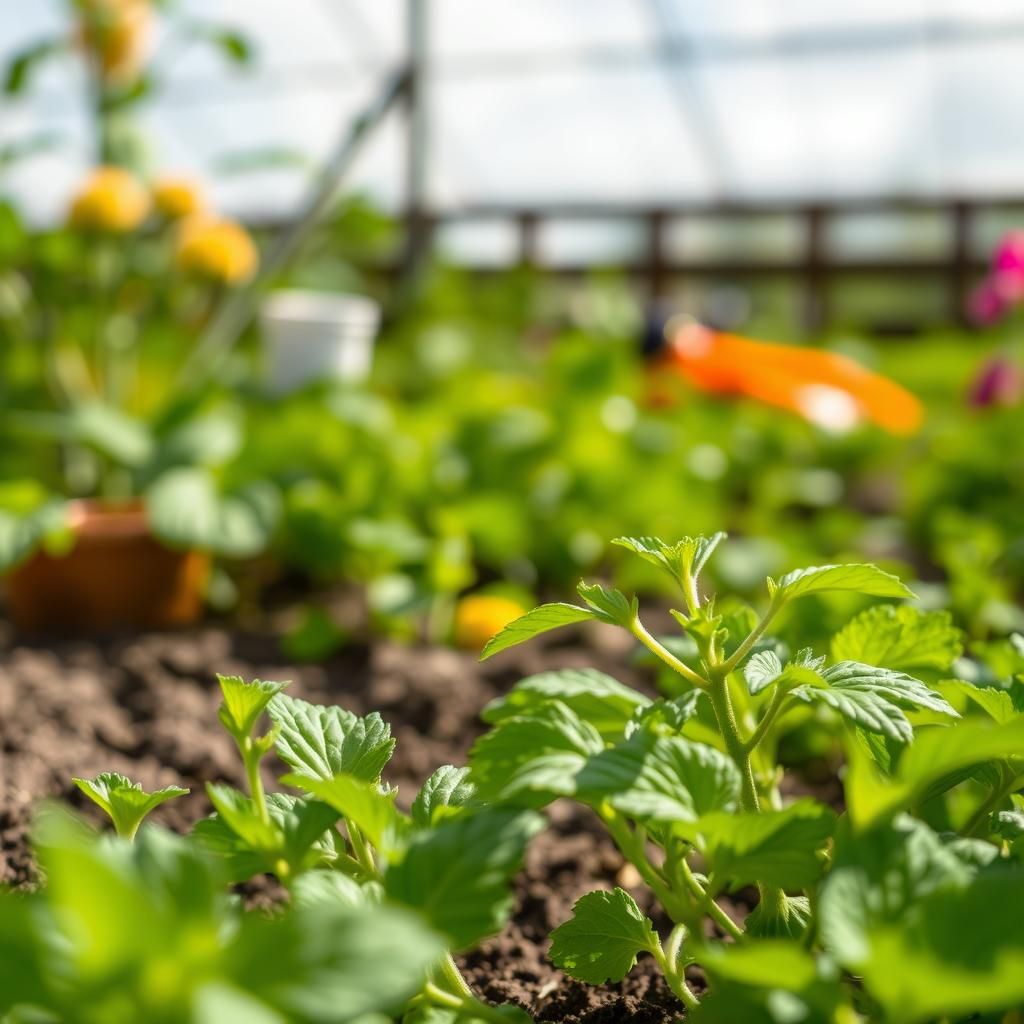
When it comes to maintaining a healthy vegetable garden, pest management is crucial. However, with the multitude of pesticides available, choosing the safest option can be daunting for gardeners. This article delves into the safest pesticides for vegetable gardens, focusing on organic and eco-friendly choices that effectively combat pests without harming your plants or the environment. We’ll explore top picks recommended by experts and share essential tips for their application to ensure a thriving garden. By understanding the safest options, you can protect your crops while promoting a sustainable gardening practice.
What is the Safest Pesticide for Vegetable Gardens?
In vegetable gardens, selecting the safest pesticide is crucial for both plant health and human safety. A commonly recommended option is neem oil, which is derived from the seeds of the neem tree and acts as an effective insect repellent while being safe for beneficial insects and humans when used correctly. Additionally, other options like insecticidal soap and diatomaceous earth provide effective control against pests without the dangerous toxic residues often found in synthetic pesticides. It is essential to choose products that are organic and labeled as safe for use on edible crops, ensuring they do not harm the environment or the food you grow.
The Benefits of Neem Oil
Neem oil is a natural pesticide with a long history of use in agriculture. It contains azadirachtin, a compound that disrupts the feeding and reproduction of pests like aphids and whiteflies. This makes neem oil effective while minimizing harm to beneficial insects such as ladybugs and bees. Furthermore, being biodegradable and having a low toxicity profile, neem oil is considered safe for both the environment and harvests when applied according to recommendations.
Understanding Insecticidal Soap
Insecticidal soap is made from natural plant oils and fats and is effective against soft-bodied insects like aphids, spider mites, and thrips. It works by suffocating pests rather than being absorbed into their bodies, making it effective with minimal toxicity. This soap is usually safe to use on all types of vegetables, but it is advised to apply it in cooler temperatures to avoid plant damage and ensure the safety of your crops.
Diatomaceous Earth: A Non-Toxic Option
Diatomaceous earth (DE) is a powder made from the fossilized remains of tiny aquatic organisms called diatoms. This natural product works by dehydrating insects that come into contact with it, making it effective against a wide range of pests including ants, beetles, and slugs. DE is safe for vegetable gardens as it leaves no harmful residues, and it has the added benefit of being safe for pets and humans.
See also:
Homemade Pesticide Alternatives
For those inclined towards DIY solutions, many effective homemade pesticides can be made using common household ingredients. A simple mix of vinegar, dish soap, and water can create a potent pesticide effective against aphids and spider mites. Another popular option is garlic spray, where crushed garlic is mixed with water to deter pests. These alternatives are not only cost-effective but also minimize exposure to harsh chemicals.
Choosing Organic Options
When selecting pesticides for your vegetable garden, opting for organic formulations ensures you are using products that adhere to strict safety and environmental standards. Organic pesticides made from plant or mineral sources typically pose less risk compared to synthetic varieties, and many are effective against a variety of garden pests. Always look for certifications and follow the application guidelines to ensure effectiveness and safety.
| Pesticide Type | Active Ingredient | Target Pests | Safety Level |
|---|---|---|---|
| Neem Oil | Azadirachtin | Aphids, Whiteflies | Low Toxicity |
| Insecticidal Soap | Plant Oils and Fats | Aphids, Spider Mites | Low Toxicity |
| Diatomaceous Earth | Fossilized Diatoms | Ants, Beetles, Slugs | Non-Toxic |
| Homemade Solutions | Vinegar, Dish Soap, Garlic | Aphids, Spider Mites | Non-Toxic |
| Organic Formulations | Various Plant Sources | Multiple Garden Pests | Low Toxicity |
Understanding Organic and Natural Pesticides for Safe Gardening
Using organic and natural pesticides in vegetable gardens is increasingly vital for ensuring both plant health and consumer safety. These alternatives often eliminate harmful chemicals found in synthetic pesticides and can effectively manage pests while promoting biodiversity. Many organic pesticides, such as neem oil and insecticidal soap, target specific pests without causing harm to beneficial insects, bees, or other wildlife. It's essential for gardeners to research the specific needs of their plants and the types of pests they encounter, prioritizing products that are effective yet safe, thereby ensuring a sustainable gardening practice.
Top Organic Pesticides for Vegetable Gardens
One of the most recommended organic pesticides for vegetable gardens is diatomaceous earth, a powder made from fossilized algae. This natural substance works by damaging the exoskeletons of insects, leading to dehydration and death. Besides diatomaceous earth, pyrethrin, derived from chrysanthemum flowers, is another popular choice. It is effective against a wide range of pests while being non-toxic to plants. Other great options include neem oil, which disrupts the lifecycle of pests, and kaolin clay, effective at deterring insects without harming plants or soil quality.
How to Apply Pesticides Safely
When applying pesticides in a vegetable garden, it's crucial to follow the manufacturer's instructions precisely to minimize risks to both plants and humans. Always wear protective gear, such as gloves and masks, to prevent skin contact and inhalation of sprays. Timing is also essential; applying pesticides during early morning or late afternoon can reduce the risk of burning plants while ensuring that the product remains effective. Additionally, applying pesticides when beneficial insects, like bees, are less active can help protect these essential organisms from exposure.
See also:
Pest Identification Before Pesticide Use
Proper pest identification is a prerequisite before using any pesticide in your garden. Understanding the specific pests affecting your plants allows for targeted treatments that can prevent unnecessary harm to beneficial insects and the environment. There are numerous resources available, including local agricultural extension offices and online databases, that help gardeners accurately identify insects. Additionally, recognizing the symptoms of pest infestations, such as leaf damage or discoloration, can guide quick interventions and effective use of natural pesticides.
Preventive Measures for a Healthier Garden
Implementing preventive measures is one of the best strategies to minimize pest problems in vegetable gardens. This includes practices such as crop rotation, maintaining a diverse planting environment, and encouraging natural predators like ladybugs and birds. Additionally, keeping a clean garden by removing debris and decaying plant materials can limit pest habitats. Regular monitoring of plants for early signs of infestation also helps to manage pest populations proactively, reducing the need for pesticide application.
Top Tips from Gardening Experts
Gardening experts often recommend integrated pest management (IPM) as a holistic approach that combines multiple strategies for controlling pests effectively. This includes using cultural practices, physical barriers, and biological controls alongside organic pesticides as necessary. Experts suggest starting with the least toxic options and gradually moving up if needed, thus safeguarding beneficial populations. Additionally, staying informed about the latest research in organic gardening techniques will enhance gardeners' effectiveness in maintaining healthy vegetable beds while minimizing environmental impact.
Questions from Our Readers
What is the safest pesticide for vegetable gardens?
The safest pesticides for vegetable gardens typically include neem oil, insecticidal soap, and Diatomaceous earth. These options are derived from natural sources and are less harmful to beneficial insects, pets, and humans. When using any pesticide, it’s crucial to follow the manufacturer's instructions and apply them in the early morning or late evening to minimize exposure to pollinators.
Are organic pesticides effective?
Yes, organic pesticides can be effective at managing pests while being safer for the environment. They usually work by disrupting the pest's natural life cycle or repelling them without the harsh chemicals found in synthetic options. However, it's essential to be consistent and monitor your garden regularly to ensure optimal results.
See also:
How do I apply pesticides safely in my vegetable garden?
To apply pesticides safely in your vegetable garden, always wear protective gear such as gloves, masks, and goggles to avoid exposure. It’s advisable to apply pesticides during calm weather to prevent drift, and to focus spray directly on the affected areas. Ensure to read and follow the label directions for safe application and re-entry times.
Can I use pesticides on my vegetable garden right before harvest?
Using pesticides right before harvest is generally not recommended. Many pesticides have a restricted entry interval or a pre-harvest interval that specifies how long you must wait between application and harvesting. It's crucial to check these intervals on the product label to ensure the safety and quality of your vegetables.

If you want to read more articles like What is the Safest Pesticide for Vegetable Gardens? Top Picks and Expert Tips, we recommend you check out our Garden category.
Leave a Reply
Related Articles