What is the Natural Enemy of Fungus? Discover Nature's Fungal Predators and Solutions
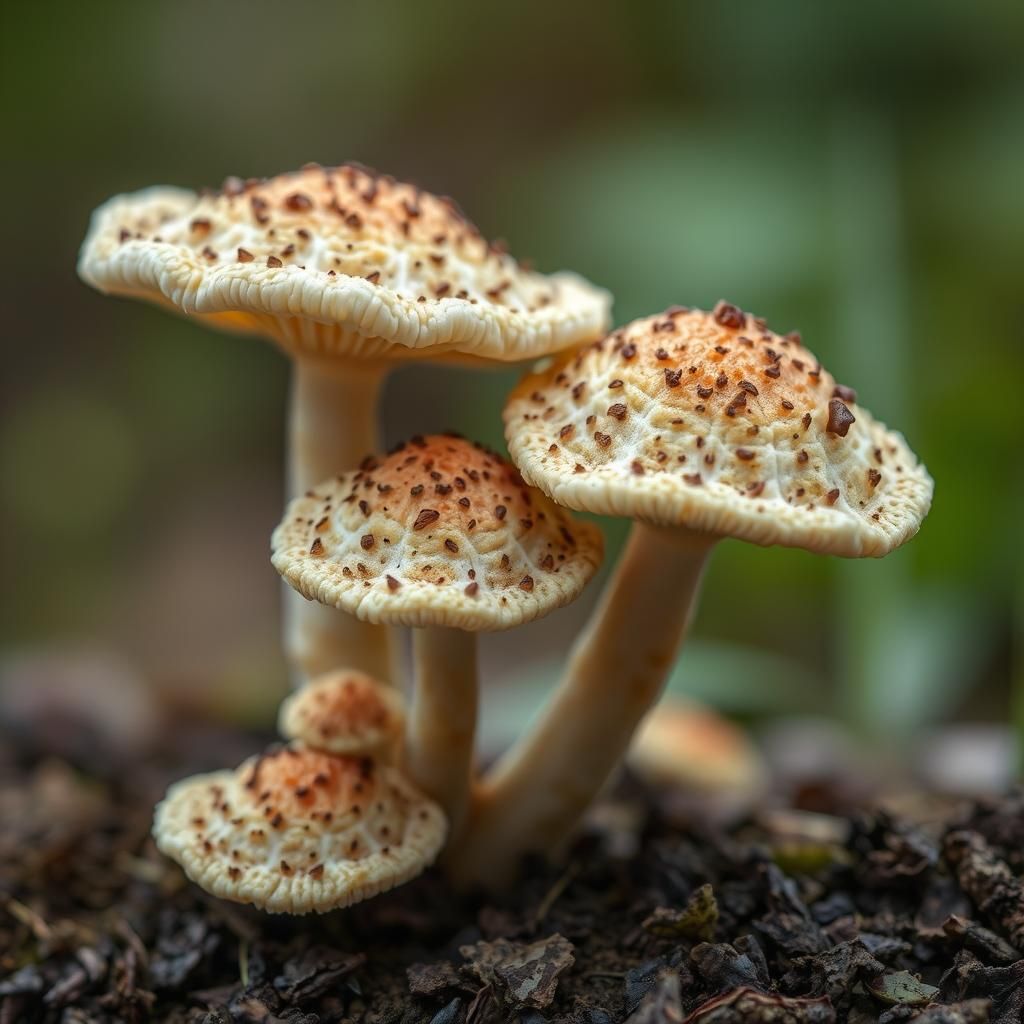
Fungi play a crucial role in our ecosystem, contributing to soil health and nutrient cycling. However, they can also become detrimental, causing plant diseases and crop losses. Understanding the natural enemies of fungi is essential for sustainable agriculture and environmental management. This article explores the fascinating world of fungal predators, including bacteria, nematodes, and certain insects, that keep fungal populations in check. By discovering these natural solutions, we can develop effective, eco-friendly strategies to combat harmful fungi while promoting a balanced ecosystem. Join us as we delve into nature's own methods for managing fungal adversaries.
What are the Natural Enemies of Fungi?
Many organisms serve as natural enemies of fungi, effectively controlling their growth and spread in various ecosystems. Bacteria, especially species like Bacillus and Pseudomonas, are known to have antagonistic effects on fungal growth by producing antibiotics and lytic enzymes. Additionally, several types of fungivorous nematodes and arthropods, such as certain mites and beetles, prey on fungal hyphae and spores, helping to regulate fungal populations in soil and decaying organic matter. Parasitic fungi, such as those belonging to the genus Trichoderma, can also outcompete or directly attack other fungal species, further contributing to the dynamics of fungal communities. Overall, these biological interactions help maintain ecological balance and prevent the overgrowth of harmful fungal species.
The Role of Bacteria
Bacteria play a crucial role in combating fungal populations through their antagonistic activities. Many bacterial species produce secondary metabolites that can inhibit fungal growth by disrupting cellular processes or damaging the fungal cell wall. This competitive relationship is essential for the prevention of fungal diseases in plants and contributes significantly to soil health. For instance, certain strains of Pseudomonas fluorescens have shown efficacy in suppressing plant pathogens, illustrating the importance of bacteria in biological control.
The Impact of Nematoid Predators
Nematodes, particularly fungivorous nematodes, are microscopic roundworms that feed exclusively on fungi. They help control the spread of fungi in soil by preying on their mycelium and spores. These nematodes contribute to nutrient cycling and promote the health of the soil by maintaining a balance between fungal and bacterial populations. The presence of nematodes can reduce the severity of fungal diseases in crops and play a pivotal role in sustainable agriculture.
Arthropod Predators of Fungi
Certain arthropods such as mites, ants, and beetles also act as natural enemies of fungi. These predators consume fungal tissues, particularly in environments rich in decaying organic matter. By feeding on fungi, these arthropods contribute to the breakdown of organic material, facilitating nutrient recycling within the ecosystem. The predatory actions of these species help regulate fungal populations, preventing dominance by any single fungal species.
Parasitic Fungi
Some fungi act as natural enemies to other fungal species, exemplified by those in the genus Trichoderma. These fungi can parasitize and outcompete other fungi, utilizing their resources for growth and reproduction. Trichoderma spp. are widely used in agriculture as biofungicides due to their ability to suppress plant pathogens and improve plant health. Their competitive nature against other fungi underscores the complex interactions within fungal ecosystems.
Environmental Factors Influencing Fungal Predators
Environmental factors such as humidity, temperature, and nutrient availability significantly influence the activity of fungal predators. For instance, higher humidity levels typically promote fungal growth, while certain nematodes and bacterial populations thrive in specific moisture conditions. Understanding these environmental interactions is key to managing fungal populations effectively and employing biological control methods in agricultural practices.
| Type of Natural Enemy | Mechanism of Action |
|---|---|
| Bacteria | Produce antibiotics and compete for resources |
| Nematodes | Prey on fungal hyphae and spores |
| Arthropods | Feed on various fungal species in decaying matter |
| Parasitic Fungi | Outcompete and infect other fungi |
| Environmental Factors | Affect the dynamics and populations of fungal predators |
What is the natural enemy of fungi?

Fungi do not have a single natural enemy, but several organisms and conditions can effectively control their populations. Here are some key natural enemies of fungi:
Bacteria
Certain bacteria are known to suppress fungal growth through competition and antagonism. These bacteria either outcompete fungi for resources or produce antibiotic compounds that inhibit fungal development.
- Antagonistic bacteria: Specific strains such as Bacillus and Pseudomonas are noted for their ability to produce toxins that are harmful to fungi.
- Competitive exclusion: By occupying the same ecological niches, beneficial bacteria can prevent fungi from accessing necessary nutrients.
- Biocontrol agents: Some bacteria are specifically used in agricultural practices to control fungal diseases in crops.
Fungi Predators
Certain organisms, such as fungi predators, can significantly impact fungal populations. These include nematodes and other microorganisms that feed on fungi.
- Nematodes: These microscopic roundworms prey on nematophagous fungi, thus helping to regulate their populations.
- Protozoa: Some single-celled organisms actively consume fungal cells, contributing to microbial control.
- Other fungi: Some fungi are predatory and can attack and consume parasitic fungi, creating a natural balance.
Insects
Certain insects, particularly those within the microbial web, can be natural enemies of fungi. They can either feed on fungi or disperse fungal spores.
- Beetles: Some beetles have developed mutualistic relationships with fungi, but others can serve as predators that help regulate fungal populations.
- Ants: Certain ant species cultivate fungi, which, in turn, can limit the growth of unwanted fungal species through competition.
- Fungal-feeding nematodes: These microscopic animals consume and control fungal populations in the soil.
Environmental Conditions
Natural environmental conditions play a vital role in modulating fungal growth and can act as enemies by either promoting or inhibiting fungal development.
See also:
- Temperature: Extreme heat or cold can adversely affect fungal growth, with many fungi being sensitive to changes in their environment.
- Moisture levels: High humidity conditions can promote fungal growth, while drought can limit it.
- pH levels: The acidity or alkalinity of the environment can influence the survival and reproduction of fungi.
Plant Resistance Mechanisms
Plants have evolved various resistance mechanisms to protect themselves against fungal pathogens, thus acting as natural enemies of fungi.
- Physical barriers: Thick cell walls and cuticles can prevent fungal invasion.
- Chemical defenses: Plants produce secondary metabolites such as phytoalexins that are toxic to fungi.
- Immune responses: When a plant detects a fungal attack, it can activate various immune responses that inhibit fungal growth.
What are the predators of fungi?
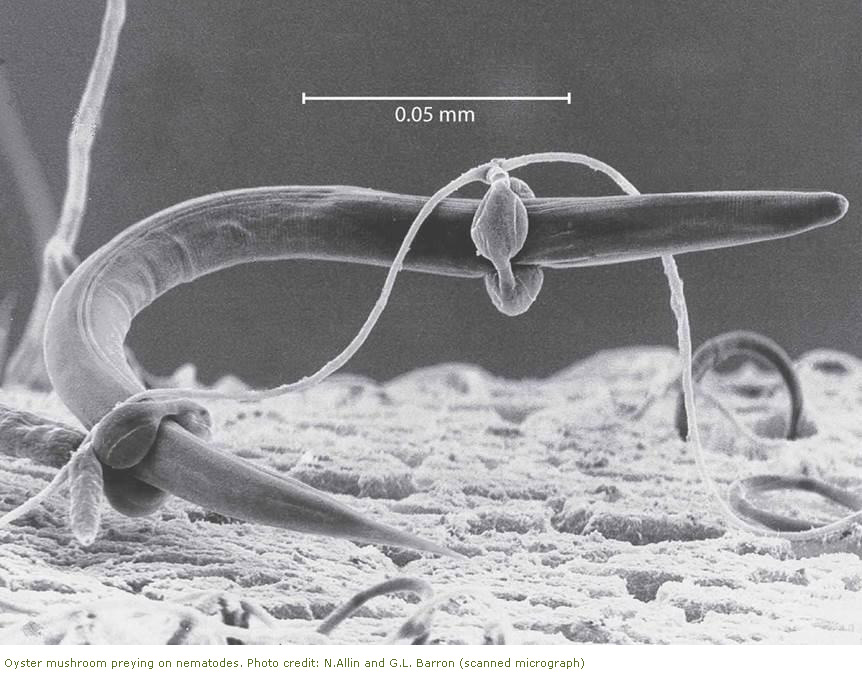
Fungi, while often seen as decomposers, are also part of a complex ecosystem where they are preyed upon by various organisms. The predators of fungi can be categorized into different groups, each with unique feeding behaviors and mechanisms that impact fungal populations.
Invertebrate Predators
Invertebrate predators play a significant role in controlling fungal populations. These organisms include various species that actively feed on fungi. Common invertebrate predators of fungi are:
- Springtails - Tiny, soil-dwelling organisms that feed on fungal hyphae.
- Nematodes - Microscopic roundworms that can consume fungal spores and hyphae.
- Beetles - Various beetle species, especially larvae, that incorporate fungi into their diets.
Microbial Predators
Microbial predators also have a notable impact on fungal populations. These include other microorganisms that can inhibit or consume fungi, leading to a reduction in their numbers. Key microbial predators include:
- Bacteria - Certain bacterial species produce enzymes that degrade fungal cell walls.
- Protozoa - Single-celled organisms that can engulf fungi and consume them as a food source.
- Fungal Parasites - Some fungi can parasitize other fungal species, outcompeting them for resources.
Vertebrate Predators
While less common, vertebrate predators also contribute to the predation of fungi in various ecosystems. These organisms often include:
- Rodents - Many rodent species consume fungi, especially mushrooms, as a food source.
- Birds - Certain bird species forage for fungi, including fruiting bodies of mushrooms.
- Insectivorous mammals - Animals like shrews and moles may consume fungi while foraging for insects.
Fungal Interactions
Fungi can also interact with other fungi in a predatory manner. This behavior can lead to complex relationships, such as:
- Antagonistic interactions - Some fungi produce toxins that inhibit or kill other fungi.
- Enzymatic degradation - Certain fungi can secrete enzymes that break down competing fungal species.
- Resource competition - Fungi may outcompete one another for nutrients and space in their environments.
Ecological Impact of Fungal Predators
The presence of various predators significantly impacts the ecology and dynamics of fungal populations. These effects include:
- Diversity regulation - Predators can help maintain a balance in fungal diversity by keeping populations of dominant species in check.
- Nutrient cycling - By controlling fungal populations, predators influence nutrient availability in ecosystems.
- Habitat modification - The activities of fungal predators can alter the habitat, affecting other organisms and ecological processes.
What destroys a fungus?
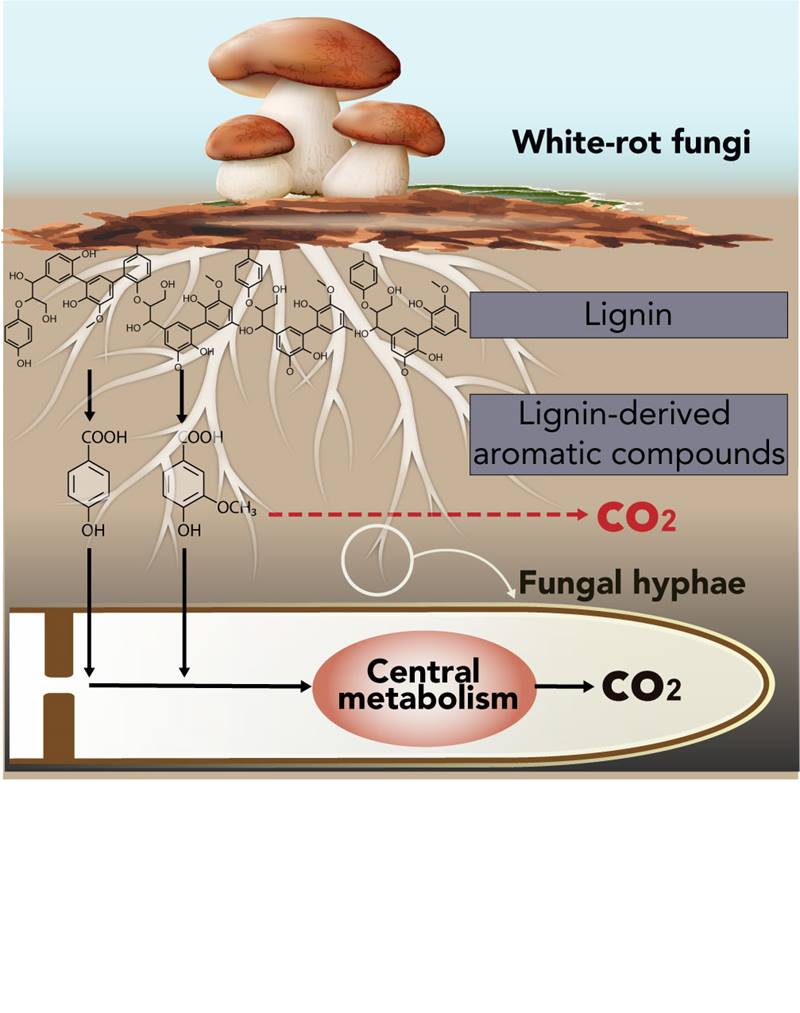
Fungi can be destroyed through various methods, each targeting specific aspects of their biology. Understanding these mechanisms can help in both natural and controlled environments, such as agriculture or household settings.
Natural Antifungal Agents
Natural antifungal agents can effectively inhibit fungal growth through various properties. They are an alternative for those looking to avoid synthetic chemicals.
- Essential Oils: Certain essential oils like tea tree oil and oregano oil have demonstrated significant antifungal properties due to their chemical composition.
- Garlic: Allicin, a compound found in garlic, has been shown to be effective against several types of fungi.
- Vinegar: Acetic acid in vinegar creates an environment unfavorable for fungal growth and is often used in home remedies.
Chemical Fungicides
Chemical fungicides are commonly used in agriculture to manage fungal infections in crops. They are specifically formulated to be effective against a wide range of fungi.
- Systemic Fungicides: These are absorbed by the plant and protect it from within, effectively stopping fungal infections before they spread.
- Contact Fungicides: These act on the surface of plants, killing fungi upon contact, but need to be reapplied frequently.
- Biofungicides: Derived from natural materials, biofungicides can suppress or kill fungal pathogens without broad-spectrum chemical action.
Environmental Control Measures
Controlling the environment where fungi grow can significantly reduce their population. This method emphasizes prevention rather than destruction.
See also:
- Humidity Control: Fungi thrive in humid environments. Reducing humidity levels can suppress their growth.
- Temperature Regulation: Many fungi prefer warm temperatures. By keeping areas cool, you can inhibit their development.
- Good Sanitation: Regular cleaning and removing decaying organic matter can prevent fungi from finding suitable conditions to proliferate.
Biological Control Methods
Biological control involves using other organisms to suppress fungi. This method is often more sustainable and environmentally friendly.
- Beneficial Microorganisms: Certain bacteria and fungi can outcompete harmful fungi for resources and space.
- Nematodes: Some types of nematodes prey on fungal spores and can be introduced into the soil to reduce fungal populations.
- Mycoparasitism: This involves using fungi that feed on other fungi, effectively controlling their populations in a natural way.
Physical Methods
Physical methods are direct approaches to eliminate fungi without relying on chemicals. These can be particularly useful in home settings.
- Heat Treatment: Applying heat through methods such as steaming can kill fungi by denaturing their proteins.
- UV Radiation: Ultraviolet light can damage the DNA of fungal spores, rendering them unable to reproduce.
- Drying: Reducing moisture through drying techniques can create an inhospitable environment for fungi.
What is the strongest natural anti-fungal?

The strongest natural anti-fungal is generally considered to be garlic (Allium sativum). Garlic contains a compound called allicin, which has demonstrated potent anti-fungal properties in various studies. Allicin attacks the cell membranes of fungi, inhibiting their growth and reproduction. This makes garlic a popular choice for individuals seeking a natural remedy for fungal infections.
Mechanisms of Action
Garlic's efficacy as a natural anti-fungal can be attributed to several mechanisms of action:
- Cell Membrane Disruption: Allicin damages the integrity of the fungal cell membrane, leading to cellular leakage and death.
- Inhibition of Enzyme Activity: Garlic inhibits specific enzymes essential for fungal metabolism, disrupting their lifecycle.
- Immune System Enhancement: Garlic can enhance the body's immune response, helping to fight off fungal infections more effectively.
Other Natural Anti-Fungal Options
In addition to garlic, there are several other natural substances known for their anti-fungal properties:
- Tea Tree Oil: Known for its powerful anti-fungal and antibacterial properties, tea tree oil can be effective against various fungal infections.
- Coconut Oil: Contains medium-chain fatty acids that can disrupt fungal cell membranes and help eradicate infections.
- Oregano Oil: Rich in carvacrol and thymol, oregano oil is known for its strong anti-fungal effects and ability to reduce fungal growth.
Application Methods
To effectively utilize garlic and other natural anti-fungals, consider the following application methods:
- Topical Application: Garlic oil or crushed garlic can be applied directly to the affected area for localized treatment.
- Ingestion: Consuming raw garlic or garlic supplements can help combat systemic fungal infections.
- Aromatherapy: Using essential oils like tea tree or oregano in a diffuser can provide a preventive and healing environment.
Considerations and Precautions
While natural anti-fungals can be beneficial, there are important considerations:
- Dosage: Proper dosage is essential to achieve therapeutic effects without causing irritation.
- Allergies: Some individuals may be allergic to garlic or other natural remedies, necessitating caution.
- Consultation with Healthcare Professionals: It is advisable to consult a healthcare practitioner before starting any natural treatments, especially for persistent infections.
Scientific Research and Evidence
Research has shown promising results regarding the effectiveness of natural anti-fungals:
- Laboratory Studies: Numerous studies indicate that garlic exhibits significant anti-fungal activity against various fungi, including Candida species.
- Clinical Trials: Some clinical trials suggest that natural remedies may be beneficial adjuncts to conventional antifungal medications.
- Ethnobotanical Evidence: Traditional use of garlic and other natural anti-fungals in various cultures supports their efficacy and safety.
Questions from Our Readers
What organisms are considered natural enemies of fungi?
Many organisms act as natural enemies of fungi, including bacteria, nematodes, and fungivorous species such as certain insects and mites. These organisms can help regulate fungal populations in their ecosystems.
How do bacteria combat fungal growth?
Bacteria can inhibit fungal growth by producing antifungal compounds that disrupt cell wall synthesis or interfere with metabolic processes, effectively preventing fungal proliferation and helping maintain a balance within the microbial community.
Can plants defend themselves against fungal infections?
Yes, many plants possess defense mechanisms against fungal infections, including the production of antimicrobial compounds and the activation of immune responses that strengthen their cell walls, making it harder for fungi to invade and establish themselves.
What role do predators play in controlling fungal populations?
Predators, such as certain insects and nematodes, play a crucial role in controlling fungal populations by directly feeding on fungal biomass. This biocontrol can significantly reduce the impact of fungi on plant health and overall ecosystem balance.
See also:

If you want to read more articles like What is the Natural Enemy of Fungus? Discover Nature's Fungal Predators and Solutions, we recommend you check out our Garden category.
Leave a Reply
Related Articles