What is the Healthiest Herb to Grow? Discover the Top Choices for Your Garden
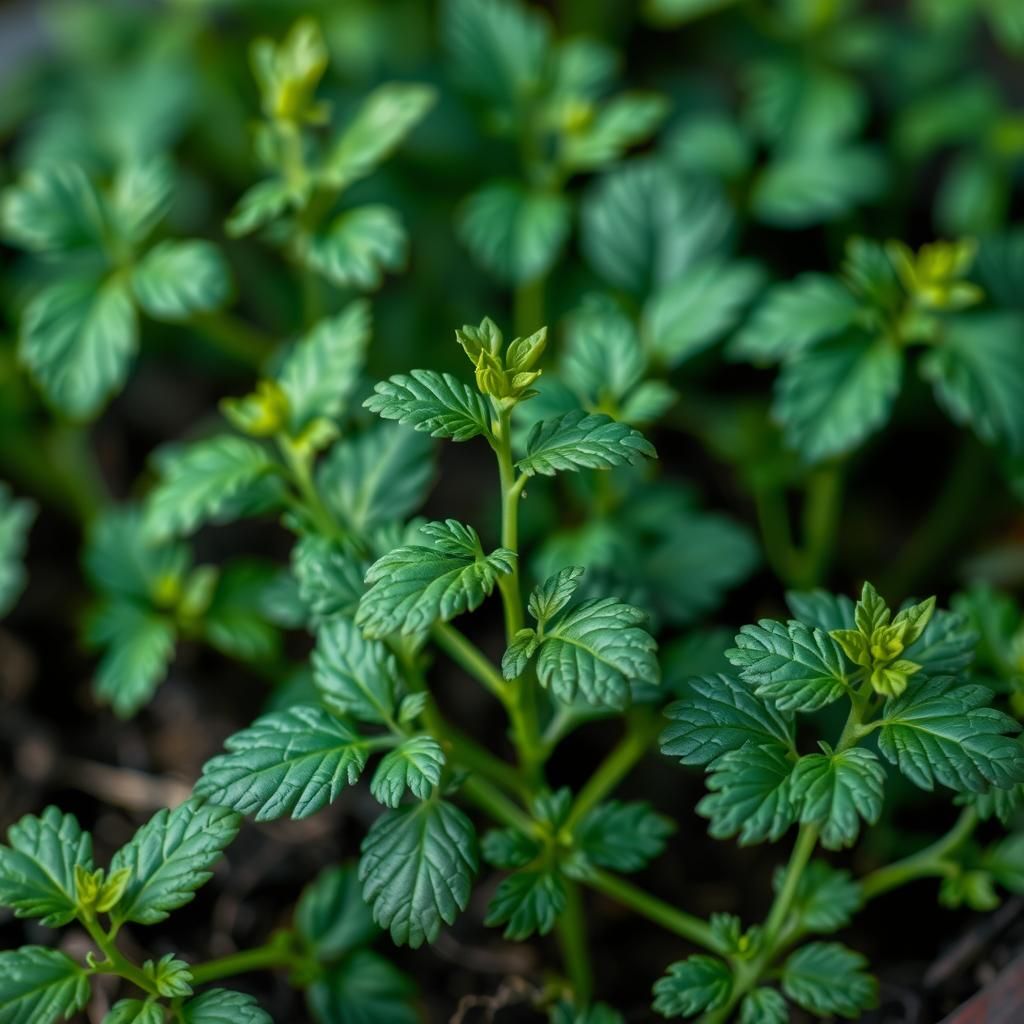
If you're looking to enhance your garden while boosting your health, growing herbs can be a rewarding endeavor. Herbs not only add flavor to your meals but also pack a punch of nutrients and medicinal properties. With numerous options available, it can be challenging to choose which herbs are the healthiest to cultivate. This article will explore some of the top choices, highlighting their health benefits, ease of growth, and culinary uses. Whether you have a sprawling garden or a small windowsill, these herbs can offer exceptional advantages for your health and well-being.
What Is the Healthiest Herb to Grow?
Growing herbs not only adds flavor to meals but also provides remarkable health benefits, with basil often considered the healthiest herb to cultivate. Rich in antioxidants, it contains compounds that may help reduce inflammation and improve heart health. Basil is also linked to enhanced cognitive function and has antibacterial properties. Easy to grow in various climates, whether in a garden bed or containers, it thrives on sunlight and well-drained soil. Additionally, it’s versatile in culinary applications, making it a valuable addition to any herb garden.
Benefits of Growing Basil
Growing basil has numerous health benefits, including its high content of essential oils such as eugenol, which has been shown to possess anti-inflammatory and antioxidant properties. These traits contribute to improved digestion and may help prevent certain diseases by reducing oxidative stress in the body. Furthermore, the aromatic compounds in basil can enhance mood and cognitive function, making it not only beneficial for your health but also enjoyable to grow and use in cooking.
Other Healthy Herbs to Consider
In addition to basil, several other herbs provide significant health benefits. For instance, parsley is packed with vitamins A, C, and K, whereas cilantro has detoxifying properties and may benefit heart health. Mint is renowned for its digestive health benefits, soothing stomach issues, and providing a fresh flavor to various dishes. Each of these herbs can be easily grown alongside basil, offering a diverse array of health-supporting options for your kitchen and wellness routine.
Growing Conditions for Healthy Herbs
To achieve the best growth for your herbs, it's essential to provide the right growing conditions. Most herbs, including basil, thrive in warm temperatures and require at least 6 hours of sunlight daily. They prefer well-drained soil rich in organic matter and should be watered appropriately without becoming waterlogged. Understanding the specific needs of each herb can enhance their growth potential and maximize the health benefits you obtain from them.
Harvesting and Using Basil
Harvesting basil correctly is crucial to ensure it continues to flourish and produce leaves. Begin harvesting when the plant has developed several sets of leaves, typically 6-8 inches tall. Snipping the tops encourages bushier growth and prolongs the plant's life cycle. Basil is most flavorful when used fresh but can also be dried or frozen for later use. It's often used in pesto, salads, and various Mediterranean dishes, making it a versatile addition to your culinary arsenal.
Storing Fresh Herbs for Longevity
Proper storage techniques are vital for maintaining the freshness of your herbs. For basil, it's best to keep it in a glass of water on the countertop, covered loosely with a plastic bag, rather than refrigerating it, as cold temperatures can damage its flavor. Other herbs may fare better wrapped in a damp paper towel and stored in a sealed container in the refrigerator. Understanding these methods helps preserve the potency and flavor of your home-grown herbs, allowing you to enjoy their benefits longer.
| Herb | Key Benefits | Optimal Growth Conditions |
|---|---|---|
| Basil | Anti-inflammatory, antioxidant | Sunlight, well-drained soil |
| Parsley | Rich in vitamins A, C, K | Partial shade, moist soil |
| Cilantro | Detoxifying properties | Cool temperatures, well-drained soil |
| Mint | Digestive aid | Partial sun, moist soil |
What is the mother of all herbs?
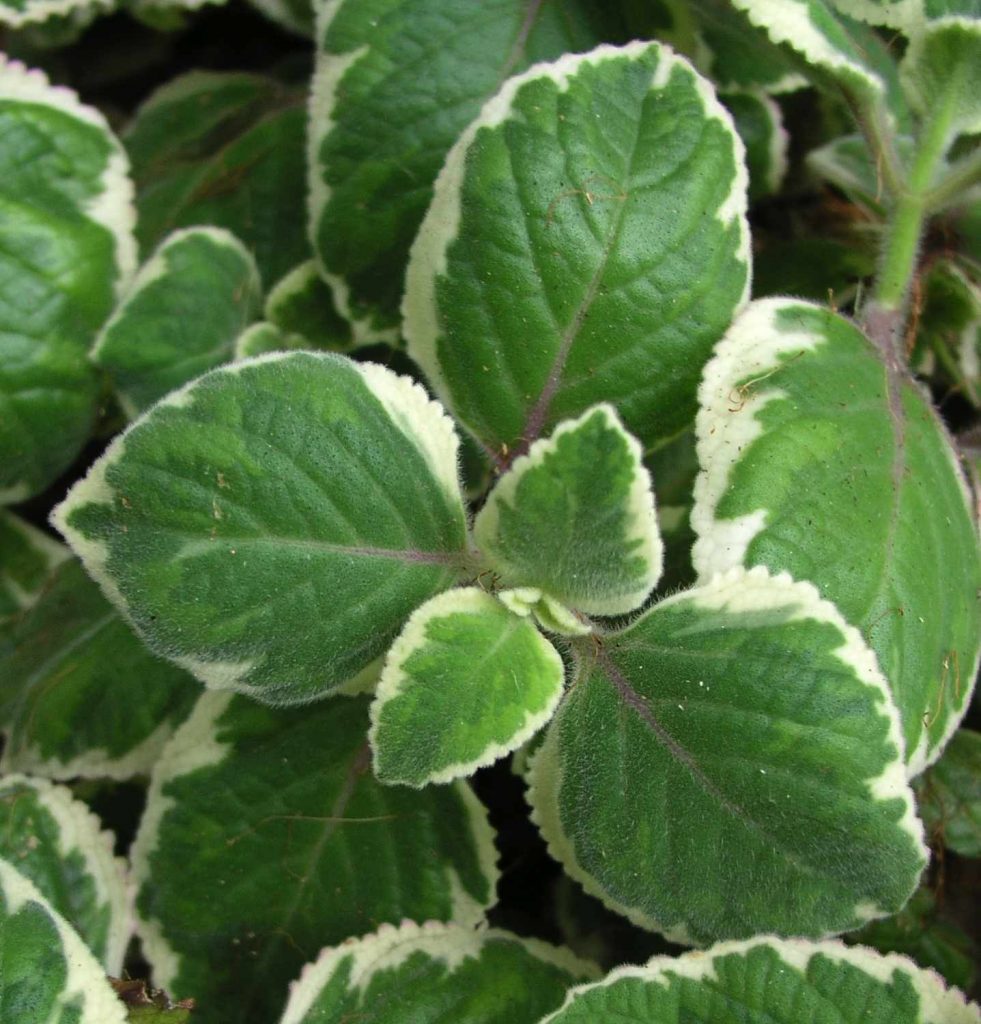
The term mother of all herbs is often attributed to Tulsi (Ocimum sanctum), also known as Holy Basil. This revered plant holds immense cultural and medicinal significance, particularly in Hinduism, and is celebrated for its numerous health benefits. Tulsi is known for its adaptability and versatility, and it is cultivated in different parts of the world.
Health Benefits of Tulsi
Tulsi is renowned for its extensive range of health benefits. It is often used in traditional medicine systems, such as Ayurveda, for the following reasons:
See also:
- Antioxidant Properties: Tulsi leaves are rich in antioxidants, which help combat oxidative stress and reduce the risk of chronic diseases.
- Anti-inflammatory Effects: The plant has anti-inflammatory properties that can reduce inflammation in the body, aiding in various health conditions.
- Immune System Support: Tulsi is known to boost the immune system, making it effective in preventing infections and illnesses.
Culinary Uses of Tulsi
Besides its medicinal properties, Tulsi is widely used in various culinary applications. Its unique flavor profile enhances a range of dishes:
- Herbal Teas: Tulsi leaves are commonly brewed into herbal teas, offering both flavor and health benefits.
- Culinary Ingredient: It can be added to salads, soups, and curries to provide a distinct taste.
- Flavoring Agent: Extracts of Tulsi are used in sauces and marinades, enhancing the overall dish flavor.
Cultural Significance of Tulsi
Culturally, Tulsi holds a sacred status in Hindu traditions and is often referred to as the queen of herbs. Its significance includes:
- Religious Rituals: Tulsi is commonly used in rituals to purify the environment and offer prayers.
- Medicinal Symbol: It represents health and wellness, often seen as a panacea in traditional practices.
- Gardening and Worship: Many households cultivate Tulsi plants as a part of their worship, showcasing their commitment to spiritual and physical health.
Growing Tulsi
Growing Tulsi is both advantageous and rewarding due to its hardy nature and minimal care requirements. Some key aspects include:
- Climate Requirements: Tulsi thrives in warm climates and requires full sun exposure for optimal growth.
- Soil Conditions: It prefers well-drained soil with good organic content, making it ideal for home gardens.
- Watering Practices: Regular watering is necessary, but over-watering should be avoided to prevent root rot.
Scientific Research on Tulsi
Recent scientific studies have increasingly focused on Tulsi to validate its traditional uses. Key findings include:
- Phytochemical Composition: Research has identified numerous beneficial compounds, including essential oils, flavonoids, and vitamins that contribute to its health effects.
- Clinical Studies: Some clinical trials have demonstrated positive outcomes of Tulsi in managing stress, glucose levels, and respiratory conditions.
- Potential Future Uses: Ongoing studies are exploring Tulsi's application in modern medicine, particularly in phytotherapy and as a natural supplement.
What is the healthiest fresh herb?
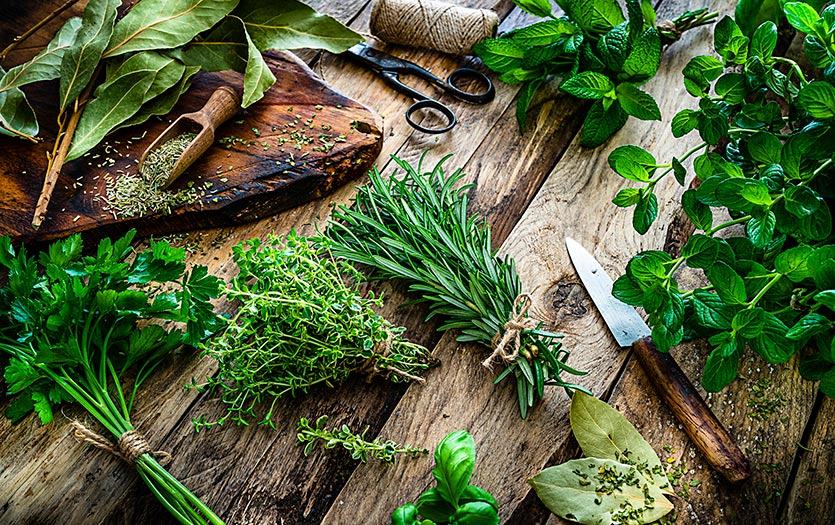
The title of the healthiest fresh herb is often debated, but one herb that frequently comes up is basil. Basil is not only celebrated for its flavor but also for its numerous health benefits, making it a strong contender for the title of the healthiest fresh herb.
Health Benefits of Basil
Basil is rich in essential nutrients and has many health benefits, including:
- Rich in Antioxidants: Basil contains antioxidants that help fight free radicals in the body, which can reduce oxidative stress.
- Anti-inflammatory Properties: Consuming basil can help to decrease inflammation in the body, which is linked to many chronic diseases.
- Supports Heart Health: The compounds in basil can help maintain healthy blood pressure and cholesterol levels.
Nutrition Profile of Basil
Basil is low in calories but high in vitamins and minerals, presenting a nutritious option for enhancing meals. Its key nutritional components include:
- Vitamin K: An essential vitamin for blood clotting and bone health.
- Iron: Important for transporting oxygen in the blood and for energy production.
- Calcium: Vital for maintain strong bones and teeth.
Culinary Uses of Basil
Basil is extremely versatile in the kitchen and can be used in various dishes, including:
- Pesto: A traditional Italian sauce made with basil, pine nuts, garlic, Parmesan cheese, and olive oil.
- Salads: Fresh basil can elevate the flavor of salads, adding a refreshing taste.
- Soups and Sauces: Basil can enhance the flavor of tomato-based sauces and soups.
How to Grow Basil
Growing basil at home is relatively easy, and it can thrive in various conditions. Important tips for growing basil include:
See also:
- Sunlight: Basil needs at least 6 hours of direct sunlight each day for optimal growth.
- Watering: Keep the soil moist but not over-watered; basil prefers well-drained soil.
- Harvesting: Regularly pinch off leaves to encourage growth and prevent flowering.
Alternative Healthy Fresh Herbs
While basil is a standout, there are several other fresh herbs that also offer exceptional health benefits:
- Parsley: High in vitamins A, C, and K, parsley is known for its detoxifying properties.
- Cilantro: This herb may help in detoxifying heavy metals and diminishing inflammation.
- Mint: Mint aids in digestion and provides a fresh flavor that can be enjoyed in various dishes.
What is the most useful herb to grow?
The most useful herb to grow is basil. This versatile herb is not only easy to cultivate but also serves multiple culinary and medicinal purposes. With its aromatic leaves and numerous varieties, basil can enhance dishes, be used in teas, and offer a range of health benefits.
Benefits of Growing Basil
Growing basil offers several advantages that make it an excellent choice for home gardeners.
- Versatility in Cooking: Basil can be used in a variety of dishes, including pasta, salads, and sauces.
- Medicinal Properties: It has anti-inflammatory and antioxidant properties, making it beneficial for overall health.
- Aromatic Qualities: The fragrance of basil can enhance the atmosphere in your kitchen and garden.
Culinary Uses of Basil
Basil is well-known for its culinary uses, particularly in Italian cuisine.
- Pesto: Fresh basil is a key ingredient in traditional pesto sauce, adding a fresh flavor to pasta dishes.
- Salads: It can be used fresh in salads, providing a peppery taste that complements vegetables.
- Garnishes: Basil leaves make for excellent garnishes, adding visual appeal and flavor to various meals.
Caring for Basil Plants
Proper care is essential for growing healthy basil plants.
- Sunlight: Basil thrives in full sun, requiring at least 6 hours of direct sunlight daily.
- Watering: Consistent watering is crucial; the soil should be kept moist but not waterlogged.
- Pruning: Regular pruning encourages bushier growth and prevents the plant from flowering too early.
Growing Basil Indoors vs Outdoors
Basil can be grown both indoors and outdoors, each having its unique benefits.
- Indoors: Growing basil indoors allows for year-round cultivation, making it accessible anytime.
- Outdoors: Outdoor growth provides access to natural sunlight and open space, helping plants to flourish.
- Container Gardening: Basil can also thrive in pots, making it suitable for small outdoor spaces or balconies.
Harvesting and Storing Basil
Knowing when and how to harvest basil is crucial for maintaining its flavor.
- When to Harvest: Basil can be harvested once the plants are at least 6 inches tall, taking care not to remove more than a third of the leaves at once.
- Drying: If you want to store basil for the long term, drying the leaves can preserve their flavor.
- Freezing: Alternatively, basil leaves can be frozen in ice cube trays with a little water or oil to retain their freshness.
Questions from Our Readers
What is the healthiest herb to grow?
Growing herbs like basil, parsley, and cilantro can significantly enhance your culinary experiences while providing health benefits. Among these, parsley stands out due to its high levels of vitamins A, C, and K, as well as beneficial antioxidants. Its versatility in cooking makes it an excellent choice for your home garden.
How can I grow healthy herbs at home?
To grow healthy herbs at home, ensure you provide sufficient sunlight, adequate drainage, and nutrient-rich soil. Start with seeds or healthy seedlings, and regularly water them without over-saturating. Additionally, using organic fertilizers can promote better growth and enhance the flavor of your herbs.
See also:
Do herbs require a lot of water?
Herbs generally do not require excessive watering; in fact, most prefer well-drained soil to prevent root rot. Water them deeply but less frequently, allowing the top layer of soil to dry out before your next watering session. This balance helps promote strong, healthy plants.
Can I grow herbs indoors?
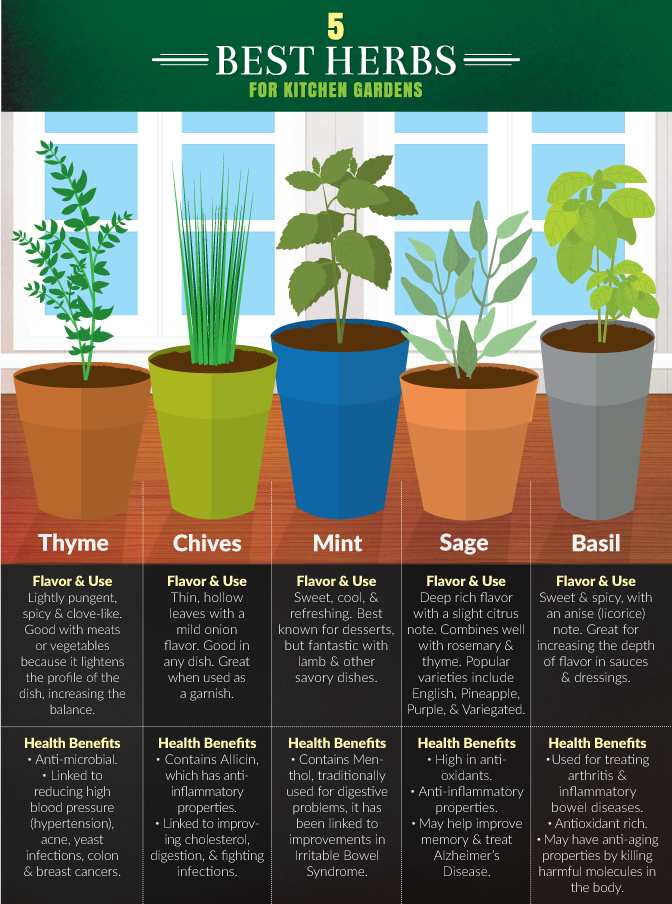
Yes, you can successfully grow herbs indoors by placing them in sunny spots or using grow lights if natural light is insufficient. Choose smaller herbs like chives, mint, or thyme, which adapt well to indoor conditions and can thrive in containers. Regularly prune these herbs to encourage bushy growth and maintain their flavor.

If you want to read more articles like What is the Healthiest Herb to Grow? Discover the Top Choices for Your Garden, we recommend you check out our Herbs category.
Leave a Reply
Related Articles