What is the Best Starter Herb Garden? Top Tips and Easy Herbs to Grow
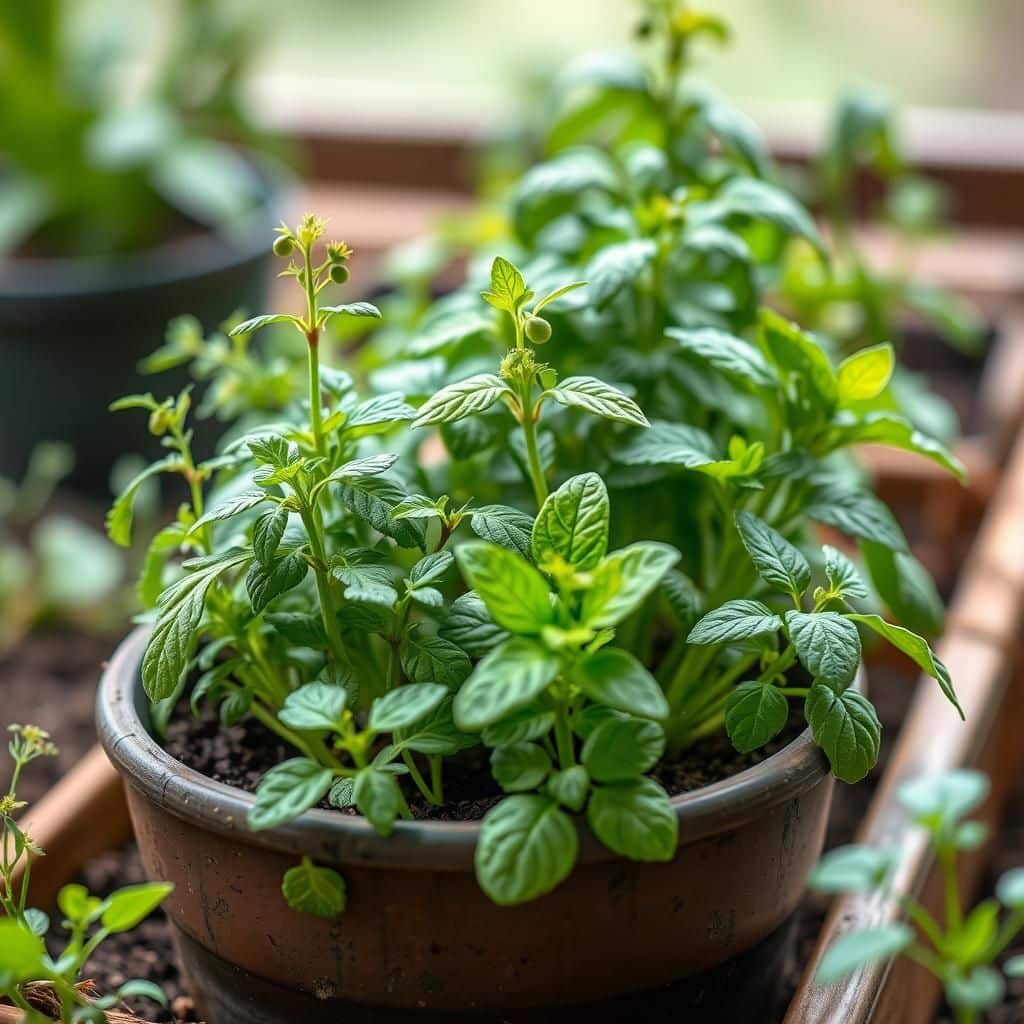
Starting a herb garden is a rewarding venture for both novice and experienced gardeners alike. Fresh herbs not only enhance the flavor of your meals but also provide a delightful sensory experience with their vibrant colors and aromas. Whether you have a spacious backyard or just a small balcony, cultivating your own herbs can be both simple and enjoyable. In this article, we will explore the best starter herbs to grow, offering top tips for success and easy-to-follow guidelines. Transform your cooking and gardening skills by planting a flourishing herb garden that can thrive in any space.
What Herbs Are Best for a Starter Garden?
Starting a herb garden can be a rewarding experience, especially for beginners looking to enhance their culinary skills. The best starter herb garden typically includes herbs that are easy to grow and maintain, such as basil, parsley, cilantro, thyme, and chives. These herbs not only thrive in various soil types and environments but also add fresh flavors to numerous dishes. Additionally, they can be grown indoors on a windowsill or outdoors in a garden bed or pot. By choosing these herbs, beginners can successfully cultivate a vibrant herb garden that will provide fresh ingredients for cooking and enhance their gardening skills.
Easy-to-Grow Herbs
Some herbs are considerably easier to grow, making them ideal for beginners. Basil is one of the most popular starter herbs, known for its aromatic leaves and versatility in the kitchen. Chives are also simple to grow and add a mild onion flavor to dishes. Other easy options include parsley and oregano, both of which require minimal maintenance and grow quickly, ensuring immediate gratification for novice gardeners.
Indoor vs. Outdoor Gardening
Deciding between an indoor or outdoor herb garden is crucial for new gardeners. Indoor gardens are perfect for those with limited space or those who live in regions with harsh climates. Herbs like basil and mint can thrive in pots on a sunny windowsill. In contrast, outdoor gardens allow for a wider variety of herbs and offer the benefits of natural sunlight and outdoor pollinators. Location, spacing, and climate should influence this decision for optimal growth.
Soil and Drainage Requirements
The type of soil and its drainage capabilities are essential for a successful herb garden. Most herbs prefer well-draining soil that is rich in organic matter. Amendments like compost can enhance soil fertility and structure. It's crucial to avoid soil that retains too much moisture, leading to root rot. Using pots with drainage holes or raised garden beds can promote healthy growth and support robust root development in herbs.
See also:
Watering and Sunlight Needs
Different herbs have varying watering and sunlight requirements that affect their growth. Generally, herbs need about 6 to 8 hours of sunlight daily, so choosing a sunny spot is vital. For watering, the rule of thumb is to keep the soil consistently moist but not soggy. Over-watering can lead to problems, while under-watering can hinder growth. Observing the plants' needs and adjusting watering schedules accordingly will help ensure a thriving herb garden.
Harvesting Techniques
Knowing the proper harvesting techniques can enhance the growth and flavor of your herbs. It's essential to avoid over-harvesting; instead, take only a few leaves or sprigs at a time to encourage continued growth. Using sharp scissors or pruners will prevent damage to the plants and promote healthy regrowth. Timing is also important; harvesting in the morning, when the oils are most concentrated, can result in more flavorful herbs.
| Herb | Growing Difficulty | Harvest Time |
|---|---|---|
| Basil | Easy | 6-8 weeks |
| Chives | Easy | 8 weeks |
| Cilantro | Moderate | 4-6 weeks |
| Thyme | Easy | 6-8 weeks |
| Parsley | Moderate | 10-12 weeks |
Choosing the Right Location for Your Starter Herb Garden
When planning your starter herb garden, the location is crucial for the success of your plants. Most herbs thrive in environments with full sun, meaning they need at least 6 to 8 hours of direct sunlight daily. Consider placing your garden near a window, balcony, or backyard that receives ample light. Additionally, well-drained soil is essential to prevent root rot and ensure healthy growth. If you're working with limited outdoor space, you can also utilize containers or raised beds, which can be easily moved to capture the best sunlight throughout the day.
Best Herbs for Beginners
Some of the easiest herbs to grow for beginners include basil, parsley, chives, cilantro, and mint. These herbs can flourish in various conditions and don’t require extensive knowledge of gardening practices. For example, basil loves warmth and can be planted indoors on a windowsill or outdoors once the frost has passed. Each of these herbs offers unique flavors to enhance your cooking, making them not only practical but also rewarding to grow.
Essential Growing Tips for Herbs
To ensure the best growth, remember to provide your herbs with adequate water and nutrients. Herbs prefer slightly moist soil but can suffer from overwatering, so it's important to strike a balance. Using fertilizers designed for herbs can help improve soil quality, allowing your plants to thrive. Regularly pruning your herbs will encourage new growth and prevent them from becoming too leggy. Keep an eye out for pests and diseases, and address any issues promptly to keep your garden healthy.
See also:
Indoor vs. Outdoor Herb Gardening
When deciding between indoor and outdoor gardening, consider your available space and climate. Indoor herb gardens can be grown all year long and are ideal for those with limited outdoor access. They require artificial lighting if natural light is insufficient. On the other hand, outdoor gardens benefit from natural sunlight, and outdoor containers can be moved easily to capture the best light. Both options offer unique benefits, so choose the one that aligns best with your lifestyle.
Container Gardening for Herbs
Container gardening is a fantastic option for those with limited space or variable garden conditions. Choose containers with proper drainage holes to prevent waterlogging, which can harm the roots. Use a high-quality potting mix and position your containers in a sunny spot. This method allows for flexibility, as you can easily rearrange your herbs based on sunlight exposure and seasonal changes. Remember to water your containers more frequently, as the soil tends to dry out faster than in-ground gardens.
Harvesting Your Herbs
Knowing when and how to harvest your herbs is essential for maximizing their flavor and growth. Most herbs can be harvested once they are around 6 inches tall, and it's best to take the leaves from the top, which encourages further growth. Avoid taking more than one-third of the plant at a time to ensure it remains healthy. Herbs can be used fresh or dried for later use. Remember, the flavor of freshly harvested herbs will be more potent than their dried counterparts.
Questions from Our Readers
What herbs are best for a beginner's garden?
A beginner's herb garden should include easy-to-grow varieties such as basil, parsley, chives, and mint. These herbs are not only hardy but also provide great flavors for cooking, making them ideal choices for someone just starting out.
How much sunlight do herbs need?
Most herbs thrive in full sun, which means they require at least 6 hours of sunlight per day. Place your herb garden in a spot that receives ample daylight to ensure healthy growth and robust flavors.
See also:
Should I plant herbs in pots or directly in the ground?
Planting herbs in pots is often preferred for beginners because it allows for better control of soil conditions and easy mobility. However, if you have the space and good soil, planting directly in the ground can also yield excellent results.
How often should I water my herb garden?
Herbs typically require consistent moisture but should not be overwatered. A good rule of thumb is to water your herbs when the top inch of soil is dry, which usually corresponds to about once a week, depending on your climate and the size of your pots.

If you want to read more articles like What is the Best Starter Herb Garden? Top Tips and Easy Herbs to Grow, we recommend you check out our Herbs category.
Leave a Reply
Related Articles