What is the Best Layout for an Herb Garden? Top Tips and Designs for Success
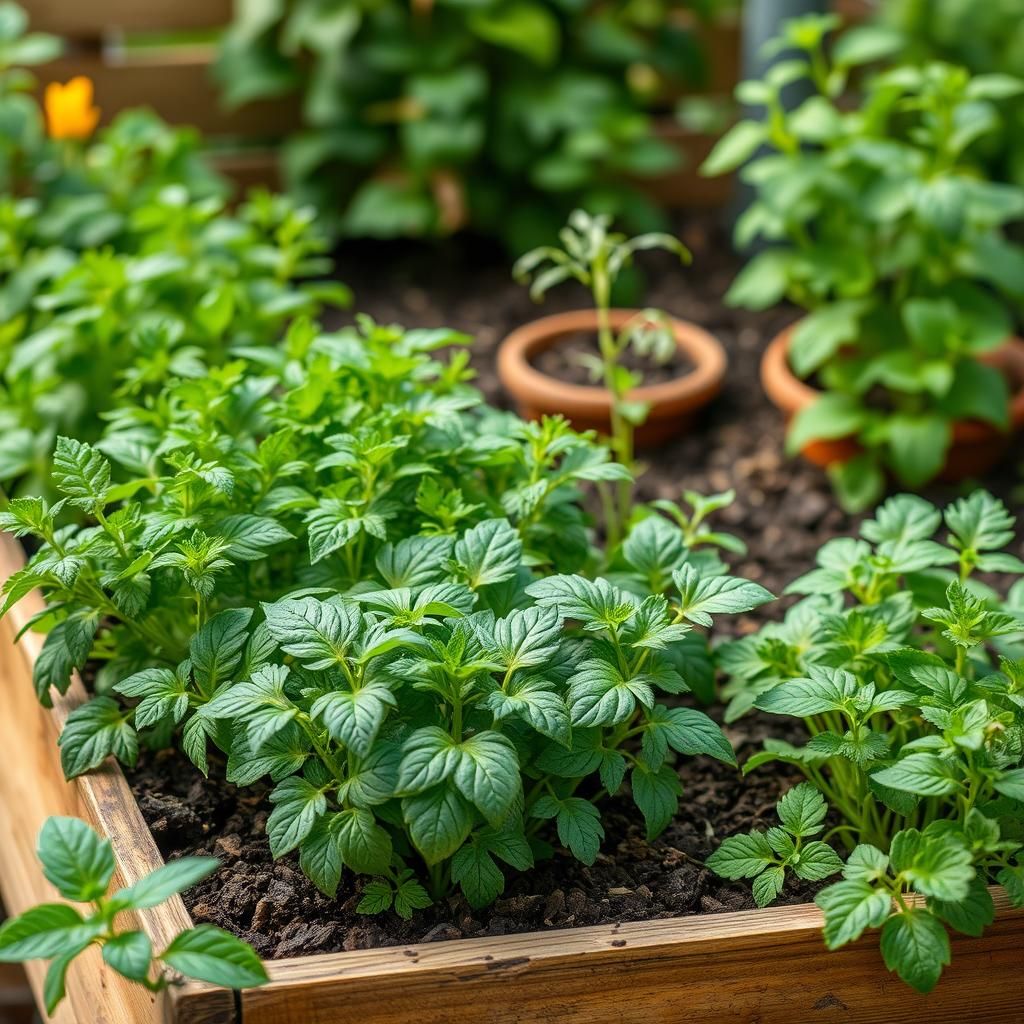
Designing an herb garden can be a rewarding experience, offering both beauty and functionality. A well-planned layout maximizes space, ensures optimal growth, and makes maintenance a breeze. Whether you have a sprawling backyard or a small balcony, the right design can transform any area into a thriving herb sanctuary. This article will explore various layout options and tips to help you create a successful herb garden. From choosing the right location to arranging your plants for maximum sun exposure and accessibility, discover the essentials for cultivating your own fragrant and flavorful herb haven.
What is the Best Layout for an Herb Garden?
To create the best layout for an herb garden, it is essential to consider factors such as sunlight, accessibility, and the growth habits of the herbs being cultivated. A raised bed design is often ideal, as it provides good drainage and soil quality while enabling easy access for tending to the plants. Ensuring that taller herbs do not overshadow shorter herbs can be achieved by positioning them strategically, with the taller varieties at the back or center of the plot. Additionally, grouping herbs by their watering needs and companion planting can enhance growth and pest resistance. Taking the time to map out the garden's layout before planting can result in a flourishing herb garden that is both practical and aesthetically pleasing.
Choosing the Right Location
When selecting a location for your herb garden, aim for a spot that receives at least 6-8 hours of sunlight daily. Herbs flourish in sunny environments, but some may thrive in partial shade. Analyze the sunlight patterns in your yard throughout the day and choose an area that avoids heavy shade from buildings or trees. Proximity to the kitchen can also be beneficial for convenient harvesting and use in cooking.
Designing the Layout
The layout of your herb garden can significantly influence its productivity. A grid layout allows for systematic planting and easier maintenance, while a circular layout can create a visually appealing design. Consider using raised beds or containers to delineate space, facilitate good drainage, and prevent soil compaction. Rotating herbs yearly and using intercropping techniques can enhance soil health and maximize space.
Grouping Herbs by Growth Patterns
Grouping herbs according to their growth patterns contributes to a more efficient garden. For instance, plant bushy herbs like basil and parsley together, while grouping taller varieties such as dill or fennel towards the back. This strategy avoids overcrowding and ensures that each herb receives adequate light and air circulation, crucial for healthy growth.
Watering Considerations
Different herbs often have varying watering needs, so it is wise to group them accordingly. Plants like rosemary and thyme prefer drier soil, while cilantro and mint enjoy consistently moist conditions. Organizing your herb garden based on these watering preferences can help minimize water waste and prevent over or underwatering your plants.
Soil Preparation and Maintenance
Healthy soil is a foundation for a productive herb garden. Start by testing your soil's pH and nutrient levels; most herbs thrive in slightly acidic to neutral soil (around 6.0 to 7.0 pH). Amend your soil with organic compost or well-rotted manure to improve fertility and drainage. Regular maintenance such as mulching, weeding, and occasional fertilization will help sustain your garden and promote prolific growth.
| Herb | Sunlight Needs | Watering Needs |
|---|---|---|
| Basil | Full Sun | Moderate |
| Rosemary | Full Sun | Low |
| Cilantro | Partial shade | High |
| Mint | Partial shade | High |
| Thyme | Full Sun | Low |
How should I arrange my herb garden?
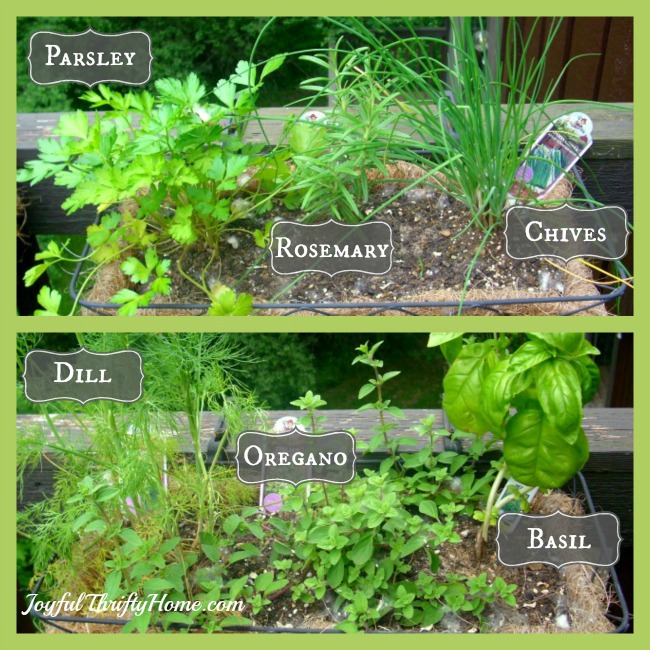
To arrange your herb garden effectively, consider factors such as sunlight, drainage, and the growth habits of each herb. The goal is to create a thriving environment that maximizes the health of your herbs while allowing for easy access during maintenance and harvesting.
Understanding Sunlight Requirements
Different herbs have varying sunlight needs. By grouping them according to their requirements, you can ensure that each plant receives the appropriate amount of light. Therefore, consider the following when arranging:
See also:
- Full Sun Herbs: Place herbs like basil, rosemary, and oregano in areas that receive at least 6-8 hours of direct sunlight daily.
- Partial Sun Herbs: Group herbs such as mint and cilantro, which thrive in about 4-6 hours of sunlight.
- Shade-tolerant Herbs: Plant herbs like parsley and chives, which can survive in low-light conditions, in the shadier parts of your garden.
Soil and Drainage Considerations
Soil quality and drainage are crucial for the health of your herbs. Each type of herb may have different requirements, so it’s essential to prepare the soil accordingly. Here are some tips:
- Well-drained Soil: Most herbs prefer soil that drains well to prevent root rot. Consider adding compost or sand to improve drainage.
- Soil pH: Test your soil's pH level. Most herbs thrive in slightly acidic to neutral pH (6.0-7.0).
- Consistent Moisture: Ensure that the soil retains some moisture without becoming waterlogged. This balance is vital for healthy growth.
Companion Planting Techniques
Companion planting can enhance the growth and flavor of your herbs while repelling pests. When arranging your herb garden, think about which herbs can benefit from being planted near each other:
- Basil and Tomatoes: These plants not only thrive together but also enhance each other's growth flavor.
- Chives and Carrots: Chives can help deter pests that would otherwise target carrot plants.
- Mint and Cabbage: Mint can prevent cabbage moths, making this a beneficial pairing.
Plan for Accessibility
Accessibility is essential for maintaining your herb garden. You'll want to arrange your herbs in a way that allows for easy access for watering, pruning, and harvesting:
- Row Layouts: Consider arranging herbs in rows to maximize space and accessibility.
- Container Gardens: Utilize pots or raised beds if you have limited space, making it easier to reach each herb.
- Wide Pathways: Ensure there are paths wide enough to walk between plants without trampling them.
Seasonal Arrangement Adjustments
Herbs can allow for different planting strategies based on seasonal changes. Adjusting your arrangement seasonally can improve your garden's yield throughout the year:
- Annual vs. Perennial Herbs: Place annual herbs (like basil) where they can be easily removed, while perennials (like thyme) can be established as permanent fixtures.
- Successional Planting: Plan for successive crops, allowing you to plant new herbs as soon as others are harvested.
- Rotate Herb Locations: Consider rotating herb families each season to prevent soil nutrient depletion and pest build-up.
What herbs grow well together chart?

When planning a herb garden, it's essential to know which herbs grow well together. Companion planting can enhance growth, improve flavor, and even deter pests. Here is a chart that illustrates some popular herbs that thrive alongside one another.
Common Herb Pairings
Certain herbs have shown a tendency to flourish when planted near each other due to their shared growing conditions or complementary characteristics. Here’s a list of some quintessential pairings:
- Basil and Tomatoes: Basil enhances the flavor of tomatoes and can repel pests.
- Rosemary and Thyme: Both herbs prefer similar well-drained soil and sunny locations.
- Parsley and Chives: These herbs do well together as they support each other's growth.
Avoiding Harmful Combinations
While some herbs thrive together, others can hinder each other's growth, leading to poor yields or health issues in the plants. Here are some herb combinations to avoid:
- Mint and Rosemary: Mint can overtake rosemary, leading to competition for nutrients.
- Sage and Parsley: Sage can inhibit the growth of parsley when planted nearby.
- Basil and Rue: Rue can stunt the growth of basil significantly.
Benefits of Companion Planting
Companion planting not only helps in maximizing space and resources but also fosters a healthier growing environment. Here are some benefits of planting compatible herbs together:
- Pest Control: Certain herbs can deter harmful insects that may attack other plants.
- Improved Flavor: Some herbs can enhance the flavors of nearby plants, leading to tastier yields.
- Soil Health: Compatible herbs can improve soil quality and nutrient levels, benefiting the entire garden.
Tips for Planning Your Herb Garden
When designing your herb garden, thoughtful planning of herb placement can significantly impact your garden's success. Consider these tips:
See also:
- Sunlight: Ensure that all herbs planted together share similar sunlight requirements.
- Soil Needs: Match herbs that have similar soil preferences for optimal growth.
- Growth Habits: Consider the height and spread of each herb to prevent overcrowding and competition.
Seasonal Considerations
Herb growth can also be affected by the seasons, influencing compatibility and overall growth. Here are some seasonal factors to bear in mind:
- Temperature: Some herbs prefer cooler temperatures while others thrive in the heat, so plan accordingly.
- Watering Needs: Ensure the watering requirements align during the same growing season.
- Growth Rate: Plant faster-growing herbs alongside slower ones to ensure they do not compete for resources.
What is the best direction for a herb garden?

The best direction for a herb garden typically depends on the specific climate and environment, but there are general guidelines that can help optimize growth. Herbs generally thrive in sunny locations, ideally receiving at least six hours of direct sunlight each day. This sunlight exposure encourages robust flavor and growth, leading to healthier plants.
Importance of Sunlight for Herbs
Herbs, being sun-loving plants, require substantial sunlight to develop strong flavors and nutrients. The right amount of sunlight affects not only the growth rate but also the overall health of the plants.
- Flavor enhancement: Sunlight increases essential oil production in herbs, enhancing their aroma and taste.
- Growth acceleration: More sunlight accelerates photosynthesis, which leads to quicker and more vigorous growth.
- Resistance to diseases: Strong sunlight helps keep herbs less prone to certain diseases and pests.
North vs. South Direction
In most regions, a south-facing direction is ideal for growing herbs because it captures more sunlight throughout the day. However, in extremely hot climates, a partial shade may be beneficial during the hottest parts of the day.
- Maximum sunlight: South-facing gardens receive sunlight for the longest periods, particularly in winter.
- Temperature control: A slight eastern or western direction may provide relief from intense afternoon sun.
- Seasonal adjustments: Observing sun patterns across different seasons helps establish the best planting direction.
Wind Protection for Herbs
Wind can be detrimental to herbs, particularly fragile varieties. Considering the wind direction can guide the placement of your herb garden to minimize damage.
- Using natural barriers: Planting near fences or walls can help shield herbs from harsh winds.
- Windbreaks: Installing trees or shrubs can serve as effective windbreaks to protect delicate herbs.
- Microclimates: Understanding local wind patterns can help create microclimates that are more suitable for growing herbs.
Soil Drainage Considerations
Proper soil drainage is just as crucial as sunlight, as herbs can be susceptible to root rot in poorly drained soil. The direction of your garden may impact this factor.
- Raised beds: Using raised garden beds can improve drainage and warmth, benefiting herb growth.
- Sloped lands: Slopes can enhance drainage if oriented correctly, preventing waterlogging.
- Soil amendment: Enriching soil with organic matter can enhance drainage while providing key nutrients.
Climate and Local Conditions
Always consider your local climate and conditions when deciding the direction for a herb garden. Certain herbs may thrive better in different environmental settings.
- Hardiness zones: Researching your regional hardiness zone helps in selecting the most suitable herbs.
- Humidity levels: Some herbs require specific humidity levels that may dictate their placement.
- Local flora and fauna: Understanding native plants and wildlife can inform the best direction for both growth and protection.
Questions from Our Readers
What factors should I consider when planning the layout of my herb garden?
When planning the layout of your herb garden, consider factors like sunlight, space, and accessibility. Most herbs require at least 6-8 hours of sunlight daily, so choose a location that receives ample light. Additionally, ensure there's enough space for each herb to grow without overcrowding, and arrange them in a way that allows easy access for harvesting and maintenance.
Should I plant herbs in rows or in a more varied layout?
While both layouts can work, a varied layout often mimics natural growth and can enhance aesthetic appeal. Group herbs with similar water and sunlight needs together, creating clusters rather than strictly adhering to rows. This arrangement not only looks more visually appealing but also promotes better air circulation, reducing the risk of disease.
See also:
What is the best way to organize my herb garden by height?
Organizing herbs by height can optimize sunlight access for shorter plants while creating a beautiful visual component. Tall herbs, like mint or dill, should be placed at the back or center, while shorter varieties, such as basil or thyme, can occupy the front. This layout ensures that all plants receive adequate sunlight and allows for easy access to every herb.
How can I maximize space in a small herb garden?
To maximize space in a small herb garden, consider using vertical gardening techniques such as wall planters or tiered pots. Additionally, choose compact or dwarf herb varieties that take up less room. Utilizing containers can also be beneficial, as they can be arranged on patios, balconies, or small yards, allowing for a diverse range of herbs in limited spaces.

If you want to read more articles like What is the Best Layout for an Herb Garden? Top Tips and Designs for Success, we recommend you check out our Herbs category.
Leave a Reply
Related Articles