What Herbs Are Low Maintenance to Grow? Discover the Easiest Options for Your Garden
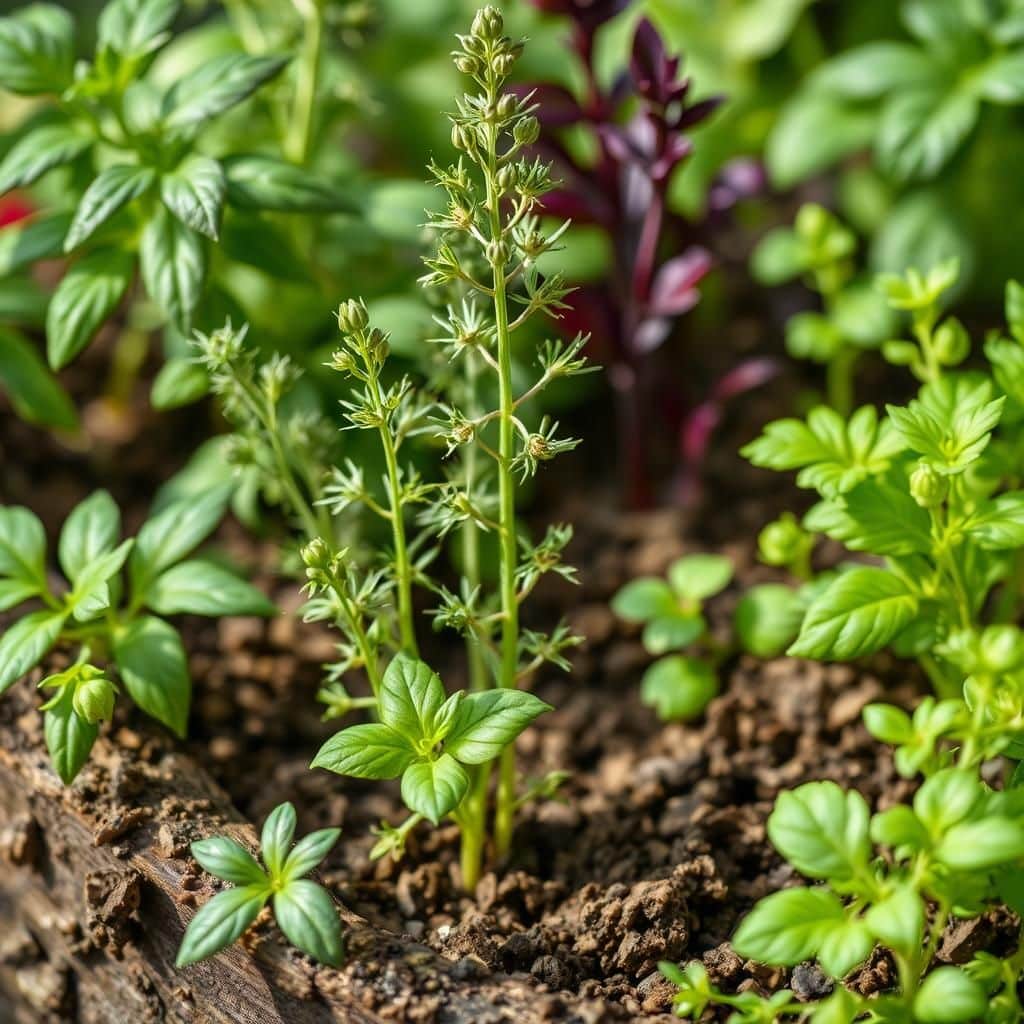
Gardening can be a rewarding hobby, but not everyone has the time or experience to manage a complex garden. For those seeking simplicity, low-maintenance herbs offer an ideal solution. These hardy plants not only thrive with minimal care but also enhance your culinary creations and garden aesthetics. In this article, we will explore the easiest herbs to grow, providing you with a practical guide to cultivate your own herb garden effortlessly. Discover the benefits of these resilient plants and learn how you can enjoy fresh flavors without the hassle of extensive gardening tasks.
Low Maintenance Herbs for Easy Gardening
Growing herbs can be a rewarding experience, especially when choosing low maintenance varieties. These herbs thrive with minimal care and are perfect for beginners or those with limited time. Some of the best options include chives, which require little water and can tolerate various soil conditions; thyme, known for its drought resistance and ability to flourish in poor soil; rosemary, which is a hardy plant that thrives in sunny locations; oregano, which is a robust herb that spreads easily; and mint, a vigorous grower that can be contained in pots. Each of these herbs not only adds flavor to your meals but also enhances your garden with their aromatic qualities.
Chives
Chives are a hardy herb that can grow in a variety of conditions, making them perfect for those who want low maintenance options. They thrive in full sun but can tolerate partial shade. Chives require minimal watering and can be grown indoors or outdoors. Their delicate green stalks add a mild onion flavor to dishes and can re-sprout after being cut, ensuring a continuous supply.
Thyme
Thyme is an extremely versatile herb that is both drought-resistant and resilient to poor soil conditions. It requires well-drained soil and a sunny location, making it ideal for gardens with limited maintenance. Once established, thyme grows quickly and can be used in many culinary dishes, adding a rich flavor and aroma.
Rosemary
Rosemary is a perennial herb that thrives in Mediterranean climates and is known for its impressive hardiness. It prefers well-drained soil and requires minimal watering once established. This aromatic herb not only enhances various dishes with its pine-like flavor but also serves as an attractive addition to gardens, with its woody stems and leafy appearance.
Oregano
Oregano is another excellent low maintenance herb that spreads easily, making it a fantastic choice for gardeners. It prefers sunny conditions and well-drained soil. Oregano is robust and can survive drought conditions once established, providing an intense aroma and flavor that is particularly popular in Italian and Mediterranean cuisine.
Mint
Mint is known for its vigorous growth and ability to thrive in a variety of conditions. While it can be invasive, growing mint in pots or containers can help control its spread. Mint prefers partial shade and regular watering, making it relatively easy to care for. Its refreshing flavor is wonderful for teas, desserts, and salads.
| Herb | Sun Requirement | Watering Needs | Flavor Profile |
|---|---|---|---|
| Chives | Full sun to partial shade | Low | Mild onion flavor |
| Thyme | Full sun | Low to moderate | Earthy and herbal |
| Rosemary | Full sun | Low | Pine-like |
| Oregano | Full sun | Low | Spicy and warm |
| Mint | Partial shade | Moderate | Refreshing and sweet |
What is the easiest herb to keep alive?

The easiest herb to keep alive is basil. Known for its versatility in cooking and aromatic fragrance, basil is not only easy to grow but also thrives in various conditions. When provided with sufficient sunlight, water, and a well-draining potting mix, basil can flourish both indoors and outdoors. Its forgiving nature makes it a favorite among novice gardeners.
Growing Conditions for Basil
Basil prefers warm temperatures and lots of sunlight, making it essential to provide it with a warm environment. Here are the key conditions for growing basil:
- Sunlight: Basil requires at least 6-8 hours of direct sunlight daily.
- Soil: Use a well-draining potting mix to avoid waterlogged roots.
- Temperature: Ideal growing temperature is between 65°F and 85°F (18°C-29°C).
Watering Requirements
Watering is crucial for basil, but it is equally important not to overwater. Here’s how to effectively manage its watering needs:
- Check Soil Moisture: Water when the top inch of soil feels dry to the touch.
- Watering Technique: Water the base of the plant to avoid wetting the leaves, which can lead to disease.
- Frequency: Depending on the climate, basil may need watering every 2-3 days.
Pest Management
Basil can attract various pests, but most can be managed with simple strategies. Consider these pest control tips:
- Natural Predators: Introduce ladybugs or lacewings to help control aphids.
- Neem Oil: Use neem oil sprays to prevent pest infestations.
- Regular Inspection: Check the plants weekly for signs of pests and act promptly.
Pruning and Harvesting
Regular pruning is essential for healthy growth and maximizing yield. Here’s how to manage pruning and harvesting:
See also:
- Pinch Tips: Pinch the tips of the stems to encourage bushier growth.
- Harvesting Leaves: Pick leaves regularly to stimulate new growth; aim to harvest before flowering.
- Flower Removal: Remove flowering stems to prolong the life of the plant and improve leaf quality.
Common Varieties of Basil
There are several types of basil, each with unique flavors and uses in cooking. Here are some popular varieties:
- Sweet Basil: The most common variety, used in various dishes such as pesto and salads.
- Thai Basil: Known for its spicy flavor, often used in Asian cuisine.
- Genovese Basil: A classic Italian variety, strong in flavor, perfect for sauces and marinades.
What are the best herbs to grow for beginners?
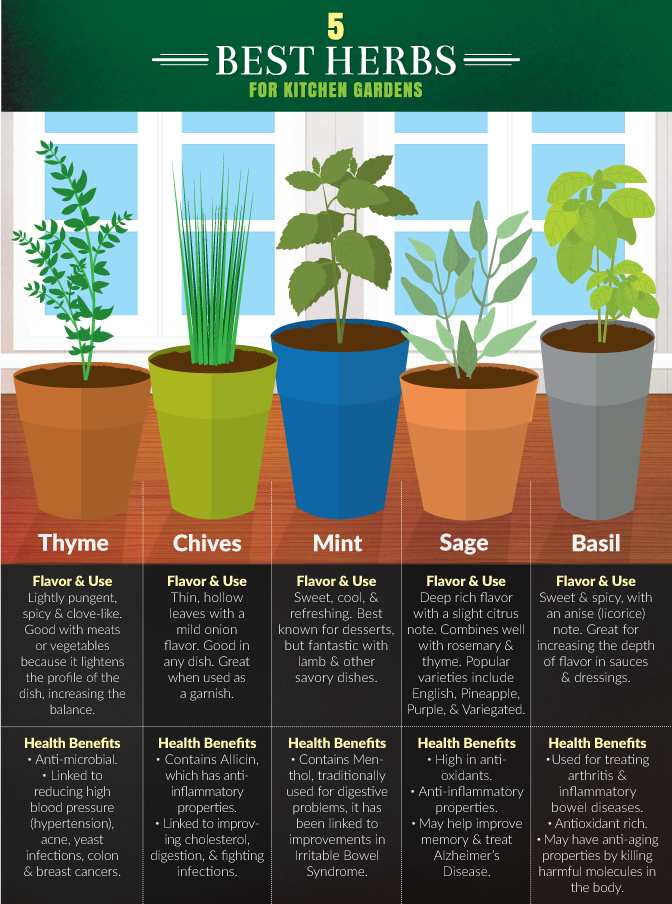
The best herbs to grow for beginners are those that are easy to care for, resilient, and versatile in use. Here are some top choices that will not only enhance your garden but also add flavor and nutrition to your meals.
1. Basil
Basil is a popular herb that is favored by many for its aromatic leaves and culinary versatility. It thrives in warm weather and needs plenty of sunlight. Growing basil is relatively easy, making it an ideal choice for beginners.
- Plant in well-drained soil with plenty of sunlight.
- Water regularly but avoid overwatering to prevent root rot.
- Pinch off leaves regularly to encourage bushier growth.
2. Mint
Mint is another fantastic option for novice gardeners. This perennial herb grows vigorously and requires minimal care, making it very forgiving for those just starting out. Its refreshing flavor can enhance teas, desserts, and savory dishes.
- Grow mint in pots to control its spreading tendency.
- Keep the soil moist but well-drained; avoid letting it dry out.
- Trim regularly to prevent it from becoming too leggy.
3. Chives
Chives are among the easiest herbs to cultivate and are perfect for adding a mild onion flavor to various dishes. This hardy herb can be grown indoors or outdoors and requires very little maintenance.
- Plant chives in a sunny spot with well-draining soil.
- Water them when the soil feels dry to the touch.
- Harvest regularly to encourage new growth and prevent flowering.
4. Parsley
Parsley is a versatile herb that can be used fresh or dried in numerous recipes. It is also quite tolerant of different growing conditions, making it suitable for beginners.
- Choose a location with partial sunlight and rich, loamy soil.
- Water consistently but avoid waterlogged conditions.
- Harvest outer leaves first to stimulate new growth from the center.
5. Thyme
Thyme is a drought-resistant herb that requires minimal water and care, making it an excellent choice for novice herb gardeners. It thrives in well-drained soil and can be used in various cuisines.
- Plant in a sunny area with sandy soil for good drainage.
- Water sparingly; allow the soil to dry out between waterings.
- Prune regularly to keep the plant healthy and bushy.
What herbs cannot be planted next to each other?
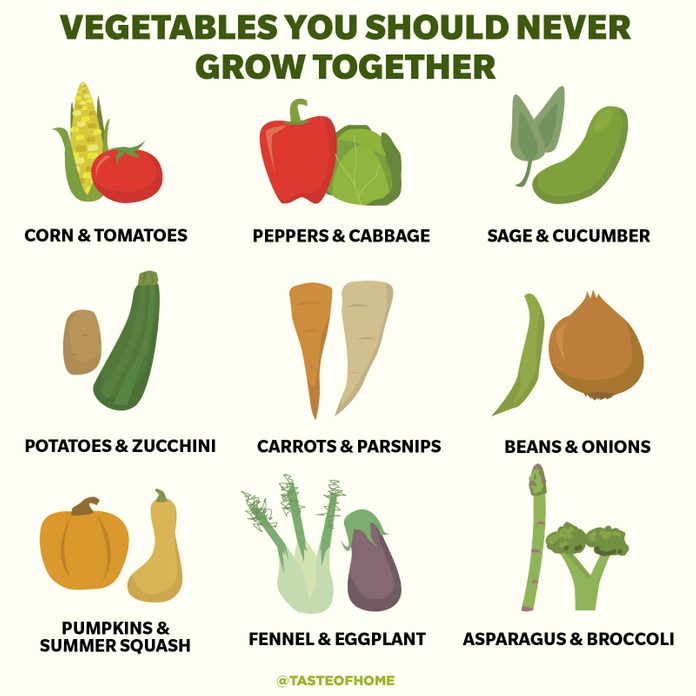
When planning a herb garden, it's crucial to consider which herbs are compatible, as certain combinations can hinder growth, flavor, and health. Some herbs release chemicals that may negatively affect their neighbors, while others compete for nutrients or attract pests. Here’s a guide to some herbs that should not be planted next to each other.
Conflicting Aromatics
Certain aromatic herbs should be kept apart due to their strong scents and distinct growing needs. For example, basil and rosemary can inhibit each other's growth. Their different water and sunlight requirements can lead to poor performance if grown together.
- Basil thrives in warm, moist conditions, while rosemary prefers drier, well-drained soil.
- Planting these two together may expose either herb to conditions detrimental to their health.
- It's best to plant them separately to ensure optimal growth and flavor.
Pest Attraction
Some herbs are known to attract pests that can harm their garden companions. For example, planting mint near other herbs can lead to an influx of pests that are drawn to its strong aroma.
- Mint can become invasive if not contained and may choke other herbs.
- Pests attracted to mint can also spread to nearby herbs, causing infestations.
- Keeping mint isolated or in a pot away from other herbs helps prevent these issues.
Competing Nutrients
Herbs can also compete for nutrients in the soil, and this can stunt the growth of both plants. Cilantro shouldn’t be planted alongside parsley, as they have similar nutrient needs and can deplete the soil of vital elements.
See also:
- Both herbs thrive under similar conditions, leading to intense competition.
- Planting them apart ensures that each can access the nutrients they require.
- This promotes healthier plants and better yields.
Allelopathic Interactions
Certain herbs exhibit allelopathy, where one plant releases biochemicals that affect the growth of another. Sage and chamomile are two herbs that should not be planted close to each other for this reason.
- Sage can release substances that inhibit the germination and growth of chamomile.
- This interaction can lead to poor development and taste in herbs that are planted together.
- Keeping these herbs apart will ensure robust growth.
Size and Space Requirements
Many herbs have varying growth habits that can interfere with one another. For instance, oregano can become quite bushy and overshadow thyme, which prefers a more compact growth pattern.
- Oregano tends to spread out and can overtake smaller herbs.
- Thyme requires more sunlight, and competition can lead to stunted growth.
- Providing ample space between these two allows each to flourish without competition.
Do herbs grow better in pots or ground?

When considering whether herbs grow better in pots or in the ground, several factors come into play, including the type of herb, local climate, soil conditions, and maintenance practices. Both methods have their advantages and disadvantages, making the choice largely dependent on specific circumstances and preferences of the gardener.
Growing Conditions
Growing herbs in pots offers the advantage of controlled environmental conditions. Pots can be moved to optimize sunlight exposure and protect plants from harsh weather. Conversely, planting in the ground provides a more stable environment, with access to a larger volume of soil that can retain moisture and nutrients more effectively.
- Pots allow for easier management of sunlight and water.
- Ground soil can provide better drainage and nutrient availability.
- Microclimates can be easily created using pots to support tender herbs.
Root Development
The root system of herbs impacts their growth significantly. Pots can restrict root development due to limited space, which can hinder the plant's growth potential. In contrast, herbs grown in the ground usually develop extensive root systems that promote stability and access to more nutrients and water.
- Pots may lead to root-bound conditions if not managed correctly.
- Ground planting encourages deeper root penetration into the soil.
- Herbs with extensive roots often show healthier growth patterns.
Maintenance and Care
Herbs in pots generally require more frequent watering and feeding compared to those in the ground, which can retain moisture longer. However, pots provide better control over pests and diseases since it is easier to isolate a sick plant. Gardeners working with ground herbs need to manage weeds and soil fertility more actively.
- Pots need more regular checks for watering.
- Ground herbs often need weeding and soil amendment.
- Pest management can be simplified with container gardening.
Variety of Herbs
Some herbs thrive better in pots while others prefer a garden bed. Perennial herbs, such as rosemary and thyme, can do well in ground beds, while annual herbs like basil may be more suited for pots. The choice of herb can dictate the most appropriate planting method based on each herb's growth habits and requirements.
- Basil, cilantro, and parsley are often grown successfully in pots.
- Rosemary, sage, and thyme can benefit from ground planting.
- Herb compatibility with local environment affects growth rates.
Seasonal Considerations
The growing season can also influence whether pots or the ground are more suitable for herbs. In areas with harsh winters, pots offer the flexibility to bring tender or vulnerable herbs indoors for protection. In contrast, herbs planted in the ground may benefit from the insulation of the soil, which can maintain a more stable temperature during colder months.
- Pots can be moved indoors or to a sheltered location during winter.
- Ground plants can be more resilient to temperature fluctuations.
- Seasons dictate the nutrient needs of both planting methods.
Questions from Our Readers
What herbs are considered low maintenance to grow?
Growing low maintenance herbs like basil, chives, thyme, and mint can be an excellent choice for novice gardeners. These herbs require minimal care and are generally hardy, thriving in various conditions with little attention.
How much sunlight do low maintenance herbs need?
Most low maintenance herbs thrive in full sun, requiring at least 6 hours of sunlight daily. However, some, like mint, can tolerate partial shade, making them versatile for different garden settings.
Can I grow low maintenance herbs in containers?
Absolutely! Many low maintenance herbs can be successfully grown in containers, allowing for greater flexibility in placement. Ensure the pots have good drainage and use high-quality potting soil for best results.
Do low maintenance herbs require special soil conditions?
Typically, low maintenance herbs do well in well-drained soil with a moderate pH. Adding compost can enhance soil quality, but many will thrive in average garden soil without any special amendments.
See also:

If you want to read more articles like What Herbs Are Low Maintenance to Grow? Discover the Easiest Options for Your Garden, we recommend you check out our Herbs category.
Leave a Reply
Related Articles