What is the Best Feed for Hostas? Expert Tips to Thrive in Your Garden

Hostas are beloved for their lush foliage and versatility, making them a popular choice in gardens. However, to ensure these shade-loving perennials thrive, it's essential to provide them with the right nutrients. Choosing the best feed for hostas not only promotes vibrant leaves but also encourages robust growth and resilience against pests and diseases. In this article, we will explore expert tips on selecting the most effective fertilizers, optimal feeding schedules, and additional care practices that will help your hostas flourish in your garden. With the right approach, you can create a stunning display of these remarkable plants.
What is the Best Feed for Hostas?
To ensure healthy growth and vibrant foliage, the best feed for hostas is typically a slow-release fertilizer with a balanced ratio of essential nutrients. A formula with an NPK ratio of 10-10-10 or 20-20-20 is ideal, as it provides adequate nitrogen for leafy growth, phosphorus for root development, and potassium for overall plant vigor. Additionally, organic options such as compost or well-rotted manure can enhance soil fertility and improve water retention, creating a more hospitable environment for hostas. Feeding in early spring as the plants are breaking dormancy and again mid-growing season will help promote lush greenery and robust growth.
Nutrient Requirements for Hostas
Hostas primarily require nitrogen, phosphorus, and potassium, which are essential for their growth and development. Nitrogen is crucial for lush, green foliage, while phosphorus supports root establishment and flowering. Potassium plays a role in overall health, aiding in stress tolerance and disease resistance. Providing a well-rounded fertilizer that meets these nutrient needs will lead to thriving hostas.
Best Time to Fertilize Hostas
The best time to fertilize hostas is in early spring as they emerge from dormancy, typically between March and April. This timing aligns with their active growth phase and allows them to absorb nutrients effectively. A second application can be made in mid-summer to provide a nutrient boost during the peak growing season, ensuring the plants remain healthy and vigorous.
Organic vs. Chemical Fertilizers
Both organic and chemical fertilizers can be effective for hostas; however, organic options like compost and bone meal offer long-term soil health benefits by improving soil structure and fertility. Chemical fertilizers provide immediate nutrient availability and may promote faster growth. The choice depends on the gardener’s preference for sustainability and environmental impact.
How to Apply Fertilizer to Hostas
When applying fertilizer to hostas, it is important to follow the manufacturer's instructions for the correct dosage and method. Generally, the fertilizer should be spread evenly around the base of the plants, avoiding direct contact with the leaves to prevent burn. After application, watering the plants thoroughly will help dissolve the fertilizer, allowing nutrients to penetrate the soil and reach the root zone effectively.
Signs of Nutrient Deficiency in Hostas
Hostas may display several signs of nutrient deficiency. Yellowing leaves, particularly older ones, often indicate a lack of nitrogen, while stunted growth or poor root development may suggest insufficient phosphorus. If leaf edges turn brown or plants exhibit wilting, potassium deficiency could be the culprit. Proper fertilization helps prevent these issues and keeps hostas healthy.
| Nutrient | Role | Deficiency Symptoms |
|---|---|---|
| Nitrogen | Promotes leafy growth | Yellowing leaves |
| Phosphorus | Supports root development | Stunted growth |
| Potassium | Aids overall health | Brown leaf edges and wilting |
What is the best fertilizer to use for hostas?
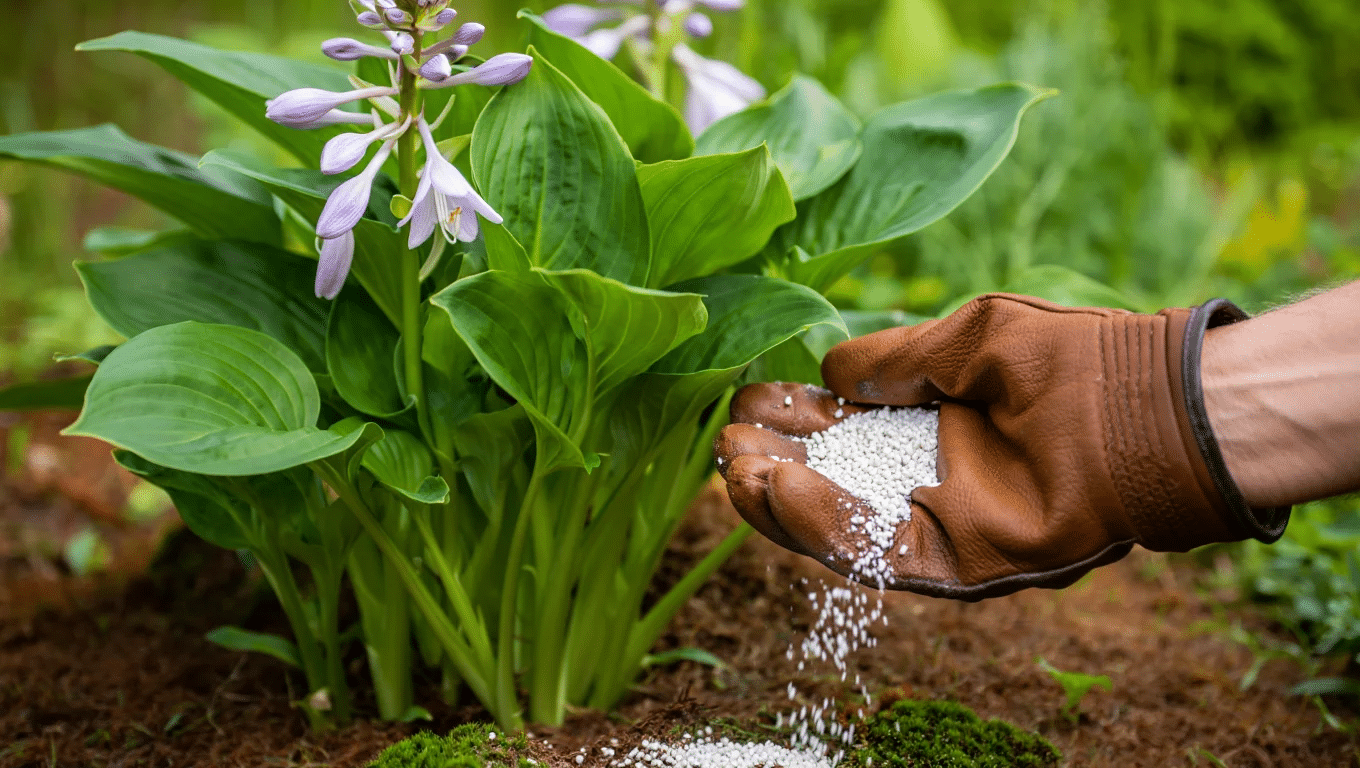

The best fertilizer for hostas is one that provides the right balance of nutrients without overwhelming the plants. Hostas thrive in rich, moist soils, and their growth can be significantly enhanced with appropriate fertilization. The ideal fertilizer for hostas typically has an N-P-K ratio (Nitrogen, Phosphorus, and Potassium) that is balanced or slightly skewed towards nitrogen to promote lush foliage growth.
Understanding Nutrient Ratios
The N-P-K ratio on fertilizer packages indicates the relative proportions of Nitrogen, Phosphorus, and Potassium. For hostas, a balanced fertilizer such as 10-10-10 or 10-20-20 can be beneficial.
- Nitrogen: Encourages healthy foliage and stem growth.
- Phosphorus: Aids in root development and flowering.
- Potassium: Enhances overall plant health and resistance to diseases.
Organic vs. Synthetic Fertilizers
Choosing between organic and synthetic fertilizers is crucial in gardening. Organic options promote soil health and microbial activity, while synthetic fertilizers often provide quick results.
- Organic Fertilizers: Examples include compost, well-rotted manure, and fish emulsion. They improve soil structure and nutrient availability long-term.
- Synthetic Fertilizers: These fast-acting options can quickly deliver nutrients but may lead to soil nutrient depletion over time if not used carefully.
- Slow-Release Fertilizers: Combining the best of both, these minimize the risk of nutrient leaching and provide a steady supply of nutrients to the hostas.
Frequency of Fertilization
Timing and frequency of fertilizer application are vital for achieving optimal results with hostas. Knowing when and how often to fertilize can greatly impact their growth.
- Spring Application: Fertilizing in early spring encourages robust growth as new leaves emerge.
- Mid-Summer Feeding: A second application of fertilizer can help sustain growth during the active growing season.
- Fall Caution: Avoid fertilizing late in the season to prevent encouraging new growth that may not survive the winter.
Watering After Fertilization
After applying fertilizer, it is crucial to water hostas thoroughly to ensure proper nutrient absorption and prevent root burn.
- Soil Moisture: Watering helps to distribute the fertilizer evenly through the root zone.
- Preventing Burn: Adequate water can dilute the concentration of nutrients, minimizing the risk of damaging the plant roots.
- Maintaining Hydration: Continue regular watering, especially during dry spells, to maximize the effectiveness of the fertilizer.
Signs of Nutritional Deficiency
Recognizing the signs that your hostas may need additional nutrients can help maintain their health and vibrancy.
- Pale Leaves: Indicate a nitrogen deficiency, often leading to stunted growth.
- Stunted Growth: Lack of nutrients can result in smaller leaves and overall poor development.
- Yellowing Leaves: Often a sign of nutrient imbalance or deficiency, which may require a soil test to determine the exact needs.
How do I make my hostas thrive?
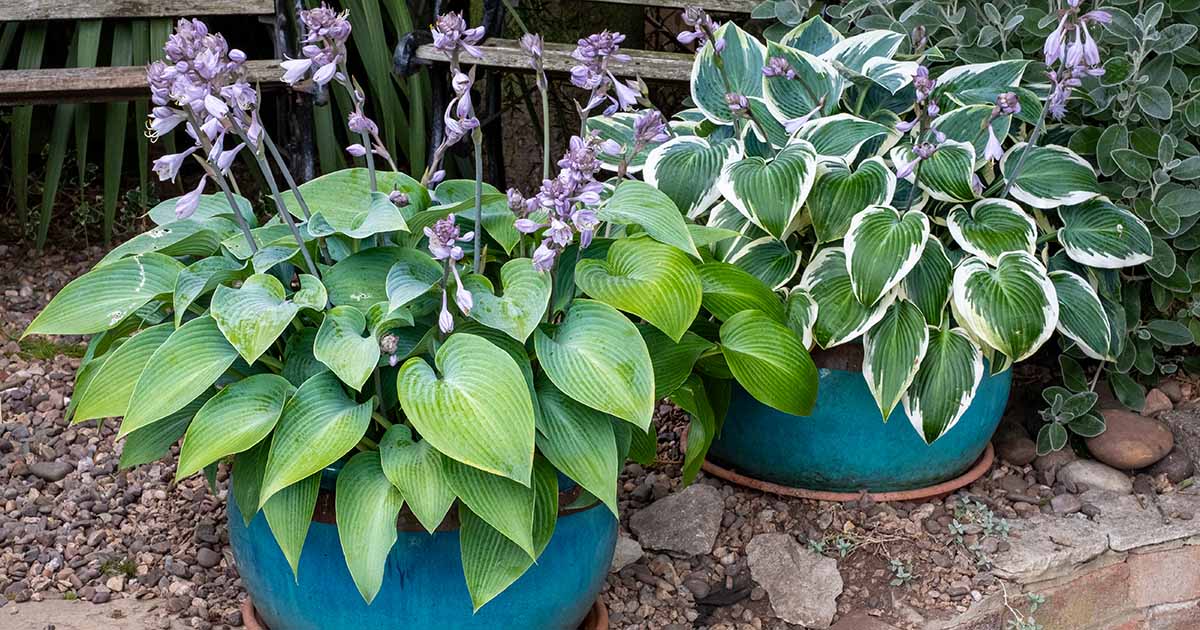
To make your hostas thrive, it is essential to understand their specific needs, including lighting, soil composition, watering, fertilization, and pest control. Hostas are known for their lush foliage and adaptability, but providing the right environment will ensure they grow strong and healthy.
See also:
Optimal Light Conditions
Hostas prefer partial shade to full shade. While some varieties can tolerate more sunlight, excessive direct sunlight can scorch their leaves.
- Identify the specific hosta variety you have, as some may tolerate more sun than others.
- Plant in locations where they will receive morning sun and afternoon shade, if possible.
- Avoid places where the sun is intense all day to prevent leaf damage.
Soil Quality and pH
Hostas thrive in well-draining soil that retains moisture but does not become soggy. The ideal soil for hostas should have a pH level around 6.0 to 7.0.
- Amend soil with organic matter, such as compost or aged manure, to improve drainage and nutrient content.
- Test the pH level of your soil using a commercial pH testing kit.
- If necessary, adjust the pH by adding lime to raise it or sulfur to lower it.
Watering Techniques
Consistent moisture is key to ensuring hostas flourish. They generally prefer moist but not waterlogged conditions.
- Water deeply at least once a week, allowing the soil to dry slightly between waterings.
- Utilize mulch around the base of the plants to retain moisture and regulate soil temperature.
- Monitor the plants during hot, dry spells and adjust your watering schedule accordingly.
Fertilization Practices
Hostas benefit from a balanced fertilization regimen during the growing season to promote healthy leaf growth.
- Use a slow-release fertilizer in early spring when new growth begins.
- Opt for a fertilizer high in nitrogen to support leaf development.
- Avoid over-fertilizing, as this can lead to weak roots and increased susceptibility to disease.
Pest and Disease Management
While hostas are generally resilient, they can be affected by pests like slugs, snails, and various diseases. Managing these threats is essential for their health.
- Regularly inspect plants for signs of pest activity, like holes in the leaves or gooey trails from slugs.
- Implement barriers such as copper tape to deter slugs and snails.
- Use organic pesticides if necessary, but target applications to minimize environmental impact.
Questions from Our Readers
What is the best type of fertilizer for hostas?
The best type of fertilizer for hostas is a slow-release, balanced fertilizer that contains equal parts of nitrogen, phosphorus, and potassium (N-P-K ratio of 10-10-10 or similar). This helps promote healthy growth and vibrant foliage, which are essential for hostas to thrive.
How often should I feed my hostas?
You should feed your hostas approximately once in early spring and again in mid-summer. This schedule ensures that the plants receive the necessary nutrients during their critical growth periods, promoting lush foliage and resilience against pests and diseases.
Can I use organic fertilizers for hostas?
Yes, you can use organic fertilizers like compost or well-rotted manure for hostas, as they provide slow-release nutrients and improve soil structure. Organic options also support beneficial microbes in the soil, contributing to the overall health of your plants.
See also:
Should I avoid certain types of fertilizers for hostas?
Yes, it's best to avoid highly concentrated chemical fertilizers that contain excessive nitrogen, as they can lead to burned roots and lush leaves that are more susceptible to pests. Instead, opt for fertilizers with a balanced nutrient profile to promote overall plant health.
https://youtube.com/watch?v=F_eoW9woDPs
If you want to read more articles like What is the Best Feed for Hostas? Expert Tips to Thrive in Your Garden, we recommend you check out our Hostas category.
Leave a Reply
Related Articles