How Do You Know If Your Hosta Is Overwatered? Signs, Symptoms, and Solutions

Hostas are beloved for their lush foliage and adaptability to various garden conditions, but they can be susceptible to overwatering. Identifying when your hosta is receiving too much water is crucial for maintaining its health and vitality. Overwatering can lead to a host of problems, including root rot, yellowing leaves, and stunted growth. In this article, we'll explore the signs and symptoms that indicate your hosta may be overwatered, as well as practical solutions to rectify the issue. By being vigilant and informed, you can ensure your hostas thrive in their environment.
How to Identify Overwatered Hostas
Recognizing whether your hosta is overwatered involves observing several key symptoms. The first noticeable sign is the presence of yellowing leaves, which may also appear wilting or droopy. Furthermore, you may notice that the soil remains damp for extended periods, indicating that the plant is not able to absorb moisture effectively. In some cases, root rot may occur, leading to a mushy texture in the roots when examined. Additionally, if you see any signs of mold or fungus on the soil surface, this could be another indicator of too much water retention. Lastly, an overall stunted growth compared to healthy hostas could point towards overwatering issues.
Signs of Yellowing Leaves
One of the most common indicators that your hosta is overwatered is the development of yellowing leaves. This yellowing typically starts at the lower leaves and can spread to the upper foliage if the issue persists. The leaves may appear limp and lack vitality, which signals that the plant cannot take up nutrients efficiently due to water saturation. If you notice these symptoms, it is crucial to assess your watering routine and allow the soil to dry out before watering again.
Soil Saturation
If the soil surrounding your hostas remains consistently wet for too long, this is a strong indication of overwatering. Healthy hostas prefer well-draining soil that allows excess water to escape, avoiding standing water. To determine if your soil is overly saturated, insert your finger into the soil approximately two inches deep; if it feels soggy, you may need to consider adjusting your watering habits. Furthermore, using pots with drainage holes can greatly improve the drainage situation for container-grown hostas.
Root Rot and Texture
Root rot is a serious consequence of overwatering that can severely harm your hosta. When roots are submerged in waterlogged soil, they can become dark and mushy, indicating decay. Healthy roots should be firm and white in color. If you pull the plant from the soil and notice a foul odor or a slimy texture, it is a sure sign of root rot. In such cases, you may need to trim away the affected roots and repot the hosta in fresh, dry soil.
Mold and Fungus Growth
Another telltale symptom of overwatering in hostas is the emergence of mold or fungus on the surface of the soil. This growth indicates that the environment is too moist, providing ideal conditions for these organisms to thrive. Mold may present as white or grey fuzzy patches, while fungus can appear in various colors and shapes. To combat this issue, ensure your hosta's soil is well-aerated and consider improving air circulation around the plant.
Stunted Growth
Stunted growth in your hosta can often be attributed to overwatering. If your plant appears smaller or less vigorous than expected, it may not be receiving the necessary oxygen for root development, which can become compromised in consistently wet conditions. Observing the growth pattern can help you identify if your watering practices are causing more harm than good. Reassessing your watering schedule and implementing proper drainage solutions are steps that can lead to healthier growth.
| Symptoms | Causes | Solutions |
|---|---|---|
| Yellowing Leaves | Excess moisture in soil | Reduce watering frequency |
| Soggy Soil | Poor drainage | Improve soil composition |
| Root Rot | Overwatering | Trim affected roots, repot |
| Mold Growth | Humidity and moisture | Increase air circulation |
| Stunted Growth | Oxygen deprivation | Check watering schedule |
How to know if hosta needs water?
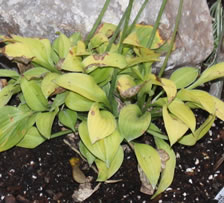

To determine whether a hosta needs water, you can rely on several indicators. Hostas are shade-loving plants that prefer consistently moist soil, but overwatering can lead to root rot. Here are some effective methods to assess the moisture level:
Check the Soil Moisture
One of the easiest ways to know if your hosta needs water is by checking the soil moisture. You can use your finger or a moisture meter for this task.
- Insert your finger about 2 inches into the soil.
- If the soil feels dry at this depth, it's time to water.
- If the soil feels moist, wait another day or two before checking again.
Observe the Leaves
The leaves of a hosta can provide visual cues about its hydration status. Healthy hosta leaves are typically thick and firm.
- Look for any signs of wilting or curling.
- Check if the leaves are turning yellow or brown, which may indicate stress.
- Evaluate the overall size; smaller leaves could mean insufficient moisture.
Monitor Weather Conditions
Understanding the weather can also help you determine the watering needs of your hosta. Weather patterns can significantly affect soil moisture.
- During hot and dry spells, hostas may require more frequent watering.
- After heavy rain, the soil may remain moist longer, reducing the need for additional water.
- Cloudy days could slow down moisture evaporation, affecting how often you need to check your hosta.
Check for Root Issues
Healthy roots are essential for a hosta to absorb water effectively. Inspecting the root system can provide insight into the plant's needs.
- Gently remove the hosta from its pot to examine the roots.
- Look for signs of rot, such as dark or mushy roots.
- Healthy roots should be white or light tan; replace any rotten roots to ensure proper water uptake.
Adjust Based on Pot Size
If your hosta is potted, the size of the pot plays a crucial role in its watering needs. Smaller pots tend to dry out faster than larger ones.
- Check the pot size—smaller pots usually need more frequent watering.
- Observe how quickly the soil dries out after watering.
- Consider repotting if the current pot size is too small and the plant is experiencing rapid moisture loss.
Should you cut off yellow leaves on hostas?
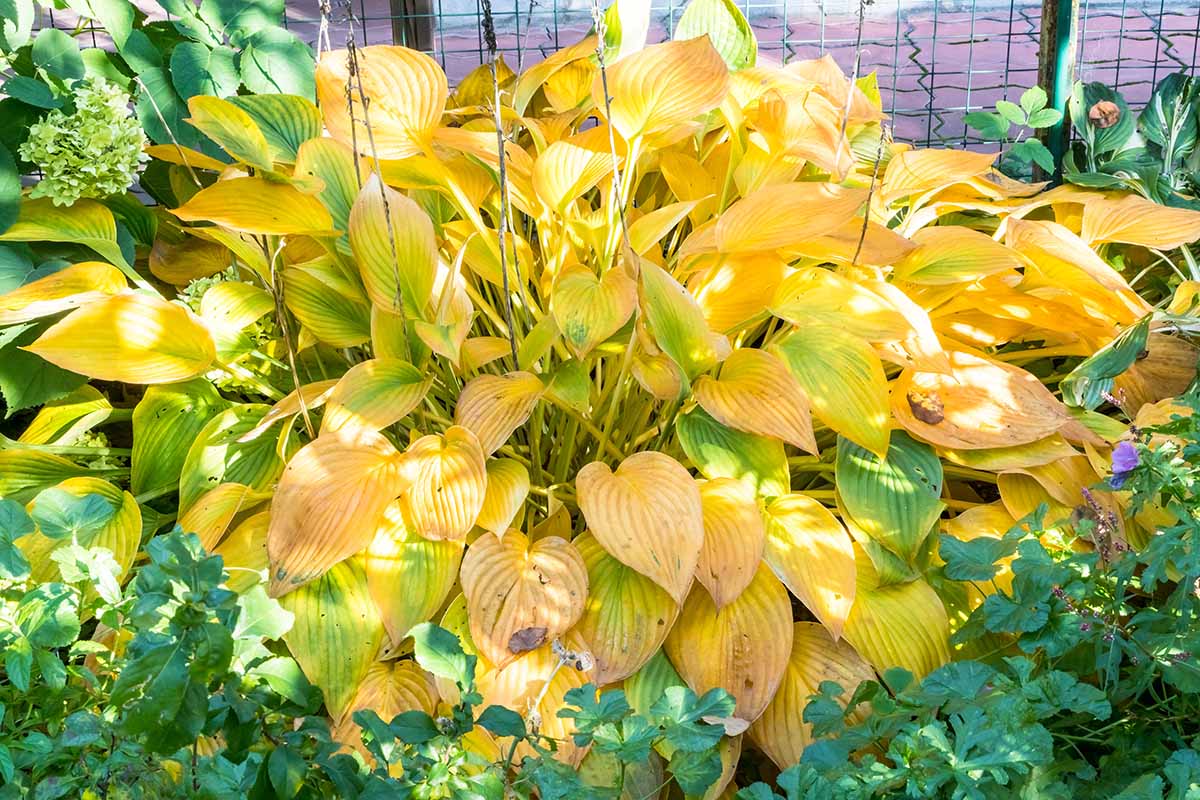
Yellow leaves on hostas, commonly known as Hosta plants, can be a source of concern for gardeners. It is natural to wonder whether cutting off these discolored leaves is beneficial for the overall health of the plant. While the decision ultimately depends on the context, there are several factors to consider before removing yellow leaves from your hostas.
See also:
Understanding the Causes of Yellow Leaves
Yellow leaves on hostas can result from various factors. Understanding these causes is crucial before deciding to cut them off.
- Environmental Stress: Hostas may become stressed due to extreme temperatures, either too hot or too cold.
- Watering Issues: Overwatering or underwatering can lead to yellowing leaves, as both can affect the root health.
- Pests and Diseases: Some pests or diseases can cause the leaves to turn yellow, indicating a problem that might need addressing.
Benefits of Removing Yellow Leaves
Cutting off yellow leaves can provide benefits that contribute positively to the hosta's growth and appearance.
- Improved Aesthetics: Removing yellow leaves can enhance the ornamental value of the plant, making it look healthier and more vibrant.
- Encouraged Growth: Trimming away unhealthy leaves can redirect energy toward new growth and healthier foliage.
- Pest Control: Yellow leaves may attract pests; removing them can help prevent infestations.
When to Cut Off Yellow Leaves
Timing is essential when deciding to cut off yellow leaves from hostas. Here are some considerations for the right time.
- Seasonal Changes: Late summer to early fall is an ideal time to prune yellow leaves as the plant prepares for dormancy.
- After Identifying Issues: If stressors have been addressed (like watering), it may be effective to prune yellow leaves afterward.
- Before Spring Growth: Cutting yellow leaves in early spring allows the plant to focus on new growth without the distraction of old, yellow foliage.
How to Properly Cut Yellow Leaves
When cutting off yellow leaves, using the right technique is important to avoid harming the plant.
- Use Clean Tools: Always use sterilized pruning shears to prevent disease transmission.
- Make Clean Cuts: Cut near the base of the leaf stem, avoiding damage to the main plant.
- Dispose of Cuttings: Properly dispose of any cut leaves to avoid attracting pests or spreading diseases.
Monitoring Your Hostas After Pruning
After cutting off yellow leaves, it is essential to continue monitoring the hostas to ensure their health.
- Check for New Growth: Monitor for signs of new, healthy leaves sprouting as a response to your pruning.
- Watch for Reoccurring Issues: Keep an eye on environmental factors and plant health to prevent future yellowing.
- Regular Maintenance: Maintain good gardening practices, including adequate watering and nutrition, to promote plant vigor.
Questions from Our Readers
How can I tell if my hosta is overwatered?
If your hosta's leaves are starting to yellow or are becoming mushy, these are strong indicators of overwatering. Additionally, if you notice root rot or a foul smell coming from the soil, it’s a clear sign that your plant is receiving too much moisture.
What are the signs of root rot in hostas?
Signs of root rot in hostas include blackened or dark brown roots, which can feel soft or slimy to the touch. If the stems or bases of the leaves also appear waterlogged or are showing signs of decay, it’s likely that you need to adjust your watering practices.
Can overwatering affect the growth of hostas?
Yes, overwatering can significantly affect the growth of hostas by causing the roots to suffocate and limiting their access to oxygen. This results in stunted growth, and if not addressed, the plant may eventually die.
See also:
What should I do if my hosta is overwatered?
If you suspect your hosta is overwatered, the first step is to reduce watering and allow the soil to dry out. You might also consider repotting the plant in fresh, well-draining soil to help it recover and prevent further root damage.

If you want to read more articles like How Do You Know If Your Hosta Is Overwatered? Signs, Symptoms, and Solutions, we recommend you check out our Hostas category.
Leave a Reply
Related Articles