What Happens If You Don't Divide Hostas? Understanding the Risks and Consequences for Your Garden

Hostas are beloved perennial plants valued for their lush foliage and ability to thrive in various garden conditions. However, neglecting to divide hostas can lead to several issues that ultimately affect the health of your garden. As these plants mature, they may become overcrowded, leading to stunted growth and diminished vigor. Additionally, failing to divide them can increase susceptibility to pests and diseases. In this article, we will explore the risks and consequences of not dividing hostas, providing insights into why regular maintenance is crucial for both the well-being of these plants and the aesthetic appeal of your garden.
What Happens If You Don't Divide Hostas?
Not dividing hostas can lead to several issues that ultimately affect their health and vitality. Over time, hostas will grow in clumps and can become overcrowded. This overcrowding can lead to competition for nutrients and water, resulting in weaker plants that may become more susceptible to diseases and pests. Additionally, an overcrowded environment can limit air circulation, increasing the risk of fungal infections. As hostas age and remain undivided, their center may start to die out, leading to an unattractive appearance with sparse foliage. Therefore, regular division is not merely a gardening chore but an essential practice for maintaining the overall health of your hostas.
Decreased Growth and Health
When hostas are not divided, their growth can significantly decline. Without the process of division, the plants compete for resources like light, water, and nutrients, leading to stunted development. As a result, hostas may produce fewer leaves and blooms, and their vibrant colors can fade. Overly compacted root systems can also cause the oxygen levels in the soil to drop, impairing the plant's overall health and vitality.
Increased Risk of Pests and Diseases
An undivided hosta can become a haven for pests and diseases. The lack of proper air circulation in a dense clump of hostas creates a favorable environment for fungal infections like powdery mildew. Furthermore, pests such as slugs and snails thrive in these overcrowded conditions, leading to increased damage to the leaves. Dividing hostas regularly helps to maintain their health by reducing the risk of infestations and infections.
Limited Aesthetics and Landscape Appeal
A well-maintained garden is visually appealing, while an overcrowded bed of hostas can detract from the overall landscape design. When hostas are not divided, they may lose their distinct shape, leading to a clumpy and unkempt appearance. This can particularly affect the curb appeal of a property, especially if hostas are a prominent feature in the garden design.
Reduced Flower Production
Hostas are not just celebrated for their foliage but also for their beautiful flowers. However, when hostas are left undivided, their flower production can significantly diminish. The energy that would normally go into flowering is redirected toward survival in a crowded environment. This means fewer blooms and a loss of the seasonal color that hostas can provide, thus affecting their ornamental value in the garden.
Difficulty in Maintenance and Care
Finally, hostas that have not been divided can create challenges when it comes to garden maintenance. As they grow larger and denser, tasks such as watering and fertilizing become more difficult. Additionally, it can be hard to pinpoint areas that require specific care, as the general health of the hostas may decline. Regular division allows for easier access and care, improving overall maintenance practices within the garden.
| Issue | Impact |
|---|---|
| Decreased Growth and Health | Stunted development and weaker plants |
| Increased Risk of Pests and Diseases | Higher susceptibility to infestations and infections |
| Limited Aesthetics and Landscape Appeal | Unkempt appearance affecting curb appeal |
| Reduced Flower Production | Fewer blooms affecting ornamental value |
| Difficulty in Maintenance and Care | Challenges in garden upkeep and resource allocation |
What happens if you don't split your hostas?
:strip_icc()/dividing-hosta-plants-BKS033209-16-9-bb7d9518a2684d588b35c65bab05eaf2.jpg)

If you don't split your hostas, several consequences can occur that may affect the health and growth of the plants. Hostas are clump-forming perennials that thrive when given space and resources. Failing to divide them periodically can lead to overcrowding, disease susceptibility, and overall decline in their vigor.
Overcrowding Issues
When hostas are not split, they can become overcrowded over time. This lack of space leads to competition for nutrients, water, and sunlight among the plants. The following are some potential outcomes of overcrowding:
- Stunted Growth: Hostas may become smaller and less vigorous as they struggle for resources.
- Poor Flowering: Overcrowded hostas are less likely to produce flowers or may produce fewer blooms than healthy, well-spaced plants.
- Reduced Aesthetic Appeal: Dense clumps of plants can appear unsightly and may detract from the garden's overall layout.
Increased Disease Risk
Failing to divide hostas can also increase their susceptibility to various diseases and pests. The conditions created by overcrowding can lead to the following problems:
- Fungal Infections: Poor air circulation among the leaves can promote fungal growth, leading to diseases like crown rot and leaf spot.
- Insect Infestations: Crowded conditions may attract pests such as slugs and aphids, which thrive in dense foliage.
- Overall Plant Weakness: A combination of disease and pest infestations can weaken the plants, making them more vulnerable to environmental stress.
Loss of Varietal Characteristics
Another significant consequence of failing to split your hostas is the potential loss of varietal characteristics. Over time, particularly in hybrids, the following issues may arise:
- Reversion: Some hosta hybrids can revert to their original parental form if not divided, losing unique traits.
- Genetic Dilution: Continued growth in the same clump can dilute the specific attributes that make certain varieties desirable.
- Uniformity: Instead of a diverse and colorful garden, you may end up with a uniform look that lacks interest.
Root Congestion
Without regular division, hostas can experience root congestion, which negatively impacts their growth. Root congestion can cause:
- Reduced Water Absorption: Overcrowded roots may not be able to effectively absorb water, leading to dryness and stress.
- Nutrient Competition: Roots competing for the same nutrients can lead to deficiencies, causing plants to yellow or wilt.
- Increased Stress: All of these factors combined can lead to increased stress on the plant, making it more vulnerable to environmental changes.
Limited Growth Potential
Lastly, one of the most critical effects of not splitting hostas is a limited growth potential. If hostas are not divided, they may reach their maximum size without the ability to expand, resulting in:
- Stagnation: Hostas may stop growing altogether, leading to a garden that lacks visual interest and diversity.
- Shortened Lifespan: Healthy hostas can live for many years, but neglecting to split them can significantly shorten their productive lifespan.
- Missed Opportunities: Dividing hostas can create opportunities to share plants with friends or expand your garden without purchasing new ones.
What month do you divide hostas?
To effectively divide hostas, the ideal month is typically late summer to early fall, specifically from August to September. During this time, the plants are in a stage of growth where they can recover well from division. It's essential to focus on these months for the best outcomes, as dividing hostas too late in the fall can stress the plants before winter sets in.
See also:
Why Divide Hostas?
Dividing hostas offers several benefits that are crucial for the health and aesthetics of your garden. Here are a few key reasons:
- Promotes Health: Dividing hostas helps reduce overcrowding and allows for better air circulation, which can prevent diseases.
- Encourages Growth: By dividing the roots, you stimulate new growth and enhance the vigor of the plants.
- Propagation: It's an effective method to propagate more plants for your garden or to share with friends.
How to Prepare for Dividing Hostas
Preparation is vital for a successful division of hostas. Follow these steps to ensure you're ready:
- Choose the Right Tools: Gather a sharp spade, garden fork, and gloves to make the process smoother.
- Evaluate Your Plants: Look for mature clumps that have become too dense, indicating it’s time to divide.
- Clear the Area: Ensure the surrounding soil is clear of debris to avoid damage while digging.
Steps for Dividing Hostas
Dividing hostas requires specific steps to maximize their survival and health. Here’s a breakdown of the process:
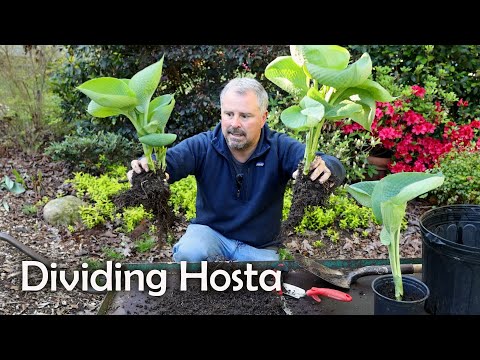
- Dig Up the Plants: Carefully dig around the clump of leaves, ensuring to lift the entire root system.
- Separate the Clumps: Use your hands or a spade to gently pull apart the clumps, making sure each section has roots.
- Replant Immediately: Place the divisions in their new locations or pots right away to minimize stress on the plants.
Post-Division Care for Hostas
After dividing and replanting your hostas, providing the right care is essential for their recovery. Consider these pointers:
- Water Generously: Ensure the newly divided hostas are well-watered to help establish them in their new spot.
- Mulch Around the Plants: Applying mulch will help retain moisture and regulate soil temperature.
- Monitor for Pests: Keep an eye on your plants for any signs of pests or disease that may arise post-division.
Common Mistakes to Avoid When Dividing Hostas
Making mistakes during the division process can undermine your efforts. Here are common pitfalls to watch out for:
- Dividing at the Wrong Time: Avoid dividing too early in the spring or too late in the fall to ensure the health of your plants.
- Not Watering Adequately: Neglecting to water the hostas after division can lead to stress and poor growth.
- Overcrowding New Plantings: Ensure there’s enough space between each division to allow for proper growth.
Questions from Our Readers
What happens to hostas if you don't divide them?
If you don't divide hostas, they may become overcrowded over time, leading to decreased health and vigor. The plants compete for nutrients, water, and light, which can result in smaller leaves and reduced flowering.
How often should hostas be divided?
Typically, hostas should be divided every 3 to 5 years to maintain their health and promote good growth. Dividing them at this interval ensures they have enough space and resources to thrive.
What are the signs that hostas need to be divided?
Signs that your hostas need to be divided include a decline in growth, fewer flowers, and a general thinning of the plant. If the center of the clump looks bare while the outer edges are lush, it's time to consider dividing.
See also:
Can hostas survive without division?
Yes, hostas can survive without division for several years, but they will not reach their full potential. Without regular division, you may notice a decrease in the plant's overall health and aesthetic appeal.
If you want to read more articles like What Happens If You Don't Divide Hostas? Understanding the Risks and Consequences for Your Garden, we recommend you check out our Hostas category.
Leave a Reply
Related Articles