Can You Plant Hostas Close to Your House? Tips for Ideal Landscaping

When considering landscaping around your home, hostas can be an appealing choice due to their lush foliage and variety of colors. However, the question of whether to plant them close to your house requires careful thought. Hostas thrive in shady areas and can enhance the aesthetics of your garden, but their placement can impact both their growth and your home’s exterior. In this article, we’ll explore the benefits and drawbacks of planting hostas near your house, along with essential tips to create a stunning and functional landscape that accommodates these beautiful plants while protecting your home’s foundation.
Can You Plant Hostas Close to Your House?
Yes, you can plant hostas close to your house, and in fact, they can thrive in such conditions when proper precautions are taken. Hostas are shade-loving perennials that can add beauty and texture to your garden, making them ideal for planting near foundations, patios, or under trees. When planting hostas near your house, ensure they have enough space for their roots to grow and spread without being obstructed by the foundation. It's also essential to consider their water and light requirements, as planting too close may lead to insufficient drainage or sunlight, which can affect their health. Additionally, planting hostas near your home can create a cohesive look by blending your garden with the house's architecture.
Benefits of Planting Hostas Near Your Home
Planting hostas close to your home offers several benefits. They can enhance the aesthetic appeal of your property with their lush foliage and attractive flowers. Their ability to thrive in shade and adapt to various soil types make them perfect for areas around your house that get limited sunlight. Furthermore, hostas can provide a sense of privacy and separation from neighbors when used strategically around patios and decks. They also help in improving the garden's microclimate by maintaining soil moisture and humidity levels.
Soil Requirements for Hostas
Hostas prefer well-drained, rich soil with ample organic matter. When planting them close to your house, make sure the soil has good drainage to prevent waterlogging, which can lead to root rot. Incorporating compost or well-rotted manure can significantly enhance soil texture and nutrient levels. Sandy loam to clay loam soils are often best suited for hostas, as they can hold moisture while still allowing excess water to drainaway. Testing the soil pH is also advisable, as hostas thrive in a slightly acidic to neutral range (6.0 to 7.0).
Sunlight and Watering Needs
Hostas are versatile when it comes to light conditions, although they predominantly thrive in shaded areas. Ideally, they should receive filtered sunlight or dappled shade, especially during the hottest parts of the day. When planting close to your house, consider sun exposure throughout the day. Additionally, proper watering is crucial; hostas should be watered consistently, especially during dry spells, to maintain soil moisture. However, avoid over-watering, as this can lead to root issues.
Spacing Considerations
Proper spacing is essential when planting hostas near your house. While hostas can tolerate some crowding, providing adequate space allows them to grow to their full potential without competing for resources. A general guideline is to space them at least 1-3 feet apart, depending on the specific variety and their mature size. This spacing helps ensure that each plant receives enough light, nutrients, and air circulation, reducing the risk of disease or pest infestations.
Potential Pests and Issues
When planting hostas close to your home, be aware of potential pests and issues that could affect their growth. Common pests include slugs, snails, and aphids, which can damage the leaves and flowers. Keeping the area clean and free of debris can help minimize pest problems. Additionally, be cautious of mildew and other fungal diseases that thrive in shaded, humid conditions. Regular monitoring and appropriate planting practices can help mitigate these issues.
| Aspect | Details |
|---|---|
| Light Conditions | Prefers shade or partial shade |
| Soil Type | Well-drained, rich in organic matter |
| Water Requirements | Consistent moisture, avoid waterlogging |
| Spacing | 1-3 feet apart depending on variety |
| Pests | Common pests include slugs and snails |
Can you plant hostas close to a house?
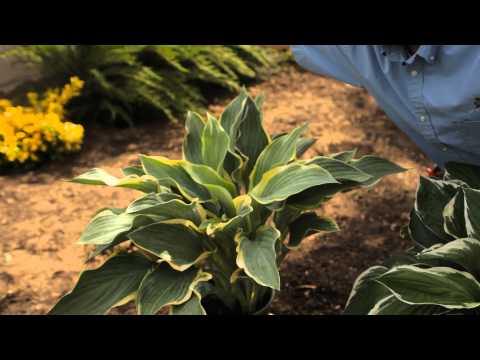
:max_bytes(150000):strip_icc()/hosta-garden-design-ideas-5217830-hero-0b5a533b32504ffabb72fcf62e0038d5.jpg)

Yes, you can plant hostas close to a house, and doing so can provide several benefits. Hostas are shade-loving perennials that thrive in areas with limited sunlight, making them ideal for planting near the foundation of a home, especially if the house casts a significant amount of shade. However, there are some important considerations to take into account to ensure their successful growth and maintenance.
Benefits of Planting Hostas Near a House
Planting hostas close to your home can enhance its aesthetic appeal and provide various benefits:
- Visual appeal: Hostas come in various colors and textures, adding beauty to the landscape.
- Foundation protection: Planting hostas can help to prevent soil erosion around the foundation.
- Shelter for wildlife: They can provide habitat for beneficial insects and other wildlife.
Considerations for Sunlight and Water
When planting hostas, it is crucial to assess the sunlight and water availability.
- Shade requirements: Hostas prefer partial to full shade; too much sun can scorch their leaves.
- Watering needs: Ensure the soil is well-drained; hostas require consistent moisture but not soggy conditions.
- Placement: Ideal locations are north or east-facing walls where they receive morning sunlight.
Soil Considerations for Hostas
The type of soil in which hostas are planted significantly affects their health.
- Well-draining soil: Hostas prefer loamy, rich soils that retain moisture without becoming waterlogged.
- Soil pH: A slightly acidic to neutral pH (around 6.0 to 7.0) is ideal for hosta growth.
- Amendments: Add organic matter, like compost, to improve soil structure and fertility.
Maintenance Tips for Hostas in Close Proximity to a House
Regular maintenance is necessary for healthy hostas, especially when planted near a house.
- Fertilization: Use a balanced fertilizer in early spring to promote growth.
- Watering schedule: Ensure consistent watering during dry spells, particularly for young plants.
- Pruning: Remove dead or damaged leaves to enhance aesthetics and health.
Pest and Disease Management
Hostas can be susceptible to certain pests and diseases, so monitoring is vital.
- Common pests: Watch out for slugs and snails; they can cause significant damage.
- Fungal issues: Ensure good air circulation to prevent fungal diseases like crown rot.
- Preventive measures: Use barriers, traps, or organic pesticides to manage pests effectively.
Do hostas have invasive roots?

Hostas are a popular choice for gardeners due to their attractive foliage and shade tolerance. When it comes to their root systems, it's essential to understand whether they are invasive or not. Hosta roots are not considered invasive in the same way many other plants are, such as bamboo or certain ornamental grasses. However, they can spread and become dense over time, requiring some management to maintain their health and neighborly relationships with other plants.
See also:
The roots of hostas are typically shallow, but they can extend wider than the plant's foliage. Here are some key points to consider regarding hostas and their roots:
- Shallow Root System: Hostas usually have a root system that extends horizontally rather than deep into the ground.
- Ability to Spread: While not invasive, hostas can spread through rhizomes, which may result in a thicker clump over the years.
- Management of Growth: Gardeners often divide hostas every few years to control their size and encourage healthy growth.
What Are the Characteristics of Hosta Roots?
Hosta roots are characterized by their shallow depth and extensive width. The root system consists of fibrous roots that help absorb nutrients and water efficiently. This type of root structure allows hostas to thrive in their preferred environments, typically in shady or partially shaded areas. As they grow, hostas can develop a network of rhizomes that may spread out and create a dense mass of foliage.
- Fibrous Roots: Essential for nutrient and water uptake.
- Rhizome Growth: Horizontal growth that supports clumping.
- Adaptability: Thrives in various soil types, given adequate moisture.
Do Hostas Compete with Other Plants?
Hostas can potentially compete with nearby plants due to their ability to spread and form large clumps. While they are not categorized as invasive, they can take over space in a garden, shading out smaller plants. This competition primarily occurs because hostas grow in areas that are not excessively dry and do well in shaded locations, sometimes leading to competition for resources.
- Space Requirements: Hostas need sufficient room to grow without crowding other plants.
- Light Competition: Can overshadow smaller plants due to their tall leaves.
- Nutrient Sharing: Compete for soil nutrients, especially in densely planted areas.
How to Manage Hostas in a Garden?
Management of hostas is crucial to maintaining an attractive garden space and ensuring other plants have enough room to flourish. Regular thinning and dividing of plants can help control their spread. This can be done in the spring or fall when the plants are not actively growing.
- Regular Division: Every 3-5 years, dig up and split the plant to prevent overcrowding.
- Placement: Ensure they are planted at a suitable distance from other plants.
- Mulching: Use mulch to help manage soil moisture while suppressing weed growth.
Are Hostas Suitable for All Garden Types?
Hostas are versatile and can adapt to various garden styles, particularly shady or woodland gardens. However, their tendency to spread means that they may not be the best fit for all plant combinations, especially where space is limited.
- Shade Gardens: Ideal for areas with dappled light or full shade.
- Mixed Borders: Require careful planning to ensure they do not overshadow smaller plants.
- Water Requirements: Need consistent moisture, making them suitable for moist garden areas.
Impact of Soil Conditions on Hosta Roots
The soil conditions can significantly impact the growth and behavior of hosta roots. Well-drained, rich soil helps promote healthy root establishment and growth. In contrast, poor drainage can lead to root rot and hinder the plant's overall health.
- Well-Drained Soil: Essential for preventing root rot and encouraging vigorous growth.
- Organic Matter: Adding compost can improve soil quality, benefiting root health.
- pH Levels: Hostas prefer slightly acidic to neutral soil for optimal growth.
Questions from Our Readers
Can you plant hostas close to your house?
Yes, you can plant hostas close to your house. These perennials thrive in shady areas, making them an excellent choice for planting near structures that provide shade.
What are the benefits of planting hostas near my home?
Planting hostas near your home can enhance curb appeal and provide beautiful foliage throughout the growing season. Additionally, they can help with soil erosion control and offer a natural habitat for beneficial insects.
See also:
Do hostas require special care when planted close to a house?
While hostas are relatively low-maintenance, planting them close to your house may require some attention to water drainage and ensuring they receive adequate light without being shaded by nearby structures too much.
How far should hostas be planted from the foundation?
It’s generally recommended to plant hostas at least 1 to 2 feet away from the foundation of your house to allow for sufficient airflow and to prevent potential moisture issues that can attract pests or mold.
If you want to read more articles like Can You Plant Hostas Close to Your House? Tips for Ideal Landscaping, we recommend you check out our Hostas category.
Leave a Reply
Related Articles