Can You Divide Hostas Without Digging Up the Whole Plant? Expert Tips for Successful Division

Dividing hostas can be a rewarding way to propagate these beloved perennials without the labor of digging up the entire plant. Many gardeners may wonder if it's possible to successfully divide hostas while keeping the process minimally invasive. This article explores expert tips and techniques to help you divide hostas effectively, ensuring healthy growth and avoiding stress to the plant. Whether you’re looking to expand your garden or share these resilient beauties with friends, our guide will provide you with the knowledge needed for a successful division, allowing you to enjoy your hostas even more in the seasons to come.
Can You Divide Hostas Without Digging Up the Whole Plant?
Yes, it is possible to divide hostas without completely uprooting the entire plant. This method involves carefully working around the edges of the plant to extract some sections of the rhizome without disturbing the more established areas. Using a sharp spade or garden knife, you can gently slice off a portion of the root clump while leaving the core intact. This not only preserves the health of the remaining plant but also allows for successful propagation of new clumps. Timing is crucial; the best practice is to do this in the early spring or late summer when the plant is actively growing, as the stress of division is minimized during these periods.
What Tools Are Needed for Dividing Hostas?
To effectively divide hostas without disturbing the entire plant, you'll need a few essential tools. A sharp spade or garden knife is crucial for clean cuts, as it will minimize damage to the plant's roots. Additionally, a trowel can be helpful for digging around the edges to loosen the soil and make extraction easier. You may also want to have gardening gloves on hand to protect your hands from sharp edges and soil. A bucket or container is useful for placing the new divisions temporarily until you find their new home in your garden.
When Is the Best Time to Divide Hostas?
The best time to divide hostas is in late spring or early fall. In the spring, the emergence of new growth signifies that the plant is ready to thrive after division. Late summer, specifically around August, is another ideal time because it allows the plants to establish roots before winter. Dividing during these optimal times reduces stress on the hostas and increases the chances of successful establishment for the new divisions. Avoid dividing during the heat of summer or the coldest months of winter, as these conditions can be detrimental to the plants.
How to Identify Which Parts to Divide?
When dividing a hosta, it’s important to identify healthy sections of the plant that can thrive independently. Look for clumps that have multiple crowns, which are the growth points or the parts from which leaves emerge. Ensure that the sections you choose have a good amount of roots attached to support growth. Avoid areas that appear diseased or overly congested, as they may not adapt well after being separated. Healthy divisions will typically feature fresh, green leaves and a firm root structure.
See also:
What Is the Best Way to Replant Divided Hostas?
After dividing hostas, the replanting process is straightforward but requires care. First, prepare the new planting site by ensuring good drainage and loamy soil richness. Make a hole that accommodates the root system of the divided section without crowding it. Position the crown at soil level, ensuring that the top of the roots are covered but not buried deeper. Water the new plant well to eliminate air pockets, and continue to monitor moisture levels for the first few weeks as the new plant adjusts to its surroundings. Mulching the area can help retain moisture while also suppressing weeds.
What Care is Needed After Division?
Post-division care of hostas is crucial to ensure their healthy establishment. Regular watering is essential, especially during dry spells, as the roots need time to acclimate to their new environment. Applying a light layer of mulch can help conserve moisture and keep the roots cool. It's also beneficial to avoid over-fertilizing in the immediate aftermath of division; instead, wait a few weeks before applying a balanced fertilizer to support the new growth. Monitor for pests or signs of stress, such as wilting leaves, and make adjustments to care accordingly.
| Aspect | Details |
|---|---|
| Tools Needed | Spade, garden knife, trowel, gloves, container |
| Best Time | Late spring or early fall |
| Healthy Sections | Multiple crowns with robust roots |
| Replanting Tips | Good drainage, proper crown placement, water well |
| Post-Division Care | Regular watering, light mulching, monitor for stress |
Techniques for Dividing Hostas Without Disturbing the Entire Plant
Dividing hostas without uprooting the entire plant is a technique that many gardeners find beneficial for both maintaining plant health and propagating new varieties. To achieve this, focus on carefully loosening the soil around the plant's perimeter to access the outer roots, allowing you to gently pull apart sections of the clump without damaging the core. The use of a sharp spade or a specialized garden tool can help you to create clean cuts, minimizing stress on the remaining plant. After obtaining the desired divisions, ensure they have adequate moisture before replanting or potting, as this will help them to establish roots more effectively.
Understanding the Best Time to Divide Hostas
The best time to divide hostas is typically during the spring or early fall when the plants are less stressed and actively growing. Dividing in these seasons allows the plants to recover quickly and establishes them in their new locations before winter dormancy or the hot summer months. It's essential to observe the plant's foliage; if it's thriving and healthy, it is a good candidate for division at this time.
Tools Needed for Successful Division
To successfully divide hostas, you will need a few essential tools: a sharp spade, a garden fork, and possibly a hand trowel for smaller sections. The spade is crucial for cutting cleanly into the soil and separating roots, while the garden fork assists in loosening the compacted earth around the root ball. Gloves can protect your hands during the process, and using a watering can or hose is important for ensuring that both the parent plant and the divisions receive adequate moisture after the operation.
See also:
Signs Your Hosta Needs Dividing
If your hosta is showing signs of becoming overly crowded or if the center of the plant is dying off, it may be time to divide it. Well-established clumps may also produce fewer flowers or exhibit stunted growth due to lack of resources, indicating that their overcrowded roots are competing for nutrients. Additionally, if you notice that the leaves are starting to turn yellow or the plant isn't performing as well as it used to, these are strong indicators that division could result in a healthier and more vigorous plant.
Step-by-Step Guide to Dividing Hostas
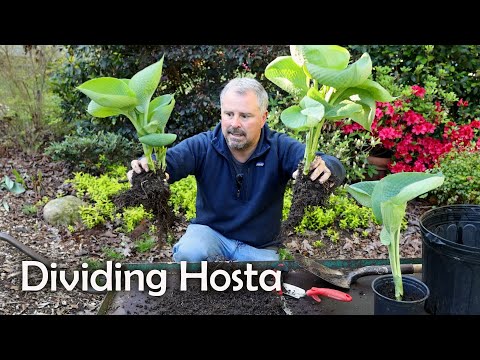
To divide hostas, start by ensuring the surrounding soil is adequately moist, as this will make the task much easier. Using your spade, carefully cut a circle around the outer edge of the hosta at a distance that encompasses the outermost roots. Then, gently lift the plant out of the ground using the garden fork, taking care not to damage the core. Once you have separated the clump, you can further divide it into smaller sections, ensuring each division has ample roots and foliage. Finally, replant them quickly to reduce stress and ensure they receive the proper care in their new spot.
Aftercare for Divided Hostas
After dividing and replanting your hostas, proper aftercare is crucial for their recovery and growth. Water the new divisions thoroughly to settle the soil around the roots and help them adapt to their new environment. It's also beneficial to apply a layer of mulch around the base to retain moisture and suppress weeds. Monitor their progress over the following weeks, ensuring they are not exposed to excessive heat or direct sunlight, which can hinder their establishment. Regular watering and periodic feeding with a balanced fertilizer can support healthy growth during this transitional phase.
Questions from Our Readers
Can you divide hostas without digging up the whole plant?
Yes, it is possible to divide hostas without completely uprooting the entire plant. You can carefully lift the surrounding soil and gently pry apart a portion of the roots, taking care not to damage the main plant. This method allows you to propagate hostas while minimizing stress on the original plant.
What is the best time to divide hostas?
The best time to divide hostas is during the early spring or late summer. This timing allows them to recover quickly from the division process, as they are either just starting to emerge from dormancy or preparing for it. Dividing at these times ensures a higher likelihood of successful re-establishment.
See also:
How often should hostas be divided?
Hostas should typically be divided every 3 to 5 years to prevent overcrowding and to promote healthy growth. Regular division helps to rejuvenate the plants and maintain their vibrancy. However, if you notice that the leaves are becoming smaller or the plant is not thriving, it may be time for a division sooner.
What tools are needed for dividing hostas?
For dividing hostas, essential tools include a sharp spade, a garden fork, and possibly a knife for cutting through roots. Using proper tools ensures that you can divide and transplant the hostas efficiently while minimizing damage to both the parent plant and the new divisions.
If you want to read more articles like Can You Divide Hostas Without Digging Up the Whole Plant? Expert Tips for Successful Division, we recommend you check out our Hostas category.
Leave a Reply
Related Articles