Do Hostas Attract Anything? Discover the Truth About These Popular Plants

Hostas are beloved perennials, known for their lush foliage and resilience in shaded gardens. While their aesthetic appeal makes them popular among gardeners, a common question arises: do hostas attract wildlife? This article aims to uncover the truth about these versatile plants and the various creatures they may draw in or deter. From the curious nibblings of local fauna to beneficial insects that thrive nearby, understanding the interactive role of hostas within garden ecosystems can enhance your gardening experience. Join us as we explore the relationships hostas foster and provide insights into their ecological impact.
Do Hostas Attract Anything?
Hostas are primarily known for their beautiful foliage and shade tolerance, but they can also attract various wildlife. These plants can draw in beneficial insects such as butterflies and bees, particularly during their blooming season when they produce flowers that offer nectar. However, hostas are also known to attract certain pests, including slugs and snails, which feed on their leaves. Gardeners often appreciate the fact that hostas can act as a natural habitat for various pollinators, contributing to a more biodiverse garden. While they do attract both beneficial and detrimental creatures, their overall impact on wildlife can be positive when managed properly.
Attraction of Pollinators
Hostas produce flowers that are particularly appealing to pollinators such as bees and butterflies. The plants typically bloom in mid to late summer, coinciding with peak activity for these insects. The nectar-rich flowers provide a food source for these beneficial species, which in turn helps in the pollination of surrounding plants. By including hostas in a garden, one can foster a more vibrant ecosystem, encouraging the presence of these essential pollinators.
Hostas and Pests
While hostas can attract beneficial insects, they are also notorious for luring in pests like slugs and snails. These soft-bodied creatures find the lush foliage of hostas extremely inviting, often resulting in significant damage if populations are allowed to grow unchecked. Gardeners need to remain vigilant in monitoring their hostas and may need to implement strategies to deter these nuisance pests, ensuring that the plants remain healthy and vibrant.
Bird Attraction
Hostas might also attract various birds, which are drawn to the insects that inhabit or feed on the plants. Birds such as finches and sparrows may visit hosta plants in search of bugs and other small creatures. This can be beneficial for gardeners looking to keep insect populations in check, as birds play a crucial role in natural pest management. Thus, the presence of hostas can support a healthy bird population within the garden ecosystem.
Hostas and Beneficial Insects
In addition to attracting pests, hostas can also serve as a refuge for beneficial insects such as ladybugs and lacewings, which help control pest populations. These insects are natural predators of aphids and other damaging bugs that might infest a garden. By providing a habitat for these beneficial species, hostas contribute to reducing the need for chemical pesticides, promoting a more organic gardening approach.
Companion Planting with Hostas
When considering hostas in the context of a garden, it's essential to recognize their potential in companion planting. By strategically placing hostas alongside other plants that attract beneficial insects, gardeners can create a balanced ecosystem. For example, pairing hostas with marigolds can help deter pests while enhancing the overall appeal of the garden. Such combinations can be advantageous for maintaining a healthy and flourishing landscape.
| Insect Type | Attraction | Effect on Hostas |
|---|---|---|
| Butterflies | Attracted to flowers | Positive (pollination) |
| Bees | Attracted to nectar | Positive (pollination) |
| Slugs | Attracted to foliage | Negative (damage) |
| Snails | Attracted to leaves | Negative (damage) |
| Ladybugs | Attracted to aphids | Positive (natural pest control) |
What are the downsides of hostas?
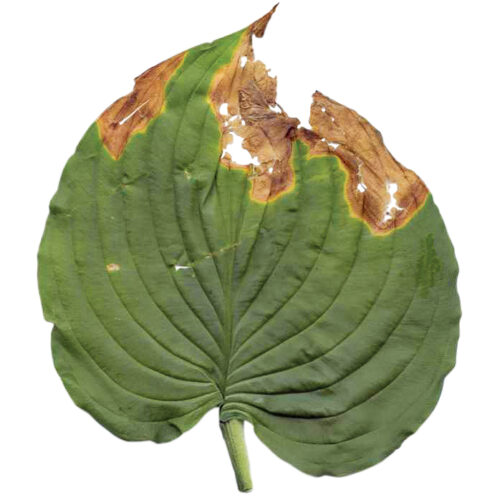
Hostas, while popular among gardeners for their ornamental foliage and ability to thrive in shady areas, come with their share of downsides. Here are some of the primary disadvantages of planting hostas.
1. Susceptibility to Pests
Hostas are known to attract a variety of pests, which can significantly impact their health and appearance. These pests can cause damage to the leaves and overall structure of the plants.
See also:
- Slugs and Snails: These common pests are notorious for feeding on hosta leaves, leaving behind unsightly holes and a slimy residue.
- Aphids: These insects can weaken hostas by sucking sap from the plants, which may lead to stunted growth.
- Spider Mites: In dry conditions, spider mites can infest hostas, causing foliage discoloration and a general decline in health.
2. Limited Flowering
While hostas do produce flowers, their flowering potential is often limited and not as striking as their foliage.
- Flower Quality: Most hosta varieties have white or lavender flowers that are not particularly showy compared to other garden plants.
- Flowering Duration: The flowering period is typically short, often lasting only a few weeks in mid-summer.
- Focus on Foliage: Many gardeners cultivate hostas primarily for their leaves, leading to little emphasis on the plant's flowers.
3. Size Limitations
Hostas can vary in size, but some of the larger varieties may become too bulky for smaller gardens.
- Space Requirements: Large hostas need sufficient space to accommodate their spread, potentially overcrowding other plants.
- Maintenance Challenges: Managing larger hostas can be physically taxing due to their size, requiring more effort for upkeep.
- Interplant Competition: The size of larger hostas can overshadow smaller plants, limiting their growth and sunlight access.
4. Seasonal Dormancy
Hostas experience a period of dormancy during the winter months, which can be a downside for gardeners who prefer year-round greenery.
- Leaf Dieback: In colder climates, hostas will die back completely, leaving bare patches in the garden during winter.
- Delayed Spring Growth: Once temperatures warm up, hostas may take longer to emerge compared to other plants, affecting spring aesthetics.
- Overwintering Concerns: Protecting hostas over winter can require additional effort, especially in colder regions where frost may damage roots.
5. Soil and Water Needs
Hostas require specific soil conditions and careful watering to thrive, making them somewhat challenging for novice gardeners.
- Moisture Requirements: Consistent moisture is essential for hostas, which can be difficult to maintain in sandy or dry soils.
- Soil Type: They prefer well-draining, rich humus soils, which may not be available in all gardening locations.
- Overwatering Risk: Conversely, hostas can suffer from root rot if they are overwatered, requiring careful monitoring of watering schedules.
What not to plant next to hostas?
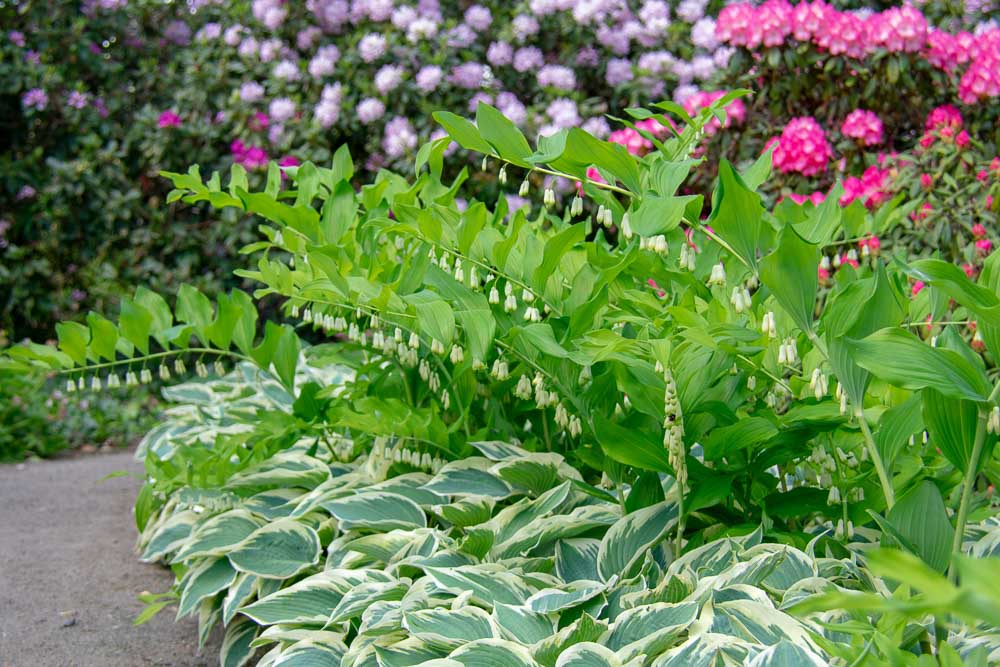
Hostas are popular shade-loving perennials, but not all plants thrive alongside them. When planning your garden, it’s crucial to understand what not to plant next to hostas to prevent competition and ensure a healthy garden ecosystem.
Competing Plants
Certain plants may compete with hostas for resources like water, light, and nutrients. It's essential to avoid planting them nearby.
- Daylilies: While beautiful, they can spread aggressively and overshadow hostas.
- Foxgloves: They may take up space and resources that hostas need to thrive.
- Periwinkle: This ground cover can smother hostas as it spreads quickly.
Invasive Species
Invasive species can outcompete hostas, making it difficult for them to flourish within your garden setting. Steering clear of these varieties is crucial.
- Bamboo: Its rapid growth and extensive root system can choke out hostas.
- Mint: Known for its sprawling nature, mint can easily overwhelm nearby plants.
- Creeping Charlie: This aggressive invader can overshadow hostas and disrupt their growth.
Plants with Similar Water Needs
Plants requiring a similar amount of water may not be the best companions for hostas, as it can lead to overwatering or drought stress for either species.
- Astilbe: While both prefer moist conditions, excessive moisture competition is detrimental.
- Ferns: They may require similar hydration, making it hard to manage water levels.
- Caladiums: Not ideal neighbors as they have similar light and moisture demands.
Sun-Loving Plants
Since hostas thrive in shady areas, planting sun-loving species nearby can cause stress as they compete for light.
See also:
- Petunias: They prefer full sun and can overshadow hostas, stunting their growth.
- Salvia: These need bright sunlight, creating a challenging environment for hostas.
- Verbena: Thriving in sunny spots, they can outshine and outgrow hostas.
Pest-Attracting Plants
Some plants can attract pests that might harm hostas. It's wise to avoid them to protect your garden.
- Aster: Attracts aphids that can create issues for hostas.
- Hyssop: While it has benefits, it can draw in unwanted insects.
- Marigolds: Although they deter some pests, they can attract others that may harm hostas.
Do hostas attract rodents?
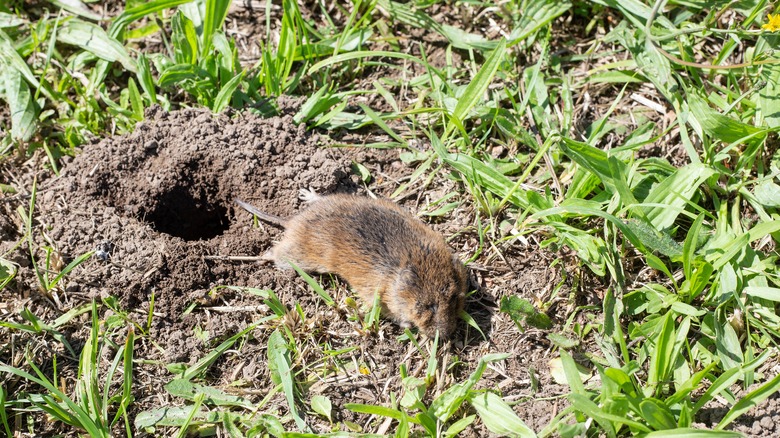
Hostas, popular garden plants known for their lush foliage and shade tolerance, can indeed attract rodents. These plants are often seen as a buffet for various small animal species, including rabbits, voles, and even deer. Rodents are primarily drawn to garden plants due to their nutritional value, making hostas an appealing option.
Factors Attracting Rodents to Hostas
Rodents are generally attracted to hostas for several reasons.
- Nutritional Value: Hostas offer a high water content and are rich in nutrients, making them an excellent food source for many rodents.
- Varietal Preferences: Some varieties of hostas are particularly sweet or tender, increasing their appeal to eating animals.
- Location and Environment: If hostas are planted in areas with cover (like mulch or nearby shrubs), they can attract rodents seeking shelter as well as food.
Common Rodents That Eat Hostas
Several rodent species can be frequent visitors to gardens with hostas.
- Rabbits: These animals love tender young hosta leaves and can quickly decimate a patch.
- Voles: Known for their burrowing habits, voles will consume hostas both above and below ground, making them particularly damaging.
- Squirrels: While they primarily eat nuts, squirrels may nibble on hosta leaves when food is scarce.
Prevention Strategies for Rodent Attraction
If you want to protect your hostas from rodent damage, consider implementing these strategies.
- Physical Barriers: Use fencing or protective netting around hostas to deter rabbits and other rodents.
- Repellents: Spraying repellents or using plants that repel rodents can help keep them at bay.
- Maintenance Practices: Keeping the area tidy by removing debris, fallen leaves, and weeds decreases hiding spots for rodents.
Signs of Rodent Activity in Hostas
Identifying rodent activity can help you address potential issues before they worsen.
- Leaf Damage: Chewed edges or missing parts of leaves can be a direct indicator of rodent munching.
- Tunnels or Burrows: Small holes near the base of your hostas can signify a rodent burrow.
- Droppings: Finding small droppings near your hostas is a sure sign that rodents are visiting.
Alternative Plants to Consider
If hostas continue to attract unwanted rodents, consider substituting them with other plant varieties.
- Lavender: Its strong scent is often a rodent deterrent and it thrives in similar conditions to hostas.
- Geraniums: Known for their aromatic leaves, geraniums can help repel pests while adding color to your garden.
- Rhubarb: This plant is less tasty to rodents and can still provide lush foliage without appealing to them.
Questions from Our Readers
Do hostas attract bees?
Hostas do not primarily attract bees because they mainly produce flower spikes that are not a significant food source for them. However, during their flowering period, some varieties may attract certain types of bees, particularly pollinators, looking for nectar.
Are hostas appealing to slugs?
Yes, hostas are highly appealing to slugs and snails, which commonly feed on their leaves. Due to their soft foliage, hostas can serve as an easy meal for these pests, making it essential for gardeners to implement control measures.
See also:
Do hostas attract deer?
Unfortunately, yes; hostas are known to be a favorite snack for deer. Their lush, tender leaves are highly sought after, so in areas with a high deer population, hostas may require protection through fencing or repellents.
Can hostas attract beneficial insects?
While hostas may not attract a wide range of beneficial insects, some beneficial predators like ladybugs may be drawn to the garden if other plants that attract them are nearby. Additionally, the overall ecosystem can benefit as hostas provide shade and habitat for various small creatures.

If you want to read more articles like Do Hostas Attract Anything? Discover the Truth About These Popular Plants, we recommend you check out our Hostas category.
Leave a Reply
Related Articles