Ultimate Guide: How to Properly Take Care of Hostas? Tips and Tricks for Healthy Plants

Hostas are beloved perennial plants, celebrated for their lush foliage and adaptability in various garden settings. However, to truly appreciate their beauty and ensure their longevity, proper care is essential. This ultimate guide explores the best practices for maintaining healthy hostas, covering everything from soil requirements and watering techniques to pest control and seasonal maintenance. Whether you are a seasoned gardener or a beginner, these tips and tricks will help you achieve vibrant, thriving hostas that enhance your outdoor space. Dive into the world of hosta care and discover how to cultivate these stunning plants with confidence!
How to Properly Take Care of Hostas?
Taking care of hostas involves a combination of proper planting, regular watering, adequate fertilization, protection from pests, and appropriate pruning. Hostas thrive in shaded to partially shaded areas, and it's crucial to plant them in well-draining soil to prevent rot. Watering should be consistent, especially during dry spells; however, overwatering can lead to root problems. Fertilization should occur once in early spring with a balanced fertilizer to promote healthy growth. Hostas are generally resilient but can be susceptible to pests like slugs; using organic methods to deter these pests is recommended. Lastly, dead leaves should be cut back in the fall to maintain the plant’s health for the following growing season.
Optimal Planting Conditions
To ensure the health of your hostas, select a location that offers partial shade to full shade, as excessive sunlight can scorch their leaves. The soil should be rich in organic matter and well-draining. Before planting, amend the soil with compost or peat moss to enhance its nutrient content. This promotes a healthy root system and allows the hostas to thrive. It’s also best to plant them in the spring or fall when temperatures are milder.
Watering Requirements
Hostas require consistent moisture to thrive; however, it's critical to avoid waterlogging. Water them deeply at least once a week, particularly during hot and dry spells. The best time to water is in the early morning, which allows the foliage to dry out during the day, reducing the risk of fungal diseases. During periods of excessive rain, ensure that the soil remains well-draining to prevent root rot.
Fertilization Tips
Fertilizing your hostas is important for robust growth. Apply a balanced, slow-release fertilizer in early spring as the plants emerge from dormancy. Look for fertilizers high in nitrogen to promote leaf growth, and consider adding organic options such as worm castings or fish emulsion for additional nutrients. Avoid fertilizing late in the growing season to prevent tender new growth that can be damaged by frost.
Pest Management
While hostas are generally hardy, they can be targeted by pests such as slugs and snails. Implementing a barrier method, like copper tape or crushed eggshells, can help deter these pests. You can also apply organic slug bait to control populations without harming beneficial insects. Monitoring your plants regularly will help you catch any infestations early and take appropriate action.
Pruning and Maintenance
Regular pruning is essential for the upkeep of your hostas. Remove any dead or damaged leaves in early spring to encourage new growth and maintain the plant's aesthetic appeal. In the fall, cut back the foliage to ground level to prevent disease. However, it's advisable to leave some leaf litter in the winter to protect the roots from extreme cold. Regular maintenance will ensure that your hostas remain healthy and vibrant throughout the growing season.
| Care Aspect | Recommendation |
|---|---|
| Planting | Partial shade with rich, well-draining soil |
| Watering | Deep watering once a week; avoid waterlogged soil |
| Fertilization | Use balanced fertilizer in early spring |
| Pest Management | Use barriers and organic slug control measures |
| Pruning | Cut back dead leaves in early spring and fall |
How do I keep my hostas looking good?
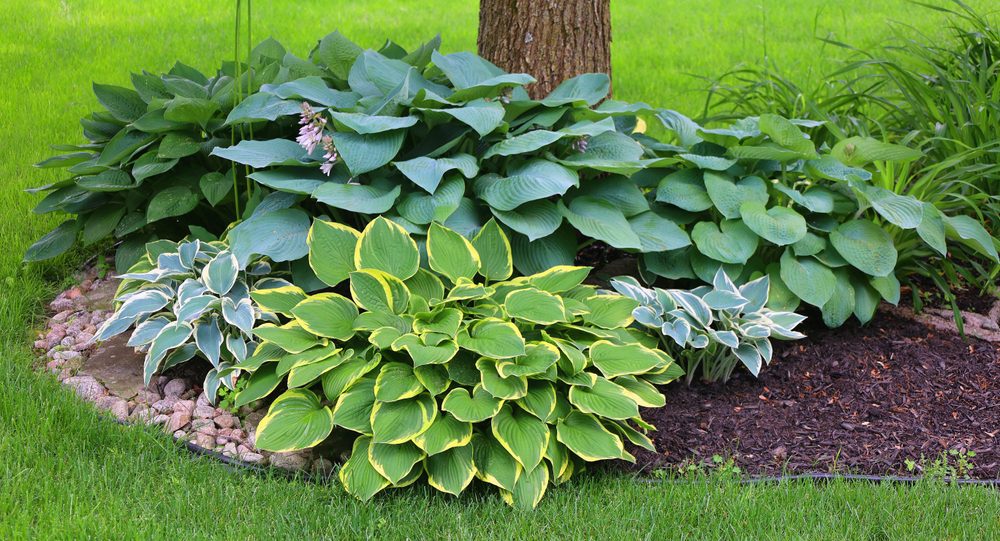
To keep your hostas looking good, it is essential to provide them with the right care and environment. Hostas are known for their lush foliage and vibrant colors, but they can be susceptible to various issues if not properly maintained. Below are some critical aspects to consider when caring for your hostas.
Watering Recommendations
Proper watering is crucial for maintaining the health of your hostas. They prefer consistently moist soil, but not soggy conditions. Here are some tips for effective watering:
See also:
- Water deeply and infrequently, ensuring moisture reaches the root zone.
- Avoid overhead watering to minimize the risk of fungal diseases.
- Consider using a soaker hose or drip irrigation system for efficient watering.
Soil Care
The right soil type can significantly impact the vigor of your hostas. They thrive in well-draining soils enriched with organic matter. To improve soil conditions:
- Incorporate compost or well-rotted manure into the planting area.
- Test the soil pH; hostas prefer slightly acidic to neutral conditions (pH 6.0 to 7.5).
- Ensure proper drainage to prevent root rot, especially during heavy rains.
Fertilization Tips
Fertilizing hostas can help enhance their growth and foliage color. Here’s how to do it effectively:
- Use a balanced, slow-release fertilizer in the spring as new growth begins.
- Follow the application rates on the fertilizer label to avoid over-fertilizing.
- A second application may be beneficial in mid-summer for added nutrients.
Pest and Disease Management
Hostas can be susceptible to several pests and diseases, so monitoring for issues is essential. Consider these management strategies:
- Regularly check for slugs and snails, as they are notorious for damage; use traps or barriers to control them.
- Keep an eye out for common diseases like powdery mildew; ensure good air circulation around the plants.
- Remove any damaged or diseased leaves promptly to prevent further spread.
Seasonal Maintenance
Seasonal care is vital for ensuring robust growth and appearance of hostas. Key practices include:
- In the fall, cut back the leaves to ground level after they have died back to prevent winter damage.
- Apply a layer of mulch to protect the roots during harsh winters and to suppress weeds.
- In spring, divide and transplant overgrown hostas to promote healthier growth and rejuvenation.
How do you keep hostas happy?

To keep hostas happy, it's essential to provide them with the right growing conditions as they are known for their lush foliage and adaptability. Here are several key aspects to ensure your hostas thrive.
Soil Requirements
Hostas prefer rich, well-draining soil that retains some moisture. It's vital to amend the soil properly to create an ideal environment for their root systems.
- Organic Matter: Incorporate compost or well-rotted manure into the soil to improve its nutrient content.
- pH Level: Test the soil pH, aiming for slightly acidic to neutral (around 6.0 to 7.0) for optimal growth.
- Drainage: Ensure the soil is well-draining to prevent root rot, which can be detrimental to hostas.
Light Conditions
Hostas thrive in a range of light conditions but generally prefer partial shade to full shade. Too much direct sunlight can scorch their leaves.
- Filtered Sunlight: Aim for dappled light or filtered sun in the afternoon to protect the foliage.
- Shade Tolerance: Hostas can tolerate deep shade but may produce fewer flowers and smaller leaves.
- Avoid Full Sun: Long exposure to full sun can lead to leaf burn and affect the overall health of the plant.
Watering Practices
Proper watering is crucial to keep hostas healthy. They require consistent moisture, especially during dry spells.
- Consistency: Water your hostas regularly, ensuring the soil remains consistently moist but not soggy.
- Mulching: Apply a layer of organic mulch to help retain moisture and suppress weeds.
- Drought Sensitivity: Be vigilant during hot weather, as hostas can wilt quickly if not given adequate water.
Fertilization
Feeding hostas with the right nutrients supports their growth and enhances their vibrancy.
See also:
- Balanced Fertilizer: Use a balanced, slow-release fertilizer in early spring to kickstart their growth.
- Organic Options: Consider organic fertilizers like fish emulsion or bone meal for sustained nutrient release.
- Frequency: Fertilize once in spring and possibly again in mid-summer for optimal results.
Pest and Disease Management
Monitoring for pests and diseases is essential to keep hostas in top shape. Common issues include slugs and fungal infections.
- Slug Control: Implement barriers or use slug bait as these pests can severely damage hosta leaves.
- Fungal Diseases: Ensure good air circulation around the plants to reduce the risk of diseases like leaf spot.
- Regular Inspection: Check your plants frequently for signs of distress or infestations to address issues early.
How do I keep my hostas healthy?
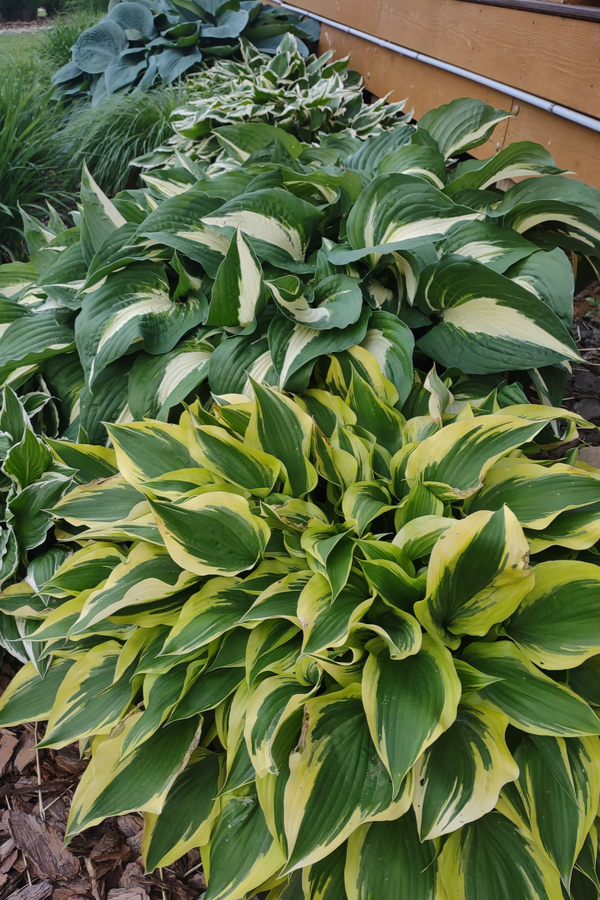
To keep your hostas healthy, it's essential to provide them with the right environmental conditions, proper care, and a little attention to their potential problems. Here are some key aspects to consider for maintaining the health of your hostas.
Soil Requirements
Hostas thrive in rich, well-draining soil that retains moisture yet allows excess water to escape. The ideal pH for hostas ranges from 6.0 to 7.5.
- Mix organic matter such as compost into the soil prior to planting.
- Ensure the soil has good drainage by adding perlite or sand if necessary.
- Regularly test the soil to maintain the appropriate pH and nutrient levels.
Watering Practices
Consistent and appropriate watering is crucial for hostas, especially during dry spells.
- Water your hostas deeply to encourage strong root growth.
- Aim for approximately 1 inch of water per week, including rain.
- Avoid watering in the evening to prevent fungal growth; instead, water in the morning.
Fertilizing Techniques
Providing the right nutrients through fertilization will help your hostas flourish.
- Use a balanced, slow-release fertilizer formulated for perennials in early spring.
- Avoid over-fertilizing; too much nitrogen can cause weak, floppy growth.
- Consider side-dressing with compost or organic mulch to enrich the soil.
Sunlight and Shade Conditions
Hostas generally prefer shade but can tolerate varying light conditions.
- Plant hostas in partial to full shade to protect the leaves from scorching.
- Some varieties can tolerate morning sun; however, afternoon sun should be avoided.
- Observe your hostas for stress signs, such as burnt edges, indicating they need more shade.
Pest and Disease Management
Keeping an eye on potential pests and diseases is vital for the longevity of your hostas.
- Regularly check for signs of slugs, which are common pests that can damage foliage.
- Utilize organic repellents or barriers to protect your plants from pests.
- Maintain air circulation around the hostas to prevent fungal issues such as leaf spot.
Questions from Our Readers
What type of soil is best for hostas?
Hostas thrive in well-draining, rich soil that is high in organic matter. A mix of loam and compost works well, as it helps retain moisture while allowing excess water to drain away. Ensuring the soil is adequately prepared will greatly enhance the growth and health of your hostas.
How much sunlight do hostas need?
Hostas prefer partial to full shade, although some varieties can tolerate more sunlight. Ideally, they should receive about 3 to 6 hours of filtered sunlight each day. Too much direct sunlight can scorch the leaves, so it's essential to find the right balance based on the specific type of hosta.
See also:
How often should I water my hostas?
Hostas need consistent moisture but should not be overwatered. It's important to water them deeply once a week, adjusting the frequency during hotter months. The goal is to keep the soil evenly moist while allowing it to dry out slightly between waterings.
When is the best time to fertilize hostas?
The best time to fertilize hostas is in the spring when new growth begins to emerge. A slow-release, balanced fertilizer is ideal, helping to promote lush foliage and vibrant growth throughout the growing season. Avoid fertilizing late in the fall, as this can encourage tender growth that may not survive winter.

If you want to read more articles like Ultimate Guide: How to Properly Take Care of Hostas? Tips and Tricks for Healthy Plants, we recommend you check out our Hostas category.
Leave a Reply
Related Articles