Are Hostas Resistant to Dog Urine? Essential Tips for Pet-Friendly Gardening
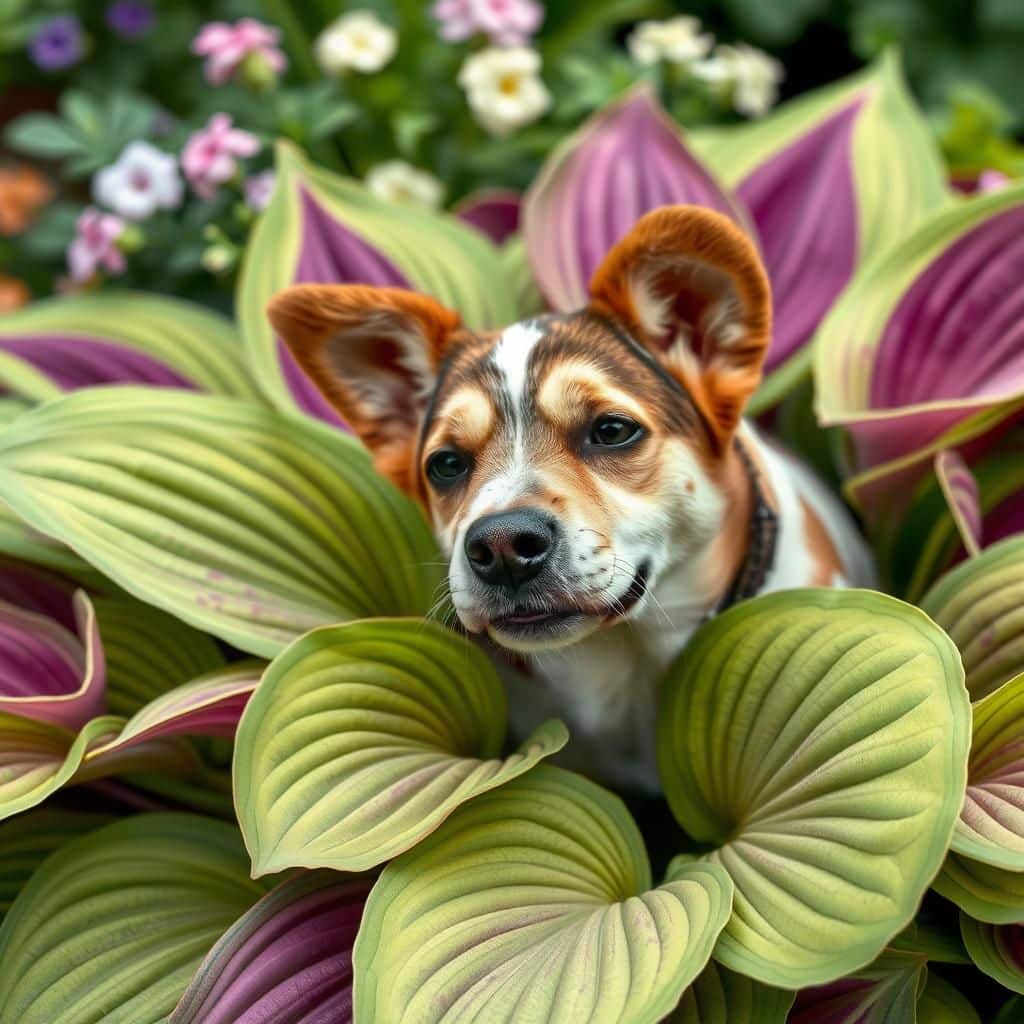
When it comes to pet-friendly gardening, one common concern among dog owners is the impact of canine habits on plants. Specifically, many wonder, Are hostas resistant to dog urine? Hostas, known for their lush foliage and resilience, are popular choices for shaded gardens. However, understanding how they react to dog urine is essential for maintaining a thriving garden while accommodating our furry friends. This article will delve into the relationship between hostas and dog urine, providing essential tips for creating a pet-friendly gardening environment that supports both your plants and your pets.
Are Hostas Resistant to Dog Urine?
Hostas are known for their attractive foliage and shade tolerance, but their resistance to dog urine is a crucial aspect for many pet owners. Generally, hostas are not particularly resistant to the effects of dog urine, which can cause damage due to its high nitrogen content. The chemicals in urine can lead to browning or even killing off parts of the plant if exposure occurs frequently. If a dog regularly urinates on a hosta, it may experience wilting, yellowing leaves, or stunted growth. To protect hostas from dog urine, it is advisable to create barriers or train the dog to eliminate in designated areas.
Effects of Dog Urine on Plants
Dog urine contains nitrogen, which can be beneficial in small amounts but can damage plants when concentrated. When a dog urinates on vegetation, especially in the same spot repeatedly, it can lead to a burning effect on the leaves and roots. This results in browned patches and can even kill the affected area of the plant. Understanding these effects can help in taking necessary precautions.
Hostas and Soil Health
Hostas thrive in rich, well-drained soil that retains some moisture. The high nitrogen content in dog urine can disrupt this delicate balance, leading to excessive salt levels in the soil that may be toxic to the hostas. Ensuring proper soil health is critical; therefore, regular watering of the area can help dilute the urine and mitigate harmful impacts.
Preventive Measures for Dog Owners
To protect hostas from damage caused by dog urine, owners can implement certain preventive measures. Training the dog to use a designated potty area away from the garden can prevent urine spots on the hostas. Additionally, providing a barrier or using plants that are more resilient to urine exposure can help maintain the aesthetics of the garden.
See also:
Alternative Plants for Dog Owners
If concerned about potential damage to hostas from dog urine, homeowners might consider alternative plants that are more resistant or tolerant to such issues. For example, plants such as Daylilies, Ferns, and certain Perennials tend to handle the occasional urine exposure better than hostas, making them safer choices for pet-friendly gardens.
Restoration of Damaged Hostas
If hostas have been damaged by dog urine, restoring them can be possible with a few steps. Begin by assessing the extent of the damage and cutting away any severely affected leaves. Improving the soil quality by adding organic matter can help recover the plant's health. Additionally, ensuring adequate watering and fertilizing can assist the plant in bouncing back from any stress caused by the urine exposure.
| Plant Type | Resilience to Dog Urine | Care Requirements |
|---|---|---|
| Hostas | Poor | Moderate |
| Daylilies | Moderate | Low |
| Ferns | Good | Moderate |
| Perennials | Varying | Variable |
Understanding Hosta Resilience Against Canine Urine
Hostas are often praised for their hardiness and beauty, but when it comes to their interaction with dog urine, the results can be mixed. While hostas are not specifically resistant to dog urine, they tend to be more tolerant than many other plants. The high nitrogen content in dog urine can cause burning or yellowing of the leaves, particularly if the plant is overexposed to frequent urination. To foster a more pet-friendly environment, it's essential to provide adequate water for the plants, ensuring that the soil remains moist and that the acidic effects of the urine are diluted. Additionally, strategic placement of hostas in your garden can help mitigate the impact of pet activities, enabling both flowering plants and your furry friends to coexist peacefully.
Symptoms of Dog Urine Damage on Hostas
When hostas are exposed to dog urine, the signs of damage can manifest as browned or crispy edges on the leaves. These symptoms typically arise from the concentration of nitrogen in the urine, leading to what many refer to as fertilizer burn. Over time, you'll likely notice that the plant's overall vitality diminishes, marked by a decline in growth or a premature wilting effect. Regularly monitoring your hostas for these signs can help you address the issue before it severely impacts the health of the plants.
Preventive Measures to Protect Hostas
To safeguard your hostas from the potential harm caused by dog urine, several preventive measures can be taken. One effective approach is to train your dog to use a designated area of the yard for bathroom purposes. Creating a litter zone or alternative pee patch encourages them to relieve themselves away from delicate plantings. Additionally, using fencing or barriers can protect hostas during their early growth stages, reducing direct exposure to your pet's urine.
See also:
Maintaining Healthy Hostas in Pet-Friendly Gardens
In order to maintain healthy hostas in gardens that accommodate pets, it’s essential to focus on regular care and maintenance. Ensuring consistent watering helps the soil remain adequately hydrated, thus reducing the risk that urine will concentrate. Furthermore, applying organic mulch around hostas can help keep the soil moisture levels stable, promote healthy root growth, and create a barrier against the acidity of urine. Introducing companion plants that can withstand canine activity can also create multifunctional garden zones.
Choosing the Right Location for Hostas
Selecting the right location for planting hostas is crucial in pet-friendly gardening. Hostas thrive in partial shade and consistently moist soil, which may be challenging in areas with heavy foot traffic. By positioning hostas in more secluded spots or near landscape features that your pet usually avoids, you can help minimize stress on the plants while still enjoying their beauty. Creating diverse planting areas within your garden can also prevent your dog from becoming overly curious in sensitive spots.
Alternatives to Hostas for Dog-Friendly Gardens
If you're particularly concerned about the potential damage from dog urine but still want to maintain a lush garden, consider exploring alternative plants that are known for their resilience in dog-friendly spaces. Plants such as daylilies, sedum, or ornamental grasses are often more resistant to the effects of canine waste. Researching and selecting native or low-maintenance plants that can withstand various stressors, including dog activity, allows for a vibrant garden without compromising on aesthetics or pet welfare.
Questions from Our Readers
Are hostas damaged by dog urine?
Hostas can be sensitive to dog urine, which may lead to burned or discolored leaves. The high nitrogen content in urine can create a toxic environment for the plants, especially if exposure is frequent.
How can I protect my hostas from dog urine?
To protect hostas, consider creating a barrier around the plants or training your dog to urinate in a designated area. Employing enriched mulch or planting more nitrogen-resistant species nearby may also help reduce the impact of urine on your beloved hostas.
See also:
Are there varieties of hostas that are more resilient?
While no hosta is entirely immune to the effects of dog urine, some varieties may be more resilient due to their robust nature. Plants like Hosta ‘Blue Mouse Ears’ can occasionally handle stress better than others, but it's crucial to monitor their health closely.
What should I do if my hostas show signs of urine damage?
If your hostas display symptoms of damage, first remove any affected leaves and water the plants thoroughly to dilute the urine. Adding nutrients back into the soil and ensuring proper drainage can help the plant recover over time.

If you want to read more articles like Are Hostas Resistant to Dog Urine? Essential Tips for Pet-Friendly Gardening, we recommend you check out our Hostas category.
Leave a Reply
Related Articles