Unlocking the Secrets: What Makes Hostas Grow Bigger? Tips for Optimal Growth

Hostas are beloved for their lush foliage and striking presence in gardens. However, gardeners often seek the secret to maximizing their growth potential. Understanding the factors that contribute to the size and health of hostas can transform your garden into a vibrant display of greenery. This article delves into essential tips and techniques for optimal hosta growth, from soil conditions and watering practices to sunlight exposure and nutrient management. By unlocking these secrets, you can ensure that your hostas not only thrive but also reach their full potential, creating an eye-catching landscape that remains a focal point throughout the seasons.
Factors Influencing the Growth of Hostas
Hostas can grow bigger due to a combination of factors such as optimal lighting, proper soil conditions, sufficient nutrition, effective watering techniques, and the right climate. Hostas prefer partial shade to full shade, which helps them thrive without burning. Ensuring that they are planted in rich, well-draining soil with an adequate pH level will also promote growth. Additionally, providing hostas with a balanced fertilizer during the growing season can supply the essential nutrients they need. Consistent and even watering, especially during dry spells, ensures that the plants can absorb moisture effectively. Lastly, the local climate can significantly affect growth, as hostas are more likely to flourish in temperate regions that mimic their native habitats.
Optimal Lighting Conditions
Hostas thrive in partial shade to full shade environments, which play a crucial role in their growth. Excess sunlight can scorch the leaves of many hosta varieties, stunting their growth and affecting their overall health. By providing an ideal balance of light, hostas can utilize photosynthesis effectively, promoting larger leaf development and stronger root systems.
Soil Quality and Composition
The quality of the soil is paramount for hostas; they prefer rich, well-draining soils that retain moisture without becoming waterlogged. Utilizing a mix of compost, leaf mold, and peat can help create an ideal medium that is nutrient-dense and provides a conducive environment for root growth. Proper soil pH, ideally around 6.0 to 7.5, supports the absorption of vital nutrients necessary for the plant's development.
Nutritional Requirements
Providing hostas with balanced fertilization is key to promoting larger growth. A slow-release fertilizer can supply the essential nutrients throughout the growing season, specifically nitrogen, phosphorus, and potassium, which are critical for leaf development, root strength, and overall plant vitality. Additionally, organic options such as fish emulsion or bone meal can enhance nutrient availability in the soil.
Watering Techniques
Effective watering techniques are essential for the growth of hostas. They require consistent moisture, particularly during dry spells. Using drip irrigation or soaker hoses can help maintain a steady moisture level without overwatering, which can cause root rot. It's also beneficial to water in the early morning to reduce evaporation losses and fungal disease risks.
Climate Considerations
The climate in which hostas are planted profoundly impacts their growth. Hostas generally prefer temperate climates with distinct growing seasons. Areas with mild summers and adequate rainfall encourage robust growth. Extreme temperatures, whether too hot or too cold, can impede growth and lead to stress, underscoring the importance of selecting the right varieties suitable for local conditions.
| Factor | Description |
|---|---|
| Lighting | Partial to full shade is ideal for healthy growth. |
| Soil Quality | Rich, well-draining soil enhances nutrient absorption. |
| Nutrients | Balanced fertilizers promote larger and healthier plants. |
| Watering | Consistent moisture prevents stress and promotes growth. |
| Climate | Temperate regions support optimal growth conditions. |
How do I make my hostas bigger?

To make your hostas bigger, you need to provide them with optimal growing conditions and proper care. Here are some essential steps that can help you achieve larger, healthier hostas:
Soil Quality
To promote growth in hostas, the quality of the soil is critical. Hostas thrive in rich, well-draining soils that retain moisture without becoming soggy. Consider the following points:
See also:
- Test your soil's pH; hostas prefer slightly acidic to neutral soils (pH 6.0-7.0).
- Amend your soil with organic matter such as compost or well-rotted manure to improve nutrient content.
- Ensure good drainage by adding sand or perlite if your soil retains too much water.
Optimal Sunlight
Although hostas can grow in various light conditions, they typically need filtered sunlight or partial shade for optimal growth. Here’s how to manage sunlight effectively:
- Identify the specific variety of hosta you are growing, as some prefer more sun than others.
- Provide afternoon shade for varieties that are susceptible to sunburn, particularly in hot climates.
- Location is key; avoid planting them too close to hard surfaces that reflect intense sunlight.
Watering Practices
Proper watering is essential for the growth of hostas. Here are some watering tips:
- Water hostas regularly, especially during dry periods; they generally prefer moist soil.
- Avoid overhead watering; instead, use a soaker hose or drip irrigation to prevent fungal diseases.
- Mulch around the plants to help retain moisture and reduce competition from weeds.
Fertilization Techniques
Feeding your hostas with the right nutrients will support their growth. Consider these fertilization techniques:
- Use a slow-release fertilizer in early spring before new growth starts.
- Opt for a balanced fertilizer with equal parts nitrogen, phosphorus, and potassium.
- Consider adding organic fertilizers like fish emulsion or seaweed extract during the growing season.
Dividing and Transplanting
Dividing hostas can also promote bigger plants over time. Here’s how to do it correctly:
- Divide hostas every 3 to 5 years to allow them ample room to expand.
- Choose early spring or fall for dividing; this allows minimal disturbance to the roots.
- Replant the divisions adequately spaced to give them room for growth.
Why are my hostas staying so small?
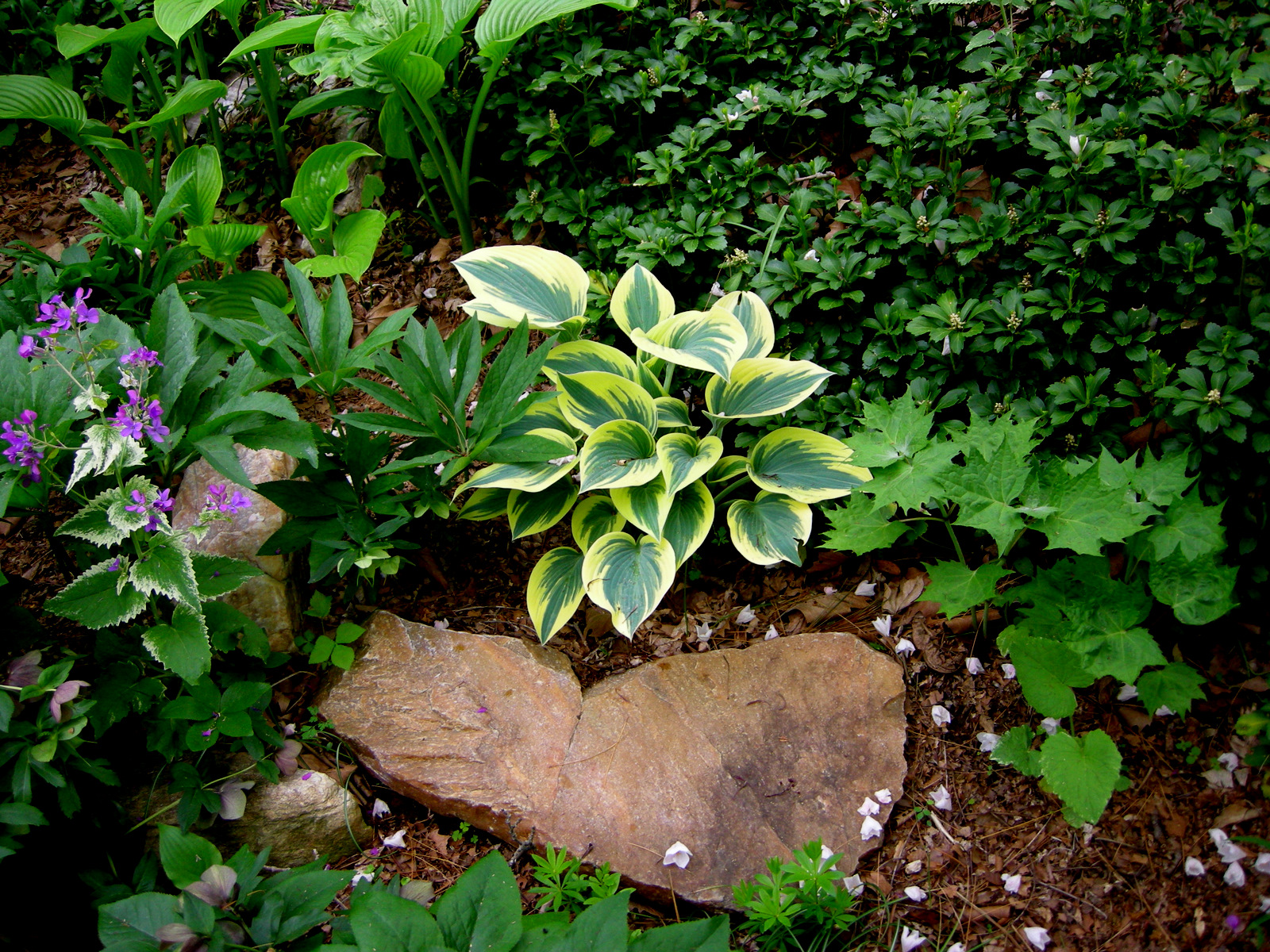
Hostas are popular perennial plants known for their lush foliage and adaptability to various growing conditions. If your hostas are remaining small, several factors may be at play. Understanding these aspects can help you create the ideal conditions for your hostas to thrive.
Improper Planting Conditions
One of the most common reasons hostas stay small is due to less-than-ideal planting conditions. This includes factors such as:
- Soil Quality: Poor soil that lacks necessary nutrients can stunt the growth of hostas.
- Drainage: Overly wet or poorly draining soil can lead to root rot and limited growth.
- Spacing: If hostas are planted too close together, they may compete for resources and remain small.
Insufficient Sunlight
Hostas thrive in partial to full shade, but too little light can lead to reduced growth. Here are ways sunlight can impact their size:
- Light Levels: Insufficient light can hinder photosynthesis, a process essential for plant growth.
- Varietal Needs: Some hosta varieties require more light than others; failing to meet these requirements may stunt growth.
- Seasonal Changes: As the seasons change, the amount of sunlight may fluctuate, affecting growth rates.
Pest and Disease Issues
Pests and diseases can significantly affect the health and size of hostas. Addressing these issues is crucial for optimal growth:
- Pests: Common pests like slugs and snails can damage leaves, impairing growth.
- Diseases: Fungal infections may cause decay and weaken the plant's overall structure.
- Management: Regularly inspecting plants and using appropriate treatments can help mitigate these issues.
Nutritional Deficiencies
The absence of essential nutrients can also hinder the development of hostas. Essential nutrients include:
See also:
- Nitrogen: Important for leaf growth; a deficiency may result in smaller leaves and slower growth.
- Phosphorus: Critical for root development; without it, hostas may struggle to establish themselves.
- Potassium: Helps with overall plant health and can contribute to growth vigor.
Improper Watering Practices
Watering habits can either promote or inhibit the growth of hostas. Key considerations include:
- Watering Frequency: Under-watering can lead to smaller plants, while overwatering can cause root issues.
- Water Quality: Use clean, chlorine-free water when possible, as pollutants can stress the plants.
- Soil Moisture: Maintain consistent moisture levels without waterlogging the soil for optimal growth.
What is the best fertilizer for hosta plants?
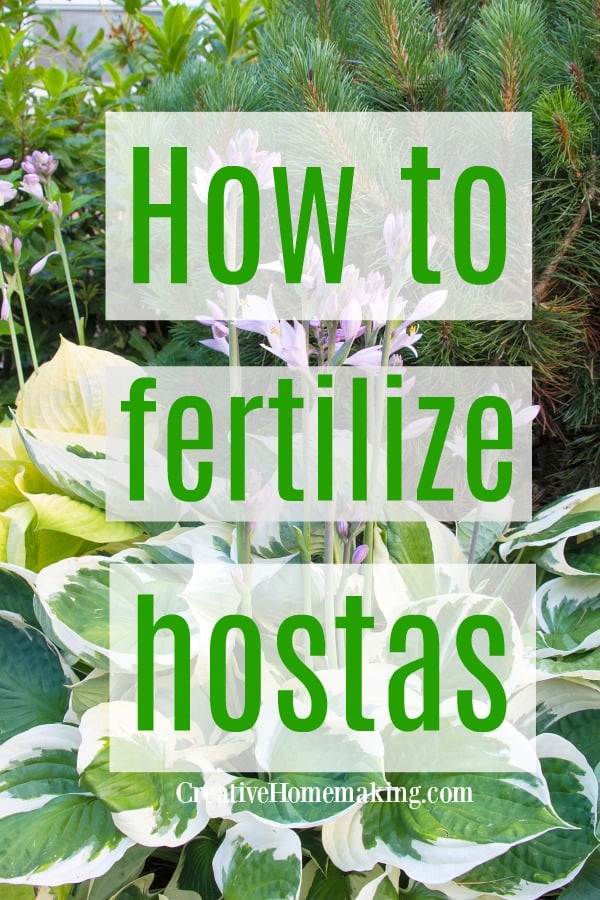
The best fertilizer for hosta plants is one that provides a balanced supply of essential nutrients, specifically nitrogen (N), phosphorus (P), and potassium (K). Hosta plants thrive in rich, organic soil and benefit the most from fertilizers that enhance their growth while also promoting lush foliage. A slow-release or granular fertilizer with a formulation such as 10-10-10 or 20-20-20 is ideal. Additionally, organic options like compost or well-rotted manure can also be highly beneficial. It's important to apply fertilizer during the active growing season, typically in spring, to support optimal growth and flowering.
Understanding Nutrient Ratios
When selecting fertilizer for hosta plants, understanding nutrient ratios is vital. The three key nutrients in fertilizers are nitrogen, phosphorus, and potassium, represented by the N-P-K ratio. For hostas, an ideal ratio is roughly:
- Nitrogen: Promotes healthy leaf growth and vivid coloration.
- Phosphorus: Supports root development and flowering.
- Potassium: Enhances overall plant health and disease resistance.
Types of Fertilizers
There are several types of fertilizers suitable for hosta plants, each with distinct benefits. The main types include:
- Granular Fertilizers: These provide a slow release of nutrients, ensuring long-lasting feeding.
- Liquid Fertilizers: Ideal for quick nutrient absorption, but must be applied more often.
- Organic Fertilizers: Composed of natural materials, they improve soil health while feeding plants.
Application Methods
Proper application methods are critical to maximize the effectiveness of fertilizers for hostas. Consider the following methods:
- Top Dressing: Spread granular fertilizer around the base of the plant, avoiding direct contact with leaves.
- Soil Incorporation: Mix fertilizer into the soil during planting for thorough nutrient availability.
- Foliar Feeding: Use liquid fertilizers as a foliar spray for quick nutrient uptake during growth periods.
Timing of Fertilization
Timing is essential when fertilizing hosta plants. The best times to fertilize are:
- Spring: Apply fertilizers at the beginning of the growing season to stimulate growth.
- Mid-Summer: A second application can promote continued growth and vigor.
- Post-Flowering: Fertilizing after flowering can aid in preparing the plant for rest during dormancy.
Signs of Nutrient Deficiency
Recognizing signs of nutrient deficiency is essential for maintaining healthy hosta plants. Common symptoms include:
- Yellowing Leaves: Often indicates a lack of nitrogen.
- Poor Growth: Can be a sign of deficiencies in phosphorus or potassium.
- Wilting or Browning Edges: May suggest a lack of overall nutrition or water stress.
Questions from Our Readers
What soil conditions are best for growing larger hostas?
The best soil conditions for hostas include well-draining, rich, organic soil with a pH level between 6.0 and 7.0. Providing a loamy texture ensures the soil retains enough moisture while allowing excess water to escape, preventing root rot. Additionally, adding compost or well-rotted manure can enrich the soil with nutrients, promoting larger growth.
How does sunlight exposure affect the size of hostas?
Hostas thrive in partial to full shade, with adequate light helping them achieve a larger size. Too much direct sunlight can cause leaf scorch, stunting their growth and affecting their overall health. Thus, providing the right amount of filtered sunlight can enhance their size and vibrant color.
See also:
What role does watering play in the growth of hostas?
Proper watering is crucial for the growth of hostas, as they require consistent moisture to produce larger leaves and a robust root system. However, it’s important to avoid overwatering, which can lead to root rot. Ensuring a balanced watering schedule, especially during dry spells, will support healthy and larger hosta plants.
How does fertilization influence the growth of hostas?
Regular fertilization with a balanced, slow-release fertilizer can significantly boost hosta growth. Providing essential nutrients like nitrogen, phosphorus, and potassium encourages the development of larger foliage and a stronger plant overall. Timing the application in early spring and mid-summer can maximize the benefits, leading to bigger hostas.

If you want to read more articles like Unlocking the Secrets: What Makes Hostas Grow Bigger? Tips for Optimal Growth, we recommend you check out our Hostas category.
Leave a Reply
Related Articles