Can I Transplant Hostas in the Summer? Essential Tips for Successful Relocation

Transplanting hostas can be a rewarding gardening task, but timing is crucial for success. Many gardeners wonder whether summer is a suitable season for relocating these beloved shade perennials. While spring and fall are often recommended, summer transplants can be successful with the right approach. In this article, we will explore the essential tips for transplanting hostas during the warmer months, addressing potential challenges and providing practical advice to ensure a smooth transition. By following these guidelines, you can maintain the health and beauty of your hostas, allowing them to thrive in their new locations even in the heat of summer.
Can I Transplant Hostas in the Summer?
Transplanting hostas in the summer is generally not recommended due to the stress that heat can place on the plants. Hostas prefer cooler temperatures and can suffer from transplant shock when moved during the warmer months. If you must relocate them in summer, ensure the soil is well-watered, and provide shade during the hottest parts of the day to help them adjust. Mulching can also retain moisture and keep the roots cool, but be prepared for potential wilting and slower recovery.
Why Summer Transplanting is Risky
Transplanting hostas in summer can lead to root damage and a lack of moisture, which are critical for the plant's survival. The extreme heat can cause the hosta to enter a state of dormancy, where it prioritizes survival over growth. Without adequate care, the plant may not establish itself before the fall, leading to potential failure in regrowth.
Best Time to Transplant Hostas
The best time to transplant hostas is during the spring or fall when temperatures are milder. These seasons allow the hostas to establish their root systems without the added stress of excessive heat. During this time, they are typically in a period of active growth, ensuring a better transition and successful reestablishment in a new location.
Preparation for Summer Transplanting
If you decide to transplant hostas in summer, proper preparation is vital. Water the plants thoroughly days before the move to help minimize stress. Prepare the new planting site by loosening the soil and mixing in organic material to promote healthy root growth. On the transplantation day, try to do it early in the morning or late in the evening to avoid the hottest temperatures.
Post-Transplant Care for Hostas
After transplanting hostas in the summer, the care regime changes significantly. Ensure consistent watering to maintain moist conditions, but be cautious of overwatering, which can cause root rot. Adding a layer of mulch around the base can help retain moisture and keep the soil temperature stable. Monitor the plants closely for any signs of stress.
Signs of Stress in Transplanted Hostas
After summer transplantation, hostas may show signs of distress, including wilting, yellowing leaves, or stunted growth. Wilting typically occurs due to lack of moisture, while yellowing can indicate root shock or insufficient nutrients. Address these issues immediately by ensuring adequate watering and applying fertilizer if needed to help revive the plant.
| Aspect | Details |
|---|---|
| Optimal Time | Spring or Fall |
| Risk Factors | Heat, Root Damage, Moisture Loss |
| Preparation Actions | Watering, Soil Preparation, Timing |
| Post-Care Requirements | Consistent Watering, Mulching |
| Stress Indicators | Wilting, Yellowing Leaves, Stunted Growth |
How do you move hostas without killing them?
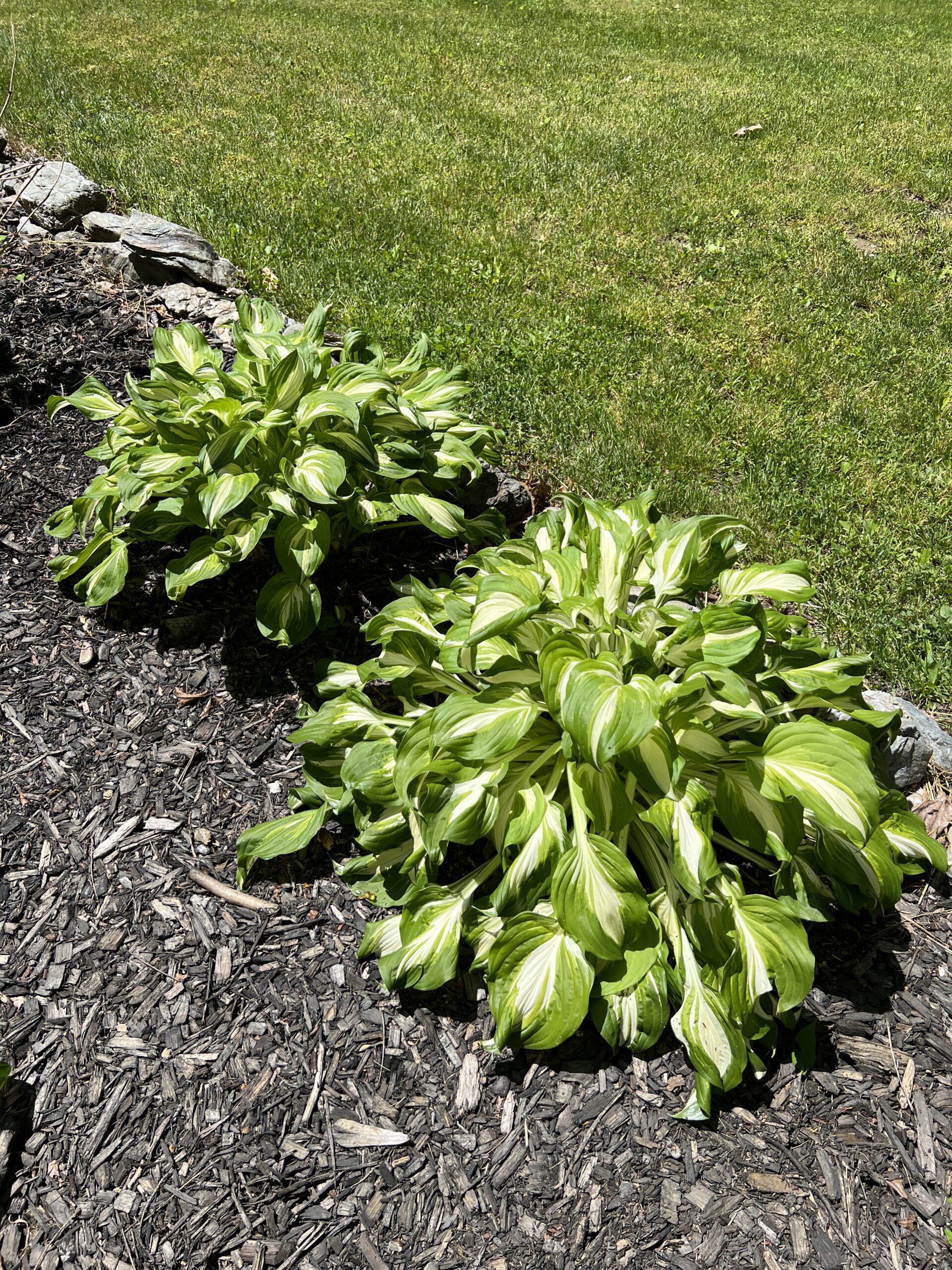

To move hostas without killing them, it's essential to follow specific steps that minimize stress and damage to the plants. Hostas are typically hardy plants, but their transplantation requires care. Here's how to do it effectively:
Timing the Move
Timing is crucial when relocating hostas. The best time to move hostas is during the early spring or early fall. During these periods, the temperatures are milder, and the plants are either just starting to grow or entering dormancy.
- In early spring, hostas emerge from dormancy and can recover quickly from disturbance.
- Early fall allows you to transplant before the winter dormancy sets in, giving the roots time to settle.
- Avoid moving them in the heat of summer or during winter when the soil is frozen.
Preparing the New Location
Before you move the hostas, prepare the new location adequately. This involves ensuring that the new site has the right light conditions and soil quality.
- Choose a shade to partial shade area, as most hostas prefer low-light conditions.
- Test the soil for drainage; hostas do not thrive in waterlogged soil.
- Amend the soil with organic matter such as compost to provide nutrients.
Careful Digging Techniques
When digging up the hostas, it’s essential to use the right techniques to avoid damaging the root system. This helps maintain the plant's integrity during the move.
- Water the hostas a day before moving to ensure the soil is moist and the roots are hydrated.
- Starting about 6 to 12 inches from the base of the plant, use a spade to gently dig around the hosta.
- Try to keep as much of the root ball intact, as damaged roots can disrupt recovery.
Transplanting the Hostas
Once you have the hostas out of the ground, the actual transplanting process requires care. The proper method can significantly affect their survival rate.
- Place the hosta in the new hole at the same depth as it was originally planted.
- Fill in the hole with the amended soil, gently firming it around the roots to eliminate air pockets.
- Water the newly transplanted hosta thoroughly to help settle the soil and encourage root re-establishment.
Post-Transplant Care
After relocating hostas, proper care is vital in their recovery phase. This ensures they adapt well to their new environment.
- Monitor soil moisture and keep the area consistently moist but not soggy for the first few weeks.
- Avoid fertilizing immediately after transplanting, as it can stress the plant; wait a month or so.
- Provide shade protection if the weather is hot; it can help reduce stress during their recovery period.
Why are my hostas wilting after transplant?

Transplanting hostas can sometimes result in wilting due to several factors affecting the plant's recovery. Here are some of the main reasons your hostas may be wilting after being transplanted:
See also:
Shock from Transplanting
When hostas are moved from one location to another, they can experience transplant shock. This stress can cause the plant’s leaves to wilt as it adjusts to new conditions.
- Roots may be damaged during the digging process.
- Changes in soil type, moisture, and sunlight can disrupt the plant's ability to absorb water and nutrients.
- Hostas may need time to establish their roots in the new location, which can take weeks.
Improper Watering
Water management is crucial after transplanting. Overwatering or underwatering can lead to stress and wilting.
- Overwatering can drown the roots, leading to root rot, preventing water absorption.
- Underwatering may result in insufficient moisture, causing the leaves to droop immediately.
- It's essential to check the soil moisture regularly and adjust the watering schedule according to weather conditions.
Soil Quality and Composition
The type of soil where the hostas are transplanted plays a crucial role in their health. Poor soil quality can lead to wilting.
- Soil that lacks essential nutrients can hinder growth and cause stress.
- Heavy clay soils may retain too much water, while sandy soils can drain too quickly, both affecting hydration.
- Amending the soil before transplanting with organic matter can improve nutrient content and drainage.
Environmental Stressors
Hostas can be particularly sensitive to environmental changes. Factors such as temperature extremes, wind exposure, and sunlight can lead to wilting after transplanting.
- Excessive heat can lead to dehydration, while cold snaps can hinder growth.
- Strong winds can physically damage the plant or dry it out quickly.
- Placing the hostas in a partially shaded area can help them adjust to new sunlight levels.
Pests and Diseases
After transplanting, hostas may attract pests or succumb to diseases that can cause wilting.
- Common pests like slugs or aphids can damage leaves, leading to wilting.
- Diseases such as fungal infections can root the plant and cause wilting.
- Regularly inspecting plants and taking proactive measures helps to protect hostas from these threats.
Questions from Our Readers
Can I transplant hostas in the summer?
Yes, you can transplant hostas in the summer, but it's generally not recommended due to the stress that high temperatures can cause to the plants. If you must transplant during this time, be sure to do it in the early morning or late afternoon when temperatures are cooler.
What are the best conditions for transplanting hostas?
The best conditions for transplanting hostas are when the temperatures are cooler, ideally in early spring or early fall. If you choose to transplant in the summer, ensure the soil is moist and that you can provide adequate shade to help them recover from the shock.
How should I care for hostas after transplanting them in summer?
After transplanting hostas in the summer, it is crucial to water them regularly to help them establish their roots. You may also want to apply a layer of mulch around the plants to retain moisture and protect them from excessive heat.
See also:
Will transplanting in the summer affect the growth of my hostas?
Transplanting hostas in the summer can cause some temporary growth setback due to the added stress of heat. However, with proper care and attention, they can still thrive, and you can expect them to rebound in the following growing season.

If you want to read more articles like Can I Transplant Hostas in the Summer? Essential Tips for Successful Relocation, we recommend you check out our Hostas category.
Leave a Reply
Related Articles