How Long Does It Take for Hosta to Reach Full Size? A Complete Guide to Hosta Growth Timelines

Hostas are beloved perennials, known for their lush foliage and versatility in garden design. However, understanding how long it takes for these plants to reach their full size can be crucial for gardeners looking to plan their landscapes effectively. This article will delve into the growth timelines of hostas, exploring the factors that influence their development, including species, growing conditions, and care practices. Whether you're a seasoned gardener or a novice, this complete guide will provide you with the insights needed to anticipate the growth stages of hostas and ensure they thrive in your garden.
How Long Does It Take for Hosta to Reach Full Size?
Hostas typically take about 3 to 5 years to reach their full size, depending on various factors such as the specific cultivar, growing conditions, and care provided. During this time, they will establish strong root systems and develop leaves that can reach impressive sizes. It's important to provide adequate water, nutrients, and protection from pests to promote healthy growth. Initial growth may seem slow, but patience is key as hostas become more robust with maturity.
Factors Influencing Growth Rate
Several factors can influence how quickly hostas grow to their full size. These include soil quality, light exposure, and watering practices. Properly amend your soil with organic matter to enhance drainage and nutrients. Hostas thrive in partial shade, and too much sun can stunt their growth. Additionally, maintaining consistent moisture levels without waterlogging is crucial; well-watered plants will grow more vigorously.
Hosta Varieties and Growth Time
Different hosta varieties have varying growth rates. For instance, smaller varieties like 'Blue Mouse Ears' may reach maturity in about 2 years, while larger varieties such as 'Empress Wu' can take closer to 5 years or more. Understanding the specific variety you have can help set realistic expectations regarding growth size and time.
Tips for Encouraging Growth
To encourage your hosta’s growth, ensure they have a nutritious environment. Fertilizing with a balanced slow-release fertilizer in early spring, keeping the soil consistently moist, and mulching can help retain moisture and suppress weeds. Additionally, consider removing any competing weeds or plants nearby to reduce competition for resources, allowing your hostas to thrive.
Signs of Maturity in Hostas
As hostas approach their full size, there are signs to look for that indicate maturity. Larger, more substantial leaves, often accompanied by a fuller crown and denser foliage, indicate a robust plant. Flowers may also begin to emerge, which usually occurs in mid to late summer. If your hosta is displaying these traits, it's well on its way to being a mature specimen.
Table of Common Hosta Varieties and Their Growth Times
| Variety | Average Time to Full Size |
|---|---|
| Blue Mouse Ears | 2 years |
| June | 3 years |
| Sum and Substance | 4 years |
| Empress Wu | 5 years |
What makes hostas grow faster?
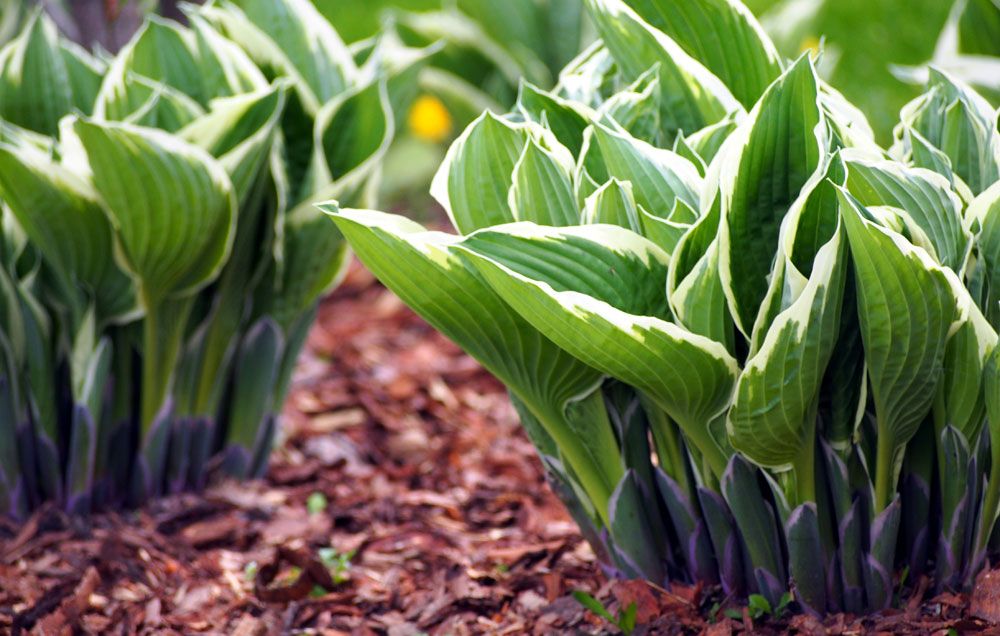
Hostas are popular perennial plants known for their lush foliage and ability to thrive in shaded areas. To encourage faster growth of hostas, several factors come into play, including soil quality, water management, sunlight exposure, fertilization, and pest control. Here’s a detailed look at the elements that can help boost the growth rate of hostas.
Soil Quality
Soil quality plays a critical role in the growth of hostas. They thrive best in rich, well-draining soil that retains moisture but does not become waterlogged.
See also:
- Organic Matter: Incorporating organic matter such as compost can improve soil structure and nutrient content.
- pH Levels: Hostas prefer slightly acidic to neutral pH levels (between 6.0 and 7.5).
- Drainage: Ensuring good drainage prevents root rot, which can stunt growth.
Watering Practices
Proper watering is essential to promote rapid growth in hostas. These plants need consistent moisture but can be sensitive to overwatering.
- Regular Watering: Keep the soil consistently moist, especially during dry spells.
- Mulching: Applying a layer of mulch helps retain soil moisture and regulates temperature.
- Early Morning Watering: Watering in the early morning reduces evaporation and ensures the soil has adequate moisture throughout the day.
Sunlight Exposure
Although hostas are shade-loving plants, the amount of sunlight they receive can significantly impact their growth rate.
- Partial Sunlight: Hostas can benefit from dappled sunlight or light shade, which stimulates growth.
- Too Much Shade: Complete darkness may hinder their development, leading to thin growth.
- Sun-Resistant Varieties: Choosing varieties that tolerate more sunlight can also promote faster growth.
Fertilization
Appropriate fertilization can accelerate the growth of hostas by providing the necessary nutrients they need to thrive.
- Balanced Fertilizers: Use a balanced fertilizer with equal parts nitrogen, phosphorus, and potassium.
- Timing: Fertilize in early spring as new growth begins, and again mid-season to boost development.
- Slow-Release Formulas: Consider slow-release fertilizers that provide nutrients over time.
Pest and Disease Control
Controlling pests and diseases is crucial for the health and growth of hostas. Infestations can severely hinder their growth potential.
- Regular Monitoring: Check plants regularly for signs of pests like slugs or aphids.
- Natural Predators: Encourage beneficial insects that prey on harmful pests.
- Proper Spacing: Ensuring adequate spacing between plants improves air circulation and reduces disease susceptibility.
Should I use Miracle-Gro on hostas?
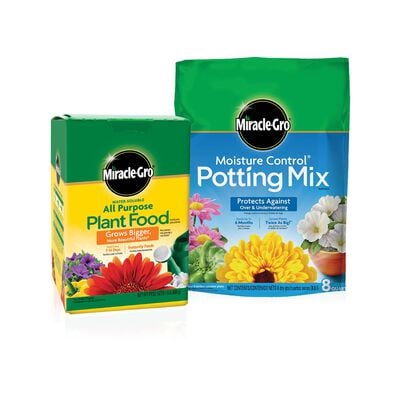
Using Miracle-Gro on hostas can be beneficial, but it is important to consider the specific needs and conditions of your plants. Miracle-Gro is a well-known brand of water-soluble fertilizer that contains essential nutrients like nitrogen, phosphorus, and potassium, which can aid in promoting healthy growth and vibrant foliage in hostas. However, hostas thrive in fertile, well-draining soil and do not require excessive fertilization. Thus, the timing and method of application are crucial.
1. Benefits of Using Miracle-Gro on Hostas
Benefits of Using Miracle-Gro on Hostas
Applying Miracle-Gro can enhance the growth and overall health of your hostas when used correctly. The benefits include:
- Promotes lush green foliage: The nitrogen content helps produce vibrant leaves.
- Boosts growth rate: It can accelerate the growth cycle, making hostas establish quicker.
- Improves soil nutrient levels: Regular use can replenish the soil's nutrient bank.
2. When to Apply Miracle-Gro on Hostas
See also:
When to Apply Miracle-Gro on Hostas
Timing the application of Miracle-Gro is key to maximizing its effectiveness. The best times are:
- Early spring: Fertilize as hostas start to emerge from dormancy.
- Mid-summer: A second application can support continued growth during peak growing season.
- Before fall: Fertilizing in late summer can enhance root growth before winter.
3. How to Apply Miracle-Gro on Hostas
How to Apply Miracle-Gro on Hostas
Proper application ensures that your hostas receive the right nutrients without being overwhelmed. Follow these steps:
- Dilute appropriately: Mix Miracle-Gro with water according to package instructions.
- Apply evenly: Distribute the mixture evenly around the base of the plants, avoiding contact with the leaves.
- Water after application: Ensure to water the hostas after fertilizing to help absorb nutrients.
4. Potential Risks of Over-Fertilization
Potential Risks of Over-Fertilization
While Miracle-Gro can be beneficial, over-fertilizing can lead to problems. Consider the risks involved:
- Leaf burn: Excessive fertilizer can cause the leaf edges to brown.
- Root damage: Over-fertilization can harm root health, leading to stunted growth.
- Soil imbalance: Too much fertilizer can disrupt the natural soil ecosystem.
5. Alternative Fertilizing Options for Hostas
Alternative Fertilizing Options for Hostas
If you are uncertain about using Miracle-Gro, consider these alternatives:
- Organic compost: Enhances soil quality and provides a slow release of nutrients.
- Bone meal: A great source of phosphorus which helps with root development.
- Fish emulsion: Provides a balanced source of nutrients with minimal risk of over-fertilization.
Questions from Our Readers
How long does it take for hosta to reach full size?
Hostas typically take about 2 to 4 years to reach their full size, depending on the variety and growing conditions. Factors such as soil quality, sunlight exposure, and water availability can significantly influence their growth rate.
Do hostas grow quickly?
While hostas are not the fastest-growing plants, they do exhibit moderate growth rates. In ideal conditions, you can expect them to grow around 1 to 2 feet per year until they reach their maximum height, which can vary based on the specific type of hosta.
See also:
What factors affect the growth rate of hostas?
Several factors impact the growth rate of hostas, including light conditions (shade vs. sun), soil fertility, water availability, and temperature. Providing optimal environmental conditions will help them establish more quickly and thrive.
Can I speed up the growth of my hosta plants?
Yes, you can speed up the growth of hosta plants by ensuring they have adequate water, nutrient-rich soil, and protection from harsh sunlight. Regular fertilization and maintaining proper moisture levels can encourage healthy growth and development.

If you want to read more articles like How Long Does It Take for Hosta to Reach Full Size? A Complete Guide to Hosta Growth Timelines, we recommend you check out our Hostas category.
Leave a Reply
Related Articles