Is it Okay to Plant Hostas Around Trees? Essential Tips for Gardeners

Planting hostas around trees can create a stunning visual display in your garden, but is it the right choice for your landscape? Hostas, with their lush foliage and vibrant colors, are a popular choice among gardeners. However, successfully incorporating them into tree surroundings requires careful consideration of various factors such as light, soil conditions, and root competition. This article will explore the pros and cons of planting hostas near trees, providing essential tips to help you make an informed decision for your garden. Whether you are a novice or experienced gardener, understanding these aspects will enhance your gardening experience.
Is It Okay to Plant Hostas Around Trees?
Planting hostas around trees can be a beneficial practice, as these hardy perennials thrive in the shady conditions often found under the canopy of trees. They can help to fill empty spaces and enhance the visual appeal of the landscape. However, it is essential to consider the root system of the trees, as well as the moisture and nutrient availability in the soil, which might be affected by the tree's roots. Hostas generally prefer well-drained soil and can compete with tree roots for water and nutrients. Therefore, if the site provides adequate moisture and the hostas can coexist without hindering the tree's health, it is perfectly acceptable to plant them around trees.
Benefits of Planting Hostas Near Trees
Planting hostas near trees offers numerous advantages, such as improving the aesthetic appeal of the garden. The lush foliage of hostas provides a beautiful contrast to the rough bark and the changing seasons of the trees. Furthermore, hostas thrive in shaded areas where grass may struggle to grow, thus helping to prevent soil erosion and enhance biodiversity within the garden space.
Considerations for Tree Health
When planting hostas around trees, it is crucial to take the health of the tree into account. Hostas can compete for nutrients and moisture with the tree's roots, which might lead to negative effects on tree growth if conditions are not favorable. It is advisable to ensure that the surrounding soil maintains adequate fertility and moisture levels to support both plants effectively.
Soil Quality and Watering Needs
The soil quality is an essential factor for successfully planting hostas near trees. Hostas prefer rich, well-draining soil that retains some moisture without becoming waterlogged. To promote healthy growth, regular watering may be necessary, especially during dry periods, to ensure that both the hostas and the tree receive sufficient hydration.
Choosing the Right Variety of Hostas
Selecting the right variety of hostas for planting near trees is vital. Some hostas are more tolerant of dry conditions, while others thrive in moister environments. It is best to choose varieties that can adapt to the specific light and moisture situations of the tree's area, enhancing the chances of both plants thriving harmoniously.
Maintenance Tips for Hostas and Trees
Maintaining hostas planted near trees involves regular care to keep both plants healthy. This includes mulching around the hostas to help retain moisture, monitoring for pests, and occasionally checking the growth of both hostas and trees. Pruning any low-hanging branches from trees can also give hostas better access to light, promoting better growth.
| Aspect | Details |
|---|---|
| Soil Type | Well-drained, rich in organic matter |
| Watering Requirements | Maintain consistent moisture, especially in dry seasons |
| Hosta Varieties | Moisture-loving varieties for shaded areas |
| Tree Health | Consider tree root competition for nutrients |
| Light Conditions | Hostas prefer partial to full shade |
Can I plant hostas around a tree?

Yes, you can plant hostas around a tree, but there are several important factors to consider to ensure both the tree and the hostas thrive. Hostas are shade-loving perennial plants that can add a beautiful touch to your garden, especially in areas with low light. However, the competition for resources, such as water and nutrients, as well as the tree's root system, should be taken into account when planning your planting.
Choosing the Right Location
When planting hostas around a tree, it is crucial to select the right location. Hostas flourish in partial to full shade, making them suitable for areas beneath trees that provide such conditions. Consider the following aspects when choosing the location:
See also:
- Check the amount of sunlight the area receives throughout the day to ensure it meets hostas’ requirements.
- Avoid spots where the tree’s roots are overly prominent—here, hostas may struggle to compete for nutrients.
- Look for a spot that allows for good drainage to prevent water from pooling around the hostas.
Understanding Tree Roots
The root system of a tree can significantly influence the growth of hostas planted nearby. Tree roots can compete for water and nutrients, which may hinder the hostas' growth. Understanding the following can help:
- Some tree species have shallow roots that spread widely, which might affect the hostas.
- Identify whether the tree is deciduous or evergreen, as this can impact the light available to the hostas during different seasons.
- Learning about the tree's root depth can guide your planting distance; it's best to plant hostas at least a few feet away from the base of the tree.
Soil Conditions
The soil quality around the tree can affect how well hostas perform. Healthy soil is key for robust plant growth. You should consider:
- Testing the soil pH and fertility levels to ensure they are within acceptable ranges for hostas.
- Amending the soil with organic matter to improve its structure and nutrient content before planting.
- Avoiding the use of herbicides or chemicals that may harm the hostas or the tree itself.
Watering Needs
Both hostas and trees have specific watering needs, which can vary based on the season. Paying attention to watering can ensure both plants thrive:
- Establish a watering schedule that accounts for the tree’s demands as well as the hostas’ needs.
- Watch for signs of drought stress in hostas, particularly during hot, dry spells.
- Ensure that you do not overwater, as this can harm the tree and lead to root rot in the hostas.
Complementary Planting
Planting hostas can enhance the beauty and biodiversity of the area around a tree. Consider the following to achieve successful complementary planting:
- Pair hostas with other shade-tolerant plants, such as ferns or bleeding hearts, to create a rich understory.
- Ensure that the plants you choose do not compete aggressively with the hostas for resources.
- Utilize mulch around the hostas to help retain moisture and suppress weeds that could compete with them.
What is the best plant to plant under a tree?

The best plants to grow under a tree depend on several factors, including the type of tree, the sunlight availability, and the soil conditions. Generally, plants that thrive in shaded areas and have low water requirements are ideal candidates. Here are some excellent options:
1. Ferns
Ferns are a fantastic choice for planting under trees due to their ability to thrive in low light and their love for moist, well-drained soil. They add a lush, green texture to shaded areas.
- Variety of Kinds: There are many types of ferns, such as Boston ferns and Japanese painted ferns, that you can choose from based on aesthetic preference.
- Low Maintenance: Once established, ferns require minimal care, making them ideal for busy gardeners.
- Soil Improvement: Ferns can help improve soil quality by preventing erosion and enhancing the organic matter content.
2. Hostas
Hostas are perennial plants recognized for their broad, attractive leaves. They come in various sizes, shapes, and colors, making them versatile for shady spots under trees.
- Diverse Colors: Hostas are available in shades from deep green to vibrant blue and even gold, allowing for colorful displays.
- Resilience: They can withstand various soil types and are known for their durable growth.
- Flowers: Many hostas produce lovely flowers during summer, adding beauty to shaded garden spots.
3. Shade-Tolerant Ground Covers
Ground covers such as Pachysandra or Vinca minor are excellent options for minimizing weeds and providing greenery under trees.
- Prevent Weeds: They create a dense mat that helps suppress weed growth, keeping the area tidy.
- Low Maintenance: Most ground covers require less water and maintenance once established.
- Environmental Benefits: They help retain soil moisture and protect soil from erosion.
4. Shade-Loving Bulbs
Certain bulbs thrive in the shade and can add a burst of color when they bloom, such as tulips and daffodils.

- Seasonal Color: Shade-loving bulbs can offer vibrant colors during spring, brightening up the area.
- Easy to Plant: Bulbs are relatively easy to plant and can naturalize over time.
- Variety of Options: Choose from different flowering times to ensure continuous bloom throughout the season.
5. Shrubs for Shade
Dwarf shrubs, such as azaleas and rhododendrons, can provide vertical interest and beautiful flowers while tolerating partial to full shade.
- Attractive Blossoms: Many shade-tolerant shrubs produce spectacular blooms that can add color and interest beneath trees.
- Growth Habit: Dwarf varieties fit best in smaller spaces while still contributing to the overall garden aesthetics.
- Wildlife Friendly: These shrubs can attract pollinators and birds, enriching the ecosystem of your garden.
What not to plant next to hostas?
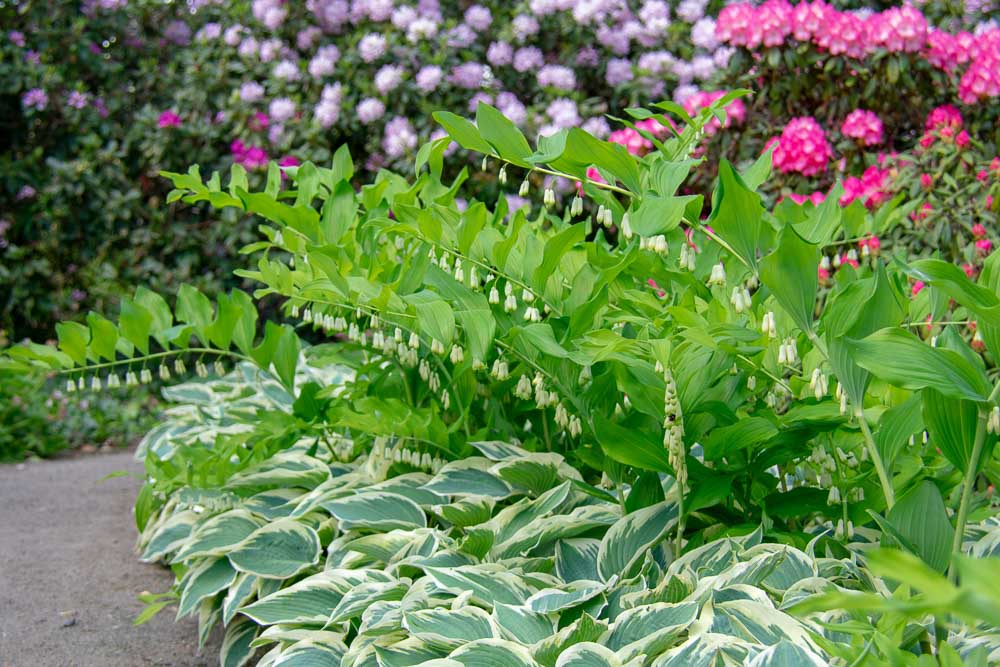
When considering your garden layout, it's important to know what not to plant next to hostas. These shade-loving plants can be quite particular about their neighbors. Hostas thrive in moist, well-drained soil and prefer a cool, shaded environment. However, certain plants can inhibit their growth or contribute to pest issues. Below are some plants that are better kept away from hostas.
1. Sun-Loving Plants
Hostas are not suited to share space with plants that require full sun. They thrive in shaded areas, so planting sun-loving plants can lead to:
- Competition for resources: Both types of plants will compete for nutrients and water, resulting in poor growth.
- Increased stress: Hostas can suffer from leaf scorch and wilting if they do not receive adequate shade.
- Poor aesthetic appeal: The contrasting growth requirements may create an unharmonious garden layout.
2. Aggressive Perennials
Certain aggressive perennials can overwhelm hostas. These include:
- Bamboo: If planted nearby, bamboo can quickly spread and outcompete hostas for space and nutrients.
- Mint: Known for its invasive growth, mint can take over and stifle hosta development.
- Daylilies: While beautiful, daylilies can spread rapidly and crowd hostas, leading to a lack of sunlight and resources.
3. Heavy Feeders
Plants that are heavy feeders may draw too many nutrients from the soil, which is detrimental for hostas. Examples include:
- Vegetables: Certain vegetables, like tomatoes, can deplete the soil significantly due to their high nutrient demands.
- Roses: These beautiful flowers require a lot of nutrients and can hinder hostas' growth if planted too close.
- Hydrangeas: They can consume a considerable amount of nutrients as well, leaving hostas with insufficient resources.
4. Plants with Similar Pest Issues
Companion planting for pest management is crucial, so avoid pairing hostas with plants that have similar pest problems, such as:
- Astrantia: This plant is susceptible to aphids, which can also affect hostas.
- Phlox: It can attract spider mites, pests that also target hostas.
- Ferns: Some ferns can harbor pests that might be detrimental to hostas and vice versa.
5. Plants with Large Root Systems
Plants that develop large root systems can compete aggressively with hostas for water and nutrients. Such plants include:
- Trees: Large trees can suck moisture from the soil, leaving hostas dry and stressed.
- Large shrubs: Shrubs with extensive root systems can overshadow hostas and make soil nutrient availability low.
- False indigo (Baptisia): Known for its large soil-hungry roots, it can diminish the health of nearby hostas.
Questions from Our Readers
Is it okay to plant hostas around trees?
Planting hostas around trees can be beneficial as they thrive in shaded areas and can help fill in spaces under the tree. However, ensure the hostas do not compete with the tree for nutrients and water, especially if the tree is young or has a shallow root system.
What are the benefits of planting hostas near trees?
The benefits include enhancing the aesthetic appeal of the garden and creating a lush underplanting that can help retain moisture in the soil. Hostas can also serve as a natural mulch, helping to suppress weeds around the tree's base.
See also:
How do I care for hostas growing near trees?
Caring for hostas around trees involves regular during dry spells and providing adequate mulch to retain moisture and reduce competition from weeds. Additionally, ensure that they receive appropriate fertilization, considering their proximity to the tree's roots.
Will hostas harm the tree's health?
Typically, hostas will not harm the tree if they are planted in a way that allows both the hostas and the tree to coexist. However, it's important to monitor the growth patterns and ensure that the hostas do not encroach on the tree's root zone, which can impact its overall health.
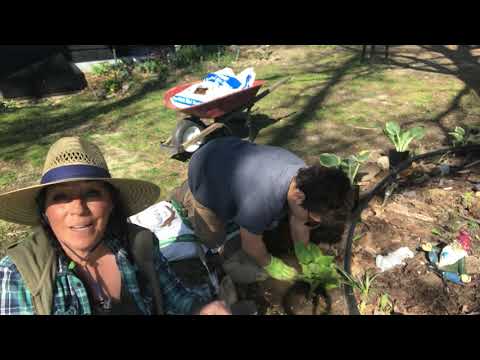
If you want to read more articles like Is it Okay to Plant Hostas Around Trees? Essential Tips for Gardeners, we recommend you check out our Hostas category.
Leave a Reply
Related Articles