What Herbs Need the Most Space? A Guide to Planning Your Herb Garden Efficiently
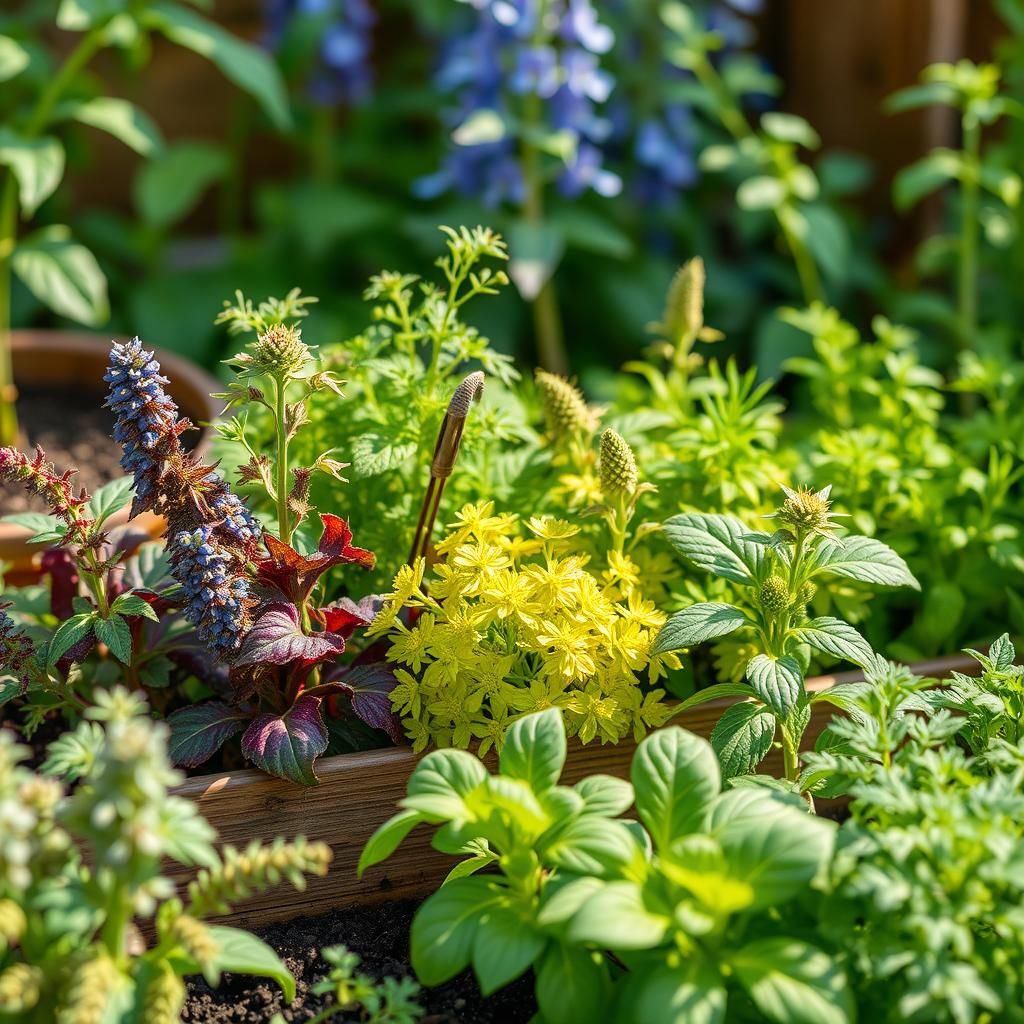
Creating a successful herb garden requires careful planning, especially when it comes to spacing. Some herbs thrive in close quarters, while others need ample room to flourish. Understanding the space requirements of various herbs not only ensures healthy growth but also maximizes the productivity of your garden. This guide delves into which herbs need the most space, offering insights on their growth habits and optimal planting conditions. Whether you're a seasoned gardener or a beginner, mastering the art of herb spacing can lead to a bountiful and thriving garden, allowing you to enjoy fresh flavors throughout the seasons.
Which Herbs Require the Most Space for Optimal Growth?
When growing herbs, it's essential to consider their space requirements, as some herbs tend to spread more than others, impacting their health and yield. Larger herbs like basil, sage, and rosemary require ample space both above and below ground to thrive. For instance, basil can grow quite bushy, needing up to 24 inches of vertical space, while its roots also spread out, requiring a deep pot or generous patch of soil. Similarly, sage can reach a height of 24 to 30 inches and needs proper spacing to prevent overcrowding, which can lead to poor air circulation and higher susceptibility to diseases. Therefore, understanding the spatial needs of these herbs is vital for maintaining a fruitful herb garden.
Basil and Its Space Demands
Basil is a popular herb that grows vigorously and can develop dense, bushy foliage. To promote healthy growth and maximum production, basil should be spaced out with at least 12 to 18 inches between each plant. This spacing helps ensure that the leaves receive sufficient sunlight and air circulation, contributing to overall plant vigor and preventing issues like fungal diseases.
Understanding Sage's Growth Habit
Sage, known for its aromatic leaves, can grow tall and wide, often reaching heights of up to 30 inches. To allow for its sprawling habit, each sage plant should ideally be situated at least 18 to 24 inches apart. This spacing provides the plant with enough room to spread its branches while ensuring that nutrients in the soil are not being overly depleted by competition from neighboring plants.
Rosemary's Expansive Nature
Rosemary is another herb that needs ample space due to its sprawling, woody growth habit. It can grow up to 4 feet in width and between 2 to 5 feet in height, depending on the variety. When planting rosemary, it is crucial to space each plant at least 24 to 36 inches apart to allow for proper airflow and growth. This spacing is critical in preventing fungal diseases and ensuring that each plant has access to sunlight.
See also:
Oregano and Its Less Intensive Spacing
Oregano, while slightly more compact than basil or sage, can still benefit from adequate space around it. Though it typically grows to about 2 feet in height, it does spread out horizontally, requiring about 12 inches of separation between plants. Providing sufficient spacing while planting will help oregano maintain vigor and facilitate harvesting.
Thyme’s Compact Growth
Thyme is a compact herb compared to others discussed and can be grown successfully in smaller spaces. However, it is still beneficial to provide about 12 inches of space between thyme plants. This allows for sufficient airflow while still taking advantage of smaller garden areas. Thyme proliferates with proper spacing and can thrive even in poor soil as long as it isn't overcrowded.
| Herb | Optimal Height | Spacing Requirement |
|---|---|---|
| Basil | Up to 24 inches | 12-18 inches apart |
| Sage | 24-30 inches | 18-24 inches apart |
| Rosemary | 2-5 feet | 24-36 inches apart |
| Oregano | 2 feet | 12 inches apart |
| Thyme | Up to 12 inches | 12 inches apart |
Understanding the Space Requirements of Popular Herbs
When planning your herb garden, it's crucial to consider the space requirements of different herbs, as some can become quite large and sprawling if not properly managed. Many culinary herbs such as basil, oregano, and rosemary thrive in spacious environments where they can spread out and receive adequate sunlight and air circulation. In contrast, herbs like parsley and chives are more compact and can grow well in confined spaces. This guide will help you create an efficient layout that maximizes the growth potential of your herb garden while ensuring that each plant has the proper space to flourish.
Herbs That Spread Out Easily
Certain herbs, particularly vining or bushy varieties, can take up a significant amount of space in your garden. For instance, mint and basil tend to spread quickly if given the chance, resulting in dense patches that may overshadow smaller herbs. These types of herbs are often best grown in containment solutions, such as pots or raised beds, to prevent them from overtaking other plants.
Compact Herbs for Smaller Gardens
If you are working with limited space, consider compact herbs like thyme and chives. These herbs require less room and can thrive even in cramped conditions, making them ideal for urban gardening or small containers. They not only contribute to a beautiful garden but also make it easier to maintain a manageable layout.
See also:
Vertical Gardening for Space-Hungry Herbs
Utilizing vertical gardening techniques is a smart strategy for herbs that need more space, such as climbing varieties or those that naturally grow tall. By installing shelves, trellises, or even hanging pots, you can effectively maximize your space while allowing these herbs to grow upward. This approach not only saves ground space but also enhances the visual appeal of your herb garden.
Spacing Guidelines for Herb Planting
Understanding the recommended spacing for different herb plants is essential for their health and productivity. As a general rule, herbs like rosemary or sage should be planted at least 12 to 18 inches apart, while smaller herbs such as cilantro can be spaced more closely at about 6 inches apart. Following these guidelines ensures that your plants have enough room to grow without competing for nutrients and light.
Environmental Factors Affecting Space Needs
The environment can significantly influence the space requirements of your herbs. Factors such as sunlight, humidity, and soil quality play pivotal roles in plant growth. Herbs in a sunny environment may grow larger than those in shaded areas, increasing their spatial needs. Likewise, herbs in ideal soil conditions may become more vigorous, further necessitating adequate spacing to prevent overcrowding and enhance overall garden health.
Questions from Our Readers
What herbs require the most space to grow?
Growing herbs like basil, sage, and rosemary typically require more space than others. These herbs tend to have larger root systems and can spread out significantly if given the right conditions, requiring ample room for each plant to thrive without competing for nutrients and moisture.
How can I determine the spacing needed for each herb?
To determine the spacing needed for each herb, consult specific guidelines based on the herb's growth habits. Many sources recommend allowing at least 12 to 18 inches between larger herbs like oregano and thyme, whereas smaller herbs may need less space. The key is to ensure that each plant has enough room to grow without overcrowding.
See also:
Do larger containers help herbs that need more space?
Yes, larger containers can significantly benefit herbs that require more space, as they provide a more stable environment for root growth. Using pots that are at least 12 inches in diameter allows for better drainage and promotes healthier growth for herbs like lavender and tarragon, which appreciate having room to expand.
Can I still grow space-intensive herbs in a small garden?
Absolutely! You can implement vertical gardening or use container gardening techniques to grow space-intensive herbs in a small garden. Opting for hanging pots or tiered planters allows you to maximize your space while still enjoying herbs like dill and parsley, ensuring they have enough room to flourish.

If you want to read more articles like What Herbs Need the Most Space? A Guide to Planning Your Herb Garden Efficiently, we recommend you check out our Herbs category.
Leave a Reply
Related Articles