What Herbs Are Perennials? Discover the Best Choices for Your Garden
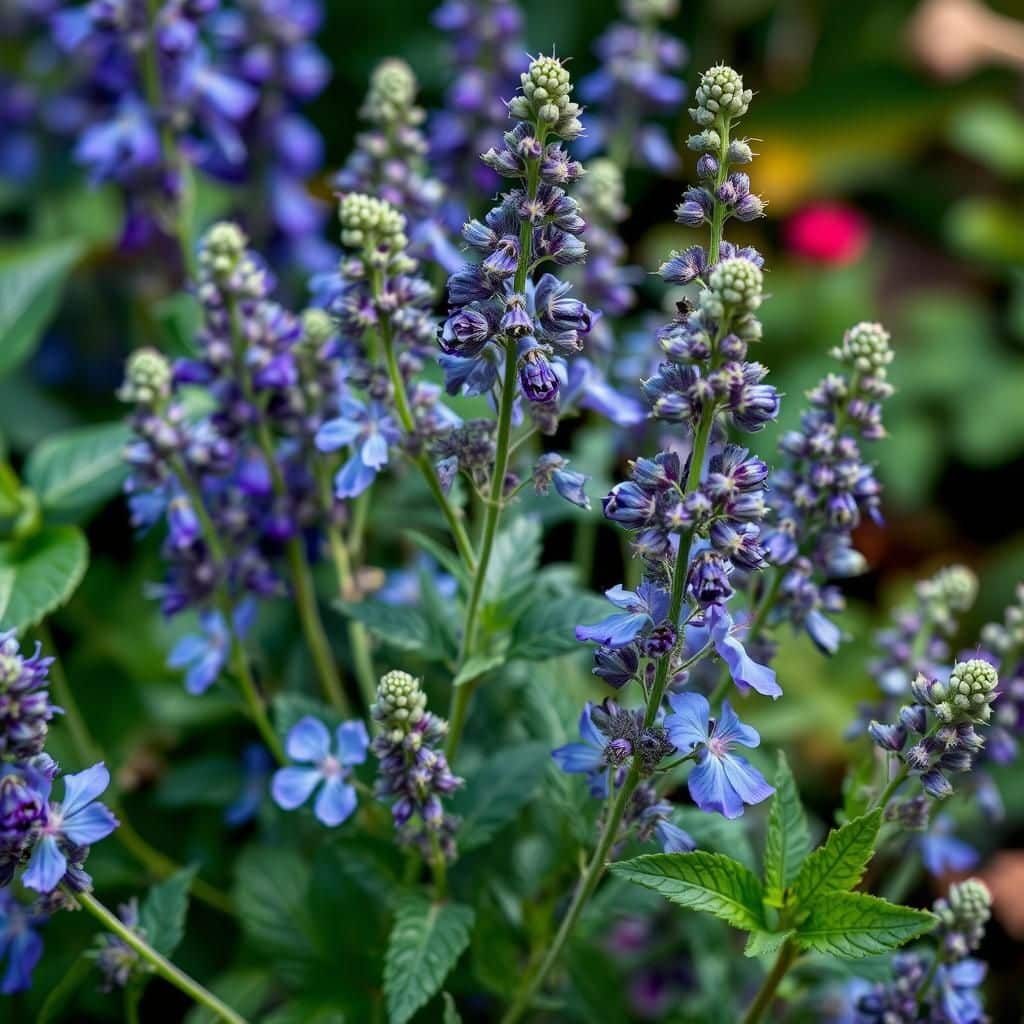
When planning a garden, choosing the right herbs can make all the difference in ensuring a flourishing and sustainable landscape. Perennial herbs, in particular, are a great investment as they return year after year, providing not just flavor but also beauty to your garden. This article explores a variety of perennial herbs that thrive in different climates and conditions, highlighting their uses, benefits, and care requirements. Whether you are a seasoned gardener or a novice, discovering the best perennial herbs will help you create a vibrant and productive garden that enhances your culinary creations.
What Are Perennial Herbs?
Perennial herbs are plants that live for more than two years, returning season after season without needing to be replanted. Unlike annuals that complete their life cycle within a single growing season, perennial herbs grow back each spring from their root systems, allowing them to provide culinary and medicinal benefits for many years. Popular examples of perennial herbs include sage, thyme, and mint, which can thrive in various climates and soil conditions. They are valued not only for their flavor and aroma but also for their ability to attract beneficial pollinators and improve soil health.
Benefits of Growing Perennial Herbs
Growing perennial herbs offers several advantages, including lower maintenance and increased sustainability. Once established, they require less frequent watering and can survive in various weather conditions. Additionally, these herbs contribute to biodiversity in gardens, providing habitats for insects and birds. Their long-term growth reduces the need for replanting, leading to less soil disturbance and better soil health overall.
Popular Perennial Herbs
Some of the most popular perennial herbs include rosemary, oregano, chives, and lemon balm. These herbs are not only practical for cooking but also flourish in a variety of growing conditions. For example, rosemary prefers well-drained soil and plenty of sunlight, while chives can thrive in partial shade. Their ability to grow year after year makes them staples in home gardens.
How to Plant Perennial Herbs
Planting perennial herbs typically involves selecting a suitable location that offers adequate sunlight, good drainage, and rich soil. It’s important to prepare the soil by mixing in organic matter such as compost to enhance fertility. When planting, herbs should be spaced appropriately to allow for air circulation and healthy growth. Regular pruning may also be necessary to keep the plants thriving and to encourage new growth.
See also:
Caring for Perennial Herbs
Caring for perennial herbs involves consistent watering, especially during dry spells, and mulching to retain moisture and suppress weeds. It's also beneficial to fertilize them with organic fertilizers in early spring to promote robust growth. Pruning these herbs at the right time can lead to more vigorous production, and harvesting can be done throughout the growing season without harming the plant.
Common Pests and Diseases
While perennial herbs are generally hardy, they can be prone to certain pests and diseases such as aphids, spider mites, and root rot. Regular monitoring and prompt intervention are crucial for managing these issues. Using companion planting techniques, which involve planting herbs alongside other beneficial plants, can help deter pests naturally and promote overall plant health. Proper air circulation and watering practices can also mitigate disease risks.
| Herb | Type | Sunlight | Watering Needs |
|---|---|---|---|
| Rosemary | Perennial | Full Sun | Low |
| Thyme | Perennial | Full Sun | Low |
| Sage | Perennial | Full Sun | Moderate |
| Mint | Perennial | Partial Shade | High |
| Chives | Perennial | Partial Shade to Full Sun | Moderate |
Key Benefits of Growing Perennial Herbs in Your Garden
Growing perennial herbs in your garden offers numerous benefits that can enhance your gardening experience. These herbs, such as sage, thyme, and oregano, will come back year after year, providing you with a sustainable source of culinary or medicinal plants without the need for annual replanting. This reduces the time and effort spent on planting and cultivation while allowing you to focus on other aspects of gardening. Additionally, perennial herbs often have deeper root systems, which can improve soil health and reduce the need for frequent watering. Their long-lasting presence also supports local wildlife, including pollinators, thereby contributing to a balanced ecosystem.
Top Perennial Herbs for Culinary Use
When it comes to culinary applications, several perennial herbs stand out due to their flavors and versatility. Herbs like rosemary, chives, and mint not only thrive in various climates but also add depth to a wide range of dishes. Rosemary is known for its robust flavor, making it perfect for meats and roasted vegetables, while chives add a mild onion taste to salads and sauces. Mint, with its refreshing aroma, can be used in both sweet and savory recipes, making it a popular choice.
Medicinal Properties of Perennial Herbs
Many perennial herbs are valued for their medicinal properties as well. For example, lemon balm is known for its calming effects and can be used as a tea to alleviate stress. Similarly, sage has antimicrobial properties and has been traditionally used to support digestive health. Incorporating these herbs into your garden not only yields flavorful additions to your kitchen but also provides access to natural remedies that can support overall wellness.
See also:
How to Care for Perennial Herbs
Caring for perennial herbs requires understanding their specific needs to encourage robust growth. Most perennial herbs thrive in well-drained soil and benefit from full sunlight for at least six hours a day. Regular pruning helps promote bushier growth and prevents them from becoming woody. Additionally, providing adequate mulching can help retain moisture and suppress weeds, allowing your herbs to flourish throughout the growing season.
Best Growing Practices for Perennial Herbs
Implementing the best growing practices is essential for successfully cultivating perennial herbs. Start by choosing a suitable location with plenty of sunlight and ensure that the soil has good drainage to prevent root rot. Companion planting can also enhance growth; for instance, planting basil near oregano may improve both plants' health and yield. Regular feeding with organic fertilizers can provide the necessary nutrients that promote vigorous growth.
Creating a Perennial Herb Garden Design
Designing a perennial herb garden can be both functional and aesthetically pleasing. To create a cohesive layout, consider grouping herbs with similar water and sunlight requirements together. Utilizing raised beds or containers can make maintenance easier and provide better drainage. Additionally, incorporating decorative elements such as pathways or borders can enhance the garden's visual appeal while making access to your herbs simple and enjoyable.
Questions from Our Readers
What are some common perennial herbs?
Perennial herbs include a variety of plants that can survive for several years, returning each spring. Some common examples are sage, thyme, oregano, and rosemary. These herbs not only provide culinary benefits but also add beauty to gardens with their vibrant foliage and flowers.
How do perennial herbs differ from annual herbs?
The main difference between perennial herbs and annual herbs is their lifecycle. While annual herbs, like basil and cilantro, complete their life cycle in one year and need to be replanted, perennial herbs live for multiple years and can grow back without replanting, making them a more sustainable choice for gardeners.
See also:
Can perennial herbs thrive in pots?
Yes, many perennial herbs can thrive in pots, provided they have adequate drainage and sunlight. Herbs like chives and mint can be grown in containers indoors or outdoors, allowing for easy access and a controlled environment, which is particularly beneficial in areas with harsh winters.
Do perennial herbs require special care?
While perennial herbs are generally low-maintenance, they do benefit from regular watering, especially during dry spells, and occasional fertilization to promote healthy growth. Pruning and harvest can also encourage bushier growth and improve the overall quality of the herbs.

If you want to read more articles like What Herbs Are Perennials? Discover the Best Choices for Your Garden, we recommend you check out our Herbs category.
Leave a Reply
Related Articles