Discover What is the Queen of All Herbs? – Benefits, Uses, and More
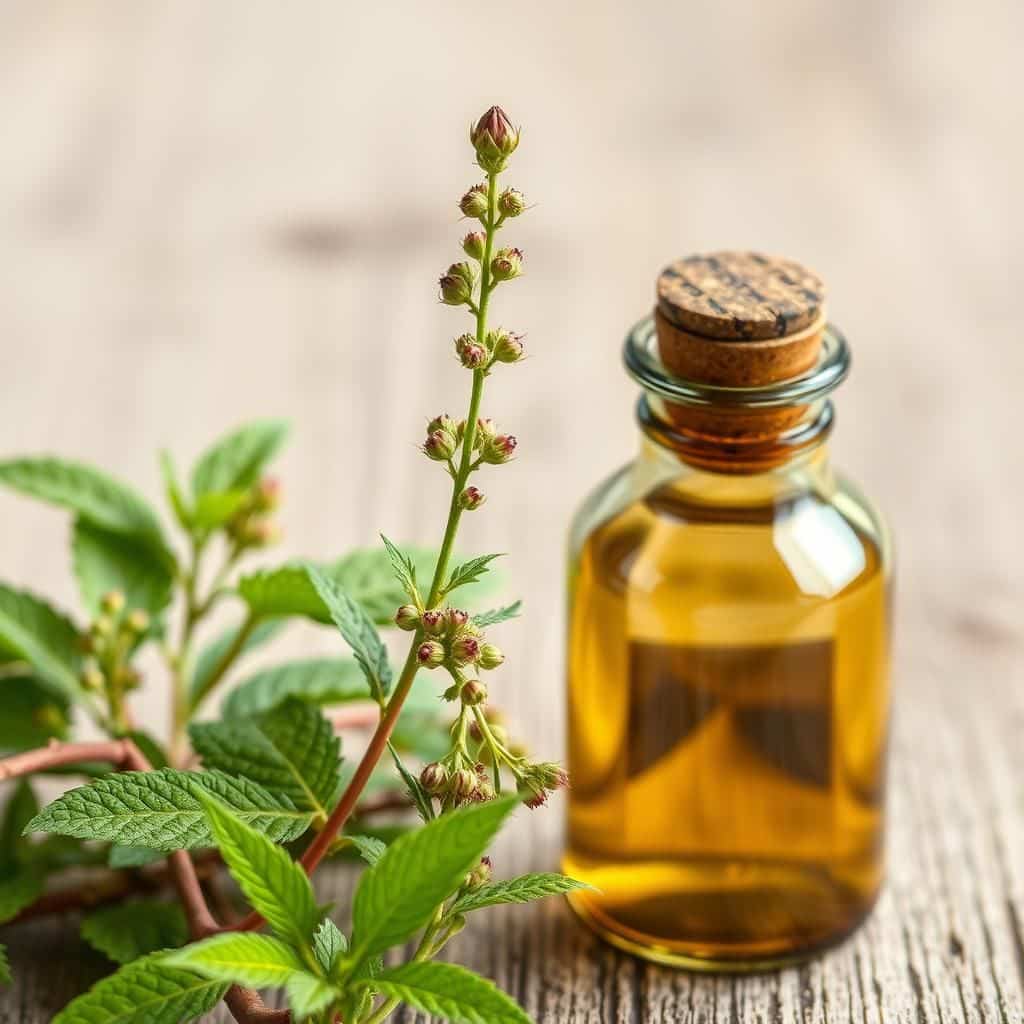
In the ever-evolving world of herbal medicine, one herb stands out as a remarkable powerhouse among its peers—often referred to as the Queen of All Herbs. This title not only emphasizes its prominent role in traditional healing practices but also highlights its wide-ranging benefits and uses. From enhancing wellness to serving as a flavorful culinary ingredient, this herb has captured the attention of health enthusiasts and culinary experts alike. In this article, we will delve into the fascinating qualities of the Queen of All Herbs, explore its benefits, various uses, and much more, uncovering why it deserves a place in your kitchen and medicine cabinet.
What is the Queen of All Herbs?
The term Queen of all herbs is often attributed to Tulsi, also known as Holy Basil (Ocimum sanctum). This revered plant is native to the Indian subcontinent and has been a cornerstone in traditional medicine and spiritual practices for centuries. Celebrated for its myriad of health benefits, Tulsi is known to possess adaptogenic properties that help the body cope with stress. Its rich profile of antioxidants, vitamins, and minerals makes it a potent herb that promotes overall wellness. In addition, Tulsi is regarded as a sacred plant in Hinduism, symbolizing purity and the art of living harmoniously. Its therapeutic uses range from soothing respiratory disorders to boosting immune function, earning it the esteemed title in the herbal realm.
1. Historical Significance of Tulsi
Tulsi has a rich historical background, deeply intertwined with the culture and spirituality of India. It is believed that the plant has been cultivated for over 5,000 years, primarily for its medicinal properties. In Hindu traditions, Tulsi is often worshipped, signifying its importance not just as an herb, but as a sacred symbol of love and devotion. This reverence has been passed down through generations, and Tulsi continues to be an integral part of daily spiritual practices in many homes.
2. Nutritional Profile and Health Benefits
Tulsi boasts an impressive nutritional profile that includes essential vitamins such as A, C, and K, along with minerals including calcium, iron, and magnesium. The presence of various phytochemicals such as eugenol and rosmarinic acid contributes to its strong antioxidant properties, which help protect the body from damage by free radicals. Regular consumption of Tulsi can support the immune system, improve digestion, and enhance overall vitality, making it a vital herb for maintaining good health.
3. Culinary Uses of Tulsi
In addition to its medicinal properties, Tulsi is widely used in culinary practices, especially in Indian cuisine. The leaves are often incorporated into teas, soups, and curries, imparting a unique, slightly spicy flavor. Furthermore, Tulsi can be used to make refreshing herbal infusions that promote hydration and health. Its versatility allows it to be a flavorful addition to various dishes while also offering its remarkable health benefits.
See also:
4. Tulsi's Role in Ayurveda
In Ayurvedic medicine, Tulsi holds a prominent position as a cornerstone herb for promoting balance and harmony in the body. It is classified as a rasayana, which means it enhances longevity and mental clarity. Practitioners often recommend Tulsi for its ability to alleviate stress, improve energy levels, and provide clarity of thought. It is also used in treatments for various ailments, emphasizing the holistic approach to health that Ayurveda advocates.
5. Modern Research on Tulsi
Recent scientific studies have brought to light numerous potential health benefits of Tulsi, validating many of the claims made in traditional medicine. Research indicates that Tulsi may have anti-inflammatory, anti-bacterial, and anti-viral properties. Ongoing studies are exploring its potential effects on blood sugar regulation, respiratory health, and overall mental wellness. This growing body of evidence solidifies Tulsi's reputation not just as a culinary and cultural icon, but as a scientifically-backed herb with therapeutic applications.
| Aspect | Details |
|---|---|
| Scientific Name | Ocimum sanctum |
| Family | Lamiaceae |
| Culinary Uses | Soups, teas, curries |
| Primary Benefits | Stress relief, immune support, anti-inflammatory |
| Historical Use | 5,000 years in traditional medicine |
Exploring the Nutritional Profile of the Queen of All Herbs
The Queen of All Herbs, often referred to as Tulsi or Holy Basil, boasts a remarkable nutritional profile enriched with vital vitamins, minerals, and antioxidants. It contains an array of essential oils, such as eugenol, which contribute to its anti-inflammatory and anti-bacterial properties. Additionally, Tulsi is rich in Vitamin K, promoting bone health, and contains high amounts of Vitamin C, enhancing the immune system. Its ability to combat oxidative stress makes it a prominent herb in traditional remedies and contemporary health practices. Its extensive array of benefits establishes it as a powerhouse of nutrition, making it an indispensable herb in both culinary and medicinal applications.
Historical Significance of the Queen of All Herbs
The Queen of All Herbs, known in India as Tulsi, holds significant importance in Hindu culture, often associated with the goddess Lakshmi. For centuries, it has been considered a sacred plant, symbolizing purity and virtue. Moreover, Tulsi has been integrated into various spiritual rituals, believed to promote spiritual well-being and purification. Traditional texts describe its use in Ayurveda as a tonic for the mind, body, and spirit, showcasing its longstanding role in Indian medicine and holistic practices.
Health Benefits of the Queen of All Herbs
The health benefits of Tulsi are vast, making it a cornerstone of natural remedies. It is known for its adaptogenic properties, which help the body to cope with stress and promote mental clarity. Additionally, studies have shown its potential to reduce blood sugar levels and support heart health by maintaining healthy cholesterol levels. This herb also possesses anti-inflammatory and antibacterial effects, assisting in the treatment of conditions like respiratory issues and skin irritations, thus underscoring its role as a multifunctional herb.
See also:
Culinary Uses of the Queen of All Herbs
In culinary applications, the Queen of All Herbs adds a distinctive flavor and aroma to various dishes. Its peppery and slightly sweet taste enhances soups, stews, and sauces, making it a favored herb in Indian cuisine. Tulsi leaves can be used fresh in salads or as a garnish, while dried leaves are commonly utilized in herbal teas, providing not only flavor but also a myriad of health benefits. Chefs and home cooks alike appreciate its versatility, often incorporating it into everyday meals to elevate both taste and nutrition.
Common Uses of the Queen of All Herbs in Traditional Medicine
Traditionally, Tulsi has been employed for its remedial properties in treating a variety of ailments. It is frequently used to alleviate symptoms of cough and cold, providing relief through its expectorant benefits. Furthermore, its anti-inflammatory effects render it effective for conditions like arthritis and joint pain. Herbalists often recommend Tulsi for its ability to enhance overall well-being and vitality, as it is believed to improve digestion and promote detoxification within the body, making it a staple in holistic health practices.
Modern Research on the Queen of All Herbs
Recent scientific research continues to validate the traditional uses of Tulsi, uncovering its active compounds and their effects. Studies indicate that the herb contains bioactive constituents like ursolic acid, which exhibit strong antioxidant activity, potentially reducing the risk of chronic diseases. Ongoing research focuses on its role in managing mental health disorders, exploring its efficacy in lowering anxiety and enhancing cognitive function. As scientists delve deeper into its properties, Tulsi emerges as a promising candidate for future therapeutic developments, bridging the gap between traditional knowledge and modern medicine.
Questions from Our Readers
What is the queen of all herbs?
The queen of all herbs is often considered to be basil. This herb is celebrated for its aromatic flavor and versatility in various cuisines, particularly Italian and Thai dishes. Its popularity and health benefits contribute to its esteemed title.
What are the health benefits of basil?
Basil is known for its numerous health benefits, including anti-inflammatory properties, antioxidant effects, and the ability to combat stress. It is also rich in vitamins and minerals, making it a valuable addition to a healthy diet.
See also:
How can I use basil in cooking?
Basil can be used in a variety of dishes, such as pesto, salads, and pasta sauces. Fresh basil leaves are often added to dishes just before serving to enhance flavor, while dried basil can be used in cooking for longer periods.
Can basil be grown at home?
Yes, basil is an excellent herb for home gardening, as it can be easily grown in pots or in a garden bed. It requires plenty of sunlight, well-drained soil, and regular watering, making it suitable for both indoor and outdoor cultivation.

If you want to read more articles like Discover What is the Queen of All Herbs? – Benefits, Uses, and More, we recommend you check out our Herbs category.
Leave a Reply
Related Articles