What is the Best Garden for a Beginner? Top Tips and Ideas for New Gardeners
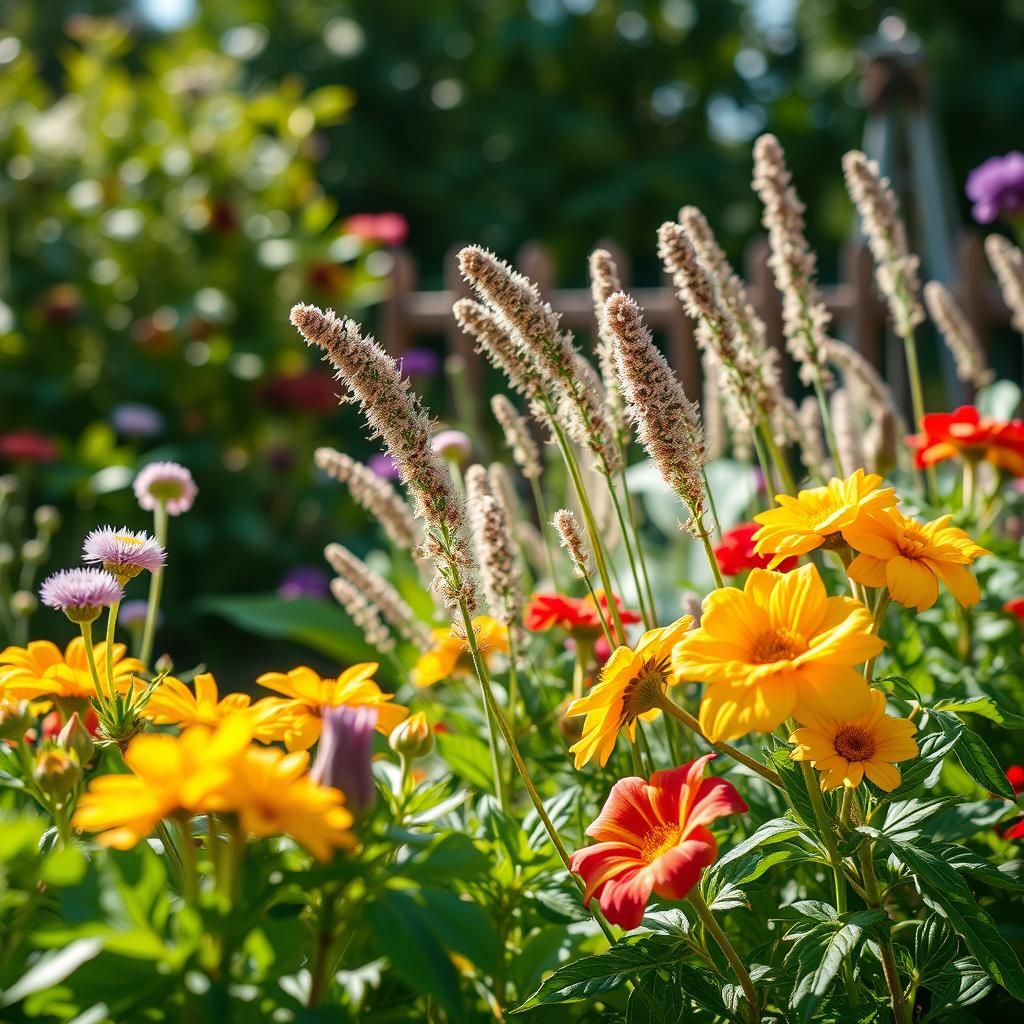
Starting a garden can be an exciting yet overwhelming endeavor for beginners. The right garden setup can make all the difference in ensuring a successful and enjoyable gardening experience. In this article, we will explore the best types of gardens suited for novice gardeners, highlighting essential tips and ideas to help you cultivate your green space with confidence. From choosing the right plants to understanding basic gardening techniques, our guide aims to simplify the process and inspire you to get your hands dirty. Whether you have a small balcony or a spacious backyard, there’s a perfect garden waiting for you.
Choosing the Perfect Garden for Beginners
Starting a garden can be a rewarding experience for beginners, and the best garden for them typically combines ease of maintenance, suitability for local climate, and fast-growing plants. A vegetable garden with a few selected easy-to-grow crops, such as radishes, lettuce, and herbs, can yield satisfying results with minimal effort. Additionally, raised beds or container gardening can simplify the planting process and avoid issues with poor soil quality. For those looking for aesthetics, a flower garden featuring hearty perennials might be preferable, as they require less frequent replacement. Ultimately, the ideal choice will depend on the gardener's interests, space, and time commitment.
Benefits of Raised Bed Gardening
Raised bed gardening is a fantastic choice for beginners as it offers improved drainage, soil quality, and easier maintenance. The elevated structure allows for more control over the soil, which can help prevent compaction and makes it easier to reach the plants for watering and harvesting. Additionally, raised beds can be built at a height that is comfortable for the gardener, reducing strain on the back and knees. This method also helps to keep out pests and allows for extended growing seasons by warming the soil faster in the spring.
Best Vegetables for Beginners
When starting a vegetable garden, selecting the right plants is crucial for success. Beginners should consider fast-growing vegetables such as radishes, green beans, and zucchini, which can provide quick satisfaction and encouragement. These plants are typically resistant to common pests and diseases, making them ideal for those new to gardening. Moreover, herbs like basil and cilantro are also excellent choices due to their low maintenance and ability to thrive in various conditions.
Flower Gardening Basics
For those more interested in aesthetics, flower gardening provides a colorful and fulfilling experience. Beginners may find that starting with annuals such as marigolds or petunias allows for vibrant blooms within a single growing season. They are easy to care for and can be planted directly into the ground after the last frost. Incorporating perennials, which return year after year, can also be beneficial, as they typically require less frequent replanting and offer a longer-term investment in the garden's beauty.
Container Gardening for Limited Spaces
Container gardening is an excellent option for beginners with limited space, such as apartments or small backyards. This method allows for maximum flexibility in plant selection and easier access to gardening tools. Using containers, individuals can grow a variety of plants, from vegetables to flowers, and even arrange them to complement patio aesthetics. Additionally, containers can be moved to take advantage of sunlight, and they can often help manage watering more effectively, preventing over or under-watering.
The Role of Soil Quality
Soil quality is a fundamental aspect of any successful garden, especially for beginners. Using high-quality compost or soil mix ensures that plants receive the necessary nutrients and improves overall drainage. It's advisable for novice gardeners to conduct a simple soil test to determine pH levels and nutrient content, which can guide them in making amendments. Investing time in preparing the soil correctly can significantly enhance plant growth, leading to a more fulfilling gardening experience.
| Gardening Method | Key Benefits |
|---|---|
| Raised Bed Gardening | Improved drainage, easier access, less back strain |
| Vegetable Gardening | Fast results, low maintenance crops, fresh produce |
| Flower Gardening | Colorful blooms, annual and perennial options |
| Container Gardening | Space-efficient, movable, versatile plant options |
| Soil Preparation | Nutrient-rich, better drainage, ideal plant growth |
What is the easiest garden for beginners?
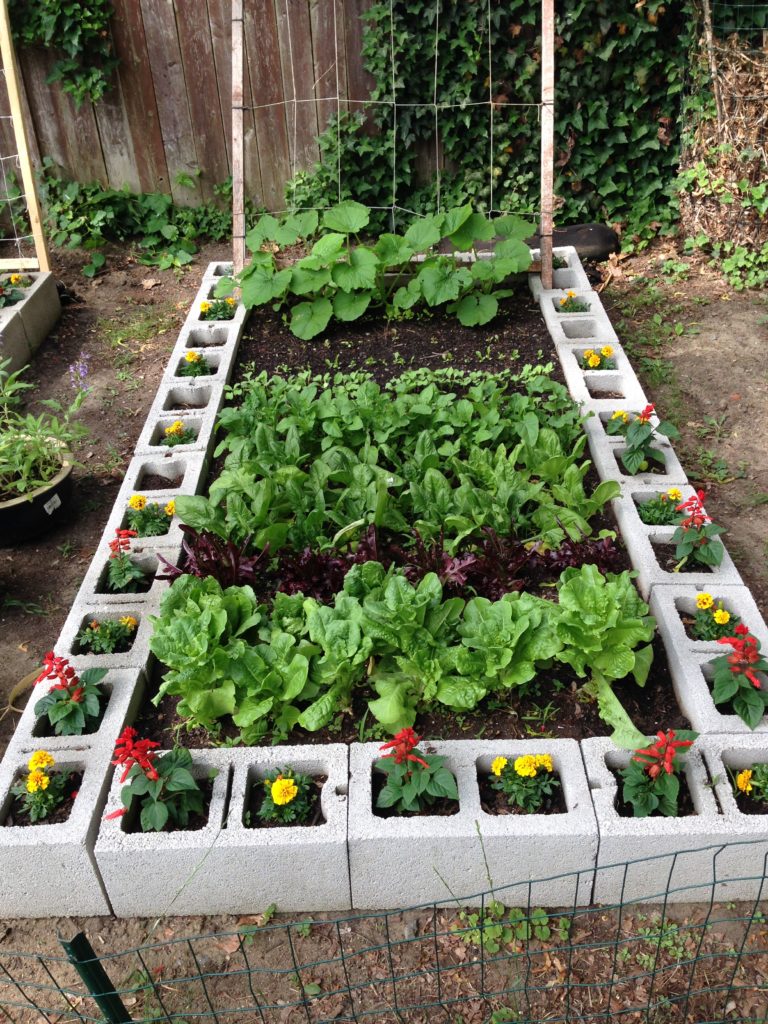
The easiest garden for beginners is typically a vegetable garden or a container garden. Both options are user-friendly and can yield successful results with minimal experience. Here’s a detailed look at some easy gardening options.
Understanding Raised Bed Gardens
Raised bed gardens are a popular choice for beginners due to their ease of use and versatility. They involve creating a garden bed that is elevated above the ground, which can improve drainage and soil quality.
- Enhanced control over soil quality: You can fill a raised bed with the best soil mix tailored to the crops you wish to grow.
- Reduced physical strain: The height can be adjusted to reduce bending over, making gardening more accessible.
- Better drainage and pest control: The structure helps prevent root rot and makes it harder for pests to invade.
Choosing Easy-to-Grow Vegetables
For beginners, selecting the right vegetables is crucial. Some vegetables are more forgiving and can thrive without extensive gardening knowledge.
- Radishes: They grow quickly and can be harvested in as little as three weeks.
- Lettuce: It requires minimal care and can be harvested multiple times in a growing season.
- Carrots: These root vegetables are easy to grow from seed and have a low maintenance requirement.
Utilizing Container Gardens
Container gardening is an excellent option for those with limited space. It allows for gardening in small areas, balconies, or patios while still being impactful.
- Mobility: Containers can be moved to take advantage of sunlight or to protect plants from inclement weather.
- Flexibility in location: You can garden anywhere that receives adequate sunlight, even indoors.
- Variety of plant options: From herbs to small vegetables, almost anything can be grown in containers with proper care.
Understanding Basic Gardening Techniques
For beginners, grasping some basic gardening techniques can vastly improve the chances of success. Familiarity with these methods can lead to a productive garden.
See also:
- Watering appropriately: Understanding how and when to water is essential for plant health; overwatering can cause root rot, while underwatering can lead to wilt.
- Mulching: Applying a layer of mulch can help retain moisture, suppress weeds, and regulate soil temperature.
- Companion planting: This technique involves planting certain crops together to enhance growth, repel pests, and provide beneficial nutrients.
Harvesting and Maintenance Tips
Effective maintenance and harvesting strategies can contribute to a flourishing garden by ensuring your plants remain healthy and productive throughout the season.
- Regular monitoring: Check your plants for signs of pests or disease and address issues early.
- Harvesting at the right time: Picking crops at their peak allows for the best flavor and ensures continued production.
- Seasonal crop rotation: Changing where you plant specific crops each year can help maintain soil health and reduce pest and disease problems.
What is the rule of 3 in gardening?

The Rule of Three in gardening is a design principle that suggests using odd numbers, specifically groups of three, to create more visually appealing and harmonious landscapes. This rule applies to plant arrangements, flower beds, and garden layouts. It is based on the idea that odd numbers can provide better balance and make the composition more interesting to the eye. Here are the key aspects of the Rule of Three:
Understanding the Aesthetic Appeal
The aesthetic appeal of using the Rule of Three lies in its ability to create visual interest. When plants are grouped in threes, the eye is naturally drawn to them, creating a sense of harmony and balance in the garden. This grouping allows for contrasting textures, colors, and shapes to stand out more distinctly.
- Balance: Odd-numbered groupings prevent symmetry that can feel rigid.
- Focus: Groups of three draw attention to focal points in a garden design.
- Variety: They allow for a mix of different plants without overwhelming the viewer.
Enhancing Plant Groupings
In practical terms, the Rule of Three can be applied when selecting and grouping plants. By planting three of the same species together, or three different species that complement each other, gardeners can create dynamic groupings that add depth to their garden. This technique is especially effective for perennials, bulbs, and shrubs.
- Color Cohesion: Grouping similar colors can enhance the overall palette of the garden.
- Seasonal Interest: Choose plants that bloom at different times to maintain visual interest throughout the seasons.
- Height Variation: Combine plants of various heights to create layers in your design.
Utilizing the Rule in Landscape Design
The Rule of Three can also be applied to landscape design beyond just plant groupings. This can include hardscapes, pathways, and outdoor furniture arrangements. Implementing this rule in landscape design contributes to a well-thought-out outdoor space that feels coherent and inviting.
- Pathways: Create paths that are bordered by groups of three plants for cohesive transitions.
- Seating Areas: Arrange seating in groups of three to foster conversation and intimacy.
- Structures: Use three focal points, such as trees, sculptures, or water features, to direct attention and flow in the design.
Impact on Wildlife
Applying the Rule of Three can also create diverse habitats that attract various forms of wildlife. Planting in odd numbers enhances not only the aesthetic appeal but also provides a better environment for bees, birds, and beneficial insects.
- Diversity: Using the rule encourages the selection of a variety of plants, which supports different wildlife.
- Pollination: Groupings help attract pollinators effectively by providing a concentrated food source.
- Habitat Creation: Threes create microhabitats that shelter various species.
Effective Application Examples
There are numerous ways to apply the Rule of Three in a garden setting. Whether designing a flower bed or incorporating shrubs, the examples are numerous and can inspire a gardener's creativity.
- Flower Beds: Use three different types of flowering plants in a bed for a vibrant display.
- Vegetable Gardens: Plant three tomatoes at one end and three peppers at the other to create visual order.
- Border Designs: Create borders using three variations of ornamental grass for added texture and movement.
What to plant for the first garden?
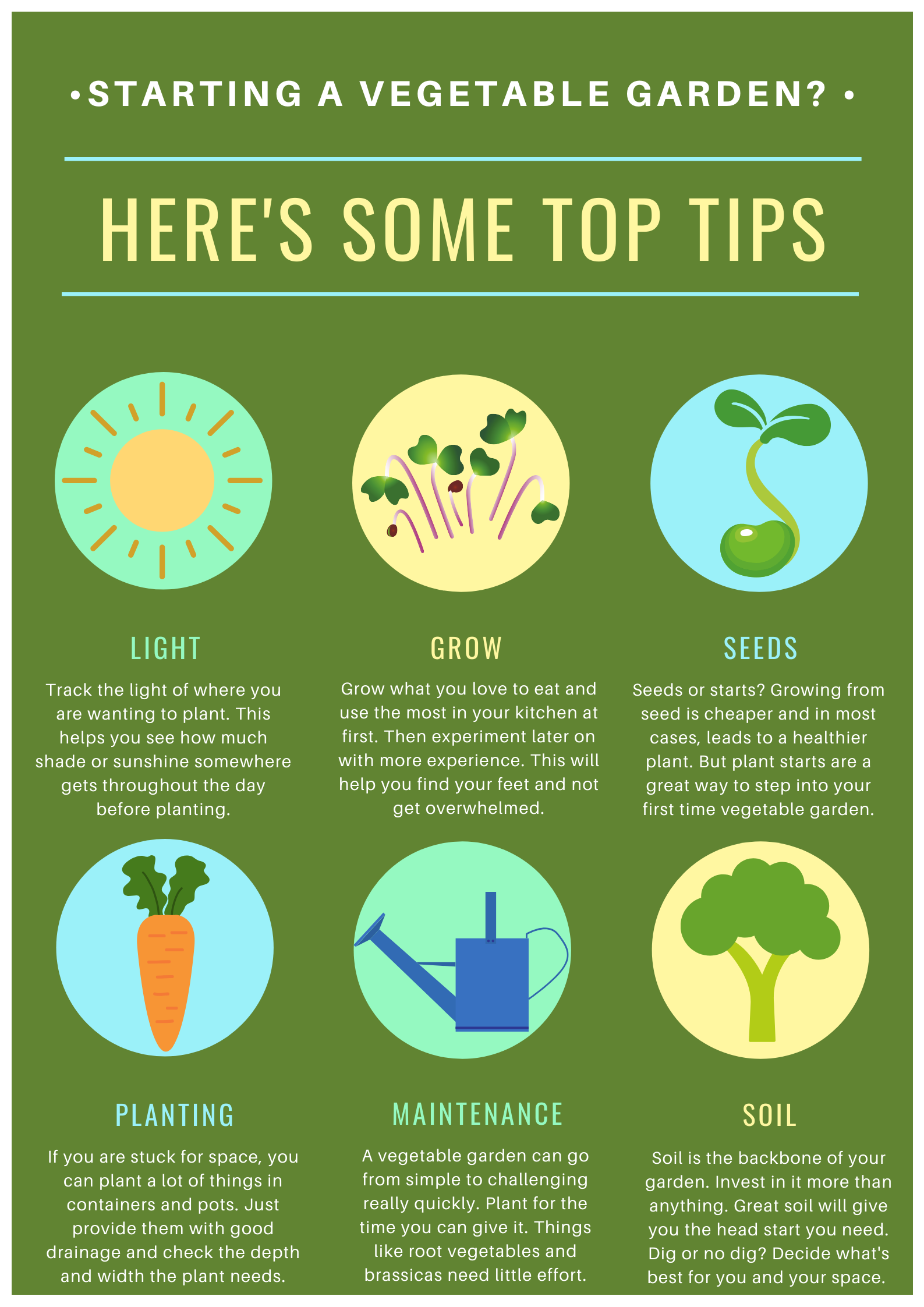
To start your first garden, it's essential to choose plants that are not only suitable for your climate and soil conditions but also easy to grow. Here are some recommendations for what to plant:
1. Vegetables: Begin with vegetables that are easy to cultivate and require minimal maintenance. Some great options include:
- Tomatoes: They thrive in warm weather and can be grown in containers or raised beds.
- Lettuce: Quick to germinate and can be sown directly into the ground.
- Radishes: These root vegetables mature quickly and take up little space.
2. Herbs: Growing herbs can enhance your cooking and is relatively easy. Consider planting:
- Basil: A flavorful herb that grows well in sunny spots.
- Parsley: Versatile in the kitchen and can grow in a variety of conditions.
- Mint: Hardy and spreads quickly; best grown in containers to control its growth.
3. Flowers: Adding flowers can attract pollinators and beautify your space. Suitable options include:
See also:
- Marigolds: Easy to grow and good for pest control in vegetable gardens.
- Sunflowers: Brighten up your garden and are relatively low-maintenance.
- Zinnias: Bloom profusely and are very forgiving for beginner gardeners.
4. Fruits: If you have space, consider planting fruit-bearing plants that yield bountiful harvests. Good choices are:
- Strawberries: These can be grown in containers or in the ground and yield fruit quickly.
- Raspberries: They can be planted in a sunny spot and provide fruit for years.
- Blueberries: Requires acidic soil but is a rewarding fruit to grow.
5. Companion Planting: Understand the benefits of companion planting, which can help improve growth and reduce pests. Consider these pairs:
- Tomatoes and Basil: Basil enhances tomato flavor and deters pests.
- Carrots and Onions: The strong smells of onions can repel carrot flies.
- Corn, Beans, and Squash: Known as the Three Sisters, they support each other's growth.
What is the best size garden for a beginner?
The best size garden for a beginner typically ranges from 100 to 200 square feet. This size is manageable and allows new gardeners to experiment without becoming overwhelmed. It's crucial to select a garden size that fits within your physical abilities, time commitments, and available resources. A smaller garden can be cultivated more easily, and it provides enough space to learn how to plant, maintain, and harvest crops effectively.
Understanding Space Requirements
The amount of space one needs for a garden depends largely on the type of plants being grown. For beginners, it's essential to understand that different plants have different space requirements.
- Vegetables: Most vegetables require at least 1-2 square feet per plant.
- Flowers: Annual flowers can often be planted more closely, needing about 1 square foot each.
- Herbs: Herbs can be grown in smaller spaces, sometimes just needing a few inches.
Benefits of a Smaller Garden
Starting with a smaller garden has numerous advantages, particularly for beginners seeking to develop their gardening skills without feeling overwhelmed.
- Manageability: Easier to maintain, weed, and water.
- Learning Curve: Ideal for grasping fundamental gardening concepts.
- Low Cost: Requires fewer resources in terms of seeds, plants, and soil amendments.
Choosing the Right Location
The location of your garden can significantly impact its success. Selecting a spot that receives adequate sunlight and has good drainage will optimize your gardening experience.
- Sunlight: Aim for at least 6 hours of direct sunlight per day.
- Soil Quality: Test soil for pH and nutrients to ensure healthy plant growth.
- Accessibility: Choose a location that is easy to access for regular maintenance.
Types of Beginner Gardens
There are several types of gardens suitable for beginners, each catering to different preferences and space limitations.
- Container Gardens: Use pots for easy mobility and control over soil quality.
- Raised Beds: Ideal for improving drainage and soil quality while giving easier access.
- Community Gardens: A chance to learn from others while sharing resources and space.
Setting Realistic Goals
As a beginner, setting realistic goals for your garden can make the process more enjoyable and less stressful.
- Start Small: Focus on just a few plants rather than an entire garden.
- Variety: Choose a mix of easy-to-grow plants to diversify your experience.
- Celebrate Progress: Acknowledge every harvest and observation made along the way.
Questions from Our Readers
What plants are best for beginners in a garden?
For beginners, herbs such as basil, parsley, and mint are excellent choices due to their easy care and quick growth. Additionally, vegetables like radishes and lettuce can flourish with minimal effort, making them suitable for new gardeners.
How much sunlight do beginner gardens need?
Most beginner gardens thrive with at least 6 to 8 hours of direct sunlight each day. Positioning your garden in a sunny area ensures that plants can access sufficient light, promoting healthy growth and vibrant yields.
What type of soil is ideal for a beginner's garden?
A well-draining potting mix or garden soil that is rich in organic matter is ideal for beginners. This type of soil can retain moisture while providing essential nutrients for plant development, making gardening easier and more successful.
How often should beginners water their garden?
Beginner gardeners should aim to water their plants about 1 inch per week, adjusting based on weather conditions. It's crucial to check the topsoil for moisture before watering to avoid over-saturation, which can harm the plants.
See also:
If you want to read more articles like What is the Best Garden for a Beginner? Top Tips and Ideas for New Gardeners, we recommend you check out our Garden category.
Leave a Reply
Related Articles