What is the common name for heuchera? Discovering the Popular Names and Varieties

Heuchera, a versatile perennial plant, is commonly known by several names that reflect its diverse varieties and widespread appeal. Among enthusiasts and gardeners, it is often referred to as coral bells due to its delicate, bell-shaped flowers that dangle gracefully above lush foliage. This article delves into the various common names associated with heuchera and explores the popular varieties that have captured the hearts of plant lovers everywhere. From its striking leaf colors to its adaptability in different garden settings, heuchera stands out as a vibrant addition, enhancing any landscape with its unique charm and beauty.
What is the Common Name for Heuchera?
Heuchera, a perennial plant known for its vibrant foliage, is commonly referred to as coral bells. This name derives from the small, bell-shaped flowers that bloom on slender stems above the leaves during the spring and summer. The foliage of heuchera comes in a variety of colors, ranging from deep burgundy to bright lime green, making it a popular choice among gardeners for adding drama and color to shaded areas of the garden. In addition to its aesthetic appeal, heuchera is valued for its ability to thrive in partial to full shade and its low maintenance requirements, making it an excellent choice for many landscaping situations.
Botanical Classification
Heuchera belongs to the family Saxifragaceae, which includes a wide range of flowering plants. Within the heuchera genus, there are over 50 species, with Heuchera americana, commonly known as American coral bell, being one of the most recognized. These plants are native to North America and can be found in various habitats, from woodlands to rocky slopes, demonstrating their adaptability to different growing conditions.
Cultural Significance
The common name coral bells comes from the distinct shape and appearance of its flowering stalks, which resemble small coral-like structures. Traditionally, these flowers were admired by early settlers and gardeners for their beauty and resilience. Over time, heucheras have gained popularity not only for their ornamental value but also for their role in traditional herbal medicine among various Indigenous cultures, where they were used to treat various ailments.
Growth Conditions
Heuchera plants thrive in well-drained soil and prefer a location with partial to full shade. While these plants are tolerant of drought once established, they benefit from regular watering during dry spells. Gardeners often choose to amend the soil with organic matter to enhance its nutrient content, promoting healthier foliage and more vibrant colors. This resilience makes heuchera an ideal choice for shaded garden beds, borders, and containers.
Common Varieties
There are numerous varieties of heuchera available, each showcasing unique foliage colors and textures. Some popular cultivars include “Palace Purple,” known for its dark purple leaves, and “Lime Ricky,” which features bright green foliage with a hint of chartreuse. Other notable varieties include “Caramel,” admired for its warm amber tones, and “Obsidian,” known for its almost black leaves. This extensive diversity allows garden enthusiasts to select the perfect heuchera to complement their landscape aesthetics.
Pest and Disease Resistance
Heuchera plants are generally resilient against common pests and diseases, making them a low-maintenance choice for gardeners. They are often resistant to powdery mildew and other fungal diseases, provided they are planted in well-drained soil and avoid overly damp conditions. Occasional pests such as aphids and slugs may be encountered, but they can generally be controlled with organic methods, ensuring that heuchera remains a healthy and vibrant addition to any garden.
| Common Name | Botanical Name | Native Region | Flower Color |
|---|---|---|---|
| Coral Bells | Heuchera | North America | White, Pink, Red |
| American Coral Bells | Heuchera americana | North America | White |
| Chocolate Ruffles | Heuchera | North America | White |
| Caramel | Heuchera | North America | White |
| Palace Purple | Heuchera | North America | White, Pink |
What is another name for Heuchera?

Heuchera is commonly known as coral bells. This name is derived from the bell-like flowers that appear on thin stalks above the foliage during the blooming period. While “coral bells” refers specifically to the flowers, the plant itself is celebrated for its striking foliage that comes in a variety of colors.
Common Cultivars of Heuchera
The genus Heuchera includes numerous cultivars that exhibit various leaf colors and textures. Some popular cultivars include:
- Heuchera 'Palace Purple' - This cultivar features deep purple leaves and is highly sought after for its visual appeal.
- Heuchera 'Caramel' - Known for its caramel-colored foliage, this plant provides a warm hue to gardens.
- Heuchera 'Lime Rickey' - This variety showcases bright lime-green leaves that stand out in any garden.
Natural Habitat and Growing Conditions
Heuchera plants are native to North America and generally prefer well-drained soil and partial shade. They can thrive in various conditions, including:
- Drought tolerance - Heuchera can withstand periods of drought, making them suitable for low-water gardens.
- Adaptability - These plants can adapt to different soil types, though they prefer rich, organic matter.
- Easy maintenance - Heuchera requires minimal care, making it a favorite among gardeners.
Uses in Garden Design
Coral bells are often used in landscape design for their colorful foliage and architectural form. They are ideal for:
- Border plants - Heuchera can create striking borders along pathways or flower beds.
- Ground cover - Their spreading habit makes them excellent for ground cover in shaded areas.
- Container gardening - Coral bells can be planted in containers, adding color and texture to patios and decks.
Attracting Pollinators
The flowers of Heuchera, or coral bells, are known to attract various pollinators, including:
- Bees - They are drawn to the sweet nectar, supporting local bee populations.
- Butterflies - The flowers provide a nectar source for butterflies during their lifecycle.
- Hummingbirds - The tubular shape of the blooms tends to attract these birds, making them a dynamic addition to gardens.
Propagation Methods
Heuchera can be propagated through different methods, each with its own benefits:
See also:
- Division - The most common method, which involves separating the plant's roots to create new specimens.
- Seed - Heuchera can also be grown from seeds, though this method may take longer to establish plants.
- Cuttings - Taking leaf cuttings can also yield new plants, though it requires more care and attention.
What is the Heuchera problem?

The Heuchera problem is a mathematical challenge in the field of combinatorial geometry. Named after the Heuchera plant due to its colorful leaves, the problem involves arranging points or vertices in a specific manner to avoid certain configurations, often drawing parallels with graph theory and topological aspects. The problem can be represented through various configurations and requires meticulous analysis to identify valid arrangements or solutions.
Understanding the Basics of the Heuchera Problem
The Heuchera problem revolves around the concept of arranging a finite set of points in a way that adheres to particular constraints. This problem has its roots in deeper mathematical theories and has applications in fields such as:
- Graph Theory: Understanding the arrangement of points can lead to insights about networks and connectivity.
- Topology: The shapes and embeddings in higher dimensions showcase the complexities of arrangements.
- Computational Geometry: Algorithms can be developed to solve these arrangements efficiently, impacting computer graphics.
Mathematical Formulation of the Heuchera Problem
The mathematical expression of the Heuchera problem encompasses various parameters and variables that define how points can be positioned. This formulation might include equations that outline the relationships and distances between points, emphasizing constraints such as:
- Distance Constraints: Conditions that specify the minimum or maximum distances between points.
- Configuration Constraints: Rules regarding permissible shapes or formations of point arrangements.
- Dimensionality: The problem can manifest differently in two-dimensional versus three-dimensional spaces.
Solving the Heuchera problem typically involves the application of various algorithms designed to evaluate possible configurations and find viable solutions. Some notable approaches include:
- Brute Force Algorithms: These methods exhaustively search through all possible arrangements to find compliant configurations.
- Heuristic Methods: These provide approximate solutions based on educated guesses and rapid calculations.
- Graphical Algorithms: Utilizing visual representations to understand complex arrangements better, aiding in the problem-solving process.
Applications of the Heuchera Problem
The implications of the Heuchera problem extend beyond pure mathematics, influencing numerous practical scenarios such as:
- Network Design: Strategic placement of nodes in communication networks to optimize performance and connectivity.
- Urban Planning: Arranging city layouts or parks effectively to enhance accessibility and aesthetics.
- Robotics: Navigational strategies for robots in variable environments where configuration and distance play crucial roles.
Current Research Trends in the Heuchera Problem
As the Heuchera problem garners continued interest, research trends gravitate towards advanced methodologies and technologies to solve more complex instances. Significant trends include:
- Use of Artificial Intelligence: Implementing AI-driven algorithms to find new solutions to the Heuchera problem.
- Interdisciplinary Approaches: Bridging insights from biology, physics, and computer science for innovative problem-solving techniques.
- Visualization Tools: Developing software that helps visualize arrangements, enhancing understanding and facilitating solutions.
Do coral bells need to be cut back in the fall?
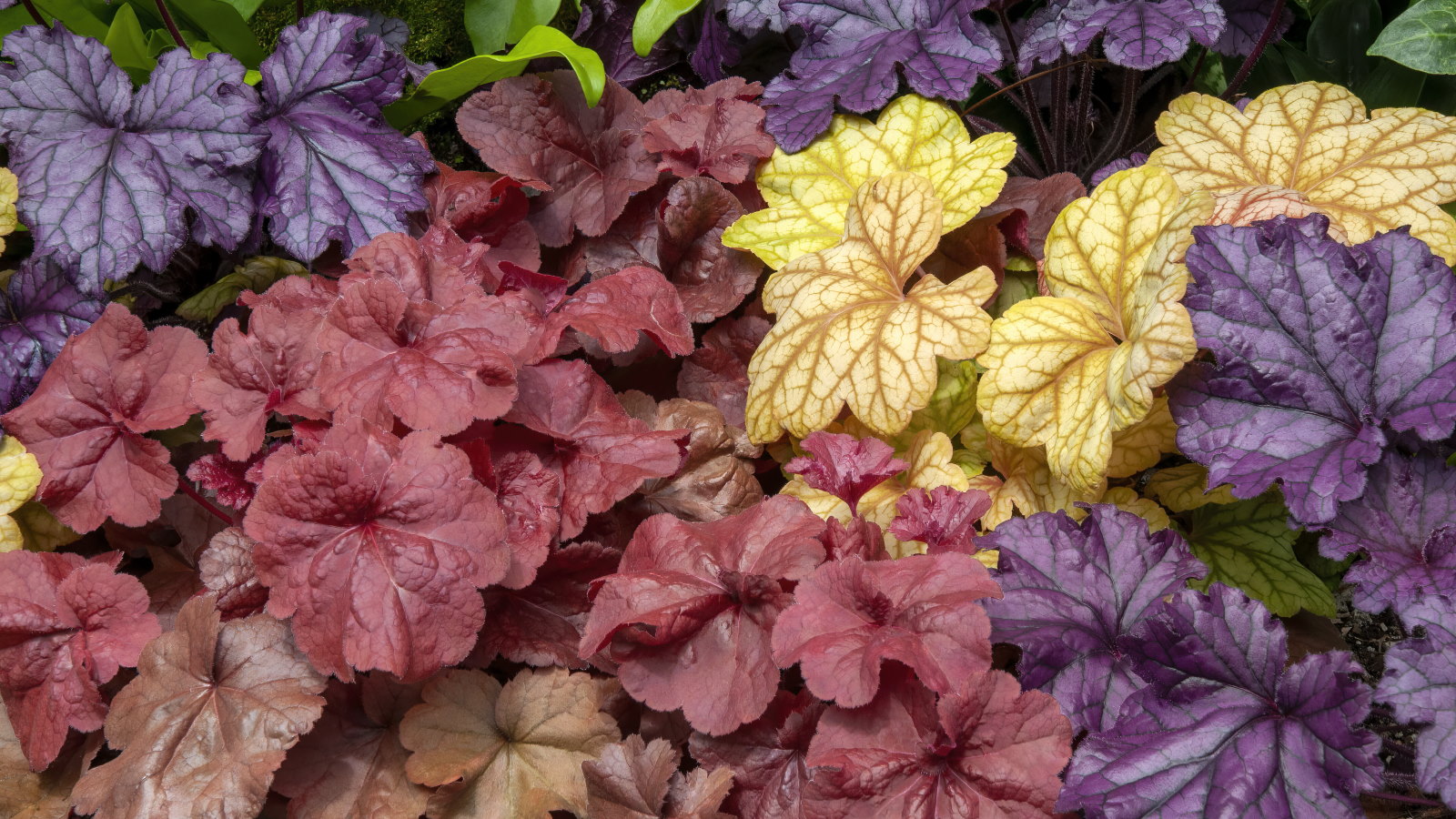
Coral bells, scientifically known as Heuchera, are popular perennial plants valued for their vibrant foliage and delicate flowers. When it comes to fall care, many gardeners often wonder if these plants need to be cut back. The answer is nuanced and depends on several factors.
Understanding Coral Bells' Growth Cycle
Coral bells experience distinct growth phases throughout the year. In the spring, these plants bloom with colorful foliage and eventually send up flower spikes that can last into the summer. During fall, as temperatures cool, coral bells prepare for dormancy.
- Dormancy: As the weather cools, coral bells reduce their growth, and leaves may start to die back.
- Foliage Color Changes: The leaves often change to deeper hues, adding to garden aesthetics in the fall.
- Preparation for Winter: The plant conserves energy and resources to survive the colder months.
Should You Cut Back Coral Bells in Fall?
Cutting back coral bells in the fall is not always necessary. However, some maintenance may be beneficial to promote healthy growth. The decision depends primarily on the local climate, as well as the overall health of the plant.
- Healthy Foliage: If the leaves are still healthy and vibrant, leaving them can provide winter protection.
- Dead or Dying Leaves: Removing any dead or dying foliage can improve the overall appearance and reduce disease risk.
- Local Conditions: In milder climates, cutting back may encourage new growth, while in colder areas, it might lead to frost damage.
Best Practices for Cutting Back Coral Bells
If you decide to cut back your coral bells, there are specific practices to follow for the best results. Performing these tasks properly can ensure the plants come back strong in the spring.
See also:
- Timing: Cut back coral bells after the first frost when foliage is less vibrant.
- Tools: Use clean, sharp scissors or pruning shears to make precise cuts and avoid damaging the plant.
- Method: Trim the stems down to about 3-4 inches above the ground, removing any dead or discolored leaves.
Benefits of Cutting Back in Fall
While not always necessary, cutting back coral bells can have several benefits that contribute to the health of the plant and the garden.
- Disease Prevention: Removing dead foliage can prevent disease and pest infestations.
- Aesthetic Appeal: A tidy garden looks more appealing in the fall and winter months.
- Promotes Growth: Cutting back can encourage more vigorous growth in the spring, resulting in a fuller plant.
Alternative Care Tips for Coral Bells in Fall
Instead of cutting back, there are alternative care tips that can support the health of coral bells in fall and prepare them for winter.
- Mulching: Apply a layer of mulch around the base to protect roots from freezing temperatures.
- Watering: Ensure the plants are adequately watered before winter, as they still need hydration.
- Fertilizing: Avoid fertilizing in the fall; instead, wait until spring when new growth starts.
Does Heuchera like full sun or shade?
:strip_icc()/purple-palace-coralbells-heuchera-2af3c0c3-775561fbb7d440628cfd2aa9e14ab616.jpg)
Heuchera, commonly known as coral bells, is a versatile perennial that can thrive in a variety of lighting conditions. When it comes to determining whether Heuchera prefers full sun or shade, the answer is that it generally thrives best in partial shade. While some varieties can tolerate full sun, especially in cooler climates, excessive exposure to direct sunlight can lead to leaf scorch and other issues. Here’s a more detailed exploration.
Understanding Heuchera's Light Preferences
Heuchera plants have a natural tendency to grow under the partial shade of trees and shrubs in their native habitats. This means that while they can adapt to different light conditions, they will flourish when they receive a mix of sunlight and shade. The ideal situation involves about four to six hours of filtered sunlight each day. Direct exposure to harsh afternoon sun should be avoided to prevent damage.
- Partial shade is generally considered optimal.
- Morning sun with afternoon shade is beneficial.
- Full sun can work but may require more water and care.
Impact of Too Much Sun on Heuchera
When Heuchera is exposed to full sun, particularly in hot climates, it can suffer from various stress factors. Leaves may start to curl, fade, or develop crispy edges. These symptoms indicate that the plant is struggling to cope with high temperatures and light intensity.
- Leaf curling and scorching are common stress signs.
- Plants may require more frequent watering.
- Overall health can decline if conditions do not improve.
Benefits of Partial Shade for Heuchera
Heuchera plants benefit significantly from partial shade, as this environment helps maintain moisture levels in the soil and prevents the leaves from drying out. Such conditions encourage strong root development, leading to healthier and more vibrant plants overall.
- Moisture retention in the soil is higher.
- Color and foliage texture improve in shaded areas.
- Less stress on the plant leads to a longer lifespan.
Selecting the Right Location for Heuchera
Choosing the perfect location for planting Heuchera involves assessing the sunlight patterns in your garden. A site with filtered sunlight, such as near a tree that provides dappled shade or at the edge of a woodland garden, is often ideal for these plants.
- Assess the balance of sunlight and shade throughout the day.
- Consider using companion plants that enjoy similar conditions.
- Observe how other plants perform in the chosen area.
Adjusting Care Based on Sun Exposure
Depending on whether your Heuchera is receiving more sun or shade, you'll need to adjust your care routine accordingly. If placed in a sunnier spot, ensure they are adequately watered and consider using mulch to help retain soil moisture. In shaded areas, be cautious of fungal issues due to excess humidity.
- Increase watering frequency for sun-exposed plants.
- Monitor for signs of overwatering in shaded settings.
- Apply mulch to manage temperature and moisture levels.
Questions from Our Readers
What is the common name for heuchera?
Heuchera, commonly known as coral bells, is a perennial plant valued for its colorful foliage and small, bell-shaped flowers.
Why is heuchera also called coral bells?
The name coral bells comes from the bell-shaped flowers that bloom on tall stalks, resembling delicate coral-like structures during the flowering season.
See also:
Where can heuchera be commonly found?
Heuchera is often found in woodlands, shaded gardens, and landscape designs due to its ability to thrive in partial shade and its striking variety of colors.
What are the cultural requirements for growing heuchera?
To grow heuchera successfully, it needs well-drained soil, regular watering, and partial to full shade, making it a great choice for shady spots in the garden.

If you want to read more articles like What is the common name for heuchera? Discovering the Popular Names and Varieties, we recommend you check out our Heuchera category.
Leave a Reply
Related Articles