How Do You Prepare Heuchera for Winter? Essential Tips for Winterizing Your Heuchera Plants

As the cold winter months approach, preparing your Heuchera plants for the harsh conditions is essential to ensure their health and vitality in the coming seasons. Known for their stunning foliage and resilience, Heuchera can thrive even in challenging climates, but they still require specific care during winter. This article will outline essential tips for winterizing your Heuchera, from proper pruning techniques to protective mulching strategies. By following these guidelines, you can help your plants withstand freezing temperatures and emerge beautifully in spring, ready to brighten your garden once again.
How to Prepare Heuchera for Winter
To prepare your heuchera for winter, it's essential to start with a few key steps that will ensure the plants survive the cold months. First, assess your plants for any signs of disease or damage, and remove any dead or yellowing leaves to promote air circulation. Next, apply a layer of organic mulch, such as shredded bark or straw, around the base of the plants to insulate the soil and protect the roots from freezing temperatures. You should also minimize watering as the temperatures drop, as overwatering can lead to root rot during the winter months. Lastly, consider covering your heuchera with a frost blanket during particularly cold spells to shield them from harsh winds and frost.
Assessing Your Heuchera Plants
Before winter sets in, it's vital to assess your heuchera plants for any signs of damage or disease. Look for discolored leaves, signs of pests, or fungal infections. Pruning away any unhealthy foliage not only improves the plant's appearance but also encourages new growth in the spring. Inspect the roots to ensure they are healthy, and if you notice any mushy spots, consider replanting in fresh soil to promote better drainage and health through the winter.
Mulching Techniques
Applying a thick layer of mulch is one of the best ways to protect your heuchera during winter. Use natural materials such as shredded leaves, bark, or straw, and apply it around the base of the plants. This insulation helps retain soil moisture and provides a buffer against extreme temperature changes. Aim for a layer of 2-3 inches, but be careful not to pile it directly against the stems, as this can cause rot.
Watering Guidelines
As temperatures drop, your heuchera will require less water. In late fall, reduce watering frequency, as excess moisture can lead to root rot. Ensure that the soil is well-draining to avoid standing water. Check regularly for moisture levels and only water if the soil feels dry a couple of inches down. Proper watering during the winter months is vital for maintaining root health.
Using Frost Covers
During particularly cold nights, using a frost blanket can offer excellent protection to your heuchera plants. These covers help trap heat and shield the plants from harsh winds and freezing temperatures. Ensure the cover allows for some air circulation to prevent trapping moisture that could lead to mold. You can use row covers or specially designed frost cloth, removing them in warmer days to allow sunlight in.
Planning for Spring
Winter preparations should also involve planning for the spring. After the cold season, keep an eye on your heuchera for signs of new growth. It's helpful to mark their positions if you plan on adding new plants or rearranging your garden next year. Also, consider feeding your heuchera with a balanced fertilizer in early spring to promote growth and vitality as they emerge from dormancy.
| Preparation Step | Description |
|---|---|
| Assess Plants | Look for damage or disease and prune unhealthy foliage. |
| Apply Mulch | Add 2-3 inches of mulch around the base for insulation. |
| Watering | Reduce watering and check for moisture levels in the soil. |
| Frost Covers | Use frost blankets during cold spells to protect the plants. |
| Spring Planning | Monitor for new growth and prepare for fertilization. |
When to cut back heuchera for winter?
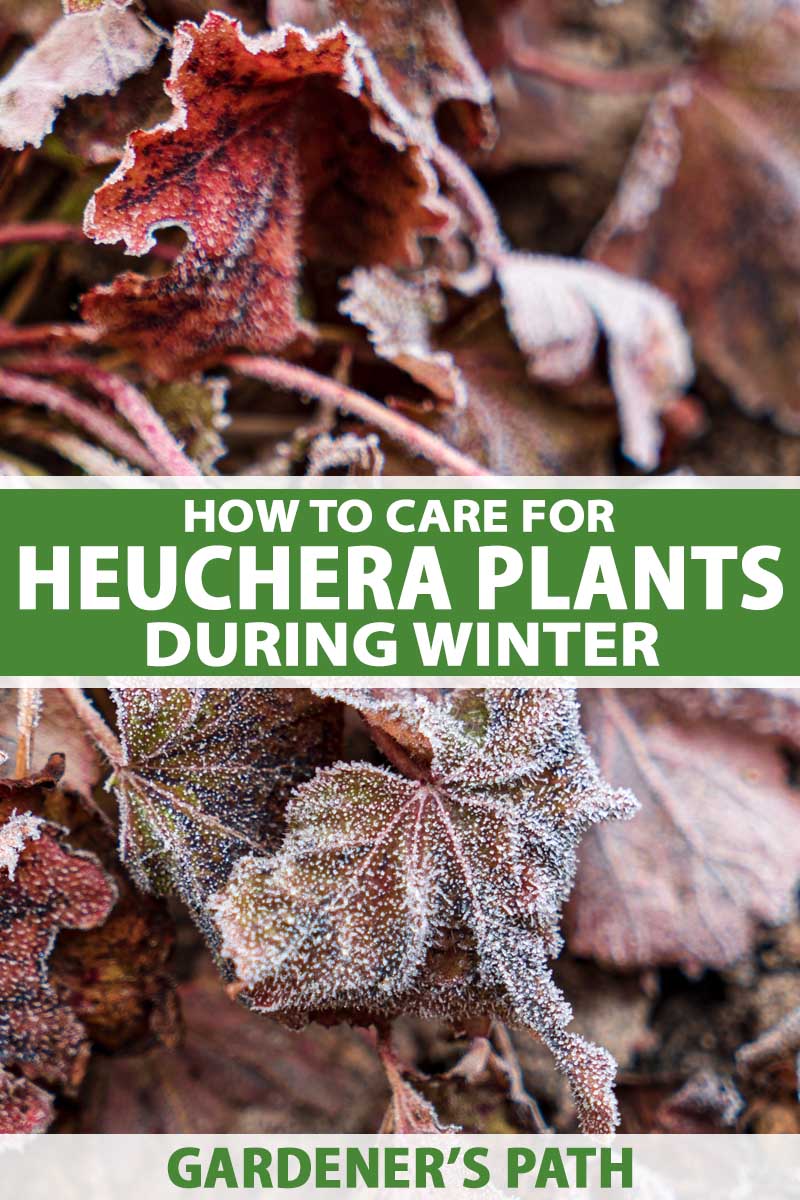
Heuchera, also known as coral bells, are popular perennial plants prized for their colorful foliage and versatility in garden settings. Proper care and maintenance are crucial to ensure their health and vigor during the winter months. When it comes to cutting back heuchera for winter, timing and technique are essential for preparing the plant for the colder season.
The best time to cut back heuchera is usually in late fall or early winter, just before the onset of freezing temperatures. This timing allows you to remove any dead or damaged foliage while still maintaining some protection for the plant during the cold months. Here are some detailed insights regarding the process:
Timing Your Cut Back
Cutting back heuchera should ideally occur after the first frost but before severe cold sets in. This timeframe allows the plants to enter dormancy while still retaining some protection from the elements.
- Late Fall: Monitor the temperatures and look for the first signs of frost.
- Before Hard Freeze: Ensure the cut back happens before temperatures consistently drop below freezing.
- Avoid Spring Pruning: Cutting back in spring may lead to unnecessary stress on the plant, as it may awaken too early.
How to Cut Back Heuchera
When cutting back heuchera, particular techniques can promote healthy growth and resilience. This plant can handle a moderate trim, which ensures that it has the best chance of surviving winter.
- Tools Required: Use clean, sharp pruning shears to avoid damaging the plant and prevent disease.
- Remove Dead Leaves: Focus on cutting away any brown or yellow foliage that has died back.
- Leave Healthy Growth: Retain a few healthy leaves to protect the crown of the plant from winter cold.
Benefits of Cutting Back
Pruning heuchera before winter has several advantages that contribute to the overall health of the plant.
See also:
- Prevent Disease: Removing dead and damaged leaves helps to reduce the risk of fungal infections.
- Aesthetics: A tidy appearance in the garden during the winter months can be visually appealing.
- Promote Healthier Growth: By reducing the clutter, the plant can put its energy into new growth in the spring.
Aftercare Following Cut Back
Once you have cut back your heuchera, post-pruning care is essential to help the plants settle into their winter dormancy effectively.
- Mulching: Apply a layer of mulch around the base to protect the roots from freezing temperatures.
- Watering: Ensure the plants are adequately watered before winter sets in, as this helps keep them hydrated while dormant.
- Monitoring: Keep an eye on the weather and the state of your plants throughout the winter to detect any potential issues early.
Signs of Damage Post-Winter
After the winter season, inspecting your heuchera for signs of damage is crucial for future care.
- Foliage Assessment: Check for any signs of browning or mushiness in the leaves, which can indicate freeze damage.
- Crown Condition: Ensure the plant's crown is intact and hasn’t rotted due to excess moisture.
- New Growth: Look for new shoots during early spring as a sign of recovery and health.
How do you overwinter heuchera?
To successfully overwinter heuchera, it is important to mimic its natural environment and protect it from harsh winter conditions. Heucheras, also known as coral bells, are perennial plants that can thrive in various climates but require specific care during the winter months to ensure their survival and continued growth in the spring.
Understanding Heuchera's Hardiness
Heuchera is generally hardy in USDA zones 3 to 9, depending on the variety. Understanding the hardiness zone is crucial for effective overwintering.
- Identify your local USDA zone to determine if your heuchera can survive winter temperatures.
- Research specific varieties, as some may require more care than others.
- Consider the microclimate in your garden, as it can influence winter outcomes.
Preparing Heuchera for Winter
Preparation is essential for helping heuchera survive winter. Implementing a few key practices can greatly enhance their resilience against cold temperatures.
- Cut back any dead or damaged foliage before the first frost to reduce disease risk.
- Water the plants well until the ground freezes to ensure they have enough moisture.
- Apply a layer of mulch around the base of the plants to insulate the roots.
Winter Mulching Techniques
Using mulch is one of the most effective methods of protecting heuchera during winter months. Proper mulching techniques can create a protective barrier against freezing temperatures.
- Choose organic mulch materials like shredded leaves, pine needles, or bark chips.
- Apply a 2 to 3-inch layer of mulch around the plants, avoiding direct contact with the stems.
- Replenish mulch as needed during winter to maintain coverage and insulation.
Monitoring Winter Conditions
Regularly monitoring the winter conditions can be beneficial in ensuring that your heuchera remains healthy throughout the colder months.
- Check the mulch layer to assure it remains intact and provides adequate insulation.
- Observe for signs of thawing and refreezing, which can be harmful to the plants.
- Look for any signs of pests or disease during warmer winter days when plants may be exposed.
Spring Care for Rejuvenation
Once winter has passed, proper spring care is critical for bringing heuchera back to life and promoting healthy growth.
- Remove the mulch gradually as temperatures start to warm up, allowing the soil to warm.
- Check for any signs of dead foliage and prune it back to encourage new growth.
- Fertilize lightly with a balanced fertilizer to promote new foliage development.
What to do with heuchera in the fall?

To properly care for heuchera (commonly known as coral bells) during the fall, there are several key tasks you can undertake to ensure their health and vibrancy for the next growing season. Here’s what to do:
Assessing Your Heuchera Plants
Before the cold weather sets in, it's crucial to assess the overall health of your heuchera plants. Look for signs of disease or pest infestations.
- Inspect Leaves: Check for discoloration, spots, or any sign of disease.
- Pest Check: Look for aphids, spider mites, or other pests on the foliage.
- Overall Vigor: Assess the plant's growth and decide if it needs additional support or care.
Trimming and Pruning
Fall is an excellent time to tidy up your heuchera plants through careful trimming and pruning.
See also:
- Remove Dead Leaves: Cut away any dead or damaged foliage to promote new growth in spring.
- Shape the Plant: Trim the edges to maintain a neat shape and prevent overcrowding.
- Sanitize Tools: Always use clean, sharp shears to prevent the spread of diseases.
Watering Considerations
As temperatures drop, the water requirements of heuchera change, making proper watering essential during the fall.
- Reduce Frequency: Cut back on the frequency of watering to prevent root rot as the soil retains moisture longer.
- Water When Needed: Check soil moisture before watering; ensure the top inch is dry.
- Mulch Application: Apply mulch to retain soil moisture and regulate soil temperature.
Fertilizing in Fall
While fertilization can help heuchera thrive, timing is important as fall approaches.
- Last Feeding: Provide a light application of a balanced fertilizer to strengthen roots.
- Organic Options: Consider using organic compost or a slow-release fertilizer for better soil health.
- Avoid Over-Fertilizing: Be cautious not to over-fertilize; too much can harm the plants before winter.
Winter Preparation
Preparing heuchera for winter will enhance their chances of survival and flourishing in spring.
- Covering Plants: In colder areas, consider covering plants with a light layer of mulch or straw to insulate their roots.
- Remove Debris: Clear any fallen leaves or debris around the plants to minimize pest habitat.
- Monitor Temperatures: Keep an eye on extreme temperature drops and provide protection if necessary.
Can I overwinter heuchera and pots in my garage?
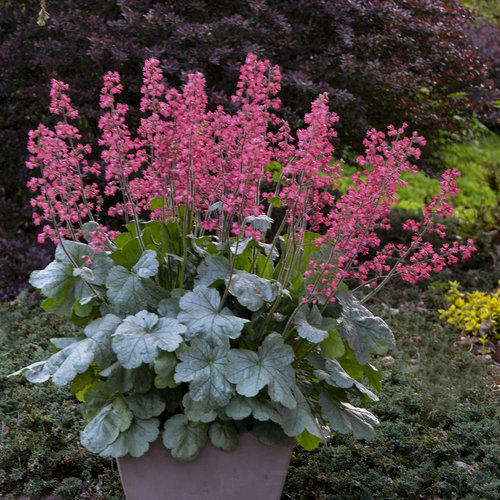
Yes, you can overwinter heuchera and pots in your garage, but there are specific conditions and care practices to ensure their survival during the colder months. Heucheras, commonly known as coral bells, are relatively hardy plants that can thrive in various temperate climates. When overwintering them in a garage, it is essential to pay attention to temperature, moisture, and light conditions.
Optimal Temperature for Heuchera
Maintaining the correct temperature is crucial for the health of heuchera during winter. Ideally, your garage should not drop below:
- 20°F (-6°C) - The minimum threshold for heuchera survival.
- 35°F (1.6°C) - A suitable range that helps avoid frost damage.
- 45°F to 55°F (7°C to 13°C) - The optimal range for dormancy without stress.
Moisture Levels for Overwintering
Proper moisture management is essential when overwintering heuchera. The key is to prevent both overwatering and drying out:
- Check Soil Moisture - Ensure the soil is damp but never soggy.
- Water Sparingly - Allow the top inch of soil to dry out before watering.
- Humidity Control - If the garage is overly dry, consider using a humidity tray.
Light Requirements during Dormancy
While heucheras don’t require much light during their dormant phase, some indirect light can be beneficial:
- Partial Sunlight - Place pots in an area where they can receive some natural light.
- Avoid Direct Sunlight - Excessive sunlight can warm the plants too much, disturbing their dormancy.
- Rotate Pots - Rotate them occasionally to ensure even light exposure.
Preparing Heuchera for Storage
Before transferring your heuchera pots to the garage, preparation is essential to ensure their health:
- Prune Dead Leaves - Remove any dead or damaged foliage to reduce disease risks.
- Inspect for Pests - Check plants for pests and treat them properly before storage.
- Use Insulated Pots - If possible, use insulated pots to help regulate temperature.
Monitoring and Maintenance during Winter
Once your heucheras are in the garage, regular monitoring can help catch any issues early:
- Check Weekly - Examine the plants once a week for any signs of distress.
- Adjust Watering as Needed - Adjust the watering schedule based on moisture levels.
- Look for Signs of Growth - Be wary of any early budding, which could indicate temperature issues.
Questions from Our Readers
How do I know when to prepare heuchera for winter?
To prepare your heuchera for winter, it’s important to look for signs that the temperature is dropping, typically when nighttime lows are consistently around 20°F (-6°C). Pay attention to local weather forecasts and seasonal changes. As the temperatures begin to cool, the foliage will start to change color, indicating it's time to begin preparations.
Should I cut back my heuchera for winter?
Yes, it's advisable to cut back your heuchera in late fall after the first frost has hit. Cutting back the dead foliage will help to prevent disease and encourage new growth in the spring. However, don’t cut it back too severely; leave some foliage for winter protection.
What type of mulch is best for heuchera in winter?
Using a light layer of organic mulch, such as bark or straw, is best for protecting your heuchera during winter. This will help insulate the plants and keep the soil temperature stable, preventing freeze-thaw cycles that can damage the roots.
See also:
Do I need to water my heuchera during winter?
Yes, you should water your heuchera during winter, but do so sparingly. Ensure the soil remains slightly moist but not soggy. Watering is essential on warmer winter days when the soil may dry out; however, be cautious not to water if the ground is frozen.

If you want to read more articles like How Do You Prepare Heuchera for Winter? Essential Tips for Winterizing Your Heuchera Plants, we recommend you check out our Heuchera category.
Leave a Reply
Related Articles