Effective Strategies: How Can I Stop My Hostas from Being Eaten?
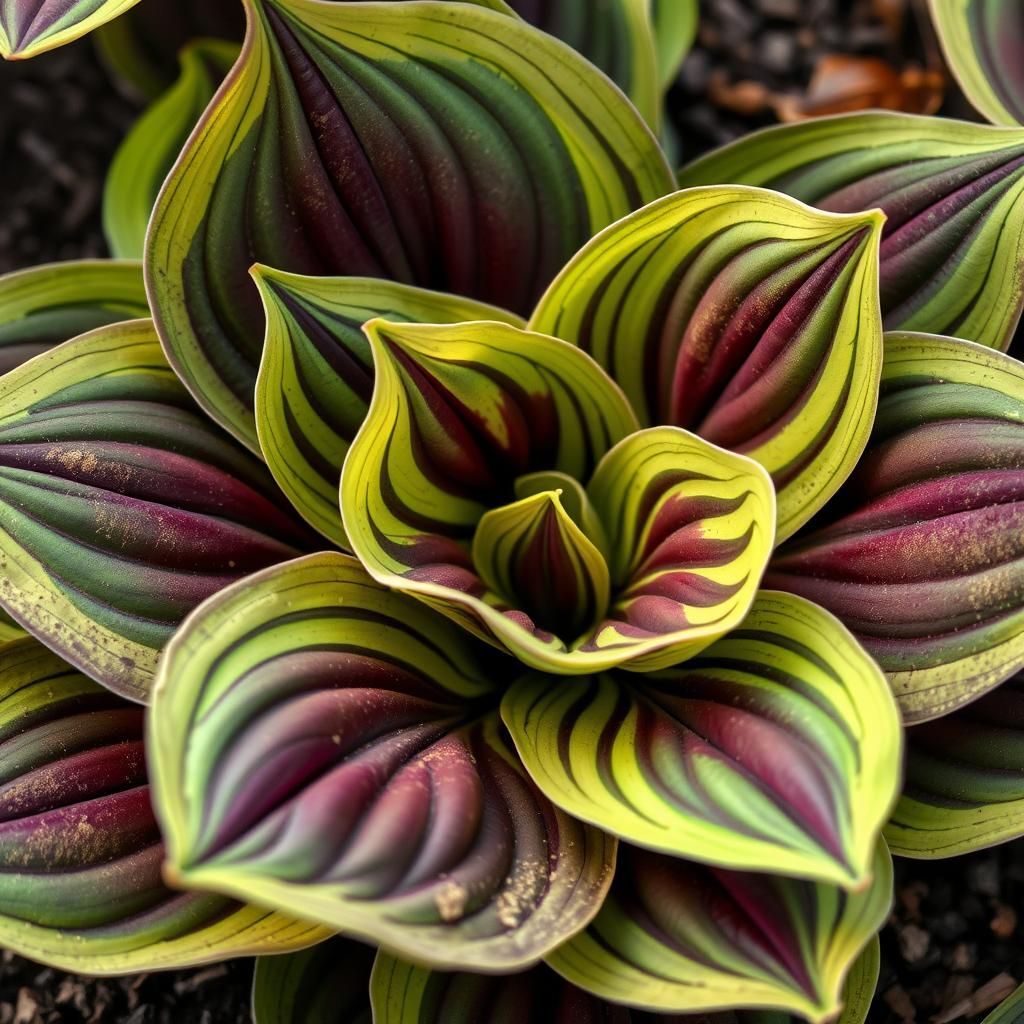
Hostas are beloved perennial plants known for their lush foliage and adaptability, but they often fall victim to various pests, leaving gardeners frustrated. Protecting your hostas from being eaten can be a challenge, particularly in a diverse garden ecosystem. Understanding the common culprits, such as slugs and deer, is essential in addressing this issue. In this article, we will explore effective strategies to safeguard your hostas, ensuring they thrive and continue to enhance your landscape. From natural deterrents to physical barriers, discover practical solutions that will help you reclaim your garden from hungry invaders.
Effective Strategies to Protect Hostas from Pests
To prevent your hostas from being eaten by pests, it’s essential to implement a combination of cultural practices and protective measures. Start by being aware of the pests that typically target hostas, such as slugs, snails, and various types of insects. Keeping your garden clean and free of debris can help minimize their habitat. Additionally, introducing natural predators, like toads or birds, can aid in controlling pest populations. Applying barriers like copper tape or using diatomaceous earth around the plants can deter slugs and other soft-bodied insects. Regular inspections and swift removal of pests can further safeguard your hostas from significant damage.
Identifying Common Pests That Target Hostas
One of the first steps in protecting your hostas is to identify which pests are most likely responsible for their damage. Common culprits include slugs, snails, and various caterpillars. Slugs tend to feed at night, leaving irregular holes in the leaves, whereas insects might cause discoloration or curling of foliage. By knowing what you're dealing with, you can target your defensive measures more effectively.
Implementing Physical Barriers
Using physical barriers is an effective way to stop pests from reaching your hostas. Copper tape is a popular option because it creates an electrical charge that slugs find repelling. Additionally, you can use mesh or netting to cover your plants, ensuring that larger pests, like deer or rabbits, cannot access them. Elevated planting beds can also protect against ground-dwelling pests.
Introducing Natural Predators
Encouraging natural predators in your garden is an environmentally friendly way to manage pest populations. Birds, such as robins and wrens, enjoy feasting on insects and can help keep their numbers in check. You can attract these birds by providing nesting sites and birdbaths to ensure they return. Similarly, inviting toads into your garden can also help fend off slugs and insects.
Using Organic Deterrents
Applying organic deterrents can effectively protect your hostas without harming the environment. Neem oil is a natural insecticide that disrupts the life cycle of pests, making it harder for them to thrive. Furthermore, creating a garlic spray or a pepper mixture can deter slugs and insects due to their strong scents. Regular application of these organic solutions can keep your plants safe from unwanted munchers.
Regular Maintenance and Monitoring
Lastly, regular maintenance and monitoring of your hostas are crucial for early detection of pest problems. Inspect your plants weekly for any signs of damage or pest activity and act promptly if you notice anything unusual. Removing dead leaves, clearing out debris, and ensuring good air circulation can reduce the likelihood of pest infestations and keep your hostas healthy.
| Protection Method | Description |
|---|---|
| Copper Tape | Creates a repelling electric charge that deters slugs. |
| Organic Deterrents | Neem oil and homemade sprays that disrupt pests. |
| Physical Barriers | Netting or mesh to prevent access from larger pests. |
| Natural Predators | Encouraging birds and toads to help control pests. |
| Regular Monitoring | Weekly inspections to catch problems early. |
How to stop hosta leaves from being eaten?
:strip_icc()/slug-damage-holes-in-hosta-leaves-c8e1570ba85940dbb911672b19f137f3.jpg)
To prevent hosta leaves from being eaten, it is essential to identify the culprits and implement effective deterrent strategies. Hostas are popular garden plants but are frequently targeted by pests such as slugs, snails, and various insects. Here are some detailed methods to protect your hostas from these threats.
Identifying Pests
Recognizing the specific pests that are harming your hostas is the first step in addressing the issue. Common offenders include:
- Slugs - These soft-bodied mollusks are notorious for devouring hosta leaves at night.
- Snails - Similar to slugs, they leave a distinct slime trail and munch on hosta foliage.
- Leafcutter Bees - These insects cut circular pieces out of leaves, which can be mistaken for other forms of damage.
Physical Barriers
Implementing physical barriers is an effective way to protect your hostas from pests. This can include:
- Slug traps - Use shallow containers filled with beer or soapy water to attract and drown slugs.
- Copper tape - Placing copper around the base of the plants can deter slugs and snails due to the reaction between the copper and their slime.
- Floating row covers - These can protect young plants from insect pests while allowing light and moisture to enter.
Natural Deterrents
Utilizing natural methods to deter pests can be equally effective and environmentally friendly. Consider the following options:
- Diatomaceous Earth - Sprinkling this natural powder around the plants can create a barrier that is abrasive to soft-bodied insects like slugs.
- Garlic or pepper spray - Homemade sprays made from garlic or chili powder can repel pests due to their strong scents.
- Companion plants - Planting herbs like mint or lavender nearby can deter unwanted insects naturally.
Chemical Treatments
If natural methods do not yield satisfactory results, consider chemical treatments. Ensure to use them responsibly:
See also:
- Pesticides - Select targeted pesticides that are effective against the specific pests harming your hostas.
- Organic options - Look for organic pesticides that are less harmful to beneficial insects and the environment.
- Plan application timing - Apply treatments early in the morning or late in the afternoon to avoid harming pollinators.
Regular Maintenance
Maintaining your garden can prevent pest infestations before they start. Regular care should include:
- Cleaning up debris - Remove leaves and debris from around hostas, as they can harbor pests.
- Monitoring for damage - Regularly check your plants for signs of pest damage to address issues early.
- Healthy growth conditions - Ensure hostas are planted in suitable conditions, as stressed plants are more susceptible to pest damage.
What is the best repellent for hostas?
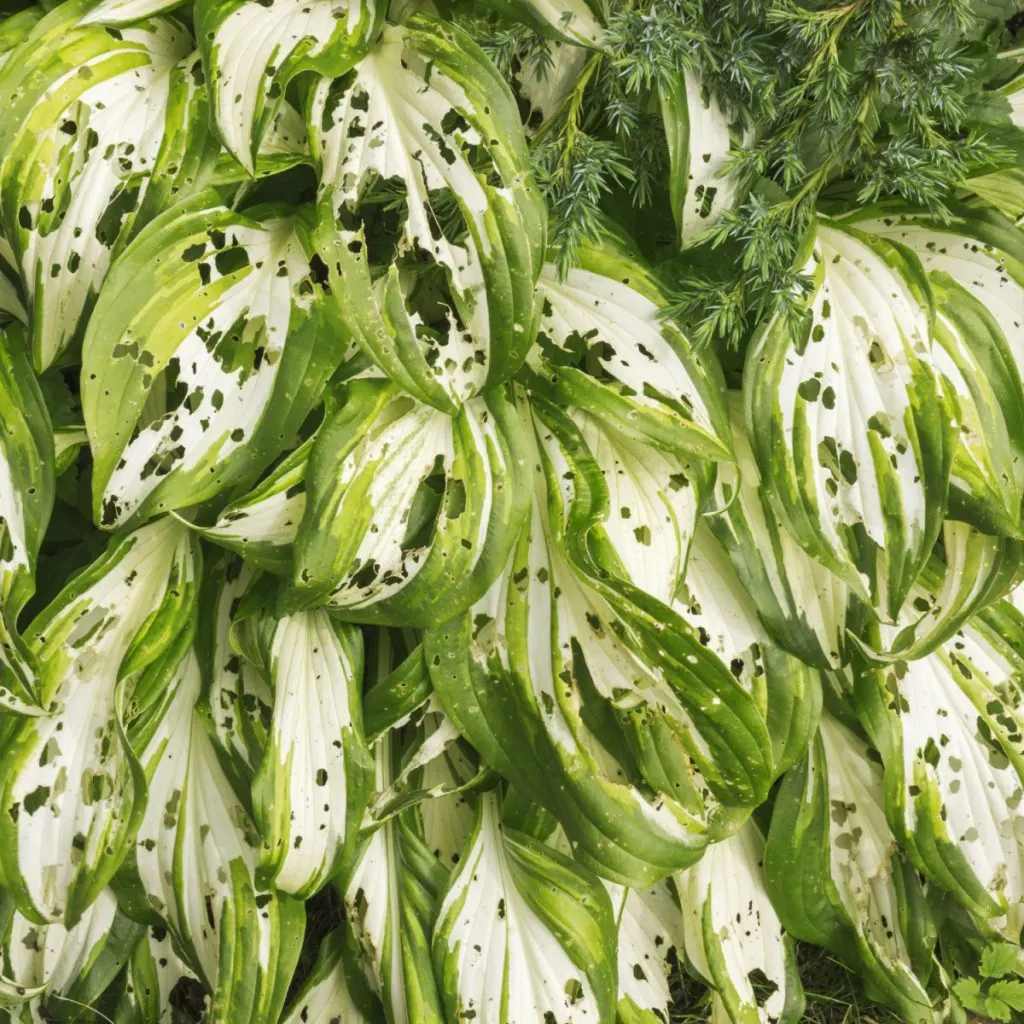
The best repellent for hostas typically involves a combination of physical barriers, natural substances, and chemical products designed to discourage pests such as slugs, snails, and deer that commonly feed on these plants. Below are several effective options:
Natural Repellents
Natural repellents can be a great option for protecting your hostas, as they are often safer for the environment and beneficial insects. Common natural repellents include:
- Garlic Spray: Garlic has natural properties that many pests dislike. A homemade garlic spray is easy to prepare and can be sprayed directly onto the hostas.
- Neem Oil: Derived from the seeds of the neem tree, this oil acts as a natural pesticide and repellent. It's effective against a variety of garden pests.
- Coffee Grounds: Sprinkling used coffee grounds around the base of hostas can deter slugs and snails due to their sensitivity to the caffeine.
Physical Barriers
Implementing physical barriers is a straightforward method to keep pests away from hostas. These barriers can also help in maintaining the health of the plants:
- Copper Tape: Placing copper tape around the base of hostas can create a copper barrier that slugs and snails avoid due to the reaction it produces on their bodies.
- Gravel or Stone Mulch: A layer of coarse materials like gravel or stone can deter slugs and provide excellent drainage for the hostas.
- Row Covers: Lightweight row covers can physically block pests while allowing sunlight and moisture to reach the plants.
Commercial Repellents
There are numerous commercial repellents specifically formulated to protect plants like hostas. These products often contain specific ingredients that deter common pests:
- Chemical Sprays: Products containing ingredients like spinosad or pyrethrins can effectively control slugs and insects; however, they should be used according to label instructions.
- Granular Repellents: Some repellents come in a granular form, creating a protective barrier around plants that deters slugs and snails without harming beneficial insects.
- Systemic Insecticides: These can be absorbed by the plants and provide longer-lasting protection against pests, but caution is recommended regarding pollinator safety.
Homemade Solutions
Creating your own repellent blends can be both cost-effective and engaging. Here are some ideas for homemade solutions to repel pests from hostas:
- Hot Pepper Spray: Blending hot peppers with water and soap creates a solution that can be sprayed on hostas to deter feeding from a variety of pests.
- Vinegar Solution: A mix of water and vinegar can act as a spray for repelling pests, though it's essential to test it on a small leaf area first to avoid burning.
- Soap and Water: A simple solution of mild dish soap and water can help manage pests and provide a protective barrier on leaves.
Plant Companions
Using companion planting strategies can also help protect hostas from pests. Some plants naturally repel undesirable insects:
- Marigolds: These flowers are known to repel various insects due to their scent and are an excellent companion plant for hostas.
- Chives: The strong smell of chives can deter slugs and other pests, making them a beneficial neighbor to hostas in the garden.
- Lavender: Not only does lavender attract pollinators, but its aroma also helps repel pests that might threaten hostas.
What can you put on hostas to keep bugs from eating them?
To protect your hostas from bugs that tend to eat them, several methods can be employed. Here are some effective options to consider:
1. Neem Oil
Neem oil is a natural pesticide derived from the seeds of the neem tree. It works by disrupting the life cycle of pests, making it harder for them to feed and reproduce.
- Application: Mix neem oil with water and a few drops of dish soap to create an emulsion.
- Timing: Spray the mixture on the hostas early in the morning or late in the evening to avoid burning the leaves.
- Frequency: Reapply every two weeks or after rainfall for continued effectiveness.
2. Diatomaceous Earth
Diatomaceous earth (DE) is a powder made from the fossilized remains of tiny aquatic organisms called diatoms. It is abrasive to insects and can deter them effectively.
- Application: Dust a thin layer of diatomaceous earth around the base of the hostas and onto the leaves.
- Effectiveness: It works best in dry conditions, as moisture can reduce its effectiveness.
- Safety: DE is safe for pets and humans, making it a popular choice for organic gardening.
3. Soap Sprays
Insecticidal soap sprays can help deter soft-bodied insects such as aphids and spider mites. They work by suffocating the pests.
See also:
- Recipe: Mix water with a mild soap (like Castile soap) in a spray bottle.
- Application: Spray directly onto the affected areas of the hostas, making sure to cover both sides of the leaves.
- Timing: Apply during cooler parts of the day to prevent leaf burn.
4. Companion Planting
Certain companion plants can deter pests from hostas naturally. By planting these alongside your hostas, you can create a more balanced ecosystem.
- Examples: Plant garlic, chives, or marigolds near your hostas to repel common pests.
- Benefits: These plants can attract beneficial insects that prey on harmful pests.
- Placement: Consider strategic placement to maximize the protective effects around your hostas.
5. Physical Barriers
Using physical barriers can help protect hostas from insect damage. Row covers or mesh can be effective in keeping pests away.
- Types: Lightweight row covers, fine mesh nets, or even cloches can serve as barriers.
- Installation: Ensure the barrier is properly anchored to the ground to prevent pests from sneaking underneath.
- Adjustment: Make sure to adjust or remove the covers during flowering to promote pollination.
How do you treat hostas with holes in leaves?
To treat hostas with holes in their leaves, it is essential to identify the underlying cause of the damage. Holes in hosta leaves can stem from various factors, including pests, diseases, and environmental conditions. Here are some effective treatments and preventive measures.
Identify the Culprit
Identifying the cause of the holes in the leaves is the first step in treatment. Common causes include:
- Pests: Slugs, snails, and caterpillars are notorious for feeding on hosta leaves, creating holes.
- Diseases: Fungal infections can also cause leaf damage.
- Environmental stress: Harsh weather conditions or improper care can lead to leaf damage.
Implementing Pest Control Measures
If pests are causing the holes, consider using both natural and chemical control methods. Effective strategies include:
- Handpicking: Regularly inspect your hostas and remove visible pests by hand.
- Organic treatments: Use diatomaceous earth or neem oil as an organic solution to deter pests.
- Commercial pesticides: If infestations are severe, consider applying appropriate pesticides according to the product instructions.
Managing Diseases
If the damage is due to a disease, appropriate measures must be taken to treat the affected plants. This involves:
- Fungicide applications: Use a suitable fungicide to treat any fungal infections.
- Improved airflow: Ensure proper spacing and pruning to minimize humidity and fungal spread.
- Sanitation: Remove any infected leaves and debris from around the plants to prevent the recurrence of diseases.
Improving Plant Health
To boost the overall health of hostas, which can help them recover from damage and resist further issues, consider the following:
- Regular watering: Ensure consistent moisture, especially during dry spells, but avoid overwatering.
- Soil fertility: Use a balanced fertilizer to provide essential nutrients for growth.
- Mulching: Apply mulch to retain moisture and suppress weed growth.
Prevention Strategies
To prevent future holes in hosta leaves, adopt proactive care practices. Effective prevention strategies include:
- Regular inspection: Frequently check your plants for early signs of pest or disease problems.
- Companion planting: Use companion plants that deter pests naturally.
- Proper planting location: Ensure that hostas are planted in suitable conditions with the right amount of sunlight and shade.
Questions from Our Readers
What can I use to deter pests from eating my hostas?
To deter pests from eating your hostas, you can use a combination of natural repellents like soap solutions and essential oils, as well as commercial products specifically designed for this purpose. Applying a barrier method like crushed eggshells or diatomaceous earth around the base of the plants can also help protect them from snails and slugs.
Are there specific plants that can protect my hostas?
Yes, planting companion plants such as marigolds and garlic can help protect your hostas by repelling pests. The distinct scent of these plants acts as a natural deterrent, making your hostas less appealing to herbivores.
How often should I check my hostas for damage?
It's advisable to check your hostas for damage at least once a week, especially during the growing season. Regular inspections allow you to catch any signs of infestations or damage early on, making it easier to take corrective measures.
Can I use chemicals to stop pests from eating my hostas?
Yes, you can use chemical pesticides as a last resort to stop pests from eating your hostas, but it's essential to choose products that are safe for ornamental plants and follow the instructions carefully. Always consider organic options first to minimize environmental impact.
See also:

If you want to read more articles like Effective Strategies: How Can I Stop My Hostas from Being Eaten?, we recommend you check out our Hostas category.
Leave a Reply
Related Articles