How Do You Rejuvenate Hostas? Expert Tips for Healthy and Vibrant Plants
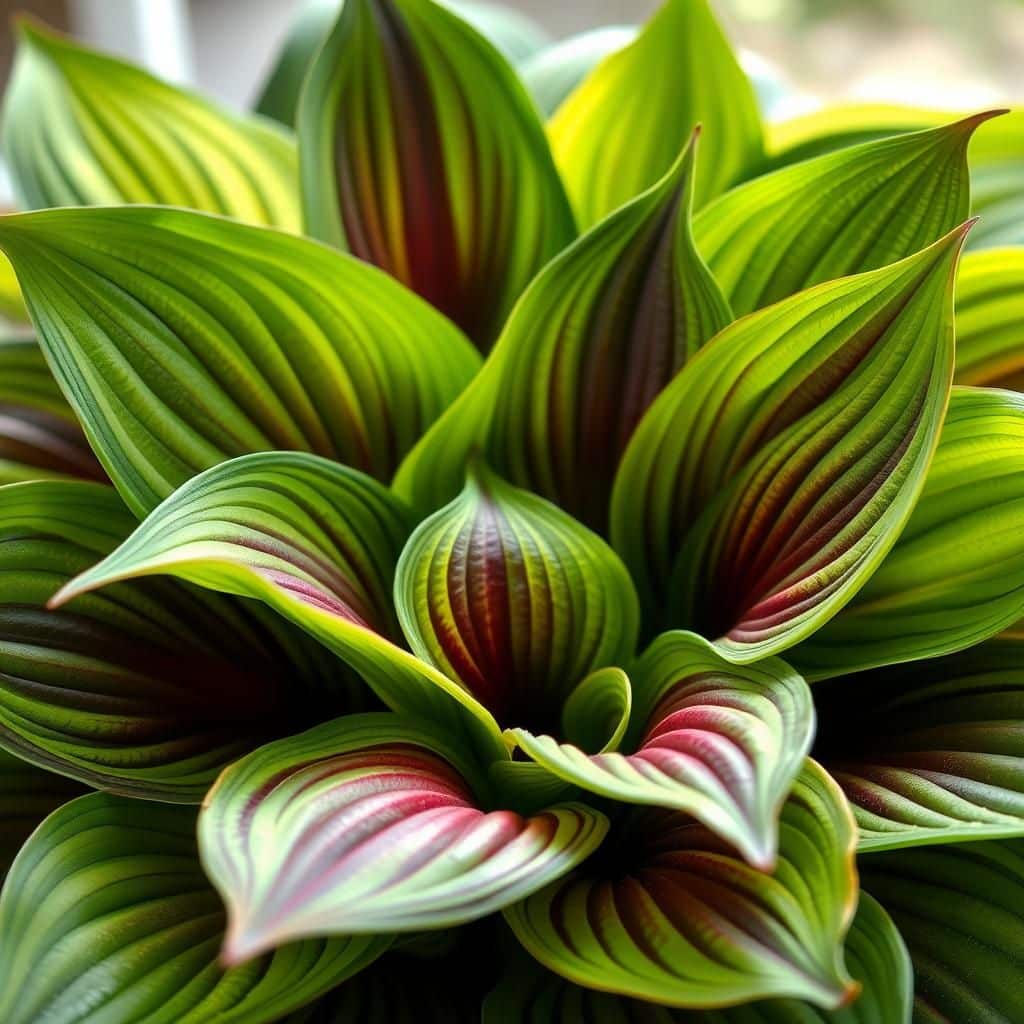
Hostas are beloved perennials known for their lush foliage and adaptability to various garden settings. However, as these plants age, they may lose their vigor and appeal. Rejuvenating hostas is essential for maintaining a healthy and vibrant landscape. In this article, we will explore expert tips and techniques to help you revitalize your hostas, ensuring they thrive for years to come. From proper division and fertilization to optimal watering practices, these strategies will empower you to breathe new life into your hostas, enhancing their beauty and resilience in any garden environment.
How to Rejuvenate Hostas
To rejuvenate hostas, it is essential to consider several factors that can enhance their growth and appearance. Begin by cutting back the leaves in early spring before new growth appears, as this encourages fresh foliage to emerge. Ensure your hostas receive adequate water, especially during dry periods, and apply a balanced fertilizer to provide essential nutrients. Additionally, you may want to divide your hostas every few years, promoting healthier plants and creating opportunities for new plantings. Regularly removing any dead leaves and debris will maintain a clean and thriving environment for your hostas.
Timing for Rejuvenation
The best time to rejuvenate your hostas is in early spring, just before they begin to sprout new leaves. This timing allows for the removal of any damaged or dead foliage, making way for fresh growth and ensuring that the plants can channel their energy into producing vibrant, healthy leaves as the season progresses. Late fall can also be a suitable time for dividing hostas, allowing for propagation while minimally impacting their growth cycle.
Cutting Back Old Foliage
To effectively cut back old foliage, use clean, sharp shears to snip away any spent or damaged leaves at the base of the plant. By removing these old leaves, you’ll not only improve the appearance of the hostas but also prevent any potential diseases or pests from lingering in the old material. This practice encourages new growth and helps in maintaining the vascular health of the plant.
Division of Hostas
Dividing hostas every 3 to 5 years is a crucial step in their rejuvenation process. This practice not only provides the opportunity to propagate new plants for other areas in your garden, but it also allows for improved airflow and water penetration among the roots. When dividing, carefully lift the entire clump using a garden fork, then gently separate the rhizomes into smaller sections, ensuring that each division has a healthy set of roots and at least one bud.
Fertilization Practices
Applying a balanced, slow-release fertilizer in early spring can significantly enhance the vigor of your hostas. Fertilizers containing equal parts of nitrogen, phosphorus, and potassium will nourish your plants adequately, promoting lush foliage and better overall health. It’s crucial to follow the manufacturer's instructions regarding the appropriate amount to use, as over-fertilizing can negatively affect the plants and lead to burn.
Watering Techniques
Adequate watering is essential for rejuvenating hostas, especially during the hotter months. Aim to provide a deep soak to the plant's root zone once a week, adjusting this frequency based on weather conditions. Avoiding overhead watering can help reduce the risk of fungal diseases; instead, opt for a drip irrigation system or water at the base of the plant. Keeping the soil consistently moist but not soggy will substantially promote healthy growth.
| Practice | Description |
|---|---|
| Timing | Early spring is ideal for rejuvenation. |
| Cutting Back | Remove old foliage to allow new growth. |
| Division | Divide every 3-5 years for better health. |
| Fertilization | Use balanced fertilizer in spring. |
| Watering | Deep water weekly, avoid overhead watering. |
What does Epsom salt do for hostas?

Epsom salt, chemically known as magnesium sulfate, offers several benefits for hostas, which are popular shade-loving plants. The primary components of Epsom salt — magnesium and sulfur — play key roles in plant health and growth. Here's how Epsom salt impacts hostas:
1. Improves Nutrient Uptake: Magnesium enhances the plant's ability to take up other nutrients, particularly phosphorus and nitrogen, which are crucial for healthy growth. With better nutrient absorption, hostas can develop stronger root systems and lush foliage.
2. Enhances Color and Appearance: The sulfur in Epsom salt contributes to the production of chlorophyll, which is essential for photosynthesis. Enhanced chlorophyll production leads to richer green leaves and overall more vibrant plants, making hostas visually appealing.
3. Strengthens Plant Structure: Magnesium plays a vital role in the synthesis of new cells and the overall structure of the plant. Stronger cellular structure helps hostas resist diseases and environmental stresses.
See also:
4. Promotes Flowering: For some hosta varieties, magnesium is known to encourage flowering. Although many hostas are grown for their foliage, getting flowers can enhance the aesthetic value and attract pollinators to the garden.
5. Balances Soil pH: Epsom salt can also help to buffer the pH of the soil, making it more conducive for hostas to thrive, especially in soils that may be overly acidic or alkaline. This balance is crucial for optimal nutrient availability.
Benefits of Magnesium for Hostas
Magnesium is a pivotal nutrient for hostas, enabling them to undergo numerous physiological processes. It aids in the synthesis of chlorophyll, which is essential for photosynthesis. Additionally, magnesium improves the function of enzymes and contributes to the overall production of vital organic compounds.
- Promotes healthy leaf development.
- Facilitates energy transfer within the plant.
- Enhances the plant's resistance to stress.
Effects of Sulfur on Hostas
Sulfur, another element found in Epsom salt, supports various metabolic functions of hostas. It plays a key role in the synthesis of amino acids, which are building blocks of proteins. This is crucial for growth and resilience in various environmental conditions.
- Improves overall plant metabolism.
- Contributes to the formation of essential oils.
- Enhances flavor and fragrance in flowering hostas.
Application Methods for Epsom Salt
Applying Epsom salt effectively can ensure that hostas reap its benefits. It can be administered through soil application or as a foliar spray. Correct application timing is crucial, typically during the growing season when the plants are most active.
- Dissolve 1-2 tablespoons in water for a foliar spray.
- Mix with soil before planting or at the base of existing plants.
- Repeat applications every 4-6 weeks during the growing season.
Signs that Hostas Need Epsom Salt
Certain signs indicate that hostas may benefit from Epsom salt treatment. The appearance of yellowing leaves, stunted growth, and poor flowering may signify a deficiency in magnesium or sulfur. Identifying these symptoms early can help maintain plant health.
- Leaves turning yellow (interveinal chlorosis).
- Reduced leaf size and overall stunted growth.
- Lack of flowers or poor flowering quality.
Potential Risks of Using Epsom Salt
While Epsom salt is generally safe for hostas, overuse can lead to imbalances in soil nutrients. It's essential to monitor the application rates to avoid potential issues like salt buildup, which can harm plant roots.
- Excessive magnesium can interfere with calcium uptake.
- Risk of nutrient imbalances if over-applied.
- Regular soil testing is recommended for best results.
How to revitalize hostas?
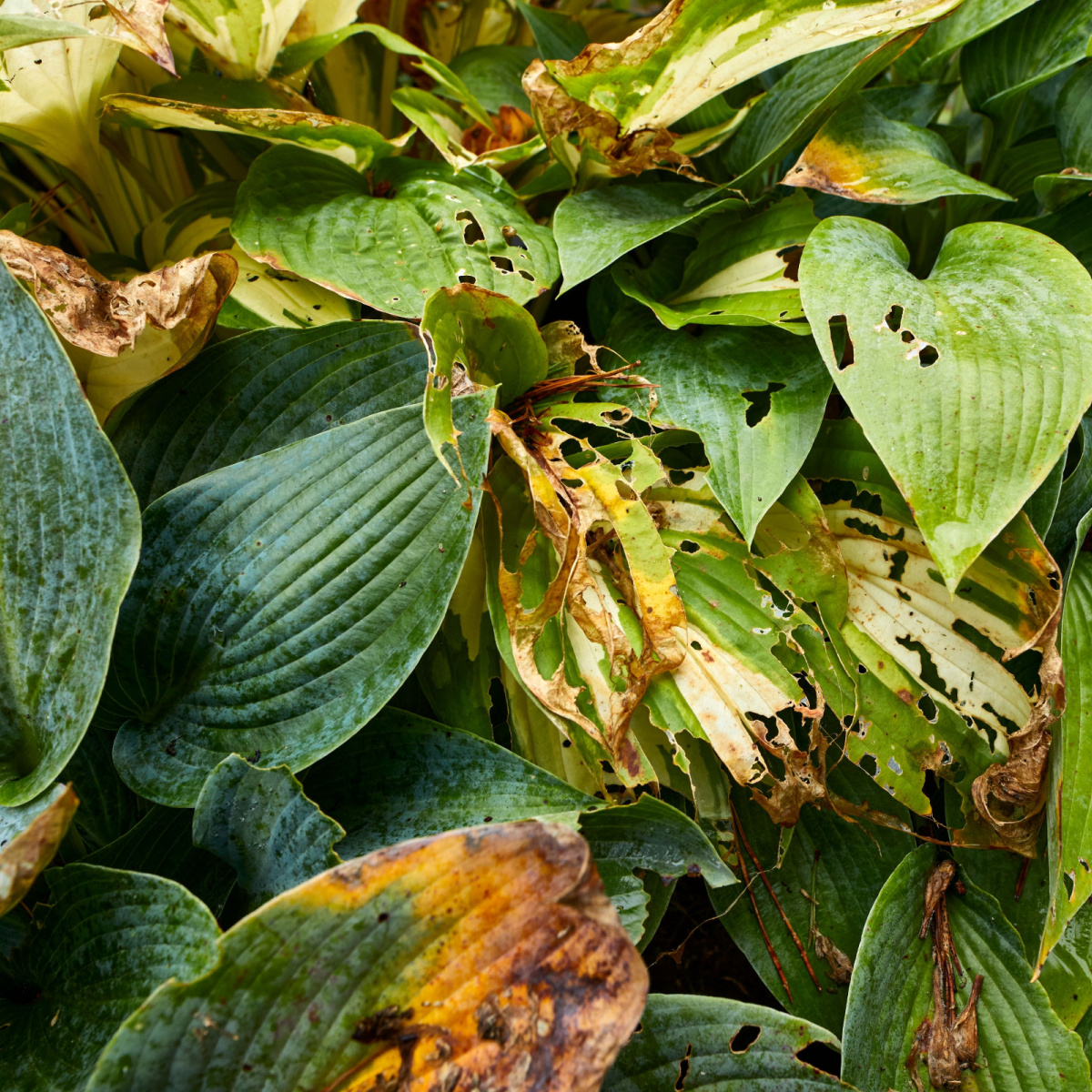
To revitalize hostas, it’s essential to address several key aspects of their care, including proper planting, watering, fertilizing, dividing, and pest management. Here are some detailed strategies for each area.
Choosing the Right Location
The first step in revitalizing your hostas is to ensure they are planted in an appropriate environment. Hostas thrive in shaded or partially shaded areas, as too much sun can scorch their leaves. Consider the following tips:
- Evaluate sunlight exposure: Monitor the area to determine how many hours of direct sunlight the hostas receive each day.
- Check soil drainage: Ensure the soil has excellent drainage to prevent root rot.
- Observe neighboring plants: Ensure other vegetation does not hinder the growth of your hostas.
Watering Practices
Watering is crucial for the health of your hostas. They require consistent moisture, especially during the growing season. Here are some watering strategies:
- Water deeply: Allow the soil to dry slightly between watering sessions but ensure it is adequately moist.
- Soaker hoses: Consider using soaker hoses for efficient water distribution.
- Time of day: Water early in the morning to minimize evaporation and prevent leaf diseases.
Fertilization Techniques
Providing the right nutrients is essential for revitalizing hostas. Fertilization helps promote healthy growth and vibrant foliage. Follow these guidelines:
See also:
- Use balanced fertilizers: Opt for a slow-release, balanced fertilizer that provides nitrogen, phosphorus, and potassium.
- Timing: Fertilize in early spring as new growth starts.
- Avoid over-fertilization: Excessive fertilizer can burn the roots and lead to poor growth.
Dividing Hostas
Dividing hostas is an effective way to rejuvenate them and encourage new growth. Here’s how to do it correctly:
- When to divide: Best done in early spring or late summer, when the plants are not in full bloom.
- Careful digging: Use a spade to carefully dig around the plant, preserving the root system.
- Replant immediately: Place the divided sections back in the soil right away to avoid stress.
Pest and Disease Management
Monitoring pests and diseases is vital for the rejuvenation of hostas. Northern pocket gophers, slugs, and aphids are common threats. Tackle these issues by:
- Regular inspections: Frequently check your hostas for signs of pests or diseases.
- Organic solutions: Use natural repellents or insecticidal soap to manage pest populations.
- Promote healthy soil: Healthy plants are less susceptible to disease, so maintain soil health.
Do coffee grounds help hostas?
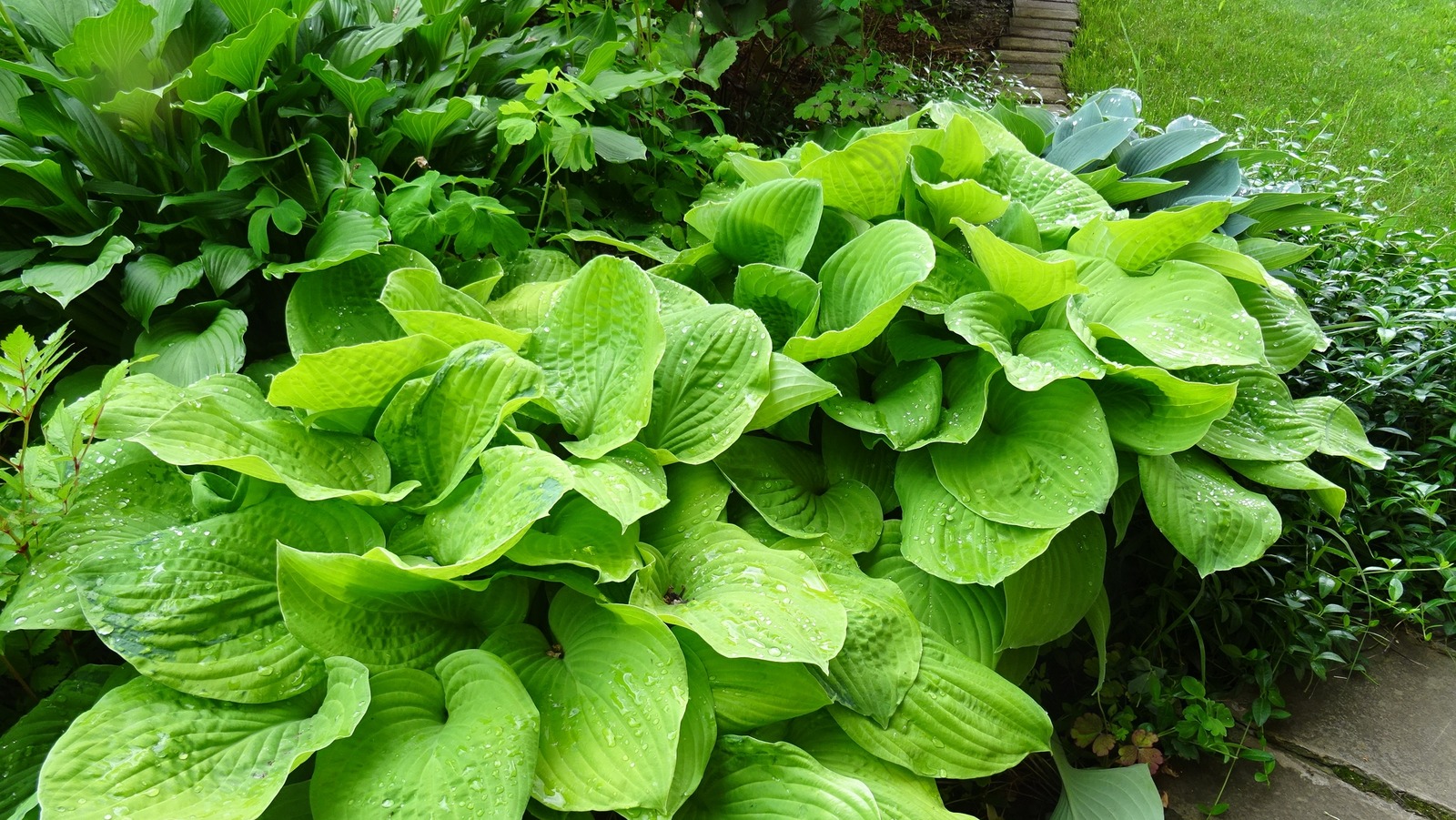
Coffee grounds can indeed be beneficial for hostas, which are shade-loving perennial plants. The use of coffee grounds in gardening has gained popularity due to their potential nutritional and soil-enhancing properties. When applied correctly, coffee grounds can provide several advantages for growing healthy hostas.
Nutrient Content of Coffee Grounds
Coffee grounds contain various nutrients that are important for plant growth, particularly nitrogen, which is essential for leaf development. The high nitrogen content supports the lush green foliage that hostas are known for.
- Nitrogen: Promotes growth and increases leaf size.
- Phosphorus: Aids in root development and flower production.
- Potassium: Helps the plant with overall health and disease resistance.
Soil Improvement Benefits
Incorporating coffee grounds into the soil can improve its texture and drainage. This is especially beneficial for hostas, which thrive in well-drained soil that retains moisture without becoming waterlogged.
- Organic Matter: Coffee grounds enhance soil structure and increase microbial activity.
- Water Retention: They help in retaining moisture, which is crucial for the water needs of hostas.
- pH Level: Coffee grounds can slightly lower soil pH, making it more acidic, which some hostas prefer.
Attracting Beneficial Organisms
Using coffee grounds can attract beneficial organisms such as earthworms and other beneficial microfauna. These organisms help improve soil structure and nutrient availability.
- Earthworms: They aerate the soil and improve its nutrient content through their castings.
- Microorganisms: Increased microbial life enhances nutrient breakdown and availability to plants.
- Predatory Species: May help control pests that could harm hostas.
Application Methods for Hostas
To effectively use coffee grounds for hostas, gardeners should employ specific methods for application. This ensures that the grounds positively affect the plants without causing any harm.
- Composting: Mix coffee grounds with other compostable materials to create a nutrient-rich compost.
- Mulching: Spread a thin layer of grounds on the surface around hostas to retain moisture and suppress weeds.
- Soil Amendment: Mix coffee grounds directly into the planting area to improve soil fertility.
Potential Concerns and Considerations
While coffee grounds offer many benefits, there are also important considerations to keep in mind to ensure the health of hostas.
- Too Much Nitrogen: Excessive application can lead to nutrient imbalance and potential harm to plants.
- Fungal Growth: Coffee grounds may attract molds if applied in excessive amounts, which can negatively affect plants.
- Acidity Levels: Monitor soil pH if using large amounts, as not all hosta varieties thrive in acidic conditions.
Questions from Our Readers
How do I know when to rejuvenate my hostas?
To determine when to rejuvenate your hostas, look for signs of decline such as wilting, smaller leaves, or a disheveled appearance. Typically, rejuvenation is best carried out in early spring or early fall, especially after the plant has bloomed. This timing allows hostas to recover and thrive in the growing season.
What is the best method to rejuvenate hostas?
The most effective method to rejuvenate hostas involves carefully dividing the plant into smaller sections. This process not only promotes healthier growth but also allows for the removal of any dead or damaged foliage. Make sure to water thoroughly after dividing to help the hostas establish themselves in their new positions.
Can I rejuvenate hostas by just trimming them back?
While trimming hostas can help improve their appearance, it is not as effective as dividing or fully rejuvenating the plants. While you can cut back unsightly leaves, for a more thorough rejuvenation, consider dividing them to encourage better air circulation and growth.
See also:
How often should I rejuvenate my hostas?
Hostas generally benefit from rejuvenation every 3 to 5 years. However, this can vary based on the specific variety and overall health of your plants. Regularly monitor your hostas for signs of overcrowding or decline to decide the best time for rejuvenation.

If you want to read more articles like How Do You Rejuvenate Hostas? Expert Tips for Healthy and Vibrant Plants, we recommend you check out our Hostas category.
Leave a Reply
Related Articles