What to Cover Hostas With? Essential Tips for Protecting Your Plants
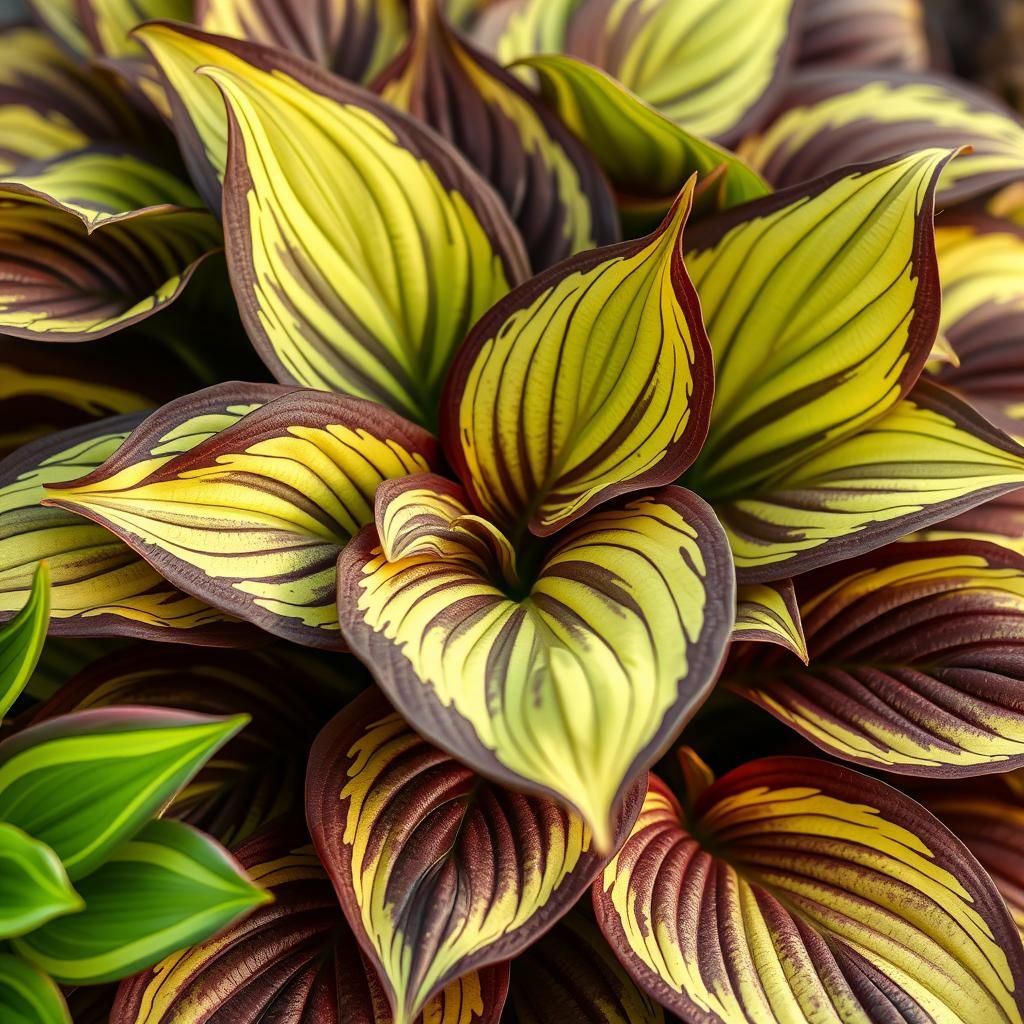
Hostas are beloved perennials known for their lush foliage and shade tolerance, making them a popular choice in many gardens. However, protecting these beautiful plants from harsh weather conditions and pests is crucial for their health and longevity. This article explores the various materials and methods to cover hostas, ensuring they thrive throughout the seasons. Whether you're facing winter frosts, heavy rains, or hungry wildlife, understanding the best ways to shield your hostas can make a significant difference in their growth and appearance. Discover essential tips for safeguarding your plants and maintaining their stunning charm year after year.
What to Cover Hostas With?
To protect your hostas during harsh weather or to enhance their growth, you should consider covering them with various materials. One effective option is mulch, which can help retain moisture in the soil and regulate temperature, providing a shield against frost and weeds. Other materials like landscape fabric can prevent weed growth while allowing water and nutrients to reach the roots. Additionally, using row covers or frost blankets can offer temporary protection against extreme cold, especially during the transition into fall or spring. When selecting a covering, always prioritize materials that promote air circulation to avoid the risk of mold or rot, ensuring your hostas stay healthy year-round.
Mulch for Hostas
Using mulch around hostas serves multiple purposes; it helps retain soil moisture, suppress weeds, and regulate soil temperature. Organic materials like wood chips, shredded bark, or straw are particularly beneficial as they gradually decompose, enriching the soil with nutrients over time. Additionally, applying a layer of mulch can provide an appealing aesthetic to your garden while protecting the delicate roots of hostas from temperature fluctuations.
Landscape Fabric
Landscape fabric is a great option for covering hostas, as it allows for water and nutrients to penetrate while blocking weeds from growing. This lightweight material helps maintain soil temperature and moisture levels, ensuring that your hostas have the necessary conditions to thrive. When using landscape fabric, it's crucial to secure it properly and apply a layer of mulch on top for added protection and durability.
Row Covers
Row covers, often made from lightweight fabric, provide an excellent barrier against cold temperatures and pests. They can be draped over your hostas to create a mini greenhouse effect, effectively trapping warmth while still allowing light and moisture in. This option is particularly useful during late spring frosts or when young plants need extra care during their early growth stages. Ensure the covers are removed during warmer periods to prevent overheating.
See also:
Frost Blankets
Utilizing frost blankets can be an effective strategy for protecting hostas during sudden drops in temperature. These specialized covers provide insulation against frost, helping to prevent damage to the leaves and roots. When using frost blankets, it's best to place them over the plants in the late afternoon to trap heat, and remove them the following morning once temperatures rise above freezing. This temporary covering can significantly enhance the survival rate of hostas in colder climates.
Choosing the Right Material
When deciding what to cover hostas with, it's essential to choose the right material based on your specific needs and local climate. Factors such as moisture retention, temperature regulation, and pest protection should all be considered. For example, if you live in a colder region, using frost blankets may be more beneficial, whereas in warmer areas, organic mulch might be preferred to prevent weeds and retain moisture. Understanding the advantages and disadvantages of each type of covering will help you make the best choice for your hostas.
| Cover Type | Benefits | Ideal Conditions |
|---|---|---|
| Mulch | Moisture retention, weed suppression | Moderate climates |
| Landscape Fabric | Weed control, nutrient penetration | Preventing weed issues |
| Row Covers | Frost protection, pest barrier | Cooler weather |
| Frost Blankets | Insulation against freezing | Cold fronts |
| Organic Materials | Soil enrichment, aesthetic appeal | Long-term care |
Choosing the Right Covering Material for Hostas
When it comes to protecting your hostas, selecting the appropriate covering material is crucial for their health and survival during harsh weather conditions. Common options include garden fabric, mulch, and plastic sheeting, each offering unique benefits. Garden fabric allows for airflow while providing shade and slight warmth, which is ideal for preventing frost damage. On the other hand, using organic mulch can help maintain soil moisture and temperature, as well as suppress weeds. Plastic sheeting can be beneficial for creating a greenhouse effect but may trap too much moisture if not used correctly. Understanding the specific needs of your microclimate will help you make informed decisions about what to cover your hostas with.
Importance of Timing When Covering Hostas
Timing plays a vital role in the effectiveness of covering your hostas. The best practice is to cover them before the first frost of the season, as this is when they are most susceptible to cold damage. Conversely, it’s essential to remove coverings once the threat of frost has passed to prevent overheating and allow for proper sunlight exposure. Knowing your local climate patterns can aid in determining the right moments for these actions, ensuring that your hostas stay protected while also thriving.
Different Types of Mulch for Hostas
Using mulch is a popular method for covering hostas and protecting their roots. Various types of mulch, such as bark, straw, or even grass clippings, can provide excellent insulation against temperature fluctuations. Organic mulches also offer the added benefit of breaking down over time, enriching the soil with nutrients. It's essential to apply a thick layer to ensure adequate coverage while keeping mulch a few inches away from the crowns of the hostas to prevent rot.
See also:
Using Fabric Covers: Pros and Cons
Fabric covers, such as those made from lightweight row covers or frost blankets, can be extremely beneficial for hostas during unexpected freezes. They allow for airflow and light penetration, which are essential for the plants’ growth. However, one drawback is that fabric covers might not provide sufficient protection against extreme cold without additional insulation. Additionally, they must be securely anchored to prevent blowing away during storms, which can damage the plants if not properly managed.
Creating DIY Covers with Household Items
If you're on a budget, creating DIY covers from household items is an excellent way to protect your hostas. Old sheets, and tarps can be repurposed as temporary coverings to shield your plants from frost. Make sure to weigh down the edges with stones or bricks to ensure they stay in place. While these makeshift solutions can be effective, it’s vital to monitor the conditions frequently to ensure they are not causing any heat build-up under the cover.
Seasonal Considerations for Hostas Care
Caring for hostas involves more than just protecting them during the winter; it's essential to consider their needs throughout the seasons. In the spring, focus on monitoring new growth and ensuring that your protective measures do not hinder their development. During the summer, providing adequate water and shade is crucial, as the intense sun can lead to leaf scorch. In the fall, as temperatures drop, prepare to transition to the appropriate coverings that will help retain moisture and insulate the plants for the winter months ahead.
Questions from Our Readers
What materials can I use to cover hostas during winter?
To protect your hostas during winter, you can use materials such as mulch, straw, or burlap. These coverings help insulate the plants and prevent frost damage. Make sure the material is breathable, as this will allow moisture to escape and prevent mold growth.
Should I remove the hosta leaves before covering them?
It is generally recommended to cut back hosta leaves before covering them for winter. This helps prevent pests and diseases and allows for better air circulation. However, leaving a few leaves can provide additional protection from harsh conditions.
See also:
How thick should the covering be for hostas?
When covering hostas, aim for a thickness of approximately 2 to 4 inches of mulch or straw. This thickness provides adequate insulation while allowing light and moisture to reach the plants, promoting healthy growth when spring arrives.
Can I use plastic to cover hostas?
Using plastic to cover hostas is not recommended as it can lead to humidity buildup and frost damage. Instead, opt for breathable materials like burlap or cloth, which will protect the plants while allowing air circulation to prevent rot.
If you want to read more articles like What to Cover Hostas With? Essential Tips for Protecting Your Plants, we recommend you check out our Hostas category.
Leave a Reply
Related Articles