What Side of the House Do Hostas Grow Best? Tips for Optimal Growth

When it comes to cultivating hostas, one of the key factors influencing their growth is the location within your garden. Growing hostas on the appropriate side of the house can significantly enhance their vitality and aesthetic appeal. These lush, leafy plants thrive in specific light conditions, making it essential to understand which areas of your home provide the best environment. In this article, we will explore the optimal side of the house for planting hostas, along with valuable tips to promote their growth and ensure they flourish in your garden. Discover how to create the perfect setting for these perennial favorites.
What Side of the House Do Hostas Grow Best?
Hostas thrive best on the north side of the house where they can receive indirect sunlight and protection from the heat of the afternoon sun. This placement helps prevent their leaves from burning and allows them to maintain their vibrant colors and lush foliage. While hostas are known for their adaptability, they will flourish in partially shaded areas, making the north side the optimal choice. Additionally, maintaining consistent moisture is essential for their growth, which can be easier to manage in areas that are shaded for most of the day.
Understanding Sunlight Requirements
Hostas generally prefer shade or partial shade, which means they do best in areas that receive morning sunlight but are shielded from the intense rays of the afternoon sun. While some varieties are more tolerant of sun exposure, they typically benefit from cooler environments. The ideal range for most hosta varieties is 2-4 hours of direct sunlight per day, allowing them to photosynthesize without risking damage to their leaves.
Impact of Soil Conditions
The type of soil in which hostas are planted plays a crucial role in their growth. They prefer well-drained, moist, and rich soil that is high in organic matter. While hostas can adapt to various soil types, heavy clay or excessively sandy soils can hinder their development. Ensuring that the soil retains moisture while draining adequately will contribute to a healthy hosta plant, particularly when planted on the north side of the house where conditions are more favorable.
Choosing the Right Variety for Your Location
Not all hosta varieties are created equal, and some are more tolerant of sunlight than others. For instance, varieties such as 'Sun Power' or 'Guacamole' can handle more sun exposure compared to traditional hostas. However, regardless of the variety, having them positioned on the cooler side of the house can still yield better results overall, especially in areas with intense summer heat.
Moisture Management
Hostas are known for their love of moisture, making regular watering essential, especially in shadier locations. On the north side, these plants are less likely to dry out quickly compared to sunnier sides. To maintain the right moisture levels, it’s important to check the soil frequently and apply mulch to help retain moisture while also preventing weeds, allowing hostas to thrive in their preferred environment.
Assessing Landscape Factors
When considering where to plant hostas, it’s important to evaluate landscape factors such as nearby trees or structures that may cast shadows throughout the day. The north side of a house is often less affected by competing plants, giving hostas the light and moisture they need. Ideally, placement should consider both natural and artificial light sources, ensuring that hostas have the best possible environment for growth.
| Aspect | Optimal Condition |
|---|---|
| Sunlight | Indirect sunlight / Partial shade |
| Soil Type | Well-drained, rich soil |
| Watering | Consistent moisture |
| Best Location | North side of the house |
| Variety Selection | Sun-tolerant varieties |
What does Epsom salt do for hostas?

Epsom salt, primarily composed of magnesium sulfate, is an effective supplement for soil health and plant growth. When it comes to hostas, Epsom salt offers several benefits that can enhance their growth and overall health. Here are some key effects of Epsom salt on hostas:
1. Improved Nutrient Uptake: Epsom salt helps in the absorption of essential nutrients. The magnesium in Epsom salt aids in photosynthesis and nutrient mobility within the plant, leading to healthier hostas.
2. Enhanced Leaf Color: By promoting chlorophyll production, Epsom salt can enhance the rich green color of hosta leaves. Proper magnesium levels prevent yellowing, making the plants more aesthetically pleasing.
3. Stress Resistance: Epsom salt can bolster the plants' ability to endure environmental stresses such as drought or temperature fluctuations. Magnesium helps strengthen plant cells, making them less susceptible to stress.
4. Faster Growth: With improved nutrient uptake and photosynthesis, hostas treated with Epsom salt often exhibit faster growth rates, leading to quicker establishment and expansion in gardens.
5. Increased Blooming: While hostas are primarily grown for their foliage, their flowers can also benefit. Epsom salt encourages blooming by ensuring that the plants are healthier and better nourished.
See also:
Improved Nutrient Uptake
Epsom salt enhances the nutrient absorption of hostas significantly. The magnesium in Epsom salt acts as a catalyst for the uptake of key nutrients like nitrogen and phosphorus. This is crucial for hostas, as these nutrients are vital for vigorous growth and flowering. By applying Epsom salt, gardeners can ensure their hostas have a well-rounded nutrient foundation.
- Enhances nutrient mobility within the plant.
- Facilitates efficient use of nitrogen and phosphorus.
- Supports overall plant vigor.
Enhanced Leaf Color
One of the most noticeable benefits of Epsom salt is its ability to improve the leaf color of hostas. Magnesium deficiency can lead to yellowing leaves (chlorosis), while adequate magnesium promotes the development of chlorophyll, which helps in creating lush, vibrant foliage. The result is healthier plants that stand out in any garden setting.
- Promotes deep green foliage.
- Reduces leaf yellowing due to magnesium deficiency.
- Enhances overall plant aesthetics.
Stress Resistance
Hostas can be susceptible to various environmental stressors, such as drought and extreme temperatures. Epsom salt strengthens plant cells by supporting their structure with magnesium. This resilience allows hostas to better withstand adverse conditions, promoting longevity and health.
- Strengthens plant cell walls.
- Increases tolerance to drought conditions.
- Reduces susceptibility to temperature fluctuations.
Faster Growth
The application of Epsom salt leads to quicker establishment and growth of hostas. With enhanced nutrient uptake and improved photosynthetic capabilities thanks to magnesium, hostas can not only grow faster but also achieve a more robust structure. This is particularly beneficial when planting new hostas, where speed of establishment is crucial.
- Stimulates quicker root and leaf development.
- Facilitates faster plant establishment in new gardens.
- Promotes a robust overall plant structure.
Increased Blooming
While primarily known for their foliage, hostas can produce beautiful blooms. Epsom salt supports these flowering stages by ensuring that the plants are well-nourished and healthy. A balanced intake of nutrients, including magnesium, often results in more prolific blooming, enhancing the garden's appeal.
- Supports blooming potential in hostas.
- Encourages healthy growth leading to flowering.
- Enhances the overall garden aesthetic through blooms.
What is the secret to growing hostas?
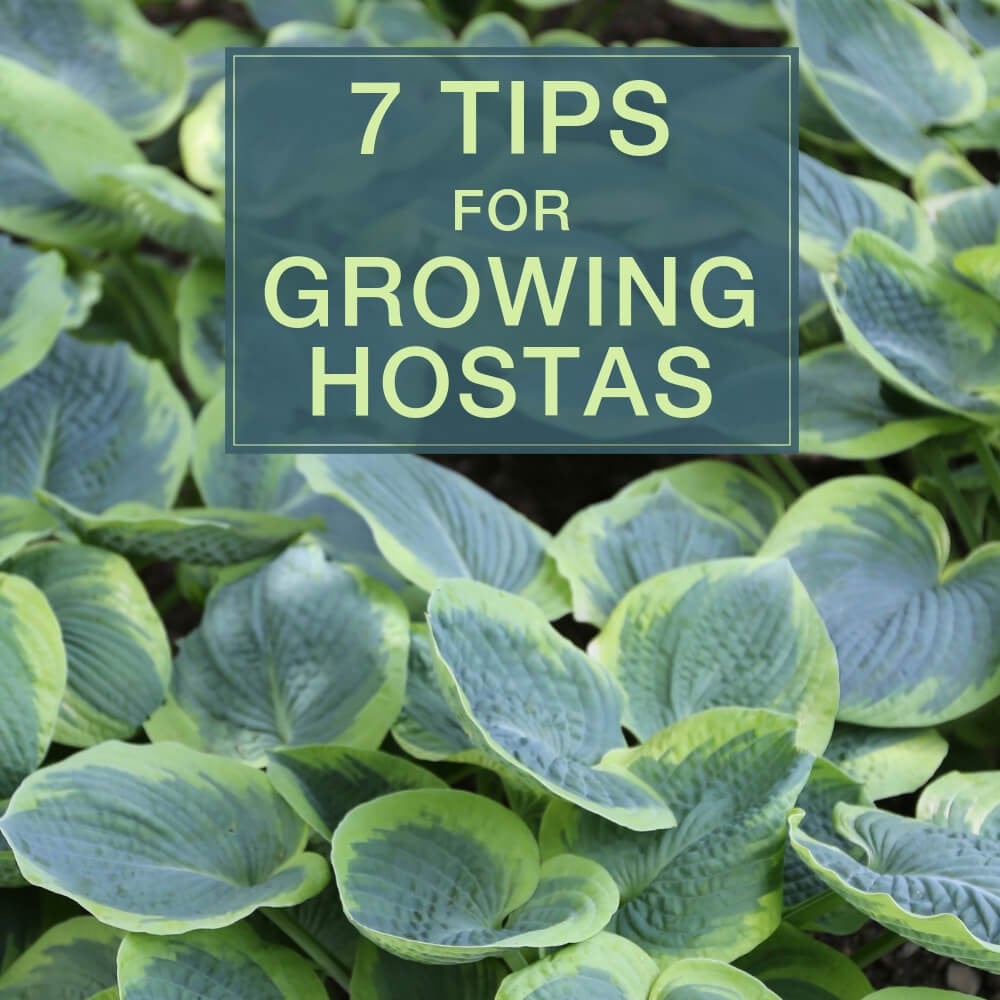
To successfully grow hostas, several key factors must be taken into consideration. Here’s a detailed guide to help you understand the essential steps for nurturing these beautiful shade-loving plants.
Choosing the Right Location
Selecting the appropriate location is crucial for the health of hostas. These plants thrive best in partial to full shade, making them excellent for spots that receive limited sunlight. Too much direct sunlight can scorch the leaves and negatively affect their growth and color.
- Look for areas with dappled sunlight or morning sun and afternoon shade.
- Avoid locations where water tends to pool, as hostas are prone to root rot.
- Consider the surroundings such as trees and shrubs that provide adequate shade.
Soil Requirements
The quality of the soil where hostas are planted can significantly impact their growth. They prefer well-drained, rich soil that retains moisture. A good mix will support root development and overall plant health.
- Amend the soil with compost or well-rotted manure to boost nutrient levels.
- Ensure the soil has a slightly acidic to neutral pH, ideally between 6.0 and 7.0.
- Regularly test the soil to track nutrient levels and adjust as necessary.
Watering Practices
Consistent watering is vital for hostas, especially during dry spells. Maintaining the right level of moisture helps prevent stress on the plant and promotes robust growth.
- Water deeply at least once a week, increasing frequency during extremely hot weather.
- Avoid overhead watering to reduce the risk of fungal diseases; water at the base of the plant.
- Use mulch around the base to retain moisture and suppress weeds.
Pest and Disease Management
Hostas can be susceptible to various pests and diseases. Being vigilant and proactive in managing these threats ensures the health of your plants.
- Regularly inspect leaves for signs of pests like slugs and snails; use bait traps or barriers as necessary.
- Monitor for fungal diseases such as powdery mildew, and apply fungicides if needed.
- Keep debris cleared from around the plants to minimize disease risk.
Fertilization Techniques
Proper fertilization can enhance the growth and color of hostas. While they are not heavy feeders, a good fertilization regimen can ensure they thrive.
- Apply a balanced slow-release fertilizer in early spring as new growth begins.
- Use organic options like compost or fish emulsion for a nutrient boost.
- Avoid over-fertilizing, which can lead to lush foliage but weak plants.
Where not to plant hostas?
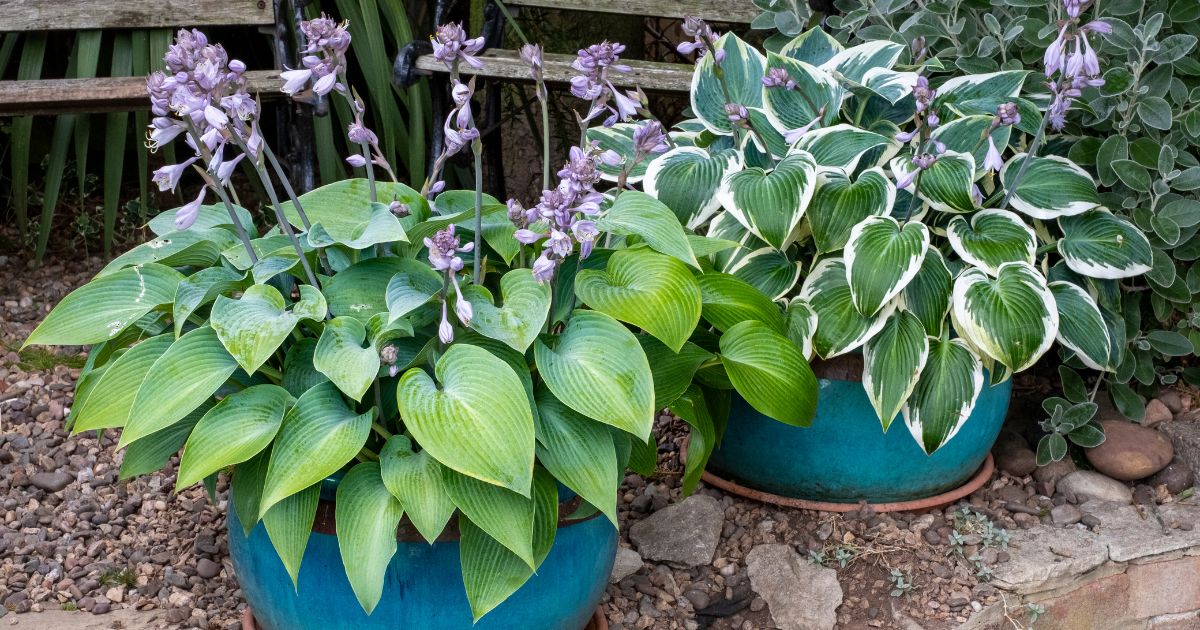
Areas with Direct Sunlight
Hostas are known for their preference for shaded environments, making areas with direct sunlight unsuitable for planting them. When hostas are exposed to prolonged sunlight, they can suffer from leaf scorch, where the leaves turn brown and crispy. This exposure can also cause stunted growth, leading to an overall weak appearance. To keep hostas healthy, avoid planting them in:
See also:
- Sunny garden beds without any shade.
- Open lawns that receive full sun throughout the day.
- Near structures that reflect sunlight, intensifying heat exposure.
Dry and Sandy Soils
Hostas thrive in moist, rich soils, making dry and sandy soils a poor choice for their growth. Sandy soils do not retain moisture well, leading to conditions that can stress the plants. In addition, nutrient leaching is common in sandy soils, depriving hostas of essential nutrients. Avoid planting hostas in:
- Areas with poor water retention capacity.
- Regions that experience minimal rainfall.
- Spots where the soil is predominantly sandy without organic matter.
Areas with Poor Drainage
Hostas require well-drained soils to prevent root rot, making locations with poor drainage unsuitable. Excess water can lead to suffocated roots and fungal infections, ultimately harming the plant. It is crucial to avoid planting hostas in:
- Low-lying areas where water tends to pool.
- Regions with heavy clay soils that retain too much moisture.
- Spots where standing water is common after rain.
Regions with Extreme Temperatures
Hostas are sensitive to temperature extremes, making locations with harsh winters or searing summers inappropriate for their growth. Experiencing frost during the growing season can damage established hostas, while extreme heat can cause them to wilt. Avoid planting hostas in:
- Areas known for severe winter weather that leads to frozen ground.
- Regions that consistently experience summer temperatures above 90°F (32°C).
- Locations with significant temperature fluctuations throughout the day.
Locations with Competing Vegetation
Hostas don't perform well in areas crowded with competing vegetation that can overshadow or outcompete them for resources. This competition can result in poor growth and health for the hostas. Consider avoiding planting them in:
- Dense shrub beds where sunlight is limited.
- Around large trees that absorb too much moisture and nutrients.
- Gardens with aggressive invasive plant species.
Where is the best place to plant hostas?
:max_bytes(150000):strip_icc()/2555801_grumpjames-salomondsc_8479_0-2000-e77270539a164a2884dac60b98b355b1.jpg)
To determine the best place to plant hostas, several factors should be considered to ensure their optimal growth and aesthetic appeal. Hostas are shade-loving perennials that thrive in specific conditions, making it essential to select the right location in your garden or landscape.
Climate Considerations for Planting Hostas
When selecting a location for hostas, it's essential to take the climate into account. Hostas prefer temperate regions but can tolerate a range of climates. Planting them in the right climate zone is crucial for their survival and vibrancy.
- Hardiness Zones: Most hostas thrive in USDA hardiness zones 3 to 9.
- Temperature Extremes: Protect hostas from harsh sunlight and extreme heat, especially in warmer climates.
- Winter Protection: In colder zones, ensure they have enough mulch for protection during winter.
Lighting Requirements for Hostas
Hostas flourish in shade to partial shade, making light conditions a significant factor in their placement. Understanding their lighting needs will help you choose the best area for planting.
- Shade Conditions: Hostas do well in full shade, especially in hotter regions.
- Partial Shade: They can also tolerate partial sun, about three to four hours of morning sunlight.
- Avoid Direct Sunlight: Prolonged exposure to midday or afternoon sun can scorch their leaves.
Soil Type and Drainage
The soil quality is another critical factor for the health of hostas. These plants prefer rich, well-drained soil, making it important to understand the composition of your garden soil prior to planting.
- Soil Composition: Hostas thrive in loamy, organic-rich soil.
- Drainage: Good drainage is vital; avoid planting in heavy clay or overly compacted soils.
- Soil pH: Aim for a slightly acidic to neutral pH (around 6.0 to 7.0).
Moisture Needs for Hostas
Hostas require consistent moisture to thrive but do not like soggy soil. Understanding their water requirements will aid in selecting a suitable planting location.
- Regular Watering: Ensure a consistent moisture level in the soil.
- Avoid Overwatering: Overly saturated soil can lead to root rot.
- Mulching: Use mulch to retain moisture and regulate soil temperatures.
Design Considerations for Planting Hostas
When planning hosta placement, consider the landscape design and how hostas will complement other plants and features in the area. This can enhance the overall aesthetics of your garden.
- Contrasting Colors: Pair hostas with brightly colored flowers for visual contrast.
- Textural Variations: Use hostas to add texture in shady garden areas.
- Layering: Plant shorter hostas in front of taller plants for added depth.
Questions from Our Readers
What side of the house do hostas grow best?
Hostas typically thrive in shady or partially shaded areas of your garden. The north and east sides of a house are usually the best locations for growing hostas, as they provide cooler conditions and protection from harsh afternoon sun, which can scorch their leaves.
Can hostas tolerate full sun?
While some varieties of hostas can tolerate morning sun, most prefer shaded environments. Full sun can lead to stress, causing their leaves to become bleached, scorched, or even crispy, ultimately compromising the health of the plant.
How much water do hostas need?
Hostas require consistent moisture, especially in the warm months, to maintain their lush foliage. However, it's essential to ensure proper drainage, as overly wet conditions can lead to root rot. A good rule of thumb is to keep the soil moist but not waterlogged.
See also:
Can hostas grow in dry shade?
Hostas generally do not thrive in dry shade as they prefer well-drained soil that retains some moisture. If the area tends to be consistently dry, it may be beneficial to amend the soil with organic matter or choose different plants that are more suited for dry conditions.

If you want to read more articles like What Side of the House Do Hostas Grow Best? Tips for Optimal Growth, we recommend you check out our Hostas category.
Leave a Reply
Related Articles