Do Coral Bells Like Full Sun or Shade? Discover the Best Growing Conditions for Your Garden
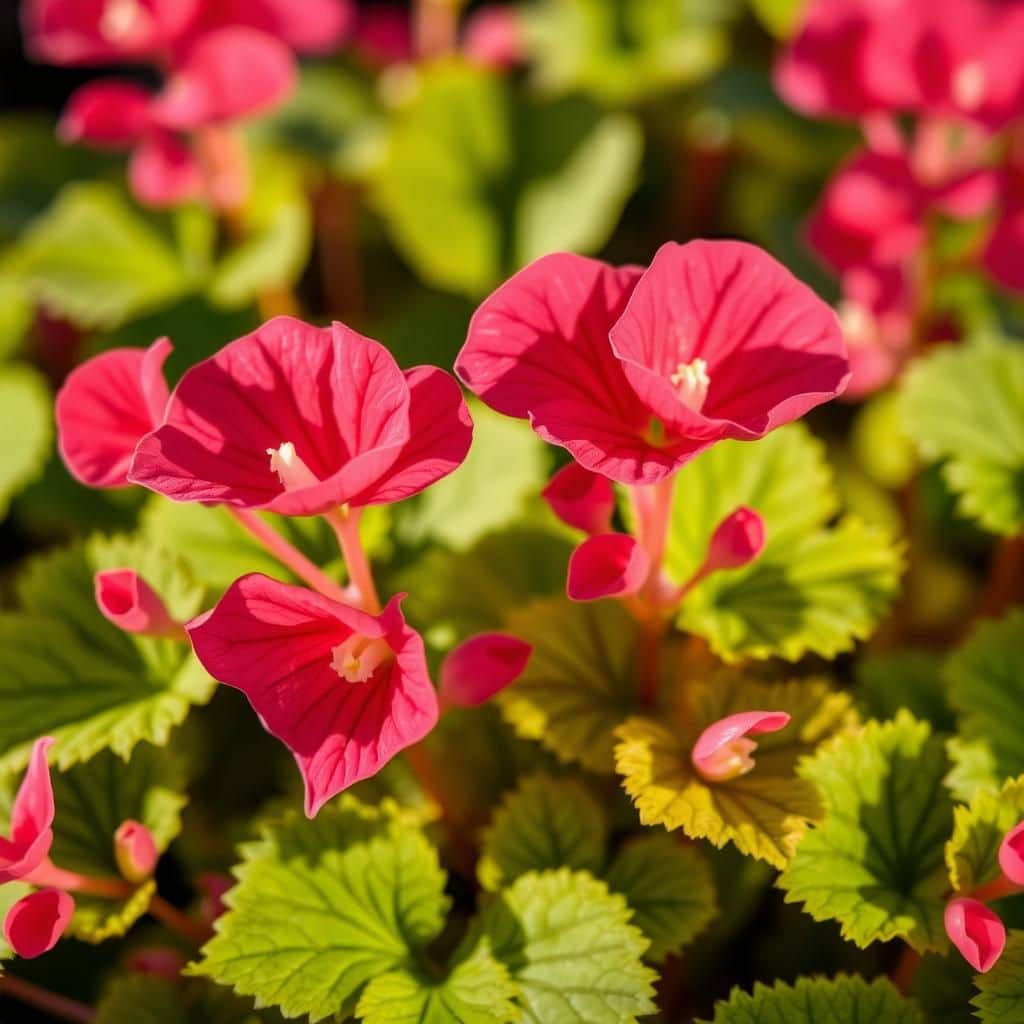
Coral bells, known for their stunning foliage and delicate blooms, are a popular choice among gardeners looking to add vibrancy to their landscapes. However, one of the most common questions surrounding these versatile plants is whether they thrive in full sun or shade. Understanding the optimal growing conditions for coral bells is essential for ensuring healthy growth and flourishing displays. In this article, we will explore the light requirements of coral bells, the impact of sun exposure on their development, and tips on creating the best environment for these beautiful perennials in your garden.
Do Coral Bells Prefer Full Sun or Shade?
Coral bells, known scientifically as Heuchera, are quite versatile when it comes to light requirements, thriving in a range of conditions. While they can handle full sun, particularly in cooler climates, they generally perform best in partial shade. This balance helps them maintain vibrant foliage and prevents overheating, which can lead to stress in hotter regions. In areas with intense sunlight, the leaves may scorch, diminishing their striking appearance. Therefore, it's crucial for gardeners to consider their local climate and the specific conditions when deciding on the ideal light for growing coral bells.
Understanding Coral Bells Light Requirements
Coral bells flourish in a variety of light conditions, but their optimal growth usually occurs in partial shade. This means they should receive around 4 to 6 hours of filtered sunlight each day. Situating them in areas with morning sun and afternoon shade can help keep the foliage's rich colors while allowing them to photosynthesize effectively without the risk of leaf scorch common in harsher sunlight.
Effects of Full Sun on Coral Bells
In hotter climates, placing coral bells in full sun can be detrimental. Exposure to prolonged direct sunlight can lead to leaf burn and overall plant stress. While they might be able to tolerate full sun in cooler climates, those grown in warmer regions often show signs of distress, such as wilting or crispy leaves. This can negatively impact their growth and aesthetic appeal, making it crucial to monitor their health closely under these conditions.
Benefits of Shaded Areas for Coral Bells
Opting for a shaded environment when planting coral bells can yield numerous benefits. In shaded areas, these plants can achieve more vibrant colors and healthier growth due to reduced temperature stress. The cooler microclimate provided by shade can lead to longer bloom times and allows the plant to focus its energy on foliage rather than survival. This is particularly beneficial during the scorching summer months.
See also:
Adapting Coral Bells to Different Lighting Conditions
Gardeners often find that adapting coral bells to various light conditions is essential for their success. When transitioning coral bells from shade to more sun exposure, it is advisable to do so gradually, as sudden changes can shock the plant. Monitoring their response to new lighting conditions will help ensure they reach their full potential, whether in sun or shade.
Choosing the Right Location for Coral Bells
Selecting the perfect spot for coral bells involves assessing the microclimate in your garden. Areas that receive morning sun with afternoon shade offer an ideal setting. It’s recommendable to evaluate how the light shifts throughout the day and ensure that coral bells are planted where they can thrive without extreme temperature fluctuations. Additionally, considering nearby trees or structures that provide dappled sunlight can be beneficial.
| Light Condition | Effects on Coral Bells |
|---|---|
| Full Sun | Risk of leaf scorch and stress |
| Partial Shade | Optimal growth and vibrant foliage |
| Full Shade | Reduced flowering, limited growth |
Optimal Light Conditions for Coral Bells: Sun vs. Shade
Coral bells, scientifically known as Heuchera, thrive in a range of light conditions, but the best growth is often observed in partial shade. While they can handle full sun, particularly in cooler climates, excessive heat can lead to leaf scorch and reduced foliage color. Therefore, it’s essential to strike a balance by placing them in areas that receive morning sun or filtered light throughout the day. This helps maintain their vibrant foliage and encourages healthy growth, making them a fantastic choice for both shady and sunny garden spots.
Understanding Coral Bells’ Sunlight Requirements
Coral bells are adaptable plants, but their sunlight requirement varies based on the variety and climate. Most types prefer partial shade, which protects them from the harsh midday sun. In hotter regions, too much sun can dehydrate the plants, causing their leaves to turn crispy and brown. Conversely, those grown in primarily shaded areas often display richer foliage colors and are less prone to wilting, reinforcing the significance of knowing your plant’s specific needs in relation to your local environment.
Impact of Temperature on Sunlight Preferences
Temperature plays a crucial role in determining how much sunlight coral bells can tolerate. In warmer climates, they should ideally be positioned in stronger shade to prevent heat stress, especially during the hottest months of the year. Meanwhile, in cooler areas, these plants can benefit from more direct sun exposure, as the lower temperatures can allow them to flourish without the risk of heat damage. Understanding the local climate plays a significant part in achieving the best growing conditions for these ornamental beauties.
See also:
Choosing the Right Location in Your Garden
When selecting a location for your coral bells in the garden, consider both sunlight and shade availability throughout the day. Areas that receive filtered sunlight, such as beneath trees or alongside taller plants, can provide the ideal mix of light. It’s also important to avoid spots that trap heat or cause prolonged wetness, as excessive moisture can be detrimental. Choosing the right location will help establish a vibrant display of foliage and promote overall plant health.
Common Misconceptions About Coral Bells and Sunlight
A common misconception is that coral bells can thrive equally well in full sun or deep shade. While they are forgiving, not understanding the nuances of their light needs can lead to poor growth. Inadequately lit environments may cause them to become leggy or lack color vibrancy, while full sun can lead to burnt leaves in hot climates. It is crucial to recognize the delicate balance that must be maintained regarding light exposure for optimal blooming and bodacious foliage.
Seasonal Changes and Coral Bells' Sun Exposure
As seasons change, so might the sunlight availability in your garden, impacting your coral bells. Spring and fall often offer milder conditions, where more sun exposure can be beneficial without causing stress. In contrast, during the peak of summer, the intense heat can necessitate a move to more shaded spots. To maximize their health and beauty throughout the year, be prepared to adjust their placement according to seasonal light conditions and temperatures, ensuring they enjoy thriving growing environments all year round.
Questions from Our Readers
Do coral bells prefer full sun or shade?
Coral bells, also known as Heuchera, generally thrive in partial shade to full shade. While they can tolerate some morning sun, too much direct sunlight can cause their leaves to scorch, leading to a decline in overall plant health.
How much sunlight do coral bells need?
Coral bells prefer 3 to 6 hours of indirect sunlight daily. In regions with very hot summers, it's best to provide them with afternoon shade to protect their delicate foliage from extreme heat.
See also:
Can coral bells grow in full shade?
Yes, coral bells can successfully grow in full shade. In such conditions, they may not produce as many flowers, but their foliage remains lush and vibrant, making them an excellent choice for shaded garden areas.
What happens if coral bells get too much sun?
When coral bells receive too much sunlight, their leaves may become crispy and discolored, which can lead to overall plant stress. It's essential to monitor their exposure and provide shade during the hottest parts of the day for optimal growth.

If you want to read more articles like Do Coral Bells Like Full Sun or Shade? Discover the Best Growing Conditions for Your Garden, we recommend you check out our Heuchera category.
Leave a Reply
Related Articles