What Not to Plant If You Have a Dog? Essential Tips for Pet-Friendly Gardening
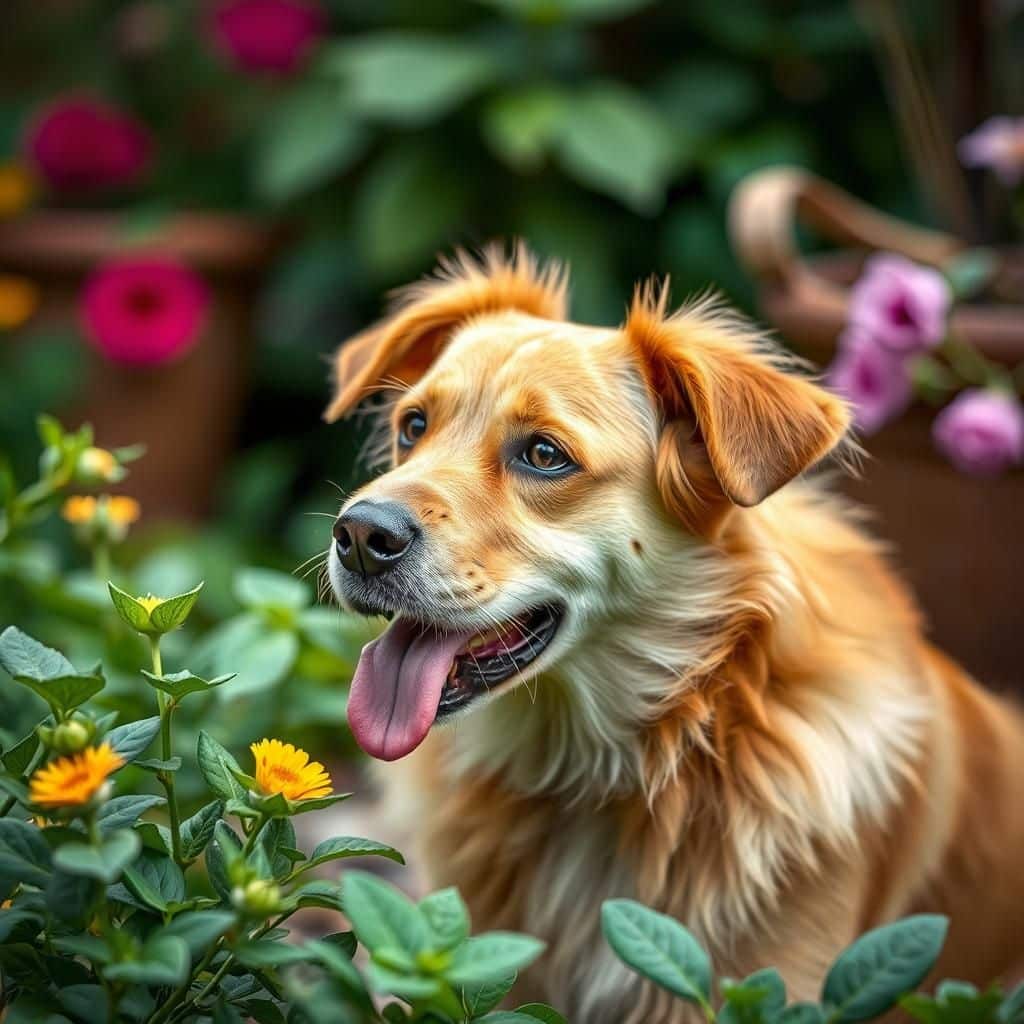
Creating a pet-friendly garden is essential for dog owners who want to enjoy their outdoor spaces without compromising their furry friends’ safety. Certain plants can be toxic or irritating to dogs, leading to health issues if ingested or even just touched. In this article, we will discuss the plants to avoid when gardening with dogs in mind, along with practical tips to ensure your garden remains a safe haven for your pet. By making informed choices, you can cultivate a beautiful garden that both you and your canine companion can enjoy worry-free.
Plants to Avoid if You Have a Dog
When you have a dog, it’s crucial to be aware of which plants can pose a risk to their health and safety. Many common garden and houseplants can be toxic, causing symptoms ranging from mild gastrointestinal distress to severe reactions that could threaten their life. Some plants contain compounds that are harmful if ingested, others may cause skin irritations, and some can even pose choking hazards. Therefore, understanding which plants should be avoided is essential for a dog-friendly environment.
Common Toxic Plants
Several common plants are known to be toxic to dogs, including oleander, azalea, and sago palms. Oleander can cause serious heart problems, azaleas can lead to vomiting and diarrhea, and sago palms contain toxins that affect the liver. It’s important to research and avoid these plants to create a safe space for your pet.
Houseplants to Keep Away
In addition to outdoor plants, many houseplants can be harmful to dogs. For example, pothos, philodendron, and peace lilies can cause varying degrees of irritation if chewed or ingested. The calcium oxalate crystals present in these plants can lead to oral irritation, pain, and swelling. Keeping these plants out of reach or choosing pet-safe alternatives is advisable.
Herbs That Are Harmful
While many herbs are safe for dogs, some can be detrimental to their health. Chives, garlic, and onions belong to the allium family and can be toxic, causing gastrointestinal upset and even damage to red blood cells if consumed in large amounts. It's best to steer clear of planting these herbs to ensure your dog's safety.
Flowers to Avoid
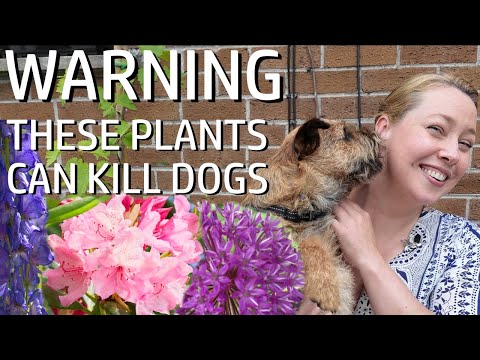
Certain flowers can also pose risks to dogs. For instance, lilies, foxgloves, and rhododendrons can be particularly harmful. Lilies, in particular, can cause kidney failure in cats but are also not safe around dogs. Therefore, removing these from your garden can help prevent potential poisoning incidents.
Safe Plant Alternatives
If you're looking to create a pet-friendly garden, consider planting safe alternatives like marigolds, roses, and petunias. These plants are not only beautiful but are generally non-toxic to dogs. Always ensure that any plants chosen for your garden are specifically labeled as safe for pets, providing a more secure environment for your furry friends.
| Plant Name | Toxicity Level | Potential Effects |
|---|---|---|
| Oleander | High | Heart issues |
| Azalea | Moderate | Vomiting, diarrhea |
| Sago Palm | High | Liver damage |
| Pothos | Moderate | Oral irritation |
| Chives | High | Gastrointestinal upset |
What plant is harmful to dogs?
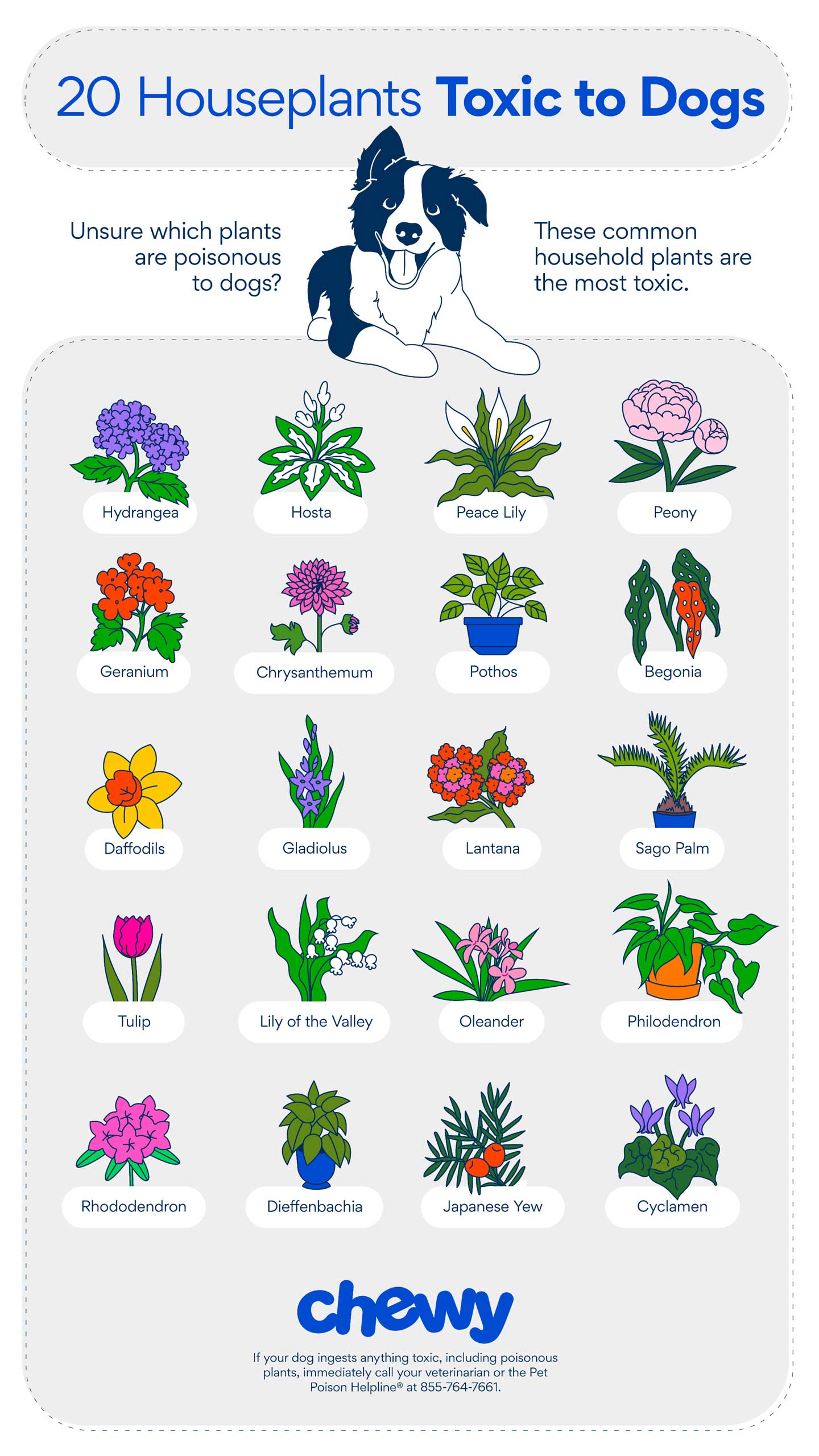
The plant that is particularly harmful to dogs is the Sago Palm (Cycas revoluta). All parts of this plant are toxic, but the seeds and leaves contain the highest concentration of toxins. If ingested, Sago Palm can cause severe liver damage, vomiting, diarrhea, seizures, and even death. It is important for pet owners to be aware of the plants in their environment to prevent accidental poisoning.
Common Symptoms of Plant Toxicity in Dogs
When a dog ingests a toxic plant like the Sago Palm, several symptoms may arise. These can include:
- Vomiting - This is often one of the first signs that something is wrong.
- Diarrhea - Dogs may also experience severe diarrhea, which can lead to dehydration.
- Lethargy - A noticeable decrease in energy or activity levels is common.
- Seizures - In severe cases, seizures may occur due to liver failure.
- Jaundice - Yellowing of the skin or eyes can indicate liver damage.
Plants Similar to Sago Palm
Several plants resemble the Sago Palm and are also toxic to dogs, making identification essential. These plants include:
- Macadamia Nut Trees - These can cause weakness and tremors.
- Cycads - Similar to Sago Palm, many cycads are toxic.
- Yucca - While not as toxic, large ingestions can lead to gastrointestinal upset.
- Golden Chains - This plant is highly toxic, causing severe cardiovascular issues.
- Foxglove - Known to impact heart function negatively.
Preventative Measures for Dog Owners
To ensure the safety of dogs around plants, certain measures should be taken:
- Identify All Plants - Knowledge of which plants are safe and which are harmful is crucial.
- Keep Toxic Plants Out of Reach - If possible, remove toxic plants from the home or yard.
- Use Fencing - A secure fence can help keep dogs away from potentially harmful plants.
- Regular Check-Ups - Visiting a vet can help catch any issues early.
- Educate Others - Informing family and friends about toxic plants can prevent accidents.
Emergency Actions if Ingestion Occurs
If a dog is suspected of ingesting a toxic plant, immediate action is required:
See also:
- Contact a Vet - Reach out to your veterinarian as soon as possible for guidance.
- Provide Information - Be ready to inform the vet about the specific plant and the amount ingested.
- Monitor Symptoms - Keep an eye on any symptoms that develop during this time.
- Avoid Inducing Vomiting - Do not try to induce vomiting unless instructed by a vet.
- Follow Veterinary Advice - Adhere to any treatment recommendations provided by the vet.
Resources for Understanding Plant Toxicity
For pet owners who want to learn more about which plants are safe or harmful:
- ASPCA Animal Poison Control - This is a trusted resource for identifying toxic plants.
- Local Veterinary Schools - Many offer educational materials on pet safety.
- Botanical Gardens - They often provide information about local flora and their effects on pets.
- Online Databases - Websites like PetMD feature comprehensive lists of toxic plants.
- Community Groups - Local pet owner groups can share experiences and knowledge regarding plant toxicity.
Can I have plants if I have a dog?

Yes, you can have plants if you have a dog, but there are important considerations to keep in mind to ensure the safety and health of your pet. Some plants are toxic to dogs, while others are completely safe. It is crucial to research and select appropriate species, monitor your dog's behavior around plants, and implement preventive measures to create a harmonious living environment for both your furry friend and your greenery.
Safe Plants for Dogs
When selecting plants for your home, it's essential to choose those that are safe for your dog. Here are some plants that are generally considered non-toxic:
- Boston Fern: A lush, easy-to-maintain plant that brings greenery without risk.
- Areca Palm: A beautiful palm that is also safe for pets, ideal for bright indoor spaces.
- Bamboo Palm: Adds a tropical feel, and is non-toxic to dogs.
Toxic Plants to Avoid
Certain indoor and outdoor plants can be harmful or even fatal to dogs if ingested. Recognizing these plants is key to maintaining a safe atmosphere:
- Oleander: Highly toxic, even small amounts can lead to serious illness.
- Aloe Vera: While popular for its skin benefits, it can cause gastrointestinal distress in dogs.
- Peace Lily: This beautiful plant can lead to severe oral irritation in pets.
How to Keep Plants Out of Reach
If you have chosen to keep plants that may pose a risk, it's important to implement strategies to keep them away from your dog:
- Use Shelves: Place plants on high shelves or hanging planters where dogs cannot reach.
- Fenced Areas: Create designated areas for plants in the garden that are fenced off from your dog.
- Plant Stands: Utilize plant stands or tables to elevate plants and make them less accessible.
Monitoring Your Dog's Behavior
It's essential to observe your dog’s behavior around plants, as this can help prevent ingestion and potential health issues:
- Regular Checks: Monitor your pet's interaction with plants to ensure they are not chewing or trying to eat them.
- Training: Train your dog to stay away from plants using commands and positive reinforcement.
- Redirecting Attention: Provide chew toys or distractions to keep your dog's attention away from plants.
Consulting a Veterinarian
If you're unsure about the safety of certain plants, it’s recommended to consult with a veterinarian. They can offer guidance based on:
- Plant Identification: Help identify any plants you have and their toxicity levels.
- Health Considerations: Provide advice based on your dog’s health and behavior.
- Preventive Care: Suggest preventive measures to ensure a safe environment for your pet.
Are there any plants that dogs can't be around?
Yes, there are several plants that can be harmful or even toxic to dogs. While many plants are safe, certain species can cause mild to severe health issues if ingested or even upon close contact. Owners should be aware of their surroundings and the types of plants they have at home or in their gardens.
Common Toxic Plants for Dogs
Many common household and garden plants can be harmful to dogs. Here are some of the most notorious ones:
- Aloe Vera - Although beneficial for humans, consumed by dogs, it can cause vomiting, diarrhea, and lethargy.
- Azalea - Its leaves contain toxins that can lead to serious cardiovascular issues, including collapse or death if ingested.
- Oleander - All parts of this plant are toxic, and even small amounts can be fatal, leading to severe respiratory distress.
Signs of Plant Toxicity in Dogs
If a dog has ingested or been exposed to a toxic plant, certain symptoms may indicate distress. Key signs to watch for include:
- Vomiting - A common reaction to toxic substances.
- Diarrhea - May occur alongside vomiting due to irritation of the digestive tract.
- Lethargy - A decrease in energy and responsiveness can indicate a serious reaction.
Safe Alternatives for Dog Owners
To minimize risk, dog owners can opt for dog-friendly plants that are safe for their pets. Some good alternatives include:
See also:
- Spider Plant - Non-toxic and great at purifying the air.
- Boston Fern - Safe for pets and adds humidity to the environment.
- Areca Palm - A non-toxic option that is also visually appealing.
Proper precautions can significantly reduce the chances of plant-related issues in dogs. Some effective strategies include:
- Research plants - Before introducing any new plant into your home or yard, ensure it is safe for dogs.
- Regular maintenance - Keep plants trimmed and neat, and remove any fallen leaves that may pose a risk.
- Designated pet areas - Create pet-friendly zones in your garden where toxic plants are not allowed.
Emergency Response for Ingested Plants
If you suspect your dog has ingested a toxic plant, a swift response is crucial. Consider these emergency measures:
- Contact your veterinarian - Immediate professional guidance is essential in cases of suspected poisoning.
- Gather plant information - Having the plant’s name or a sample can assist veterinarians in assessing the situation.
- Do not induce vomiting - Unless directed by a veterinarian, inducing vomiting can sometimes worsen the situation.
What plant will keep dogs away?
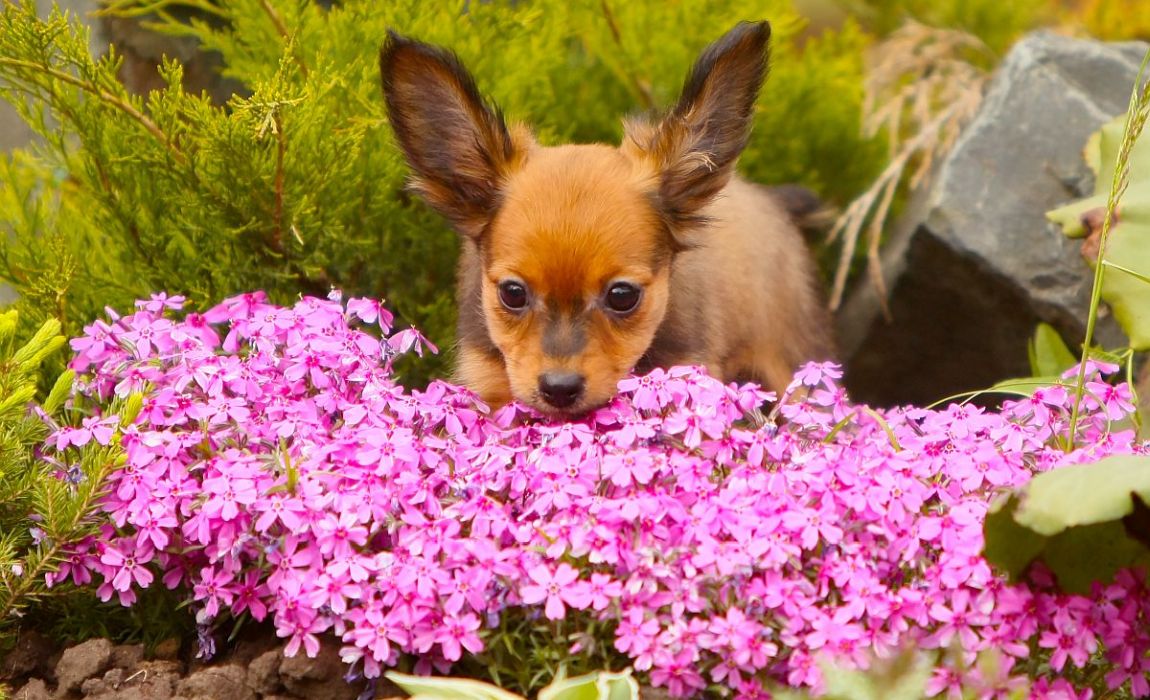
There are several plants known to deter dogs from certain areas due to their scents or tastes that are not favorable to dogs. Here are some effective plants that can keep dogs away:
Citronella
Citronella is widely known for its ability to repel insects, but it can also be effective in keeping dogs at bay. The strong citrus scent can be unappealing to them and can discourage them from entering treated areas.
- Natural Repellant: Dogs generally dislike the smell of citronella, making it a natural deterrent.
- Easy to Grow: Citronella plants can thrive in various climates and require minimal care.
- Versatile Use: Besides repelling dogs, citronella is also used to keep mosquitoes away.
Lavender
Lavender is a fragrant herb celebrated for its beauty and calming properties in humans. However, its scent can be too strong for dogs, which may lead them to avoid the area where lavender is planted.
- Aromatic Benefits: The soothing aroma of lavender can help reduce stress in humans while keeping dogs at arm's length.
- Medicinal Qualities: Lavender is also known for its relaxing properties and can be used in essential oils.
- Low Maintenance: Once established, lavender requires little water and care.
Rosemary
Rosemary is a robust herb that is not only culinary but also aromatic enough to deter dogs. Its strong scent can act as a natural barrier, making dogs think twice before entering the area where it grows.
- Strong Aroma: The scent can be overpowering for dogs, providing a natural deterrent.
- Versatile Use: Besides repelling dogs, rosemary is an excellent addition to many dishes.
- Easy to Cultivate: Rosemary can thrive in poor soil and hot conditions, needing minimal water.
Thorny or Prickly Plants
Plants with thorns or prickly surfaces can effectively deter dogs from entering specific areas. Some examples include holly, barberry, and certain types of cacti.
- Physical Barrier: The presence of thorns creates a physical barrier that can discourage dogs from approaching.
- Security: These plants not only keep dogs away but can also enhance security around gardens or properties.
- Low Maintenance: Many thorny plants are hardy and require less care than traditional floral gardens.
Coleus Canina
Also known as Scaredy Cat Plant or Dogbane, this plant emits a strong odor when its leaves are crushed, which many dogs find unpleasant. This odor serves as a natural repellent.
- Strong Odor: The smell deters dogs and cats, making it effective for both animal types.
- Easy to Grow: It can be grown in pots or gardens and requires standard care.
- Distinct Appearance: The plant adds unique greenery to your garden, making it both functional and decorative.
Questions from Our Readers
What plants are toxic to dogs?
Many plants can be toxic to dogs, including lilies, azaleas, and sago palms. It's essential to do your research and ensure that any plants you introduce to your garden are safe for your pet. Always consult a veterinarian if you're unsure about a specific plant's safety.
Can I plant any herbs around my dog?
While some herbs are safe for dogs, such as basil and parsley, others can be harmful. It's best to avoid planting rosemary or oregano in areas where your dog spends time, as they may have adverse effects if ingested in large amounts. Always check the safety of herbs with reliable resources.
What flowers should I avoid planting if I have a dog?
You should steer clear of flowers like daffodils, convallaria (lily of the valley), and rhododendrons, as they can be very toxic to dogs. Ensure that any flowering plants you choose are not only beautiful but also safe for your furry friend to avoid any health issues.
How can I create a dog-friendly garden?
To create a dog-friendly garden, focus on planting safe plants and providing plenty of space for your pet to play. You might consider incorporating non-toxic shrubs and native grasses, while also avoiding thorny or sharp plants that could potentially cause injuries.
See also:
If you want to read more articles like What Not to Plant If You Have a Dog? Essential Tips for Pet-Friendly Gardening, we recommend you check out our Garden category.
Leave a Reply
Related Articles