How to Propagate Heuchera? A Step-by-Step Guide for Successful Planting

Heuchera, commonly known as coral bells, is a stunning perennial that brings vibrant color and texture to any garden. With its wide range of foliage hues and delicate flowers, propagating Heuchera can be a rewarding endeavor for both novice and experienced gardeners. This step-by-step guide will provide you with essential techniques for successfully propagating Heuchera, from seed collection to division methods. By following this guide, you'll learn how to create new plants and expand your garden’s beauty while ensuring your Heuchera thrives for years to come. Let’s delve into the methods that will lead to successful planting and propagation of this charming plant.
How to Propagate Heuchera
To propagate Heuchera, commonly known as coral bells, one of the most effective methods is through division during the early spring or fall. Start by carefully uprooting the plant and shaking off excess soil to expose the roots. With a clean, sharp tool, divide the root ball into several sections, ensuring each section has a healthy amount of roots and at least one crown with leaf buds. Replant these sections in well-draining soil and keep them moist until they establish themselves. This method not only helps in propagating heuchera but also rejuvenates the parent plant, promoting new growth and vibrant foliage.
Division Method
The division method involves separating the root system of an established Heuchera plant into multiple sections. This should be done in the spring or early fall when the plant is not under stress. Ensure each division contains a sufficient root mass and at least one crown with foliage. Replant them in suitable soil and water them adequately to promote recovery and growth.
Propagation from Seeds
While it is possible to propagate Heuchera from seeds, this method is less common and can take longer. Begin by collecting seeds from mature flower spikes during the growing season. Sow them in a moist, sterile seed-starting mix and maintain a warm temperature with consistent moisture. Be aware that seed-grown plants may not exactly resemble the parent plant, as they can vary in traits.
Cutting Technique
Another technique to propagate Heuchera is through cuttings. Select a healthy shoot that has not flowered, and cut it just below a node using a clean, sharp knife. Remove lower leaves and place the cutting in a moist potting mix or a jar of water. Keep it in a warm, shaded area until roots develop, which usually takes a few weeks. Once rooted, transplant the cutting into a suitable pot or garden bed.
Choosing the Right Time
Timing is crucial for successful Heuchera propagation. The best times to propagate are in the early spring or early fall when the plant is actively growing, and temperatures are moderate. Avoid propagating during peak summer heat or winter dormancy, as this can cause unnecessary stress to the plant.
Soil and Care Requirements
When propagating Heuchera, it is important to choose the right soil and care conditions. Use a high-quality, well-draining potting mix that retains some moisture without becoming waterlogged. Regularly check the moisture level and provide consistent watering, especially during the initial establishment phase. Adequate light is also essential; a location with filtered sunlight will yield the best results.
| Propagating Method | Best Time | Key Considerations |
|---|---|---|
| Division | Spring or Fall | Ensure healthy roots and foliage |
| Seeds | Anytime with proper care | Results may vary from parent |
| Cuttings | Spring or Mid-Summer | Use non-flowering shoots for best results |
Can you grow heuchera from cuttings?

Yes, you can grow heuchera from cuttings, but it is important to note that the process is somewhat different from propagating many other types of plants. Heuchera, commonly known as coral bells, can be propagated through cuttings, particularly through stem cuttings taken from a healthy plant. The success of the cuttings depends on the care taken during the process, including the time of year, the health of the parent plant, and the conditions provided for the cuttings to root.
Understanding Heuchera Cuttings
Heuchera cuttings are segments of the plant that can develop into new plants when provided with the right conditions. This method of propagation allows gardeners to reproduce a specific variety of heuchera with its distinct foliage and flowering characteristics. Here are a few key points about understanding heuchera cuttings:
- Choose a healthy parent plant to take cuttings from.
- Identify the best time for taking cuttings, typically in spring or early summer.
- Utilize tips or stem cuttings for propagation, avoiding woody stems.
How to Take Heuchera Cuttings
Taking cuttings from heuchera requires careful selection and technique. The ideal cuttings should be around 4 to 6 inches long and taken from non-flowering stems to ensure energy is directed toward root formation. Here’s a step-by-step guide:
- Use a sterilized, sharp knife or scissors to make a clean cut.
- Remove lower leaves from the stem to prevent rot when planted.
- Place the cuttings in a glass of water or directly into a moist potting mix.
Preparing the Cuttings for Rooting
Once you have your cuttings, preparing them for rooting is crucial. The process involves creating suitable conditions for the cuttings to grow roots. Here’s what you need to do:
- If using potting mix, ensure it is lightweight and well-draining.
- Dip the cut end of the stem in rooting hormone to encourage root growth.
- Plant the cuttings in individual pots or a seed tray, keeping them moist but not waterlogged.
Caring for Heuchera Cuttings
Care for heuchera cuttings is essential to obtain healthy, new plants. The environment in which the cuttings are kept should mimic ideal conditions for plant growth. Key care tips include:
See also:
- Provide indirect light to avoid overheating and drying out the cuttings.
- Maintain consistent moisture in the potting mix, watering as necessary.
- Monitor for any signs of rot or disease, removing any unhealthy cuttings promptly.
Transplanting Heuchera Saplings
Once the cuttings have developed sufficient roots, they can be transplanted into larger pots or directly into the garden. Timing for transplanting is crucial and should occur when the roots are well-developed. Consider these aspects:
- Ensure the new location has suitable sunlight and soil conditions.
- Water the newly transplanted saplings well to help them establish.
- Gradually acclimatize the young plants to outdoor conditions if they were grown indoors.
How do you multiply heuchera?
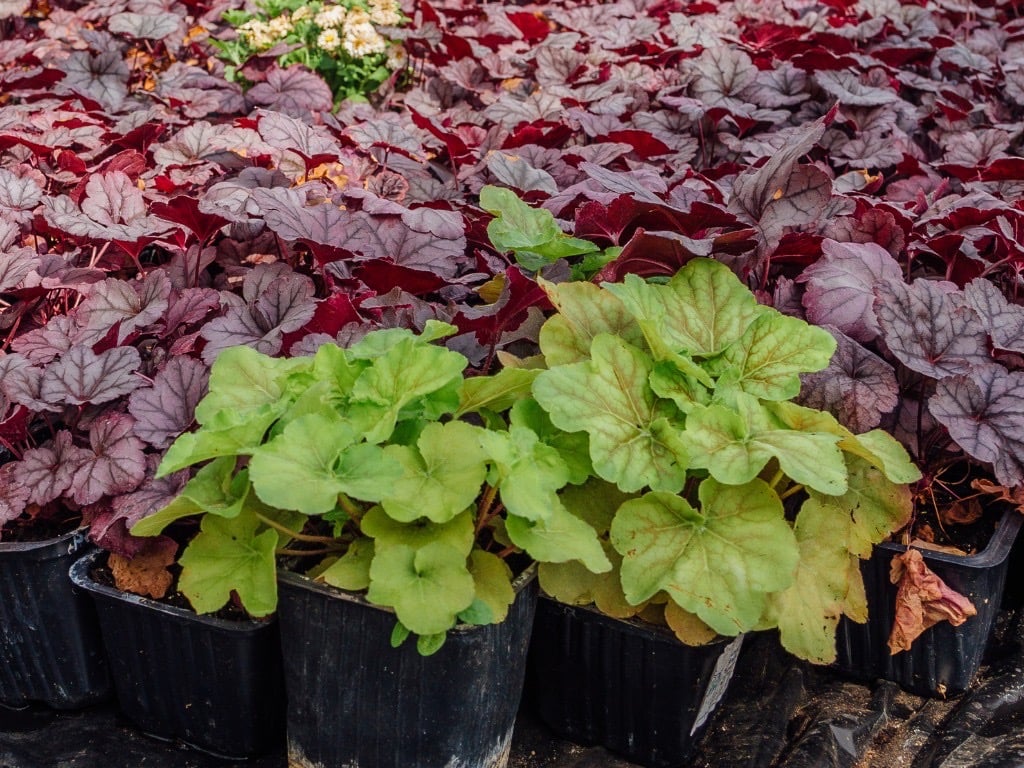
To multiply heuchera, also known as coral bells, there are several effective methods, mainly focusing on propagation through division and cuttings. Here’s a detailed overview of how to successfully multiply this perennial plant.
Propagation by Division
Dividing heuchera is one of the most common and effective methods of propagation. This technique is usually done in the spring or fall when the plant is not in peak growth.
- Choose a healthy parent plant: Select a mature heuchera that is thriving and free of diseases.
- Prepare for division: Water the plant thoroughly a day before division to minimize stress on the plant.
- Remove the plant: Carefully dig up the heuchera using a spade or garden fork, taking care to avoid damaging the roots.
- Divide the root ball: Gently separate the roots by hand or with a sharp knife, ensuring that each division has a good amount of roots and at least one crown.
- Replant divisions: Replant the divisions in well-draining soil, ensuring they are at the same depth as they were growing previously.
Propagation by Leaf Cuttings
Heuchera can also be multiplied using leaf cuttings, though this method may take longer to see results compared to division.
- Select healthy leaves: Choose robust, disease-free leaves from the parent plant in the spring or early summer.
- Prepare the cutting: Cut the leaf into sections, ensuring each section has a vein running through it.
- Rooting medium: Place the leaf cuttings in a sterilized potting mix, pressing them down lightly to ensure good contact.
- Provide moisture: Keep the soil consistently moist but not soggy, and cover the pot with plastic to maintain humidity.
- Monitor growth: After a few weeks to months, new plants should emerge from the base of the leaf sections. Once they are large enough, they can be transplanted.
Using Seed Propagation
While less common for heuchera, seed propagation can be another method to multiply this plant.
- Collect seeds: If you have a flowering heuchera, allow some flowers to develop seeds, which should be collected once they ripen.
- Sow seeds indoors: Start seeds indoors around 8-10 weeks before the last frost date, using a sterile seed starting mix.
- Provide the right conditions: Keep the seeds at a temperature of 70-75°F (21-24°C) and ensure they receive bright, indirect light.
- Transplant seedlings: Once seedlings are large enough to handle, transplant them to individual pots before moving them outdoors after the danger of frost has passed.
- Care for new plants: As the seedlings grow, provide adequate water and light until they are ready for the garden.
Timing for Multiplication
Timing is crucial for successfully multiplying heuchera, as it affects both the methods used and the health of the plants.
- Spring division: Early spring is ideal for dividing heuchera, allowing them to establish before the summer heat.
- Fall division: Fall division is also suitable, as it gives the plants time to root before winter.
- Leaf cuttings: Late spring to early summer is best for taking leaf cuttings when the plant is actively growing.
- Seed starting: Sow seeds indoors 6-8 weeks before the last frost for the best results.
- Monitor conditions: Always keep an eye on environmental factors to ensure optimal growth conditions regardless of the method used.
Care After Multiplication
Once the heuchera has been multiplied, proper care is essential for ensuring their health and vitality.
- Watering: Newly divided plants or seedlings need consistent moisture, especially in their early stages.
- Sun exposure: Heuchera prefers partial shade to full shade, so ensure they are planted in an appropriate location.
- Fertilization: Use a balanced fertilizer to promote strong growth during the growing season.
- Pest management: Monitor for pests such as aphids or snails and apply organic pest control methods as needed.
- Mulching: Apply a layer of mulch to retain moisture and suppress weeds around the plants.
How do heuchera spread?
:strip_icc()/purple-palace-coralbells-heuchera-2af3c0c3-775561fbb7d440628cfd2aa9e14ab616.jpg)
Heuchera, commonly known as coral bells or alumroot, can spread through several methods, primarily through vegetative reproduction and seed production.
Vegetative Reproduction
Vegetative reproduction in heuchera occurs when the plant develops offsets or pups, which are small clones that grow around the base of the parent plant. This method of spreading has several characteristics:
- Offsets: New plants grow from the rhizomes, allowing the parent plant to expand its territory.
- Cloning: Each offset is essentially a clone of the parent, retaining all the same characteristics.
- Timing: This process typically occurs during the growing season, especially in spring and early summer.
Seed Production
Heuchera also produces seeds that contribute to its spread. This method relies on successful pollination and seed dispersal to grow new plants:
- Pollination: Heuchera flowers attract various pollinators, such as bees, which facilitate the pollination process.
- Seed Dispersal: After pollination, the seeds can be dispersed by wind, water, or animals, allowing them to germinate away from the parent plant.
- Germination: Seeds require specific conditions, like warmth and moisture, for germination to occur effectively.
Root Division
Another common method for propagating heuchera is through root division, which cultivates new plants by physically separating the root system:
See also:
- Timing: The best time for division is in early spring or fall when the plant is not in active bloom.
- Process: The parent plant is carefully dug up, and the roots are divided into sections, each containing at least one crown for replanting.
- Replanting: Each divided section can be replanted immediately, allowing for quick establishing of new plants.
Environmental Adaptation
Heuchera's ability to spread is also influenced by its adaptation to the environment, which allows it to thrive in diverse conditions:
- Soil Type: Heuchera can adapt to various soil types, making it easier for them to establish and spread in different settings.
- Light Conditions: These plants thrive in partial to full shade, allowing them to spread effectively in wooded areas.
- Moisture Levels: Their versatile growth habits allow them to tolerate varying moisture levels, contributing to their resilience and spread.
Maintenance and Care
Proper maintenance and care play a crucial role in the spread and health of heuchera plants:
- Watering: Adequate watering is essential for maintaining healthy growth and encouraging offsets and seed production.
- Fertilization: Regular fertilization can enhance growth and increase the chances of successful reproduction.
- Pest Control: Monitoring for pests and diseases ensures that the plants remain healthy and can sustain their spreading capabilities.
Will heuchera self-seed?

Heuchera, commonly known as coral bells, is a popular perennial plant known for its colorful foliage and delicate flowers. Whether or not heuchera will self-seed is a question that many gardeners ponder. In general, heucheras do have the capability to produce viable seeds, but their tendency to self-seed can depend on various factors, including the species, growing conditions, and garden management practices.
Will Heuchera Self-Seed?
Heucheras can potentially self-seed, but this process is not very common. The blooms of heuchera produce flowers that, when pollinated, develop into seed pods. If these seed pods are not deadheaded (removed after flowering), they can burst and distribute seeds around the base of the plant. However, several factors impact whether they will actually germinate and create new plants. Some gardeners may find unexpected seedlings at their garden's base, while others may see little to no self-seeding activity.
Factors Influencing Self-Seeding
The likelihood of heuchera self-seeding is influenced by several key factors:
- Pollination: For seeds to develop, the flowers must be successfully pollinated, which may require pollinators like bees.
- Environmental Conditions: Soil quality, moisture, and temperature can affect seed viability and germination rates.
- Garden Management: Regular maintenance, such as deadheading, can prevent seeds from developing.
Best Conditions for Germination
If you want to encourage heuchera to self-seed, providing suitable conditions for germination is crucial:
- Moisture: Keeping the soil consistently moist aids in seed germination.
- Sunlight: Light conditions play a role; some seeds require light for germination.
- Soil Type: Well-draining soil rich in organic matter enhances seedling survival.
Identifying Seedlings
If self-seeding occurs, identifying heuchera seedlings can help gardeners manage new growth:
- Leaf Structure: Seedlings will typically have a different leaf shape and size than mature plants.
- Location: Look for seedlings sprouting near established heuchera plants.
- Coloration: The color of the juvenile leaves may vary from that of the parent plant.
Managing Self-Seeding
Managing self-seeding heuchera involves strategic decisions to promote or limit new seedlings:
- Deadheading: Regularly removing spent flowers can prevent unwanted seed production.
- Transplanting: If seedlings appear in desirable locations, they can be carefully moved to new spots.
- Competing Plants: Control competing weeds and plants that might outgrow the seedlings.
Alternatives to Self-Seeding
If self-seeding isn't your preferred method of propagation, consider these alternatives:
- Division: Digging up and separating established plants is a reliable way to propagate heucheras.
- Cuttings: Taking leaf cuttings can be an effective way to clone heuchera plants.
- Store-Bought Seeds: Purchasing seeds specifically for your desired variety ensures better results.
Questions from Our Readers
What is the best time to propagate heuchera?
To propagate heuchera, the best time is during spring or fall when the plant is actively growing or preparing for dormancy. This allows for optimal root development and increases the chances of successful propagation.
How can I propagate heuchera from cuttings?
To propagate heuchera from cuttings, take a healthy stem cutting of about 4-6 inches, remove the lower leaves, and place it in a well-draining potting mix. Keep the cutting moist and in a location with indirect light until it develops roots.
See also:
Can heuchera be propagated by division?
Yes, heuchera can be easily propagated by division. To do this, gently dig up the plant and carefully separate the clumps into smaller sections, ensuring each section has roots and healthy foliage. Then replant them in suitable locations.
What care do I need to provide after propagating heuchera?
After propagating heuchera, it's essential to provide adequate moisture and shade for the new plants until they establish themselves. Monitor them for pests and diseases, and ensure they receive proper care to promote healthy growth.

If you want to read more articles like How to Propagate Heuchera? A Step-by-Step Guide for Successful Planting, we recommend you check out our Heuchera category.
Leave a Reply
Related Articles