Can You Plant Directly Into Dirt? Essential Tips for Successful Planting

When it comes to planting, many gardeners wonder if they can simply place their seeds or seedlings directly into the ground without any additional preparation. While the idea of planting directly into dirt may seem straightforward, several important factors can influence the success of your gardening efforts. Understanding soil composition, moisture levels, and the specific needs of various plants is crucial. This article will explore essential tips and techniques to enhance the chances of successful planting directly into dirt, helping both novice and experienced gardeners achieve their desired results in their outdoor spaces.
Can You Plant Directly into Dirt?
Yes, you can plant directly into dirt, but several factors must be considered to ensure the best possible outcome for your plants. Soil quality is crucial; it should be rich in organic matter and have a good balance of nutrients suitable for the type of plants you intend to grow. Additionally, the soil should provide adequate drainage to prevent root rot while retaining sufficient moisture for the plants. Furthermore, it's essential to till or loosen the dirt before planting, as compacted soil can hinder root growth and access to air and water. Ultimately, while planting directly into dirt can be effective, preparing the soil properly enhances the chances of successful plant growth.
Factors to Consider Before Planting
Before planting directly into dirt, it's important to assess the soil's pH level, nutrient content, and texture. Soil that's too acidic or alkaline can hinder plant growth, while nutrient-deficient soil may require amendments to ensure adequate sustenance for your plants. Additionally, sandy soils drain quickly but may not hold enough nutrients, whereas clay soils can retain moisture but may become compacted. Conducting a soil test can help you understand what amendments are necessary for optimal growth.
The Importance of Soil Preparation
Soil preparation is vital for planting directly into dirt. It involves turning the soil to aerate it and breaking up any large clumps that can hinder seed germination and root development. Incorporating organic matter, such as compost or well-rotted manure, enhances the soil structure, increases nutrient availability, and improves moisture retention. Taking time to prepare the soil can vastly improve your planting success and ensure better growth conditions for your plants.
Choosing the Right Plants
When planting directly into dirt, selecting the appropriate plants for your local soil conditions is essential. Some plants thrive in well-drained sandy soils, while others require the richness of loamy or clay soils. Consider local climate, sunlight exposure, and moisture availability when choosing plants. By selecting the right species, you can maximize your chances for a successful garden, as some plants may naturally amend the soil or adapt better to its conditions.
Watering Techniques for Direct Planting
Effective watering is crucial when planting directly into dirt, as newly established plants require consistent moisture to develop healthy root systems. It's best to water deeply and infrequently rather than shallowly and frequently, promoting deeper root growth. The method of watering can vary; for instance, drip irrigation conserves water and delivers moisture directly to the soil, while overhead watering can be inefficient and lead to waterlogged conditions if not monitored correctly.
Common Mistakes to Avoid
There are several common mistakes that novices make when planting directly into dirt. Over-watering can lead to root rot, while under-watering can stress the plants. Neglecting to monitor soil quality, such as ignoring nutrient deficiencies or poor drainage, can also be detrimental. Furthermore, planting too early or too late in the season can expose plants to unfavorable weather conditions. Being aware of these pitfalls can lead to a more successful gardening experience.
| Factor | Importance |
|---|---|
| Soil Quality | Determines nutrient availability and drainage. |
| Soil Preparation | Improves aeration and nutrient incorporation. |
| Plant Selection | Affects how well plants adapt to soil conditions. |
| Watering Techniques | Ensures plants receive the necessary moisture. |
| Avoiding Mistakes | Helps maintain plant health and growth. |
Can I plant straight into soil?

Yes, you can plant directly into soil, but several factors should be considered to ensure successful growth. When you plant straight into the soil, it's essential to understand the type of soil you are using, the specific requirements of the plants, and the environmental conditions that can affect plant growth. Here are some detailed guidelines to help you with direct soil planting.
Preparing the Soil
Before planting directly into the soil, it's crucial to prepare the soil adequately. Good soil preparation helps create an ideal environment for plant roots to establish and grow.
- Testing Soil Quality: Conduct a soil test to identify pH levels and nutrient content.
- Amending Soil: Based on the soil test results, you may need to add organic matter, such as compost, to improve fertility and drainage.
- Tilling: Loosen the soil to a depth of at least 12 inches using a tiller or garden fork to encourage root growth.
Choosing the Right Plants
Selecting plants that are appropriate for direct sowing is vital for a successful garden. Different plants have unique requirements, and understanding these will help you achieve better results.
See also:
- Seeds vs. Seedlings: Some plants prefer to be started from seeds (e.g., carrots, beans), while others do better when transplanted as seedlings (e.g., tomatoes, peppers).
- Drought Tolerance: Consider planting species that are well-adapted to the local climate and require less water.
- Growing Season: Ensure that the selected plants are suited for the length of your growing season to avoid planting too early or too late.
Understanding Local Climate Conditions
Local climate conditions can significantly affect the success of direct planting. It's essential to consider these factors when deciding when and what to plant.
- Frost Dates: Know the average last frost date in spring and the first frost date in fall to plan your planting schedule.
- Sunlight: Assess how much sunlight your garden receives throughout the day to ensure selected plants get the light they need.
- Rainfall Patterns: Understanding local rainfall can help gauge when to irrigate and when seeds can be sown directly.
Planting Techniques
Direct planting techniques can vary depending on the type of seeds or seedlings. Employing the right techniques facilitates better growth and development of plants.
- Spacing: Follow recommended spacing guidelines to ensure each plant has enough room to grow without competition for nutrients.
- Depth: Plant seeds at the correct depth according to the type of plant; generally, smaller seeds should be planted shallower.
- Watering: Gently water the area after planting to ensure good seed-to-soil contact but avoid overwatering, which can lead to rot.
Maintaining Soil Health
After planting directly into the soil, maintaining soil health is crucial for ongoing plant vitality and productivity. Healthy soil fosters healthy plants.
- Mulching: Apply mulch to retain moisture, suppress weeds, and gradually improve soil structure as it decomposes.
- Crop Rotation: Rotate your crops each season to avoid nutrient depletion and reduce the risk of pests and diseases.
- Regular Feeding: Use organic fertilizers or compost regularly to replenish nutrients as the plants grow.
Can I plant directly into a bag of soil?
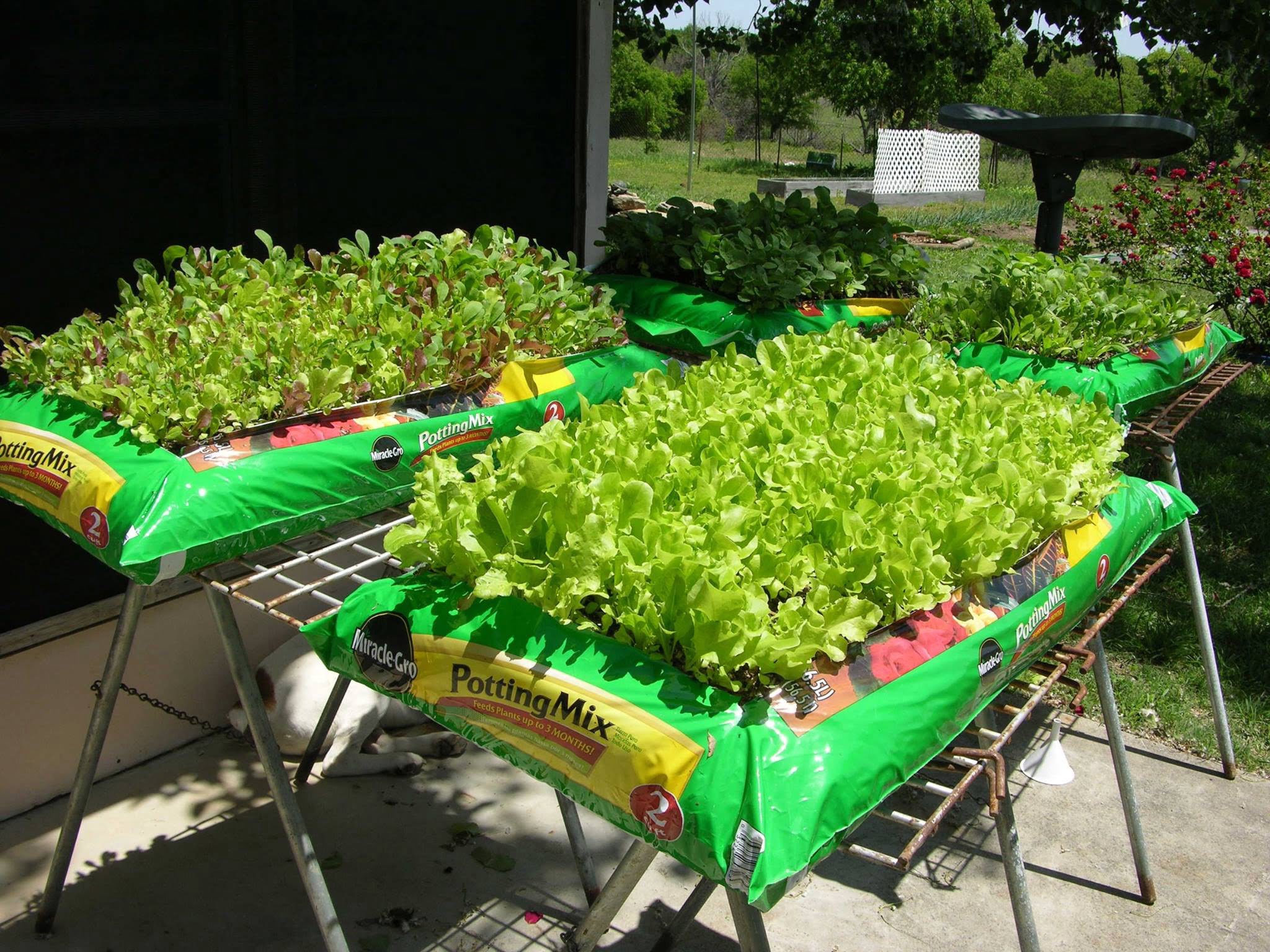
Yes, you can plant directly into a bag of soil, and it can be a practical method for gardening, especially in limited spaces. When using bags of soil, it's important to consider certain factors to ensure that your plants have optimal growing conditions. Here are some key points to keep in mind:
Benefits of Planting in a Soil Bag
Planting directly into a bag of soil offers several advantages:
- Space-Saving: Ideal for small areas or patios.
- Cost-Effective: Reduces the need for traditional pots and containers.
- Simplicity: Minimal setup is required, making it easy for beginners.
Choosing the Right Soil Bag
Not all soil bags are created equal. Selecting the right one is essential for your plants' health:
- Quality Soil: Look for organic options that are free of chemicals.
- Drainage: Ensure the bag has adequate drainage to prevent root rot.
- Size of the Bag: Choose a bag that meets the needs of the plants you intend to grow.
Preparing to Plant
Before planting, it's important to prepare the soil bag correctly:
- Open the Bag: Cut the top of the bag to expose the soil.
- Moisten the Soil: Water the soil lightly to help it settle and provide moisture.
- Add Nutrients: Consider mixing in fertilizer or amendments for better growth.
Best Plants for Soil Bag Gardening
Some plants thrive better in soil bags than others. Consider these options:
- Herbs: Such as basil, cilantro, and parsley, which require less depth.
- Small Vegetables: Like radishes and lettuce, which can grow in shallow conditions.
- Flowers: Annuals and perennials that require moderate root space.
Maintenance Tips for Bag Gardening
Caring for plants in a soil bag requires ongoing attention:
- Watering: Check soil moisture regularly to avoid over or under-watering.
- Pest Control: Monitor for pests and take action as needed.
- Harvesting: Pick mature plants regularly to encourage growth.
Can you plant plants in normal dirt?


Yes, you can plant plants in normal dirt, though the term normal dirt might need some clarification. The suitability of dirt for planting primarily depends on its composition, structure, and nutrient content. Typically, the soil used for planting should provide essential nutrients, good drainage, and an appropriate pH level to support healthy plant growth.
Normal dirt, often referred to as garden soil, can be a mix of clay, silt, sand, and organic matter. However, it may not always offer the right conditions for all types of plants. Here are some factors to consider when planting in normal dirt.
Soil Composition
The composition of soil is crucial for the growth of plants. Different plants have varying requirements regarding nutrients and soil types.
- Clay: Retains moisture well but drains poorly.
- Silt: Offers good nutrient retention and is easy to cultivate.
- Sand: Drains quickly but holds few nutrients.
Soil pH
The pH level of the soil can affect nutrient availability and plant health. Most plants prefer a slightly acidic to neutral pH range (6.0 to 7.0).
- Acidic soils: Can inhibit the availability of certain nutrients.
- Alkaline soils: May lead to nutrient deficiencies.
- Testing pH: Use a pH meter or soil testing kit for accurate measurement.
Soil Drainage
Proper drainage is vital for preventing root rot and other moisture-related problems. Different soils have different drainage capacities.
- Poorly draining soils: May require modification, such as adding organic matter.
- Good drainage: Ensures that excess water does not accumulate.
- Raised beds: Can improve drainage in heavy soils.
Adding Organic Matter
Incorporating organic matter can improve the structure and nutrient content of normal dirt, making it more suitable for planting.
- Compost: Adds vital nutrients and improves soil texture.
- Mulch: Helps retain moisture and suppress weeds.
- Manure: Enriches soil and enhances microbial activity.
Choosing the Right Plants
Selecting plants that are well-suited to your soil type can lead to better growth and success in gardening.
- Native plants: Typically thrive under local soil conditions.
- Vegetables: Certain crops have specific soil requirements.
- Ornamentals: Some flowers prefer certain soil types for optimal growth.
Questions from Our Readers
Can you plant directly into dirt?
Yes, you can plant directly into dirt, but it's important to consider the soil's quality. Healthy soil provides essential nutrients and has good drainage, which is crucial for plant growth. If the dirt is compacted or lacks organic matter, it may be beneficial to amend it before planting.
What type of dirt is best for planting?
The best type of dirt for planting is loamy soil, which is a mix of sand, silt, and clay. Loamy soil retains moisture and nutrients while allowing for adequate drainage and air circulation. If your dirt lacks these characteristics, you may need to improve it by adding compost or other organic materials.
How do I improve my dirt for planting?
To improve your dirt for planting, consider adding organic matter such as compost, well-rotted manure, or peat moss. This will enhance the soil structure, improve nutrient content, and promote better drainage. Regular tilling can also help to aerate the soil and mix in amendments effectively.
When is the best time to plant in dirt?
The best time to plant in dirt typically depends on the climate and the type of plants you are growing. Generally, spring is an ideal time for many vegetables and flowers, as the soil temperature warms up. However, be sure to check specific planting guides for your particular crops to ensure optimal growth conditions.
See also:

If you want to read more articles like Can You Plant Directly Into Dirt? Essential Tips for Successful Planting, we recommend you check out our Garden category.
Leave a Reply
Related Articles