Where is the best place to plant coral bells? Expert Tips for Thriving Plants in Your Garden
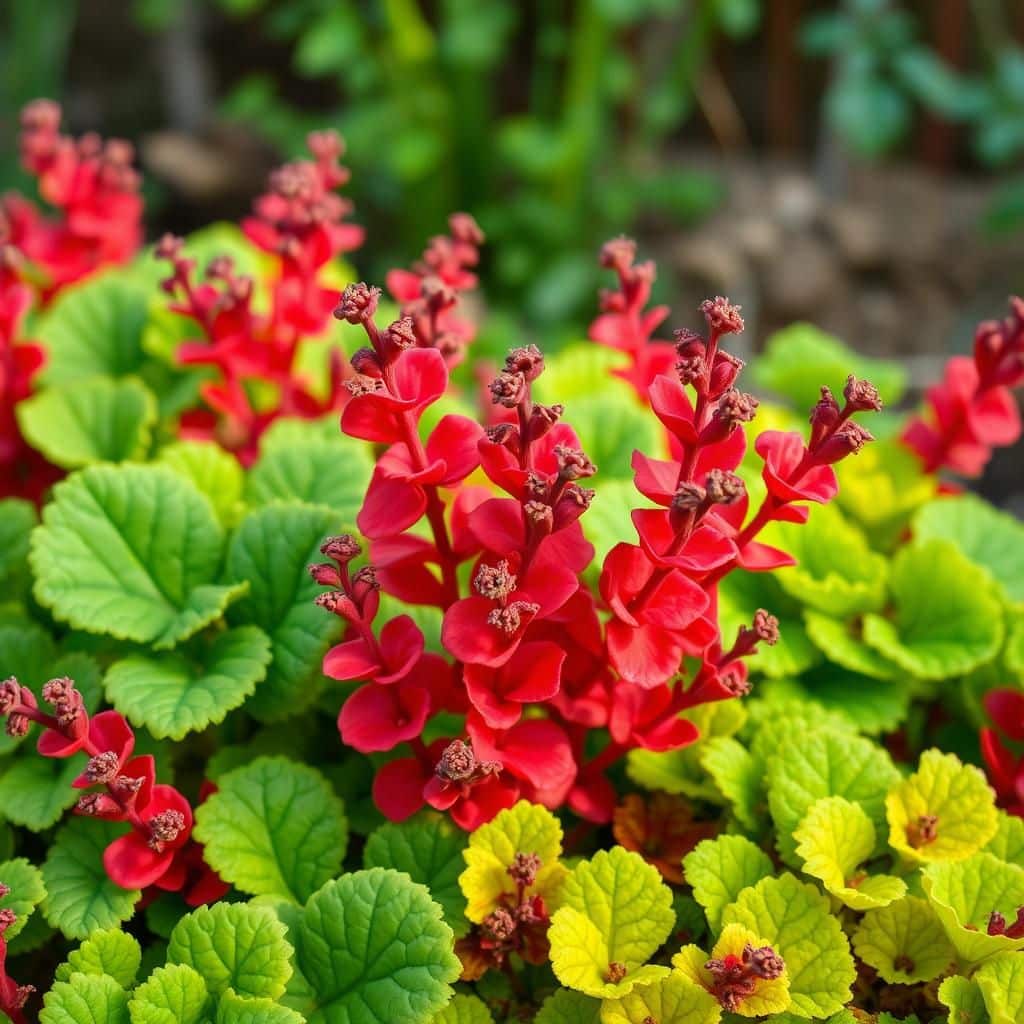
Coral bells, known for their stunning foliage and delicate bell-shaped flowers, are a favorite among gardeners seeking to add vibrant color and texture to their landscapes. However, selecting the ideal location to plant these perennial beauties is crucial for their thriving growth. In this article, we will explore expert tips on where to plant coral bells, considering factors such as sunlight, soil type, and moisture levels. Whether you’re a seasoned gardener or a novice, understanding the best conditions for coral bells will help you cultivate a flourishing garden that showcases these charming plants at their best.
Where is the Best Place to Plant Coral Bells?
Coral bells, known scientifically as Heuchera, thrive best in well-drained soil with a balanced amount of moisture and nutrients. When selecting a planting location, consider areas that receive partial shade to avoid scorching their delicate leaves, especially in warmer climates. Furthermore, planting them near taller plants or in the dappled light of trees can provide the ideal microclimate for these stunning perennials. They prefer soil with a slightly acidic to neutral pH and performing well in garden beds or borders can enhance both their growth and visual appeal. Taking these factors into account will ensure your coral bells establish strong roots and exhibit their vibrant foliage throughout the growing season.
Optimal Soil Conditions
Coral bells flourish in nutrient-rich soil that provides good drainage to prevent root rot. It is essential to incorporate organic matter, such as compost or well-rotted manure, into the soil before planting. A soil pH between 6.0 and 7.0 is ideal, and testing your soil can help ensure it meets these conditions. If your soil is too alkaline, consider adding sulfur or peat moss to lower the pH. By ensuring optimal soil conditions, coral bells can grow healthier and display more vibrant foliage.
Light Requirements
While coral bells can adapt to various light conditions, their best growth occurs in partial shade, as full sun can lead to leaf scorch. Ideally, aim for about 4 to 6 hours of filtered sunlight per day. Areas with morning sun and afternoon shade are particularly beneficial, allowing the plants to gain light without becoming overheated. Be mindful that too much shade may result in leggy growth and fewer blooms, so finding the right balance is crucial for thriving coral bells.
Climate Considerations
Coral bells are versatile and can adapt to a range of climates, from hardy zones 3 to 9. It is crucial to choose a planting site that matches the climate conditions in your area. In regions with harsh winters, ensuring they are planted in a sheltered area can help protect them from extreme cold. Conversely, those in hotter climates should look for locations with some protection from the afternoon sun to prevent heat stress on the plants and maintain their vibrant coloration.
Companion Planting Ideas
Choosing appropriate companion plants for coral bells can significantly enhance their growth and aesthetics. Pairing them with plants that prefer similar light and soil conditions, such as hostas, ferns, and shade-tolerant perennials, can create a harmonious garden setting. Ensure that chosen companions do not overshadow the coral bells; instead, opt for combinations where the foliage height varies, allowing the coral bells to stand out while also benefiting from the protective environment these companions offer.
Watering Practices
Proper watering is crucial for the health of coral bells. While these plants prefer consistently moist soil, they do not tolerate standing water, making drainage a priority. It is advisable to water the plants regularly, especially during dry spells, ensuring that the top inch of soil remains moist but not wet. Implementing a mulch layer can help retain moisture and regulate soil temperature, making it easier to maintain the right conditions for your coral bells.
| Aspect | Ideal Condition |
|---|---|
| Soil Type | Well-drained, nutrient-rich |
| Light | Partial shade (4-6 hours of filtered sunlight) |
| Soil pH | 6.0 - 7.0 |
| Watering | Consistently moist, well-drained |
| Climate Zones | 3 to 9 |
What pairs well with coral bells?


Coral bells, scientifically known as Heuchera, are popular ornamental plants appreciated for their vibrant foliage and delicate flowers. To create visually striking and harmonious garden settings, pairing them with complementary plants is essential. Here are several recommendations on what pairs well with coral bells.
1. Shade-loving Plants
Coral bells thrive in shady areas, making them ideal companions for other plants that prefer low-light situations. Consider pairing them with species that share similar growing conditions.
- Ferns: Many varieties, such as the Japanese painted fern, provide a lush, green backdrop to the colorful foliage of coral bells.
- Hostas: With their large, textured leaves, hostas can create a stunning contrast to the delicate leaves of coral bells.
- Astilbes: These perennial plants bloom in partial shade, offering fluffy flower spikes that accentuate the foliage of coral bells.
2. Ground Covers
Using ground covers can help define the garden space around coral bells while also providing texture and color.
- Sweet Woodruff: This fragrant ground cover spreads nicely and provides a carpet of green that keeps the area looking neat.
- Ajuga (Bugleweed): Known for its blue flowers, ajuga contrasts beautifully with the foliage of coral bells, particularly when planted nearby.
- Lamium: The silver and green leaves of lamium reflect light, enhancing the brightness of coral bell gardens.
3. Companions for Color Contrast
Coral bells come in various colors, so combining them with plants that provide a striking contrast can enhance their visual appeal.
- Daylilies: With bright, bold blooms, daylilies stand in stark contrast to the subtle beauty of coral bells.
- Sedums: The fleshy, succulent leaves of sedums can bring a vibrant element to the garden and pair well with the soft textures of coral bells.
- Salvia: The tall spikes of salvia flowers can add a vertical element that contrasts nicely with the mounding habit of coral bells.
4. Edible Plants
Incorporating edible plants with coral bells can help create a functional garden without compromising aesthetics.
- Strawberries: Their colorful fruits and green foliage can create an attractive ground cover around coral bells.
- Herbs: Plants such as mint and chives pair well, both visually and practically, as they thrive in similar conditions.
- Leafy Greens: Varieties like kale or lettuce can provide textural contrast while also yielding fresh produce.
5. Seasonal Interest
For year-round elegance, selecting plants that provide varying interest throughout the seasons is beneficial.
- Spring Bulbs: Daffodils and tulips can bloom early, providing bright color before the coral bells fully establish.
- Autumn Crocus: This late-blooming plant can provide added beauty as coral bells fade in the fall.
- Evergreens: Consider low-growing evergreens to maintain structure and color in winter when other plants have died back.
Do coral bell plants spread?
:strip_icc()/purple-palace-coralbells-heuchera-2af3c0c3-775561fbb7d440628cfd2aa9e14ab616.jpg)
Coral bell plants, known scientifically as Heuchera, are popular ornamental plants cherished for their vibrant foliage and delicate flowers. Regarding whether coral bell plants spread, the answer is yes; they can spread, but the method and extent of their spread depend on various factors.
See also:
How Coral Bell Plants Spread
Coral bell plants primarily spread through vegetative propagation. This means they can develop new plants from their root system rather than from seeds. The key ways they spread include:
- Rhizomes: Coral bells grow from underground stems called rhizomes. These rhizomes can produce new plants at various locations, allowing them to spread gradually over time.
- Division: Gardeners often propagate coral bells by dividing established clumps. Each division can grow into a full plant, effectively increasing the number of plants in a garden.
- Seed Production: Although less common for spreading in home gardens, coral bells can produce seeds after flowering, which can germinate and grow into new plants, provided they are in a suitable environment.
Factors Influencing Spread
The spread of coral bell plants can be influenced by several environmental factors. These factors determine how effectively the plants can propagate and thrive in a given area.
- Soil Quality: Rich, well-draining soil can enhance the growth of rhizomes and support plant health, leading to a more vigorous spread.
- Moisture Levels: Consistent moisture without waterlogging helps coral bells expand their root systems and develop new shoots.
- Light Conditions: Coral bells prefer partial shade to full shade, and the right light conditions can affect their growth rate and ability to spread.
Control Measures for Spreading
For gardeners who wish to control the spread of coral bell plants, several methods can be employed to keep them in check.
- Regular Division: Periodically dividing the plants can limit their spread while also promoting healthier growth.
- Container Cultivation: Growing coral bells in pots or containers restricts their root systems and prevents undesirable spread.
- Monitoring Fertilization: Over-fertilizing can lead to excessive growth and spread, so managing nutrient levels can help control their expansion.
Benefits of Spreading
The ability of coral bell plants to spread offers several benefits to gardeners and home landscapes.
- Ground Cover: When used in gardens, coral bells can form attractive ground cover that suppresses weeds and enhances the visual appeal of the landscape.
- Pollinator Attraction: The flowers of coral bells attract pollinators, which can benefit the overall health of the garden ecosystem.
- Variety of Colors: With their ability to spread, different cultivars can be blended together, showcasing a stunning array of foliage and flower colors.
Ideal Conditions for Spreading
To maximize the spread of coral bell plants, certain conditions should be ideally met.
- Cool Temperatures: Coral bells thrive in cooler temperatures, which can enhance their growth and spreading capabilities.
- Adequate Humidity: Moderate humidity levels can help maintain plant health and encourage rhizome development.
- Companion Planting: Planting coral bells alongside compatible plants can enhance their growth conditions and allow for a more vibrant garden.
Questions from Our Readers
Where is the best place to plant coral bells?
Plant coral bells in a location that provides partial shade to full sun. Ideal spots include areas with well-drained soil that can retain moisture without becoming soggy. They thrive in regions that mimic their native habitat, which often consists of woodland edges, making them well-suited for garden beds with some protection from harsh sunlight.
What type of soil do coral bells prefer?
Coral bells prefer rich, well-draining soil that is high in organic matter. A mixture that combines loamy soil with compost will support their growth and provide essential nutrients. It's important to avoid heavy clays that retain water, as coral bells can be vulnerable to root rot if the soil is too wet.
Do coral bells need a lot of water?
While coral bells require consistent moisture, they do not thrive in overly wet conditions. It's essential to keep the soil evenly moist but not saturated. Water them regularly, particularly during dry spells, but ensure good drainage to allow the roots to breathe and prevent diseases.
See also:
Can coral bells be planted in containers?
Yes, coral bells can thrive in containers, making them a great choice for patios or small gardens. Ensure that the containers have good drainage holes and use a high-quality potting mix that retains moisture yet drains well. Regular watering is necessary, but avoid letting the plants sit in water to keep them healthy.

If you want to read more articles like Where is the best place to plant coral bells? Expert Tips for Thriving Plants in Your Garden, we recommend you check out our Heuchera category.
Leave a Reply
Related Articles