Ultimate Guide: How to Revive a Heuchera? Tips and Tricks for Thriving Plants

Heucheras, commonly known as coral bells, are beloved for their stunning foliage and adaptability in various garden settings. However, even the hardiest plants can sometimes lose their vitality due to unfavorable conditions or neglect. This ultimate guide will explore effective strategies to revive your heuchera plants, ensuring they flourish once again. From recognizing early signs of distress to implementing care techniques tailored to their needs, you'll discover valuable tips and tricks that promote healthy growth. Whether you're a seasoned gardener or a beginner, this comprehensive resource will help you breathe new life into your heuchera and enhance your garden's beauty.
How to Revive a Heuchera
Reviving a heuchera, commonly known as coral bells, requires assessing the plant’s condition and addressing its specific needs such as water, light, and nutrients. First, check the soil moisture; if it’s too dry, give the plant a thorough watering, ensuring that excess water drains away to prevent root rot. If the plant appears leggy or its leaves are fading, it may be an indication of inadequate lighting; consider relocating the heuchera to a spot with bright, indirect sunlight. Regularly removing dead or yellowing leaves can also promote healthier growth. Finally, feeding the plant with a balanced fertilizer during the growing season can provide it with the necessary nutrients to thrive.
Assessing Soil Moisture
To effectively assess the soil moisture of your heuchera, insert your finger about an inch deep into the soil. If it feels dry at this depth, it is time to water. Overwatering can be just as detrimental as underwatering, so monitoring the moisture levels regularly is crucial. Use a well-draining potting mix to help the plant recover, and consider using a moisture meter for more precise measurements.
Understanding Light Requirements
Heucheras generally thrive in partial shade to full shade, with some varieties that can tolerate more sunlight. If your heuchera appears stressed, it might be due to too much direct sunlight, causing leaf burn. Conversely, if it is in deep shade, it may not receive sufficient light for photosynthesis, leading to poor growth. Adjusting the light conditions can significantly improve the health of the plant.
Fertilizing Techniques
Applying a balanced, low-nitrogen fertilizer is beneficial when attempting to revive a heuchera. Choose a slow-release formula or organic options like compost that will nourish the plant gradually over time. Fertilization should ideally occur in the early spring as new growth begins. Make sure to follow the recommended dosage on the package to avoid burning the plant’s roots.
Pruning and Cleaning the Plant
Pruning is essential for rejuvenating a heuchera. Regularly remove any dead or damaged leaves to improve air circulation and encourage new growth. Use clean, sharp scissors to make clean cuts, avoiding any ragged edges that could invite disease. Cleaning the surrounding area of debris and weeds can also help the plant focus its energy on recovery.
Identifying and Addressing Pest Issues
Heucheras can be susceptible to various pests such as aphids and spider mites, which can hinder their recovery. Regularly inspect the plants for signs of infestation, such as mottled leaves or visible bugs. If pests are present, treat the plant with an insecticidal soap or neem oil, following the package directions for application to ensure effective control.
| Element | Action |
|---|---|
| Soil Moisture | Check soil moisture regularly and water appropriately |
| Light | Ensure adequate light without direct sunlight |
| Fertilizer | Apply balanced fertilizer during the growing season |
| Pruning | Remove dead leaves and clean the plant area |
| Pests | Inspect and treat for any pest infestations |
Why is my heuchera not thriving?

There are several reasons why your heuchera might not be thriving. Heucheras, commonly known as coral bells, are generally resilient plants, but they require specific conditions and care to flourish. Here are some common factors that could contribute to their poor performance:
Poor Soil Quality
The type of soil in which your heuchera is planted can significantly affect its health. Heucheras prefer well-draining soil that is rich in organic matter. Compacted or poor-quality soil can lead to poor root growth and nutrient deficiency.
See also:
- Drainage: Ensure the soil drains well to prevent waterlogging.
- Nutrients: Introduce organic compost to improve soil fertility.
- pH Levels: Test the soil pH; heucheras prefer slightly acidic to neutral pH (6.0-7.0).
Improper Light Conditions
Heucheras thrive in a variety of light conditions but do best in partial shade. Too much direct sunlight can scorch their leaves, while too much shade can hinder their growth.
- Sun Exposure: Aim for 4-6 hours of sunlight daily, but avoid harsh afternoon sun.
- Area Selection: Plant in locations that receive morning sun and afternoon shade.
- Monitor Growth: Observe your plant for signs of sunburn or stretching towards light.
Watering Issues
Improper watering practices can lead to stress in heucheras, which can affect their growth and vitality. Both overwatering and underwatering can cause significant issues.
- Overwatering: Ensure that the soil dries out a little between waterings.
- Underwatering: During dry spells, provide consistent moisture without soaking the roots.
- Mulching: Use mulch to retain moisture while preventing weed growth.
Pest or Disease Problems
Heucheras can be susceptible to pests and diseases that may hinder their growth. Conditions like root rot, powdery mildew, and aphid infestations can be detrimental.
- Inspection: Regularly check the leaves and soil for signs of pests or disease.
- Control Methods: Consider using organic pesticides or fungicides if an infestation or infection occurs.
- Sanitation: Clean up fallen leaves and debris that could harbor pests.
Temperature Stress
Heucheras are generally tolerant of a range of temperatures, but extreme temperatures can stress them and affect their growth.
- Frost Protection: Protect your plants from late spring frosts that can damage new growth.
- Heat Stress: Provide shade during extreme heat periods to prevent leaf scorch.
- Acclimatization: Gradually acclimate them to outdoor conditions if they are newly planted.
Why do my heucheras keep dying?

Heucheras, commonly known as coral bells, are appreciated for their vibrant foliage and resilience. However, if you're experiencing issues with your heucheras dying, several factors might contribute to their decline. Understanding the specific needs of these plants can help troubleshoot and rectify the problem effectively.
Watering Issues
Improper watering practices are a common reason for the decline of heucheras. Both overwatering and underwatering can lead to serious health problems for the plant.
- Overwatering: Heucheras prefer well-draining soil; too much water can cause root rot.
- Underwatering: Insufficient moisture can lead to wilting and stress, making the plants more susceptible to disease.
- Soil drainage: Ensuring good drainage can prevent water from pooling around the roots.
Soil Nutrient Deficiency
Another potential cause for heuchera death is a lack of necessary nutrients in the soil. Heucheras thrive in nutrient-rich environments.
- Fertilization: Regular application of a balanced fertilizer can enhance growth and foliage color.
- Soil pH: Testing and adjusting the soil's pH can ensure that nutrients are available to the plant.
- Organic matter: Adding compost or organic material can improve soil fertility and structure.
Environmental Stress
Heucheras can be sensitive to their environment, and various forms of stress can lead to plant decline.
- Temperature extremes: Both high heat and freezing conditions can adversely affect heucheras.
- Light conditions: Too much direct sunlight can scorch the leaves, while too little can hinder growth.
- Humidity levels: Heucheras prefer moderate humidity; overly dry conditions can lead to stress.
Pest and Disease Problems
Heucheras can be affected by various pests and diseases that compromise their health and vitality.
See also:
- Pests: Common pests include aphids and snails, which can damage the foliage.
- Diseases: Fungal diseases such as powdery mildew can cause serious harm, necessitating timely treatment.
- Preventive measures: Regular monitoring and using organic pest control can help keep heucheras healthy.
Improper Planting Techniques
The way heucheras are planted can have significant implications for their health and longevity.
- Depth of planting: Planting too deep can suffocate the roots, whereas planting too shallow can expose them.
- Spacing: Ensuring adequate spacing helps with air circulation and reduces the risk of disease.
- Timing: Planting during the correct season (typically spring or fall) allows heucheras to acclimate better.
How do you renovate heuchera?
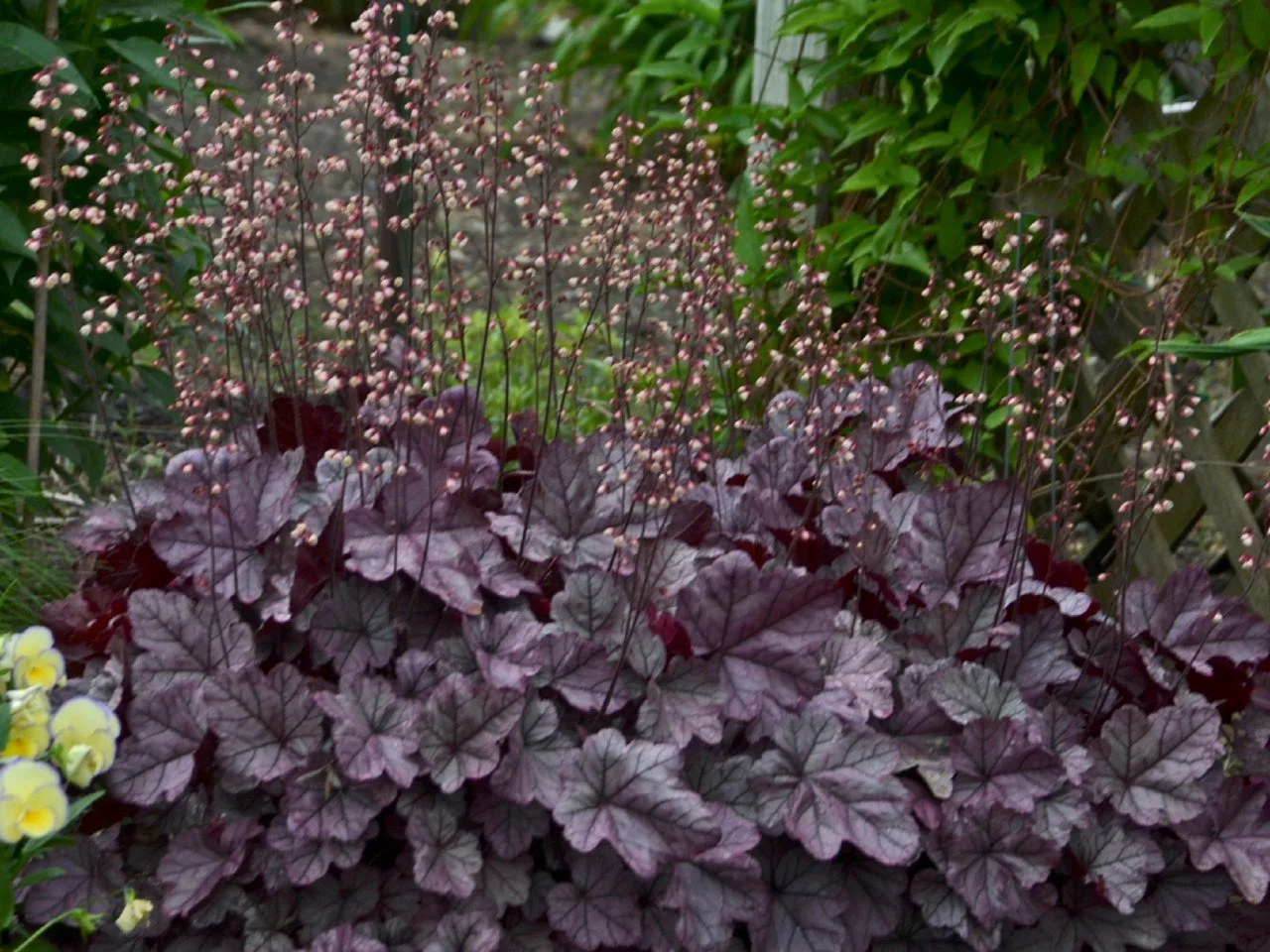
To renovate heuchera, also known as coral bells, involves a series of steps to rejuvenate the plants, enhancing their appearance and health. Heucheras can become leggy, lose their vibrant colors, or develop diseases over time. Renovation not only helps in restoring their beauty but also promotes healthy growth. Here’s how to effectively renovate your heuchera plants:
Assessing the Condition of Your Heuchera
Before undertaking the renovation process, it is essential to assess the condition of your heuchera. Look for signs of distress such as fading colors, yellowing leaves, or excessive leggy growth.
- Inspect the Foliage: Check if the leaves are discolored, wilting, or have brown edges.
- Examine the Roots: Carefully lift the plant to evaluate the root system for rot or overcrowding.
- Look for Pests: Examine the undersides of leaves and tops for common pests like aphids or spider mites.
Pruning Dead or Damaged Foliage
Once you've assessed the condition, the next step is to prune back any dead or damaged foliage. This process helps improve airflow and allows the plant to focus its energy on healthy growth.
- Use Clean Tools: Employ sharp, sterilized pruning shears to prevent disease transmission.
- Cut at the Base: Trim dead leaves at the base, close to the crown, to encourage new growth.
- Avoid Over-Pruning: Only remove what is necessary to maintain the plant's health and aesthetics.
Dividing Heuchera Plants
Dividing heuchera is another important step in renovation, especially if the plants have become overcrowded. This process can stimulate growth and rejuvenate the plant.
- Timing: Perform division in spring or early fall when the plants are actively growing.
- Digging Up the Plant: Carefully lift the entire plant from the ground, shaking off excess soil.
- Separating Clumps: Use your hands or a knife to divide the root ball into smaller clumps, ensuring each has healthy roots.
Improving Soil Quality
Improving the soil quality is crucial for the successful renovation and growth of heuchera. Amending the soil can provide the necessary nutrients for your plants.
- Testing Soil pH: Use a soil pH test kit to ensure your soil is within the ideal range (6.0 to 7.0).
- Adding Organic Matter: Incorporate compost or well-rotted manure to enrich the soil.
- Ensuring Drainage: Mix sand or perlite to help improve drainage, as heuchera requires well-drained soil.
Proper Watering and Maintenance
After completing the renovation steps, proper watering and maintenance are vital to keep your heuchera healthy. Implementing a consistent care regimen will support ongoing growth.
- Establish a Watering Schedule: Water regularly but allow the top inch of soil to dry out between waterings.
- Observe Weather Conditions: Adjust your watering frequency based on rainfall and temperature changes.
- Fertilizing: Apply a balanced, slow-release fertilizer in spring to promote growth and flowering.
Questions from Our Readers
What are the signs that my heuchera needs reviving?
The main signs that your heuchera needs reviving include yellowing leaves, stunted growth, or a dull appearance. If the plant appears leggy or has lost its vibrant color, it may benefit from immediate care to restore its health.
How can I improve the soil condition for my heuchera?
To improve the soil condition for your heuchera, consider adding organic matter such as compost or well-rotted manure. Ensuring good drainage while maintaining adequate moisture is essential, as these plants thrive in rich and well-aerated soil.
See also:
When is the best time to revive a heuchera?
The best time to revive a heuchera is during the spring or fall when temperatures are moderate. Reviving during these seasons helps the plant focus on root development and leaf growth, which will significantly improve its overall health.
What watering techniques should I use to revive a heuchera?
When reviving a heuchera, use the technique of deep watering once a week, allowing the soil to dry slightly between waterings. This method encourages strong root growth while preventing overwatering, which can lead to root rot and further decline.
If you want to read more articles like Ultimate Guide: How to Revive a Heuchera? Tips and Tricks for Thriving Plants, we recommend you check out our Heuchera category.
Leave a Reply
Related Articles