How do I winterize my heuchera? Essential Tips for Winter Care and Protection

Winterizing your heuchera, also known as coral bells, is essential to ensure their survival during the cold months. These vibrant perennials, prized for their stunning foliage and delicate flowers, require specific care to protect them from harsh winter conditions. In this article, we will explore essential tips for winter care and protection, helping you maintain the health and beauty of your heuchera. From selecting the right location to understanding watering needs, we will guide you through the necessary steps to ensure your heuchera thrives year after year, even in the chill of winter.
How to Effectively Winterize Your Heuchera
To successfully winterize your heuchera, it's essential to prepare the plants for colder temperatures while protecting them from harsh weather conditions. Start by removing any dead or damaged leaves to prevent disease and allow the plant to conserve energy. Next, apply a layer of mulch around the base of the plant, which insulates the roots and retains moisture. If you live in an area with harsh winters, consider covering the heuchera with burlap or frost cloth to shield it from freezing winds. Additionally, ensure that your plants receive adequate water before the ground freezes, as hydration is crucial for their survival during the winter months. Finally, monitor the plants throughout the winter and check for signs of damage or disease.
Understanding Heuchera's Winter Hardiness
Heucheras, commonly known as coral bells, are generally hardy perennials that can withstand colder climates. However, understanding their specific hardiness zone is key to successful winterizing. Many varieties thrive in USDA zones 3 to 9, but those in colder areas may require extra precautions. Recognizing the specific variety of your heuchera can help determine the necessary winterizing steps to ensure they endure the cold without significant damage.
Preparing Your Heuchera for Winter
Proper preparation of your heuchera before winter sets in is vital. Begin by pruning any dead or damaged foliage, which not only improves the plant's appearance but also wards off pests and diseases. Following this, it’s beneficial to water the plants thoroughly. While they don’t need as much moisture in winter, adequate hydration before the ground freezes is essential for maintaining plant health and resilience against freezing temperatures.
Applying Mulch for Protection
Mulching is an effective strategy for protecting your heuchera during the winter months. A layer of organic mulch, such as shredded bark or straw, helps to insulate the roots and keeps the soil temperature more stable. This prevents the roots from freezing and also reduces the risk of heaving during freeze and thaw cycles. When applying mulch, aim for a 2 to 3-inch layer around the base of the plants, avoiding direct contact with the stems to prevent rot.
Choosing Appropriate Covers for Extreme Weather
In regions prone to harsh winter conditions, consider utilizing protective covers for your heuchera. Materials like burlap or specialized garden fabric can provide a buffer against icy winds and extreme temperatures. These covers should be placed over the plants, but ensure there is airflow to prevent moisture buildup that may lead to fungal diseases. Setting up a frame to support the cover can help keep it above the foliage while allowing adequate ventilation.
Monitoring Heuchera During Winter
Even during winter, regular monitoring of your heuchera is crucial. Check for signs of disease, such as unusual discoloration or wilting, and look out for any signs of frostbite. If you notice any damaged leaves, trim them back to promote healthier growth in the spring. Additionally, it's important to keep an eye on soil moisture levels; although heuchera needs less water in winter, prolonged dry spells can harm the plant. Adjust your care routine accordingly to support their survival through the colder months.
| Action | Description |
|---|---|
| Remove Dead Leaves | Helps prevent disease and promotes energy conservation. |
| Water Before Freezing | Ensures plants are hydrated for winter survival. |
| Apply Mulch | Insulates roots and retains soil moisture. |
| Cover with Cloth | Protects against cold winds and freezing temperatures. |
| Monitor Health | Allows for early detection of damage and disease. |
Do you need to cut back heuchera in the fall?
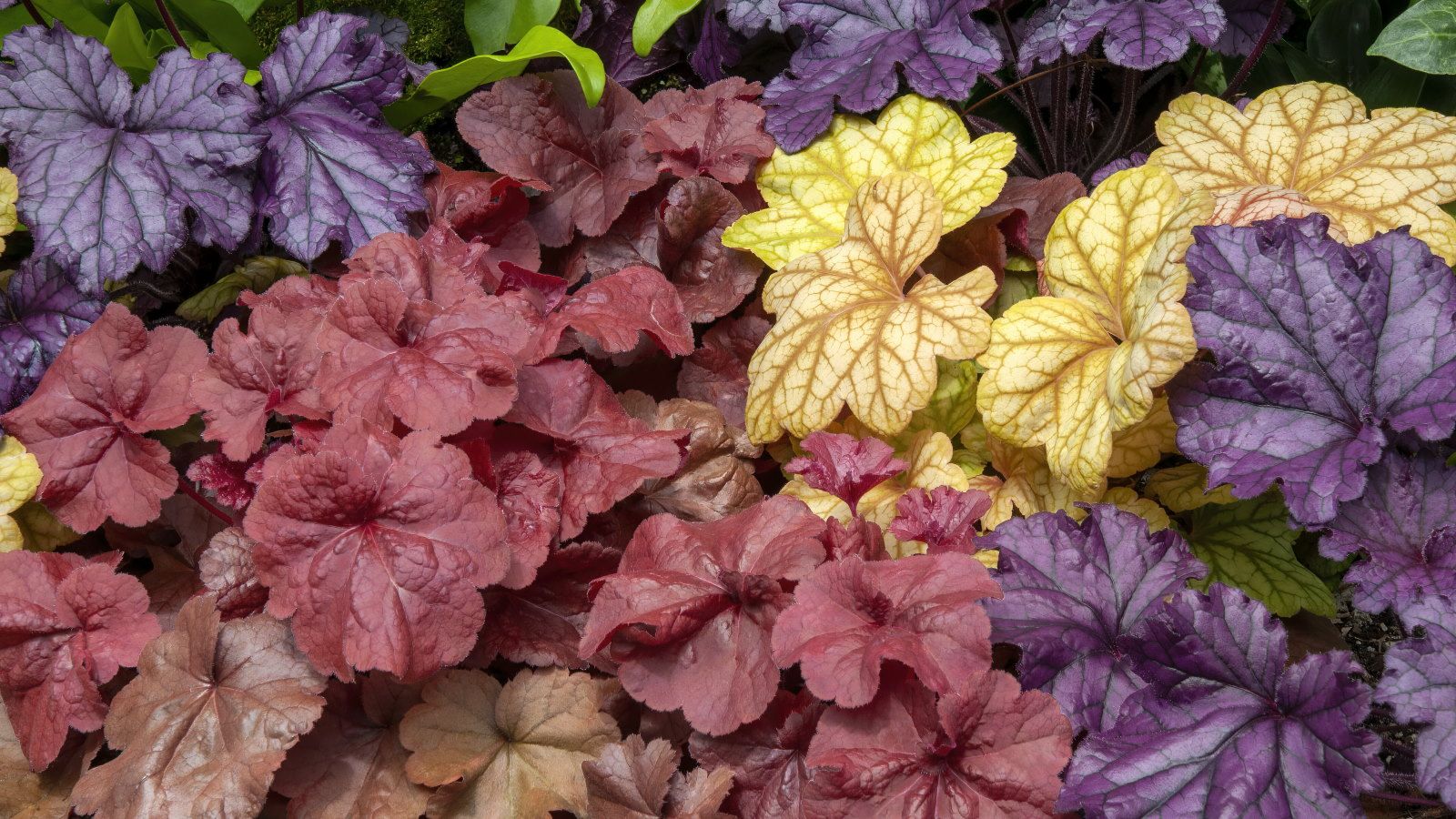
Heucheras, commonly known as coral bells, are popular ornamental plants valued for their attractive foliage and flower spikes. Regarding whether to cut them back in the fall, it is not strictly necessary but can be beneficial depending on specific circumstances.
Benefits of Pruning Heuchera in Fall
Pruning heuchera in the fall can provide several benefits that enhance the plant's growth and appearance in the following season.
- Improved Air Circulation: Cutting back dead or dying foliage helps improve airflow around the plant, reducing the chances of fungal diseases.
- Enhanced Aesthetics: Removing spent leaves can make the garden look tidier and more appealing during the dormant season.
- Promotes Healthy Growth: By removing old, less vigorous leaves, you can encourage new growth in the spring.
Timing of Pruning Heuchera
The timing for pruning heucheras is crucial to avoid damaging the plant.
See also:
- After First Frost: It's advisable to wait until after the first frost to prune, as this cold weather can help the plant enter dormancy.
- End of Fall: Completing your pruning by late fall ensures that the plant can have a clean start when spring arrives.
- Watch for New Growth: If you see new shoots beginning to emerge, it's best to wait until spring to prune.
Tools Needed for Pruning Heuchera
Using the right tools makes the pruning process more efficient and safe for the plant.
- Sharp Pruning Shears: Ensure that your shears are sharp to make clean cuts, reducing the risk of damage to the plant.
- Gardening Gloves: Wearing gloves protects your hands from sharp edges and any potential irritants.
- Bags for Debris: Having a container nearby helps keep your workspace tidy and makes cleanup easier.
Considerations for Cutting Back Heuchera
Before pruning, there are several considerations to keep in mind to ensure the health of your plants.
- Plant Health: Only prune plants that are healthy; avoid cutting back those that show signs of stress or disease.
- Variety Variations: Some heuchera varieties may fare better with different pruning techniques, so research your specific type.
- Local Climate: Consider your local climate; in milder regions, you might opt for less aggressive pruning.
Post-Pruning Care for Heuchera
After pruning, it is essential to provide care for the plants to promote healthy regrowth.
- Watering: Ensure the plants receive adequate moisture, especially if the fall season is dry.
- Mulching: Adding a layer of mulch can help protect the roots during winter and retain moisture.
- Monitoring: Keep an eye on your heucheras for any signs of disease or pests in the subsequent months.
Can I overwinter heuchera and pots in my garage?
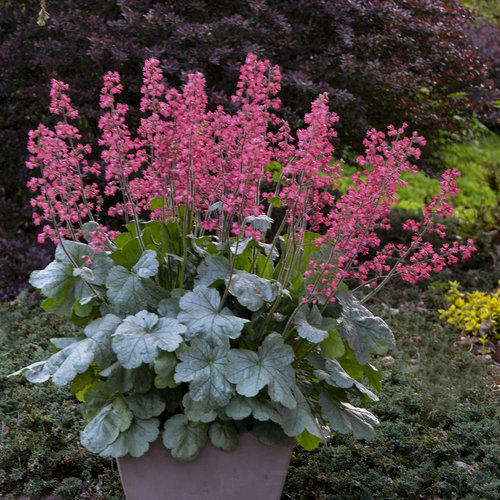
Yes, you can overwinter heuchera (commonly known as coral bells) and pots in your garage, provided certain conditions are met to ensure the plants remain healthy throughout the winter months. Heuchera is a hardy perennial that typically survives cold temperatures, but their container-grown varieties may require additional care to prevent them from suffering damage from freezing temperatures. Here are some important aspects to consider while overwintering heuchera in your garage:
Temperature Needs
The optimal temperature for overwintering heuchera is around 32°F to 40°F (0°C to 4°C). While your garage may not maintain a consistent temperature, ensuring that it does not drop below freezing is crucial.
- Use a thermometer to monitor the garage temperature.
- Insulate pots with bubble wrap or blankets to provide additional warmth.
- Avoid placing pots against uninsulated walls, as they may get colder than expected.
Light Requirements
Heuchera plants also need some level of light during the winter months. Though they will enter a dormant phase, providing them with light can help maintain their health.
- If possible, position your pots near a window that receives indirect sunlight.
- Consider using grow lights if you can provide light for a few hours a day.
- Monitor the plants for signs of stretching, which indicates they may need more light.
Watering Practices
Overwintering in a garage means you need to adjust your watering routine. It's important to keep the soil from becoming too dry, but overwatering can be just as detrimental.
- Check the soil moisture regularly; it's best to keep the soil slightly moist.
- Water only when the top inch of soil feels dry to the touch.
- Use room temperature water to avoid shocking the roots during winter.
Pest and Disease Management
While overwintering heuchera in your garage, it's vital to monitor for any signs of pests or diseases that might affect your plants.
- Inspect plants regularly for aphids, spider mites, or fungal growth.
- Remove any dead or yellowing leaves to minimize disease spread.
- Consider using insecticidal soap or neem oil if infestations occur.
Post-Winter Care
Once winter is over, the transition back to outdoor conditions is critical for your heuchera's health and vitality.
- Gradually reintroduce the plants to outdoor conditions to avoid shock.
- Monitor weather conditions for late frosts and protect plants if needed.
- Fertilize lightly in early spring to promote new growth.
How cold can heuchera tolerate?
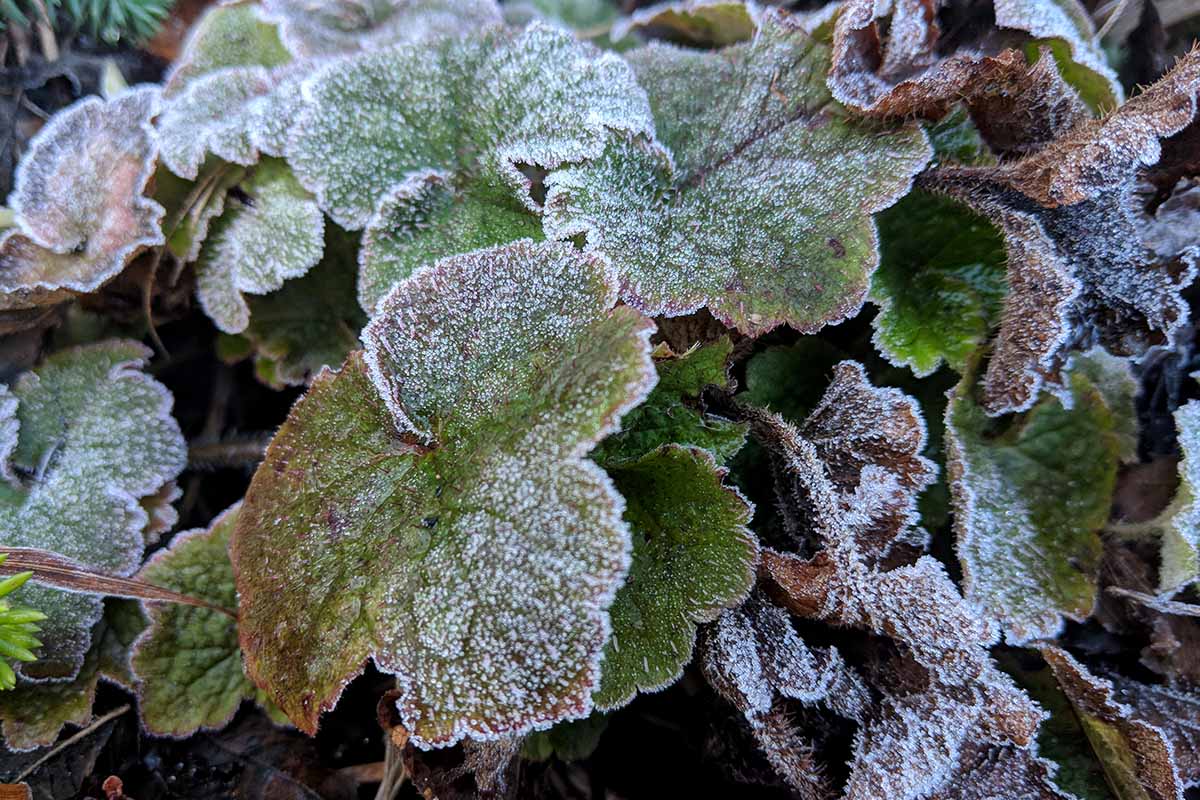

Heucheras, also known as coral bells, are popular perennial plants known for their colorful foliage and delicate flowers. Understanding their cold tolerance is essential for maintaining their health and ensuring they thrive in various climates.
Heuchera can tolerate temperatures as low as -30°F (-34°C), depending mainly on the specific variety and age of the plant. While mature heuchera plants tend to be more resilient to extreme cold, younger or newly planted ones may require additional protection during harsh winter conditions. It is important to note that local winter conditions, such as wind chill and moisture levels, can also impact how well heuchera withstands cold temperatures.
Factors Affecting Heuchera's Cold Tolerance
Several factors determine the cold tolerance of heuchera plants:
- Species and Variety: Different species of heuchera exhibit varying levels of cold hardiness. For instance, Heuchera sanguinea may endure colder temperatures than Heuchera micrantha.
- Aging of Plants: Mature plants typically have deeper roots and are better equipped to handle cold temperatures compared to younger plants.
- Microclimates: The specific growing environment, including urban heat islands or sheltered areas, can influence how cold a heuchera can tolerate.
Winter Care for Heuchera
Proper winter care is crucial for the survival of heuchera during colder months:
- Mulching: Apply a layer of mulch around the base of the plants to insulate the roots and maintain moisture levels.
- Watering: Ensure plants are adequately hydrated before the ground freezes to bolster their resilience against winter stress.
- Covering: In regions with extreme cold, consider using protective covers or fabrics to shield the plants from frost.
Signs of Cold Damage in Heuchera
Identifying signs of cold damage is crucial for plant care:
- Browning Leaves: Leaves may turn brown or black at the tips after exposure to severe cold.
- Wilting: The plant may appear droopy or wilted, indicating stress from freezing temperatures.
- Root Rot: Poor drainage combined with cold conditions can lead to root rot, often evidenced by a sickly plant appearance.
Optimal Growing Zones for Heuchera
Knowing the best growing zones for heuchera can ensure their success:
- USDA Hardiness Zones: Heuchera thrives best in zones 3 to 9, with some varieties capable of surviving in zone 2.
- Temperature Range: Maintaining temperatures between 60°F to 75°F (15°C to 24°C) during the growing season promotes healthy growth.
- Soil Conditions: Well-drained soil and partial shade can enhance growth and resilience against cold temperatures.
Best Practices for Planting Heuchera in Cold Climates
To successfully plant heuchera in colder regions, consider the following:
- Site Selection: Choose a planting site that offers some protection from harsh winds and direct sunlight.
- Soil Preparation: Amend soil with organic matter to improve drainage and nutrient content before planting.
- Timing of Planting: Planting in early spring or fall allows heuchera to establish roots before the onset of winter.
Questions from Our Readers
How do I prepare my heuchera for winter?
To prepare your heuchera for winter, start by ensuring that the plants are well-watered before the cold weather sets in. Remove any dead or decaying leaves to improve air circulation and prevent disease. Additionally, applying a layer of mulch around the base can help to insulate the roots against freezing temperatures.
Should I bring my heuchera indoors during winter?
It is generally not necessary to bring your heuchera indoors during winter if they are planted in the ground, as they are typically cold-hardy. However, if they are in pots, you can either move them indoors or to a sheltered location to protect them from extreme cold and harsh winds.
What type of mulch is best for heuchera in winter?
The best type of mulch for your heuchera in winter is organic material such as shredded bark, straw, or leaves. These materials not only provide insulation but also decompose over time, enriching the soil as they break down.
When should I start winterizing my heuchera?
You should start winterizing your heuchera in late fall, typically before the first hard frost. This will give your plants the best chance to survive the cold winter months by allowing them to acclimate to the changing temperatures while ensuring they have adequate protection.
See also:

If you want to read more articles like How do I winterize my heuchera? Essential Tips for Winter Care and Protection, we recommend you check out our Heuchera category.
Leave a Reply
Related Articles