When to Plant Cilantro? A Complete Guide for Successful Growing

Cilantro, also known as coriander, is a popular herb that adds a fresh, vibrant flavor to a wide variety of dishes. For gardeners and culinary enthusiasts alike, understanding the optimal time to plant cilantro is crucial for successful growth. This complete guide will explore the best planting times and conditions to ensure your cilantro flourishes. From climate considerations to soil preparation, we will cover everything you need to know to cultivate this versatile herb in your garden. Whether you're a novice or an experienced gardener, you'll find valuable tips to help you enjoy a bountiful cilantro harvest.
When to Plant Cilantro?
Cilantro is a versatile herb that thrives in cooler temperatures, making it crucial to know the best time to plant it for optimal growth. Ideally, cilantro should be planted in the spring or fall when temperatures are between 50°F to 85°F (10°C to 29°C). In many regions, this means sowing seeds as soon as the danger of frost has passed in early spring or in late summer for a fall harvest. Since cilantro tends to bolt or go to seed quickly in hot weather, avoiding the heat of midsummer is essential for a successful yield.
Optimal Growing Conditions
Cilantro prefers a well-drained soil with a pH level between 6.2 and 6.8. It thrives in areas with full sun exposure, although it can benefit from some afternoon shade in hotter climates. Ensuring that the soil is kept evenly moist, but not waterlogged, will help promote healthy growth and prevent bolting. With these factors in mind, creating the right growing conditions will yield a plentiful cilantro harvest.
Understanding Frost Dates
Knowing your local frost dates is vital for planning when to plant cilantro. These dates vary by region, with earlier spring planting in warmer areas and later planting in cooler regions. For instance, areas with a short growing season should aim to start cilantro indoors a few weeks before the last frost or choose to plant it directly in the ground once the soil has warmed sufficiently. Checking with local gardening resources can provide specific dates tailored to your climate.
Seed vs. Transplants
While cilantro can be grown from both seeds and transplants, starting from seeds is often preferable due to the herb's fast growth and adaptability. Seeds can be sown directly into the soil once the conditions are right, allowing for a more robust root system. Transplants, on the other hand, may need to be hardened off before being placed outdoors, adding extra time to the growing process. For gardeners short on space, starting cilantro indoors can be an effective method, as long as they are transplanted at the right time.
Seasonal Planting Strategies
Many gardeners choose to adopt seasonal planting strategies for cilantro to ensure a steady supply throughout the year. Planting seeds every few weeks during the cool seasons can help extend the harvest period. This method also helps to avoid the problem of bolting by allowing the herb to mature before the heat of summer arrives. By timing the plantings correctly, gardeners can continuously enjoy fresh cilantro in dishes all season long.
Common Pests and Diseases
Awareness of common pests and diseases is crucial when growing cilantro. Some frequent pests include aphids and spider mites, which can damage the delicate leaves. Additionally, fungal diseases may arise in overly moist conditions. To combat these issues, implementing good garden hygiene practices and using natural pest control methods can aid in keeping cilantro healthy and productive. Monitoring plants regularly for signs of distress can help identify problems early on.
| Planting Method | Best Time | Notes |
|---|---|---|
| Seeds | Spring | Sow after frost |
| Seeds | Fall | Can also thrive in cooler weather |
| Transplants | Spring | Harden off before planting |
| Transplants | Late Summer | Prepare for fall harvest |
What month do you plant cilantro?
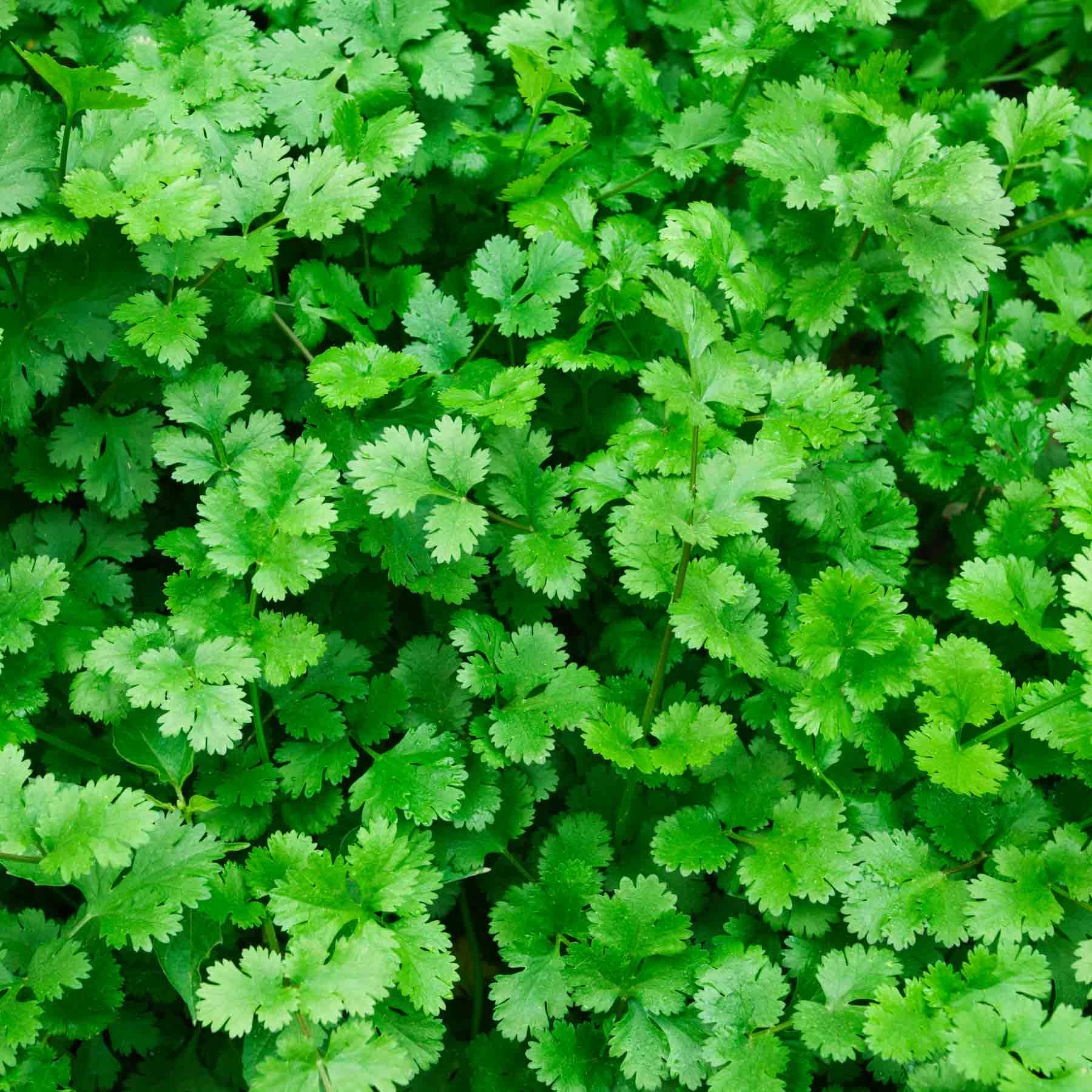
Cilantro, a popular herb known for its distinctive flavor, can be planted in different months depending on geographical location and climate. Typically, the best time to plant cilantro seeds is during the spring and fall.
In most temperate regions, cilantro thrives in cooler weather, which makes March through April and September through October ideal months for planting. In warmer climates, cilantro can also be grown year-round, given proper care and conditions.
Best Weather Conditions for Planting Cilantro
The ideal weather for planting cilantro involves cooler temperatures and moderate sunlight. Cilantro prefers temperatures between 50°F to 85°F. When temperatures rise above 85°F, cilantro tends to bolt (flower), which can affect the flavor and quality.
See also:
- Cool Weather: Ideal for germination and growth.
- Daylight Hours: Cilantro needs about 6 hours of sunlight daily.
- Soil Temperature: Soil temperatures around 60°F to 75°F are optimal.
Soil Preparation for Cilantro
Preparing the right soil mix is crucial for successful cilantro growth. Cilantro prefers well-drained, nutrient-rich soil.
- Soil Type: Use a loamy or sandy soil for optimal drainage.
- Soil pH: Aim for a pH level between 6.0 and 7.0.
- Composting: Adding organic compost enriches the soil nutrients.
Watering Requirements
Proper watering is vital for cilantro to grow well. The herb enjoys consistent moisture but should not be waterlogged.
- Frequency: Water regularly but allow the soil to dry slightly between waterings.
- Amount: Ensure deep watering to encourage root development.
- Drainage: Make sure your pots or garden bed have excess drainage to prevent rot.
Common Pests and Issues
As with any crop, cilantro is susceptible to various pests and diseases. Being aware of these can help you manage them effectively.
- Aphids: Can be controlled with neem oil or insecticidal soap.
- Leaf Spot: Prevent by ensuring proper air circulation and avoiding overhead watering.
- Bolting: Encourage optimal growth to delay flowering.
Harvesting Cilantro
Knowing when and how to harvest cilantro is essential for maximizing its flavor and use in cooking.
- Timing: Cilantro can be harvested when the leaves are about 6 inches tall.
- Method: Snip the outer leaves first to allow the inner leaves to continue growing.
- Frequency: Harvest regularly to encourage continual growth and prevent bolting.
Does cilantro want full sun?
Cilantro, also known as coriander, is a versatile herb that thrives in a range of growing conditions. When it comes to sunlight requirements, cilantro prefers a position with full sun but can also tolerate partial shade, especially in hotter climates. Full sun typically means at least six hours of direct sunlight per day. Here’s a deeper exploration of cilantro’s sunlight needs and related considerations.
Sunlight Requirements for Cilantro
Cilantro flourishes best when exposed to full sunlight, which promotes healthy growth and robust flavor. In regions with mild temperatures, cilantro can thrive with a full sun regimen, but as temperatures rise, some shade can help prevent bolting, a process where the plant goes to seed prematurely. Understanding the sunlight needs is crucial for achieving a bountiful harvest.
- Ideal conditions: Aim for 6-8 hours of direct sun exposure.
- Growth stage considerations: Younger plants might benefit from some afternoon shade.
- Climate adaptation: In very hot climates, partial shade can extend the growing season.
Impact of Sunlight on Cilantro Growth
The amount of sunlight cilantro receives directly impacts its growth rate and overall yield. Adequate sunlight encourages the development of lush, green leaves which are essential for culinary use. Without sufficient light, cilantro can become leggy and weak, failing to produce the vibrant foliage that makes it desirable.
- Leaf development: More sunlight leads to thicker, healthier leaves.
- Flavor concentration: Sunlight contributes to the development of essential oils in the leaves, enhancing flavor.
- Growth speed: More sun typically results in faster growth and earlier harvests.
Effects of Excess Heat
While cilantro enjoys full sun, excessive heat can have detrimental effects. High temperatures can lead to stress, causing the plant to bolt and thereby reducing the quality of the leaves. Farmers and gardeners dealing with extremely hot conditions should consider management practices to mitigate heat stress on their plants.
- Mulching: Helps retain soil moisture and keep roots cooler.
- Watering: Increased watering during heat spells can aid in stress reduction.
- Transplanting: Moving plants to a location that receives some afternoon shade can help maintain their vigor.
Growing Cilantro in Different Climates
Cilantro can be grown in a variety of climates, but the approach to sunlight may change depending on environmental factors. In cooler climates, full sun is essential, while in consistently hot areas, understanding when to provide partial shade becomes key to successful cultivation.
- Cooler climates: Full sun is optimal and recommended.
- Temperate regions: Partial shade can be beneficial during the hottest months.
- Tropical areas: Protecting from intense afternoon sun can improve plant health.
Best Practices for Planting Cilantro
To maximize the success of cilantro cultivation, following best practices in terms of positioning and care is crucial. Specific practices can help ensure the plant receives appropriate light while also facilitating growth, health, and yield.
See also:
- Location: Choose a spot that receives morning sun and some afternoon shade if in hot climates.
- Soil quality: Well-draining soil enriched with organic matter supports healthy growth.
- Timing: Plant cilantro in early spring or fall for optimal sunlight exposure.
What temperature is too cold for cilantro?

Cilantro, also known as coriander, is a popular herb used in various cuisines around the world. Its growth can be significantly affected by temperature, particularly cold temperatures. The optimal temperature range for cilantro growth is typically between 60°F and 75°F (approximately 15°C to 24°C). When temperatures drop below 50°F (around 10°C), cilantro can start experiencing stress, and anything below 40°F (about 4°C) can be too cold for healthy cilantro growth.
Understanding Cilantro's Temperature Sensitivity
Cilantro is particularly sensitive to cold temperatures. Low temperatures can lead to a range of issues, including slowed growth and bolting (premature flowering). When cilantro is exposed to extreme cold, its leaves may wilt or die off, affecting the overall yield.
- Optimal Growth Conditions: Cilantro thrives in moderate temperatures.
- Temperature Thresholds: Identifying the precise temperature ranges.
- Effects of Cold on Growth: Understanding how cold impacts cilantro.
Optimal Temperature Ranges for Cilantro Growth
Cilantro prefers a moderate climate, and it flourishes when the daytime temperatures are cool and the nights remain mild. Generally, the best temperatures for growing cilantro fall between 65°F and 70°F (approximately 18°C to 21°C). When temperatures consistently stay within this range, cilantro plants produce lush and aromatic leaves.
- Cool Days and Mild Nights: Importance for optimal growth.
- Seasonal Considerations: Planting in spring or fall.
- Greenhouse Advantages: Using controlled environments to maintain warmth.
Cold Stress Symptoms in Cilantro
When cilantro is exposed to chillier conditions, it can exhibit several stress symptoms. These include yellowing leaves, stunted growth, and an overall decline in plant vigor. Recognizing these symptoms early can help gardeners take action to prevent further damage and protect their crops.
- Yellowing Leaves: A sign of nutrient deficiency caused by cold stress.
- Wilting: Indicates that the plant cannot sustain proper hydration.
- Reduced Flavor: Cold temperatures can diminish the herb's characteristic flavor.
Protecting Cilantro from Cold Temperatures
To shield cilantro from low temperatures, gardeners can employ several protective measures. These methods aim to keep the plants warm, thereby supporting their growth even as temperatures drop.
- Floating Row Covers: Creating a microclimate around the plants.
- Mulching: Insulating the soil to retain warmth.
- Indoor Planting: Transplanting to pots for indoor growth during cold months.
Replanting Cilantro after Cold Damage
If cilantro experiences severe cold damage, replanting may be necessary. Certain steps can help in successfully reestablishing cilantro in the garden after a cold spell.
- Removing Damaged Plants: Clear the area for new growth.
- Soil Preparation: Amending the soil for improved drainage and nutrition.
- Timing for Replanting: Waiting until temperatures stabilize before replanting.
Questions from Our Readers
When is the best time to plant cilantro?
Plant cilantro is best sown in the spring and fall, as it thrives in cooler temperatures. If you live in a warmer climate, consider planting it in early spring or late summer to avoid the hottest months, which can lead to premature bolting.
Can I plant cilantro indoors?
Yes, you can plant cilantro indoors! Ensure it receives plenty of natural light or use grow lights for at least 12 hours a day. Plant it in a well-draining soil mix and keep it slightly moist for the best results.
How deep should I plant cilantro seeds?
Cilantro seeds should be planted about 1/4 to 1/2 inch deep in the soil. This depth allows for proper germination while protecting the seeds from pests and drying out too quickly.
How often should I water cilantro?
Cilantro needs regular watering, about once a week, depending on the climate. It's important to keep the soil moist but not waterlogged, as cilantro can suffer from overwatering, leading to root rot.
See also:

If you want to read more articles like When to Plant Cilantro? A Complete Guide for Successful Growing, we recommend you check out our Herbs category.
Leave a Reply
Related Articles