What is the Easiest Herb to Grow? Tips and Tricks for Beginner Gardeners

Growing your own herbs can be a rewarding and enjoyable experience, especially for beginner gardeners. With a myriad of options available, it can be daunting to select the best herb to start with. This article explores the easiest herb to grow, offering practical tips and tricks to help you cultivate a thriving garden. Whether you have a spacious backyard or a small balcony, growing herbs can enhance your cooking and bring a touch of nature into your home. Dive into our guide to discover simple steps that will boost your gardening confidence and yield fragrant, delicious herbs.
What is the Easiest Herb to Grow?
One of the easiest herbs to grow is basil. This versatile herb thrives in warm, sunny conditions and can be cultivated both in pots and directly in the garden. Basil requires minimal care, making it suitable for beginners. With its fragrant leaves, it not only enhances culinary dishes but also attracts beneficial insects. Regular watering and ensuring well-drained soil is vital, but it is tolerant of a little neglect, making it an ideal choice for those new to gardening. Its rapid growth also means that you can enjoy fresh basil in a relatively short period of time, adding both flavor and a burst of greenery to your space.
Growing Conditions for Basil
Basil thrives in temperatures between 70°F and 90°F (20°C to 32°C), making it perfect for warm-weather gardening. It requires about 6 to 8 hours of direct sunlight each day, and well-drained soil is essential to prevent root rot. Ideally, you should plant basil outdoors after any threat of frost has passed. If growing indoors, place it near a south-facing window to ensure it gets ample light. Monitoring the soil moisture is important; basil prefers slightly moist soil but can withstand drier conditions.
Watering and Maintenance
Basil needs consistent watering but is sensitive to overwatering. It is advisable to water basil when the top inch of the soil feels dry, typically requiring about an inch of water per week. Along with watering, the plant benefits from regular pruning, which not only promotes bushier growth but also prevents it from flowering too early, as flowering can lead to a more bitter taste in the leaves. Additionally, adding a balanced fertilizer every 4-6 weeks can help to nourish the plant and boost leaf production.
Common Pests and Diseases
Basil is generally not prone to serious pests or diseases but can occasionally attract aphids, spider mites, and whiteflies. Keeping the plant healthy through proper care will deter these pests. Fungal diseases such as downy mildew can affect basil, particularly in humid conditions. To prevent these issues, ensure good air circulation around the plants, and do not water the leaves directly. It is beneficial to inspect the plants regularly for any signs of infestation or disease and act promptly to address any problems.
Harvesting Techniques
To maximize the yield of basil, it is crucial to harvest it correctly. Begin harvesting when the plant has at least 6-8 mature leaves, taking care to pinch off the leaves just above a pair of leaves or nodes. This promotes bushier growth and encourages the plant to produce more leaves. Regular harvesting also prevents the plant from bolting, which can negatively impact flavor. Always use clean scissors or pruning shears to make clean cuts, ensuring the health of the plant remains intact.
Using Basil in Cooking
Basil is a flavorful ingredient in a variety of dishes, particularly in Italian cuisine. Its sweet and aromatic leaves are a staple in sauces such as pesto, salads, and dressings, and it enhances the taste of meats and vegetables. Fresh basil is typically added at the end of cooking to retain its flavor, while dried basil can be used during cooking for longer infusion. Additionally, basil pairs well with garlic, tomatoes, and cheeses, making it versatile for culinary applications.
| Herb | Optimal Temperature | Sunlight | Watering Frequency |
|---|---|---|---|
| Basil | 70°F - 90°F | 6 - 8 hours | Once a week |
| Mint | 60°F - 70°F | 4 - 6 hours | Twice a week |
| Chives | 60°F - 75°F | 5 - 7 hours | Weekly |
What are the best herbs to grow for beginners?

The best herbs to grow for beginners are those that are easy to manage, require minimal care, and thrive in a variety of conditions. Here are some of the most recommended herbs for novice gardeners:
Basil
Basil is one of the most popular culinary herbs and is quite simple to grow. It thrives in warm weather and needs plenty of sunlight, making it ideal for patio gardens or windowsills. With regular pruning, basil plants can produce a continuous supply of leaves throughout the growing season.
- Requires full sun (6-8 hours daily).
- Prefers well-draining soil.
- Water consistently but avoid overwatering.
Parsley
Parsley is a versatile herb that can be grown in both gardens and containers. It is a biennial plant, meaning it can survive for two years, making it a great choice for many seasons. Parsley prefers cooler temperatures and can tolerate partial shade, making it suitable for various growing conditions.
- Can grow in full sun or partial shade.
- Needs rich, well-draining soil.
- Keep soil moist but not soggy.
Cilantro
Cilantro, also known as coriander, is famous for its use in various cuisines around the world. This herb grows quickly and can be harvested in as little as three weeks after planting its seeds. Cilantro prefers cooler weather, which may help it thrive in spring or fall gardens.
- Grows best in cooler temperatures.
- Requires well-drained soil.
- Regularly harvest to encourage new growth.
Mint
Mint is an incredibly aromatic herb that is easy to grow. It can thrive in a variety of conditions and often grows vigorously, so it’s best to plant it in a container to control its spread. Additionally, mint has numerous culinary uses and can even be added to beverages.
See also:
- Prefers partial to full sun.
- Grows rapidly and can become invasive.
- Keep the soil consistently moist.
Chives
Chives are a member of the onion family and are known for their mild flavor. These herbs are easy to cultivate and can be grown indoors or outdoors. They produce beautiful purple flowers and are perfect for adding a fresh touch to various dishes.
- Thrives in well-draining soil.
- Requires full sun but can tolerate partial shade.
- Water regularly but ensure good drainage.
What is the easiest herb to keep alive?

The easiest herb to keep alive is typically basil. Known for its aromatic leaves and culinary versatility, basil is often considered a beginner's herb for several reasons. It is relatively low-maintenance, grows quickly, and provides a substantial yield even with minimal care. Here are some specifics about basil and additional aspects regarding herb gardening.
The Benefits of Growing Basil
Basil offers several advantages for both novice and experienced gardeners. Its vibrant flavor enhances numerous dishes, making it a popular choice in cooking. The benefits include:
- Flavor Enhancer: Basil adds a unique and savory taste to various meals.
- Medicinal Qualities: Known for its potential health benefits, including anti-inflammatory properties.
- Attractive Plant: With its beautiful green leaves and flowers, basil can enhance the aesthetics of any garden or kitchen.
Growing Conditions for Basil
Basil thrives under specific conditions, making it easy to care for. Ideal growing conditions include:
- Sunlight: Basil requires at least 6-8 hours of sunlight each day for optimal growth.
- Soil Type: Well-drained, nutrient-rich soil is crucial for healthy development.
- Watering: Consistent, moderate watering helps maintain soil moisture without allowing it to become waterlogged.
Common Pests and Diseases
While basil is generally resilient, it can be susceptible to certain pests and diseases. Awareness of these can help in keeping the plant healthy:
- Aphids: Small insects that can sap the plant's strength; adequate spacing and air circulation can help reduce their presence.
- Mildew: Powdery mildew can occur in humid conditions; proper watering practices help mitigate this issue.
- Fungal Infections: Ensuring good air circulation around the plant can help prevent fungal growth.
Harvesting Basil Leaves
Proper techniques for harvesting basil can promote continued growth and yield. Here’s how to do it:
- Timing: Harvest leaves when they are young and before the plant flowers for best flavor.
- Cuts: Use clean scissors to snip off leaves just above a leaf node to encourage bushier growth.
- Quantity: Regular harvesting encourages the plant to produce more leaves; don’t hesitate to use them.
Overwintering Basil
If you live in a colder climate, understanding how to protect your basil during winter is essential:
- Indoor Transfer: Move basil pots indoors before the first frost to keep them thriving.
- Light Source: Ensure they receive sufficient light in the indoors, ideally from a south-facing window.
- Temperature Control: Maintain temperatures above 50°F (10°C) to avoid shocking the plants.
What is the quickest growing herb?
The quickest growing herb is basil. Basil (Ocimum basilicum) is widely known for its rapid growth rate, making it a favorite among gardeners and culinary enthusiasts alike. Typically, basil can grow from seed to harvest in about 60 days, although under optimal conditions, it may reach its full size even quicker. Factors such as temperature, sunlight, and water availability significantly influence its growth rate.
Benefits of Growing Basil
Growing basil not only provides a fresh supply for cooking but also offers several benefits:
- Aromatic Qualities: Basil has a unique and inviting aroma that enhances various dishes.
- Health Benefits: Basil is rich in vitamins A, K, and C, as well as antioxidants that can help in maintaining good health.
- Pest Deterrent: Its strong scent can deter pests, making it a natural companion plant in gardens.
Ideal Conditions for Rapid Growth
To ensure basil grows quickly, specific conditions must be met:
- Temperature: Basil thrives in warm conditions, ideally between 70°F to 90°F (21°C to 32°C).
- Sunlight: It requires full sun, needing at least 6 to 8 hours of direct sunlight daily.
- Moisture: Keeping the soil consistently moist, but not soggy, fosters rapid growth.
Propagation Methods
Basil can be propagated in several ways, which helps in its quick growth:
See also:
- Seed Planting: Seeds can be directly sown in soil, and with proper care, germination occurs within a week.
- Cuttings: Taking cuttings from a healthy basil plant and placing them in water can lead to rapid root development.
- Transplanting: Starting seeds indoors and transplanting them when conditions are suitable ensures a longer growing season.
Common Varieties of Basil
There are several popular varieties of basil, each with its characteristics:
- Sweet Basil: The most common variety used in cooking, known for its sweet flavor and aroma.
- Thai Basil: Features a slightly spicy flavor with an aromatic scent, making it ideal for Asian cuisines.
- Genovese Basil: A traditional Italian basil known for its large leaves and robust flavor, perfect for pesto.
Culinary Uses of Basil
Basil serves as a versatile ingredient in various culinary applications:
- Pesto: Fresh basil is the key ingredient in pesto, a popular Italian sauce.
- Salads: Basil can enhance salads with its fresh flavor, especially when combined with tomatoes.
- Garnish: It is often used as a garnish due to its vibrant green color and aromatic properties.
What is the mother of all herbs?
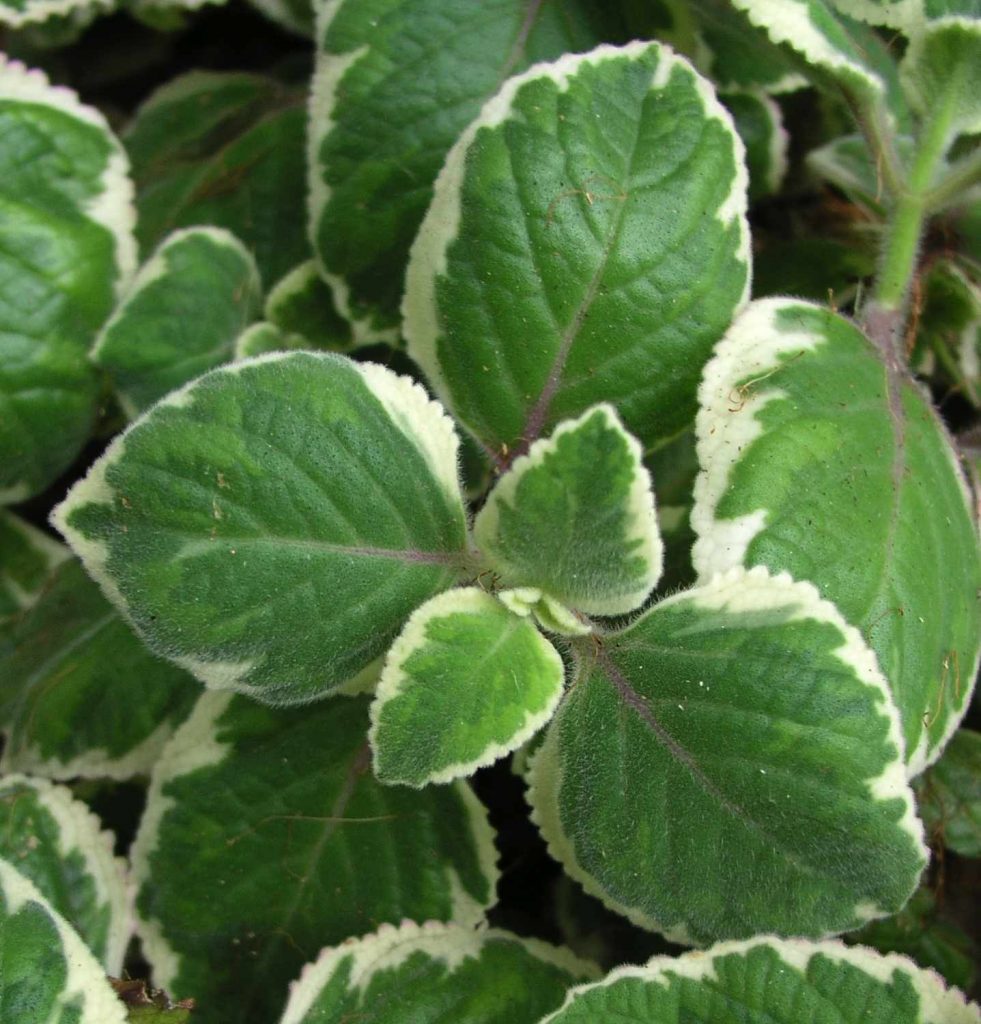
The phrase the mother of all herbs is commonly used to refer to Tulsi, also known as Holy Basil (Ocimum sanctum). This herb holds great significance in traditional medicine, particularly in Ayurvedic practices, and is renowned for its numerous health benefits.
Health Benefits of Tulsi
Tulsi is celebrated for its wide range of health benefits, including its role in boosting the immune system and combating stress. Some of the most notable benefits include:
- Antioxidant properties: Protects the body from free radicals.
- Anti-inflammatory effects: May reduce inflammation and pain.
- Stress relief: Helps in managing stress and supports mental clarity.
- Boosts immunity: Strengthens the body's defenses against illnesses.
- Respiratory health: Supports lung function and alleviates respiratory conditions.
Culinary Uses of Tulsi
Tulsi is not only useful in medicine but also has various culinary applications. It's often incorporated into dishes and beverages for added flavor and health benefits. Some common uses include:
- Herbal teas: Brewed for its soothing properties.
- Culinary seasoning: Used in soups, salads, and curries.
- Infused oils: Added to oils for flavoring dishes.
- Medicinal syrups: Made into syrups for cough and cold relief.
- Flavoring agents: Used in smoothies and desserts for a refreshing taste.
Cultural Significance of Tulsi
Tulsi holds cultural importance, especially in India, where it is considered sacred. Its status extends beyond its uses in food and medicine, with various traditions associated with it, including:
- Religious rituals: Often worshipped in Hindu households.
- Ceremonial use: Frequently included in spiritual practices.
- Symbol of purity: Represents purity and virtue in many cultures.
- Family heritage: Grown in homes as a family tradition.
- Seasonal festivities: Used in celebrations and traditional practices.
Tulsi Varieties
There are several varieties of Tulsi, each possessing unique characteristics and benefits. The most common varieties include:
- Ram Tulsi: Known for its pleasant aroma and is often used in herbal teas.
- Krishna Tulsi: Characterized by its dark purple leaves, used for medicinal purposes.
- Sabja Tulsi: Noted for its culinary use in dishes and drinks.
- Ban Tulsi: A wild variety valued for its strong medicinal properties.
- Green Tulsi: Commonly found in gardens, appreciated for its flavor and health benefits.
Growing and Caring for Tulsi
Growing Tulsi can be a rewarding experience, as it requires a few simple steps for successful cultivation. Key points on caring for Tulsi are:
- Soil requirements: Prefer well-drained soil rich in organic matter.
- Sunlight needs: Thrives in full sunlight, requiring at least six hours a day.
- Watering: Needs regular watering, but avoid waterlogging.
- Pruning: Regular pruning encourages bushy growth and pollination.
- Pest management: Keep an eye out for common pests and manage them organically.
Questions from Our Readers
What is the easiest herb to grow indoors?
Growing basil indoors is often considered the easiest option for beginner gardeners. Basil thrives in warm conditions and requires only a sunny window and well-drained soil. Regular watering and occasional pruning will yield a robust supply of fresh leaves throughout the year.
Can you grow herbs in water?
Yes, many herbs such as mint and basil can be successfully grown in water. Simply place the cuttings in a jar of water, ensuring that the nodes (where leaves meet the stem) are submerged, and place the jar in a sunny spot. Change the water every few days for optimal growth.
Which herbs are best for beginners?
For beginners, cilantro, parsley, and chives are great choices due to their simplicity in cultivation. These herbs can tolerate a range of conditions and do not require extensive care, making them ideal for those just starting with gardening.
How much light do herbs need to grow?
Most herbs require at least 6 hours of sunlight per day to thrive. A south-facing window is ideal for providing the necessary light, but if natural light is limited, using grow lights can also support healthy growth.
See also:

If you want to read more articles like What is the Easiest Herb to Grow? Tips and Tricks for Beginner Gardeners, we recommend you check out our Herbs category.
Leave a Reply
Related Articles