What are the 20 Most Used Herbs in the Kitchen? Your Essential Guide to Flavorful Cooking

Herbs are an essential component of culinary arts, lending depth, aroma, and vibrancy to dishes around the world. Whether you're an experienced chef or a home-cooking enthusiast, understanding the most commonly used herbs can elevate your cooking game. In this guide, we explore the 20 most utilized herbs in the kitchen, detailing their flavors, culinary uses, and health benefits. From the pungent notes of basil to the refreshing touch of cilantro, these herbs are staples that can transform bland meals into culinary masterpieces. Join us as we delve into each herb's unique qualities and how to incorporate them into your everyday cooking.
The 20 Most Used Herbs in the Kitchen
Many home cooks and professional chefs rely heavily on herbs to enhance the flavor of their dishes, making them essential ingredients in any kitchen. From the aromatic basil and vibrant cilantro to the evergreen rosemary and delicate chives, these plants not only add depth and complexity to meals but also impart unique scents and colors, elevating the dining experience. Each herb serves different culinary purposes, with some thriving in specific cuisines; for instance, oregano is a staple in Italian cooking, while cumin finds its home in Indian and Middle Eastern cuisine. Understanding the 20 most used herbs can help anyone navigate flavors more effectively and bring out the best in their home cooking.
Basil
Basil is one of the most popular herbs, particularly in Italian dishes such as pesto and caprese salad. Its sweet and peppery flavor works well in sauces, soups, and dressings, bringing a fresh and vibrant quality to many recipes. Fresh basil is often preferred over dried for its aromatic properties, which are well-preserved when used immediately after harvest.
Cilantro
Cilantro, also known as coriander in certain regions, is widely used in Mexican, Indian, and Southeast Asian cuisines. This herb has a unique flavor that can be polarizing; some people adore its bright, citrusy notes while others find it soapy. Cilantro is often used fresh in salsas, salads, and as a garnish, enhancing dishes with its strong aroma.
Rosemary
Rosemary is a woody perennial herb with a strong, aromatic flavor that pairs beautifully with meats and roasted vegetables. Its needle-like leaves release a pine-like scent that enhances dishes such as roasted chicken and lamb. Rosemary can be used fresh or dried, but the fresh version is ideal for infusing oils or making marinades.
Thyme
Thyme is an essential herb in both culinary and medicinal uses. Its earthy flavor is versatile, making it suitable for a wide variety of dishes, including soups, stews, and roasted meats. Thyme can be used fresh or dried; when cooking, it’s commonly added to dishes early on to allow the flavors to meld while simmering.
Parsley
Parsley is often seen as a decorative garnish, but its bright, slightly peppery flavor makes it an invaluable ingredient in many recipes. Available in flat-leaf (Italian) and curly varieties, parsley is used in salads, sauces, and as a seasoning. It provides not just flavor but also a freshness that can brighten heavy dishes.
| Herb | Culinary Uses | Flavor Profile |
|---|---|---|
| Basil | Pesto, salads, sauces | Sweet and peppery |
| Cilantro | Salsas, salads, garnish | Citrusy and bright |
| Rosemary | Meats, roasted vegetables | Pine-like and aromatic |
| Thyme | Soups, stews, meats | Earthy and warm |
| Parsley | Salads, sauces, garnish | Bright and slightly peppery |
What are the top 20 herbs?
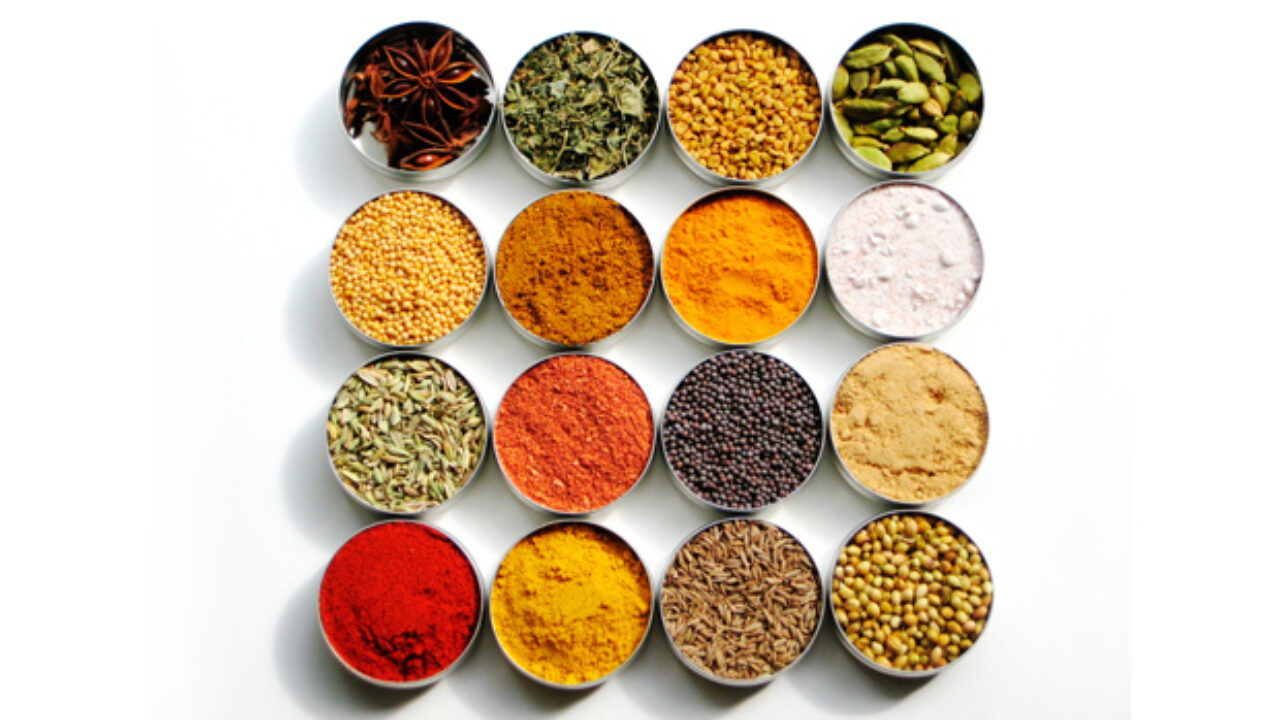
The top 20 herbs are widely used for culinary, medicinal, and aromatic purposes. Here’s a detailed overview of these herbs, highlighting their characteristics and applications.
1. Basil
Basil is a popular herb known for its sweet and aromatic leaves. It is commonly used in Mediterranean cuisine and pairs well with tomatoes and garlic. The most common variety is sweet basil, but there are also varieties like Thai basil which has a distinct anise flavor.
- Enhances pasta dishes and pizzas.
- Rich in vitamins A, K, and antioxidants.
- Believed to have anti-inflammatory properties.
2. Parsley
Parsley is often used as a garnish, but it is also a flavorful herb that can brighten up many dishes. There are two main types: curly parsley and flat-leaf parsley (Italian parsley), the latter having a bolder flavor.
- Rich in vitamins C and K, and folate.
- Can be used in salads, soups, and sauces.
- May support bone health and immune function.
3. Cilantro
Cilantro, also known as coriander, is widely used in Latin American and Asian cuisines. Its leaves have a fresh, citrusy flavor, while the seeds are used as a spice. It’s particularly favored in salsas and curries.
- Rich in antioxidants and may help reduce inflammation.
- Enhances guacamole and other dips.
- Contains compounds that might aid digestion.
4. Thyme
Thyme is a versatile herb that offers a strong, earthy flavor. It is commonly used in Mediterranean cooking and is an essential ingredient in bouquets garnis. Both fresh and dried thyme can be used.
- Contains essential oils with antiseptic properties.
- Great for seasoning meats and stews.
- May improve respiratory health.
5. Rosemary
Rosemary is a fragrant herb with needle-like leaves, often used in roasts and marinades. It lends a robust flavor to dishes, particularly those featuring lamb or chicken, and is also used in bread.
- High in antioxidants and anti-inflammatory compounds.
- Associated with improved memory and concentration.
- Enhances roasted vegetables and potatoes.
6. Oregano
Oregano is a staple in Italian and Mediterranean cuisine, known for its pungent flavor. It is best used dried but fresh oregano is also delicious. It pairs beautifully with meats, tomato sauces, and grilled vegetables.
- Rich in vitamin K and antioxidants.
- May have antibacterial properties.
- Commonly used in pizza and pasta dishes.
7. Sage
Sage has a distinctive earthy flavor and is often used in stuffing and savory dishes. It pairs well with fatty meats like pork and duck and is also a component in many herbal teas.
See also:
- Contains powerful antioxidants.
- May support digestive health.
- Has anti-inflammatory properties.
8. Mint
Mint is a refreshing herb with many varieties, including peppermint and spearmint. It is commonly used in beverages, desserts, and salads. The cooling flavor can also enhance savory dishes.
- Rich in vitamins A and C.
- Can aid in digestion and soothe upset stomachs.
- Popular in teas and cocktails like mojitos.
9. Dill
Dill is an aromatic herb mostly used in pickling and as a seasoning for fish. Its feathery leaves and seeds offer a unique flavor that complements a variety of dishes, especially those containing yogurt or cream sauces.
- High in vitamins A and C.
- Believed to support digestive health.
- Often used in salads and dressings.
10. Chives
Chives are a mild herb related to onions, and they add a delicate flavor to dishes. Their green tops are often used as a garnish and can enhance salads, soups, and egg dishes.
- Rich in vitamins K and C.
- Contains antioxidants beneficial for heart health.
- Adds a mild onion flavor without overpowering.
11. Fennel
Fennel has a sweet, slightly anise-like flavor. It is used in Mediterranean cooking and can be consumed raw in salads or cooked in various dishes. Both the fronds and the bulb are edible.
- Rich in dietary fiber and antioxidants.
- May help with digestion and reduce bloating.
- Adds unique flavor to fish and roasted vegetables.
12. Tarragon
Tarragon is an aromatic herb with a distinct flavor reminiscent of anise. It is commonly used in French cuisine, particularly in sauces and dressings, and pairs well with chicken and fish.
- Contains beneficial compounds that may aid digestion.
- Enhances flavor in vinaigrettes and sauces.
- Rich in vitamins A and C.
13. Lavender
Lavender is primarily known for its aromatic and fragrant properties. While often used in desserts and teas, it can also serve as a flavorful addition in savory dishes, providing a unique floral note.
- Contains antioxidants that may promote relaxation.
- Often used in aromatherapy and for stress relief.
- Adds a floral flavor to baked goods and dishes.
14. Lemon Balm
Lemon balm is a lemon-scented herb belonging to the mint family. It is used in teas, desserts, and salads. Its calming properties make it a favorite for promoting relaxation and reducing anxiety.
- Rich in antioxidants and may help improve mood.
- Commonly used in herbal teas.
- Enhances flavor in fruit salads and desserts.
15. Bay Leaves
Bay leaves are typically used whole and removed before serving. They impart a mild, herbal flavor to soups, stews, and sauces and are essential in several cuisines, particularly Mediterranean.
- Contains essential oils with anti-inflammatory properties.
- Adds depth to braised dishes and stocks.
- May aid digestion and improve appetite.
16. Nasturtium
Nasturtium is both a beautiful garden flower and a flavorful herb. Its leaves and flowers are edible, offering a peppery
What is the mother of all herbs used in cooking?
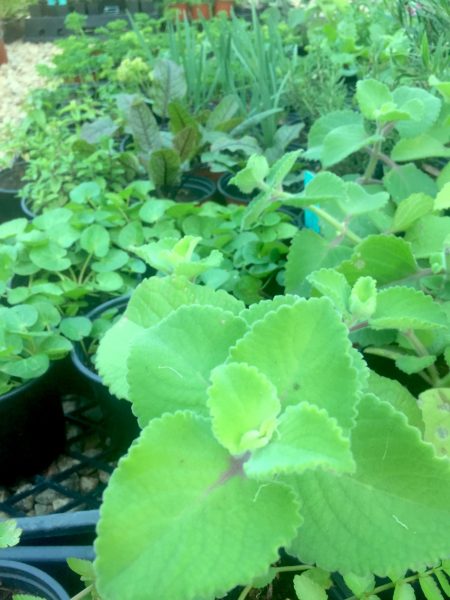
The term mother of all herbs is often attributed to basil, which is an essential herb in various culinary traditions around the world. Known for its aromatic leaves and versatile applications, basil has been a staple in many delicious dishes, particularly in Italian, Mediterranean, and Asian cuisines. The vibrant flavor of basil can elevate a simple dish, making it a favorite among chefs and home cooks alike.
Historical Significance of Basil
Basil has a rich history that dates back thousands of years.
- Ancient texts: Basil is mentioned in ancient texts including the Indian Ayurvedic scriptures as well as historical records from ancient Rome.
- Symbolism: In various cultures, basil has been considered a symbol of love, protection, and even a gateway to heavenly realms.
- Culinary evolution: Its journey from the Far East to the Mediterranean reveals how trade routes influenced culinary practices and herb usage.
Varieties of Basil
There are numerous varieties of basil, each with unique flavors and uses.
- Sweet Basil: This is the most common type used in cooking, particularly in Italian dishes like pesto and Caprese salad.
- Thai Basil: Known for its spicy, anise-like flavor, Thai basil is often used in Southeast Asian cuisine.
- Lemon Basil: With a citrusy aroma, lemon basil adds a refreshing touch to salads and fish dishes.
Culinary Uses of Basil
Basil can be used in various forms and preparations, enhancing dishes significantly.
- Fresh: Fresh basil leaves can be torn or chopped and added to salads, sandwiches, and pasta dishes for a burst of flavor.
- Dried: Dried basil retains its aromatic properties and is often sprinkled on pizzas, stews, and marinades.
- Basil-infused oils and sauces: Creating basil-infused olive oil or pesto showcases the herb's versatility in different dishes.
Nutritional Benefits of Basil
Basil is not only flavorful but also packed with nutritional benefits.
- Antioxidants: Basil is rich in antioxidants, which help combat oxidative stress in the body.
- Anti-inflammatory properties: The compounds in basil have been shown to have anti-inflammatory effects, potentially supporting overall health.
- Vitamins and minerals: Basil is a source of vitamins A, K, and C, along with minerals like calcium and iron, contributing to a well-rounded diet.
Growing Basil at Home
Cultivating basil at home is simple and rewarding, allowing you to enjoy fresh leaves whenever needed.
See also:
- Choosing the right location: Basil thrives in warm, sunny environments, requiring at least 6 hours of sunlight daily.
- Soil requirements: Well-draining soil enriched with organic matter promotes healthy growth.
- Regular harvesting: Frequent trimming and harvesting encourage bushier growth, leading to a more abundant plant.
What is the king of all herbs?

The title of king of all herbs is often attributed to holy basil, also known as Tulsi. This herb, scientifically known as Ocimum sanctum, has been revered in traditional Indian medicine, particularly in Ayurveda, for its vast array of medicinal properties. It is not merely an herb; it's considered a symbol of purity and divinity in Hindu culture, which adds to its esteemed status.
Health Benefits of Holy Basil
Holy basil has been widely studied for its numerous health benefits. These include:
- Anti-inflammatory properties: Holy basil helps in reducing inflammation and oxidative stress, which can lead to chronic diseases.
- Stress relief: It acts as an adaptogen, helping the body adapt to stress and maintain balance.
- Immune system support: The herb is known to enhance the immune response, thus helping in the prevention of infections.
Culinary Uses of Holy Basil
In addition to its medicinal uses, holy basil has a unique flavor that enhances many dishes. Its culinary applications include:
- Flavor enhancer: Used in various cuisines, particularly in Thai dishes for its peppery, clove-like taste.
- Herbal teas: Brewed as a tea, it offers a fragrant and calming beverage.
- Fresh salads: The leaves can be added fresh to salads to give a burst of flavor.
Cultivation and Growing Conditions
Growing holy basil requires specific conditions to thrive. Key aspects include:
- Sunlight: It requires full sunlight for at least 6-8 hours a day.
- Soil type: Prefers well-draining, rich soil with a pH of 6-7.
- Water requirements: Needs moderate watering, avoiding waterlogging to prevent root rot.
Comparisons with Other Herbs
When considering other herbs, holy basil holds a unique place among them. Notable comparisons include:
- Versatility: Unlike many herbs that serve one purpose, holy basil is used in cooking, medicine, and spiritual practices.
- Range of benefits: While other herbs like mint or rosemary offer health benefits, holy basil encompasses a broader scope.
- Cultural significance: This herb carries significant cultural and religious importance, setting it apart from others.
Traditional Uses Throughout History
Holy basil has been used for centuries in various traditions. Some historical uses include:
- Spiritual practices: Used in Hindu rituals for its purifying qualities.
- Medicinal tinctures: Historically prepared as tinctures to treat various ailments.
- Religious symbolism: Seen as a sacred plant in temples and homes, believed to bring blessings.
What are the most used herbs in cooking?
:max_bytes(150000):strip_icc()/ew-herb-chart-infographic960px-2000-750596384021405b8ea378b054c33a27.jpg)
In cooking, herbs are essential for enhancing flavors and adding depth to dishes. They can be used fresh or dried, and their potent flavors can transform a simple recipe into something extraordinary. Here’s a detailed examination of the most commonly used herbs in culinary practices around the world.
Basil
Basil is a staple herb in Italian cuisine known for its aromatic flavor and fragrant scent. It is often used in sauces, particularly pesto, and pairs well with tomatoes. Its fresh leaves can be added to salads, pizzas, and pasta dishes, or used as a garnish.
- Heightens the flavor of tomato-based dishes.
- Complements cheeses, particularly mozzarella.
- Adds freshness to salads and sandwiches.
Parsley
Parsley is one of the most versatile herbs used in cooking, celebrated for its bright green color and mild flavor. It is often used as a garnish, but it also enhances the taste of main dishes, soups, and stews. The two main types are flat-leaf (Italian) and curly parsley, each suited for different culinary applications.
- Enhances fresh salads and vinaigrettes.
- Acts as a flavorful addition to soups and stocks.
- Can be used as a garnish for most dishes.
Cilantro
Cilantro, also known as coriander, is popular in many global cuisines, particularly Mexican and Asian dishes. Its distinctive flavor can be polarizing, but it is cherished for its fresh taste and vibrant green leaves. Cilantro is often added to salsas, curries, and as a garnish for tacos.
- Brightens up spicy dishes and sauces.
- Essential in fresh salsas and guacamole.
- Pairs well with lime and other citrus flavors.
Thyme
Thyme is an aromatic herb used widely in Mediterranean cooking. It has a strong flavor profile that can be earthy and slightly minty. Thyme is commonly used in roasted dishes, soups, and stews, as it holds up well during long cooking times. It can be used fresh or dried and pairs excellently with meats.
- Enhances the flavor of meats and poultry.
- Essential in stews and braised dishes.
- Used for flavoring stocks and soups.
Oregano
Oregano is a key herb in Mediterranean cuisine, particularly in Italian and Greek dishes. Known for its strong and slightly bitter flavor, it is often used in tomato sauces, marinades, and seasoning blends. Oregano is best used dry, as the drying process concentrates its flavor.
- Perfect for seasoning pizzas and pasta sauces.
- Complementary to grilled vegetables and meats.
- Used in Mediterranean herbal blends like za'atar.
Questions from Our Readers
What are the most popular herbs used in cooking?
The most popular herbs used in cooking include basil, parsley, cilantro, thyme, oregano, rosemary, sage, dill, chives, tarragon, mint, bay leaves, fennel, oregano, lemongrass, marjoram, sweet basil, serrano chili, coriander, and savory. Each of these herbs brings a unique flavor profile that enhances various dishes.
How do I store fresh herbs properly?
To store fresh herbs properly, you should keep them in cool, dry place or in the refrigerator. For herbs like cilantro and parsley, place them in a glass of water with a plastic bag over the top, while soft herbs like basil should be kept at room temperature, away from direct sunlight.
See also:
Can dried herbs be used instead of fresh herbs?
Yes, dried herbs can be used instead of fresh herbs, but you should use about one-third of the amount because dried herbs are more concentrated in flavor. It’s important to add them earlier in the cooking process to allow for their full flavor to develop.
Are there any herbs that should not be cooked?
Yes, certain herbs like basil and cilantro can lose their flavor when cooked for too long. It’s best to add these fresh herbs at the end of the cooking process to retain their vibrant taste and aroma.

If you want to read more articles like What are the 20 Most Used Herbs in the Kitchen? Your Essential Guide to Flavorful Cooking, we recommend you check out our Herbs category.
Leave a Reply
Related Articles