What is the Best Depth for a Herb Garden? Discover Ideal Soil Depths for Healthy Herbs
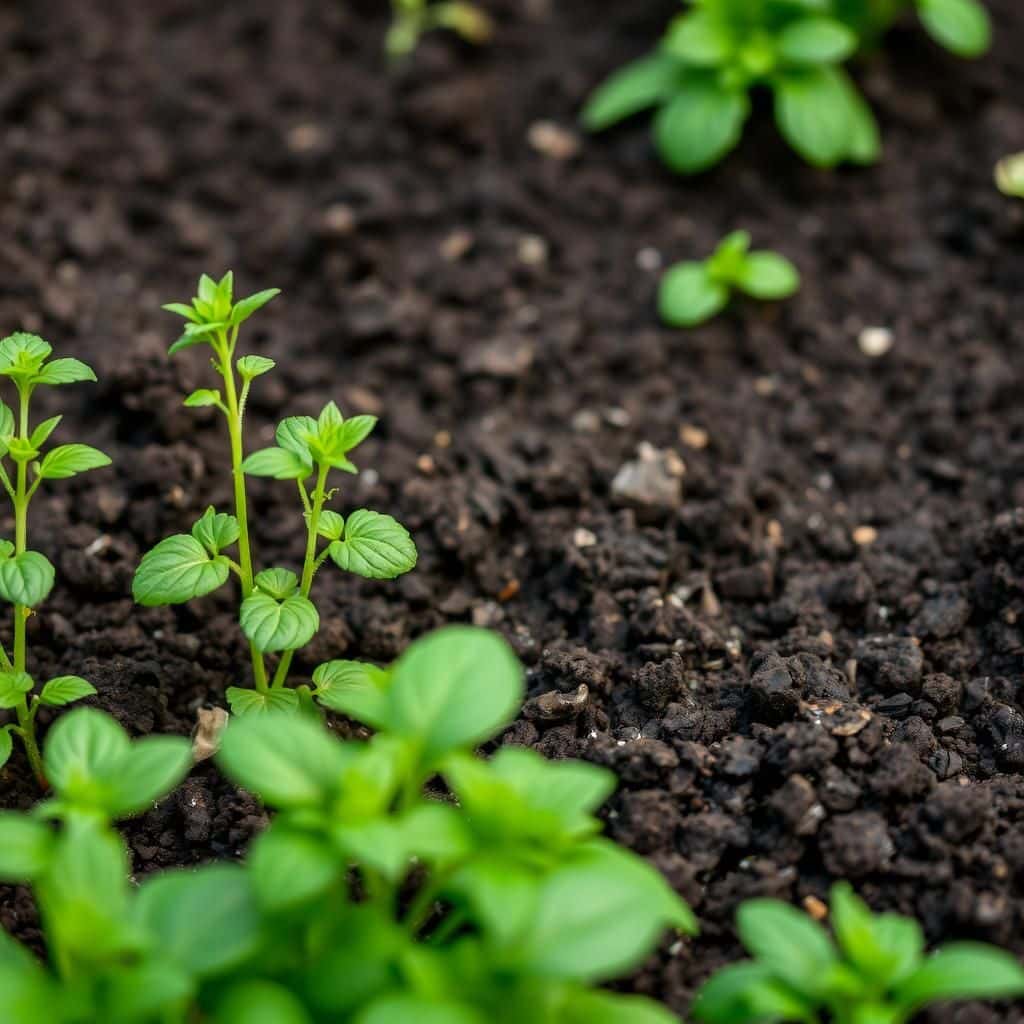
When cultivating a thriving herb garden, understanding the ideal soil depth is crucial for success. The depth of soil directly influences root development, moisture retention, and nutrient availability, all of which are vital for healthy plant growth. Different herbs may have varying requirements, making it essential for gardeners to tailor their planting strategies accordingly. In this article, we will explore the best soil depths for various herbs, providing valuable insights to help you create a flourishing herb garden. Discover how to optimize your gardening techniques to ensure your herbs thrive and contribute to your culinary creations.
What is the Best Depth for a Herb Garden?
The ideal depth for a herb garden generally ranges from 12 to 18 inches. This range provides the necessary space for root development, allowing herbs such as basil, parsley, and cilantro to thrive. Soil depth is critical as it influences water retention, aeration, and nutrient availability. A deeper bed can also reduce the risk of weeds and improve drainage, which is particularly important for herbs that do not tolerate waterlogging. Using raised beds can further enhance these factors, offering a suitable environment for healthy herb growth.
Importance of Soil Depth for Herbs
Soil depth is crucial for herb growth as it affects nutrient uptake, water availability, and root stability. Herbs with deeper roots can access more nutrients and moisture, which is essential for healthy growth. Shallow soil can lead to poor root development, causing stress in the plants and stunting their growth. Thus, ensuring an adequate depth creates an ideal habitat for achieving robust and aromatic herbs.
Factors Influencing Depth Requirements
Different herbs have varying depth requirements based on their root systems. For instance, some herbs like mint can spread aggressively and benefit from a depth of around 12 inches, while others like rosemary, which can have a deeper root structure, thrive better in areas with at least 18 inches of soil. Understanding the specific needs of each herb will ensure that they have enough space to grow effectively without competing for nutrients.
Raised Beds vs. Ground Planting
Choosing between raised beds and ground planting significantly impacts soil depth. Raised beds typically offer better drainage, easier access, and can be customized to the desired depth, often recommended at 12-18 inches. In contrast, ground planting may naturally have less control over soil quality and depth but can reduce maintenance and labor. Ultimately, the decision should account for the types of herbs being cultivated and the local climate.
Water Management in Herb Gardens
Water management is intertwined with soil depth; deeper soil can hold moisture longer, which is beneficial for herb gardens. A depth of about 12-18 inches helps balance the required moisture levels without over-saturation, which can harm crops. Implementing proper irrigation methods, such as drip systems, can complement the effects of soil depth by ensuring consistent hydration tailored to the plants' needs.
Soil Composition and Herb Growth
Soil composition is just as important as depth when cultivating herbs. A rich, well-aerated soil mix that combines organic matter, peat, and perlite can enhance root growth and overall health of herbs. A depth of 12-18 inches allows room for these components to be layered effectively. The right balance of sand, silt, and clay, combined with adequate depth, will create a thriving environment for herb growth.
| Herb Type | Recommended Depth |
|---|---|
| Basil | 12-18 inches |
| Mint | 12 inches |
| Rosemary | 18 inches |
| Parsley | 12-18 inches |
| Cilantro | 12 inches |
How deep should a herb garden be?

To establish a healthy and thriving herb garden, the depth of the soil is a crucial factor to consider. Generally, herb gardens should be at least 12 inches deep to provide sufficient room for root development. However, this can vary based on the type of herbs being grown and the specific soil conditions in your location. Here’s a more detailed breakdown:
Why Soil Depth Matters for Herbs
Soil depth is essential for successful herb gardening because it affects root growth, nutrient absorption, and moisture retention. Herbs with shallow roots may thrive in shallower soil, but most culinary herbs require deeper soil to ensure they can access necessary nutrients and water. Shallow soil can also lead to poor drainage, which may hinder herb health.
- Root Expansion: Deeper soil allows roots to spread out, reaching more nutrients.
- Nutrient Access: Different herbs have various nutrient requirements that a deeper soil profile can supply.
- Water Retention: Deeper soil helps retain moisture, particularly important during dry periods.
Recommended Depths for Specific Herbs
Different herbs thrive at varying soil depths. While most herbs will do well in at least 12 inches of soil, some may require more depth. For example, perennial herbs like rosemary and oregano may benefit from 16-20 inches of soil, while annual herbs such as basil generally thrive in 12 inches.
- Rosemary: Requires a deeper soil due to its extensive root system.
- Basil: Can thrive well in 12 inches; ideal for container gardens.
- Chives: Shallow-rooted, comfortable in about 10-12 inches.
Soil Type and Its Impact on Depth
The type of soil significantly influences how deep your herb garden should be. Sandy soils drain well but may need to be deeper to retain moisture, while clay soils can be compact, necessitating ample depth to improve airflow and drainage.
See also:
- Sandy Soil: Needs depth for better moisture retention.
- Clay Soil: Requires greater depth for proper drainage and air circulation.
- Loamy Soil: Approximately 12-18 inches is sufficient for most herbs.
Container Herb Gardens and Depth Considerations
When gardening in containers, you'll need to maintain adequate depth to provide herbs with sufficient growing space. Generally, a container should be at least 12 inches deep to accommodate root systems comfortably.
- Small Containers: Suitable for shallow-rooted herbs like mint.
- Medium Containers: Ideal for herbs such as parsley and cilantro.
- Large Containers: Necessary for more extensive herbs like thyme and rosemary.
Maintaining Soil Depth Over Time
Once you establish your herb garden, maintaining the soil quality and depth is critical for long-term health. Factors such as compaction, erosion, and nutrient depletion can gradually reduce effective soil depth.
- Regular Aeration: Helps maintain air circulation and root development.
- Mulching: Reduces erosion and retains soil moisture.
- Periodic Soil Testing: Ensures sufficient nutrient levels are maintained.
What herbs cannot be planted next to each other?
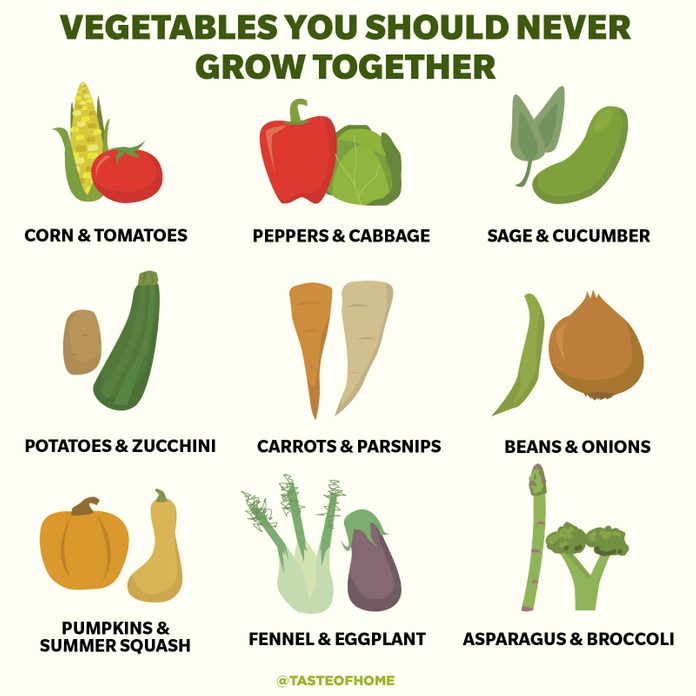
Common Herb Pairings to Avoid
Herbs can have detrimental effects on each other's growth if planted too close together. It's essential to recognize which herbs should not be paired. Here are some common herb pairings to avoid:
- Basil and Rue: Rue can inhibit the growth of basil, leading to a weaker plant.
- Rosemary and Mint: Mint is aggressive; it can overshadow rosemary, impacting its growth.
- Chives and Beans: Chives can stunt the growth of beans, reducing their yield.
Companion Planting Principles
Companion planting is a technique used by gardeners to enhance growth and deter pests. Understanding the basic principles of companion planting can help prevent garden conflicts:
- Avoid Strong Scents: Herbs with strong scents can repel beneficial insects, leading to poor pollination.
- Nutrient Competition: Herbs that consume the same nutrients can compete, leading to unhealthy plants.
- Pest Attraction: Some herbs attract pests that can damage other nearby plants.
Herbs That Deter Each Other’s Growth
Certain herbs release chemicals that can hinder the growth of their nearby counterparts. Recognizing these detrimental interactions is critical for a healthy garden:
- Fennel: It can inhibit the growth of most other herbs due to its allelopathic properties.
- Lavender: While aromatic, it can compete with moisture and nutrient needs of more delicate herbs.
- Sage: Not compatible with many other herbs, particularly when moisture levels are inconsistent.
Herbs That Thrive Together
While certain herbs cannot be grown together, many can thrive side by side. Understanding compatible herbs enhances growth and overall health of your plants. Here are some good pairings:
- Basil and Tomato: Basil enhances the flavor of tomatoes and can deter pests.
- Oregano and Thyme: Both enjoy similar growing conditions and complement each other's needs.
- Dill and Chamomile: These can improve each other's growth while attracting beneficial insects.
Tips for Successful Herb Gardening
Successful herb gardening involves careful planning and knowledge about plant interactions. Here are some tips for success when growing herbs:
- Research Compatibility: Before planting, check each herb's compatibility with others.
- Monitor Growth: Keep an eye on the growth of nearby plants; if one is struggling, reassess their arrangement.
- Rotate Crops: Changing the positioning of herbs yearly can prevent nutrient depletion and pest buildup.
What is the best layout for an herb garden?
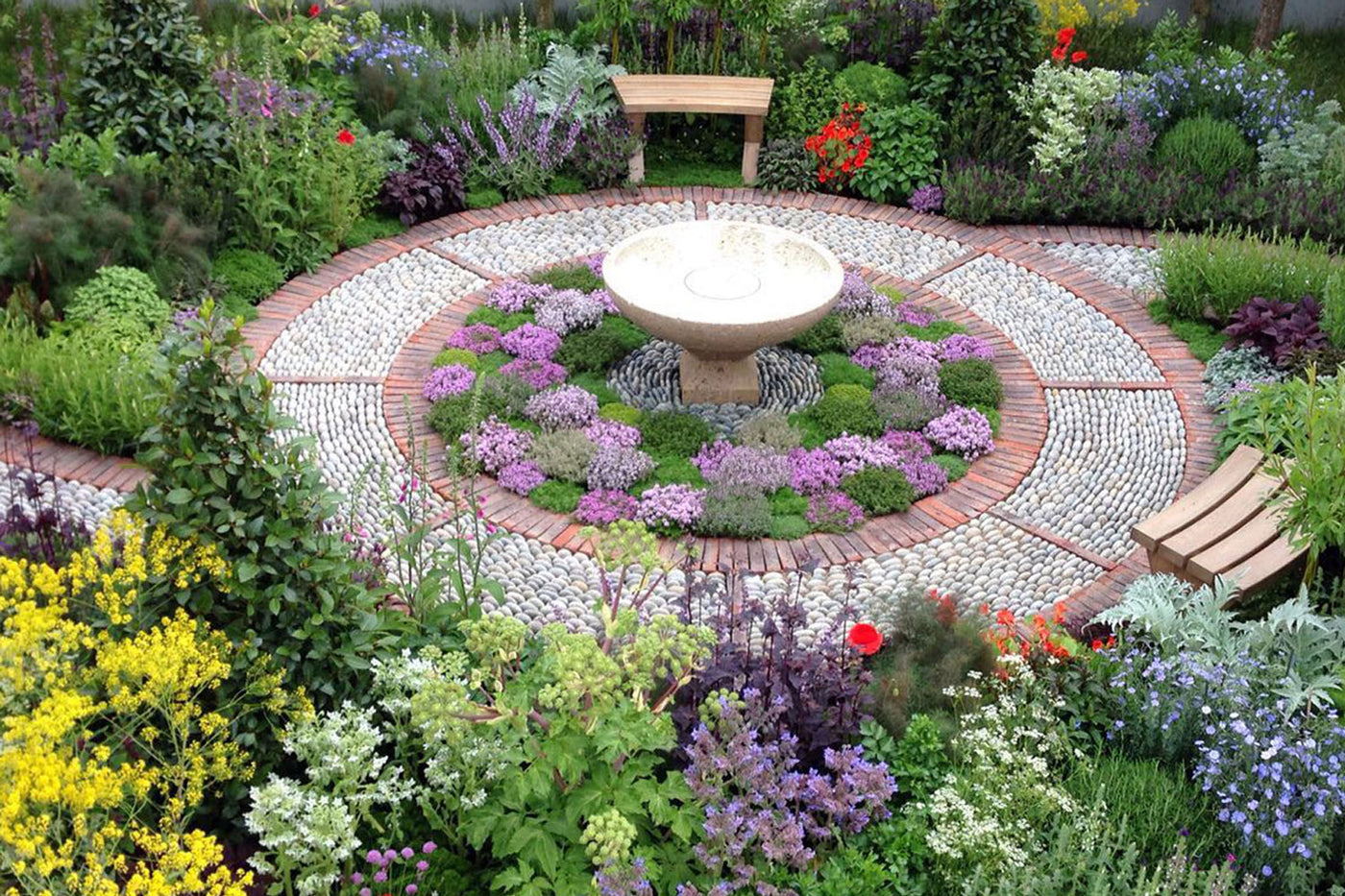
The best layout for an herb garden is one that maximizes space, sunlight, and accessibility while allowing for easy maintenance. A well-planned herb garden layout can enhance growth, improve air circulation, and make harvesting easier. Below are some essential considerations and tips for creating an effective herb garden layout.
1. Choosing the Right Location
Selecting an appropriate location is crucial for the success of your herb garden. Herbs typically require full sun, meaning they should receive at least 6-8 hours of direct sunlight daily. Here are some factors to consider:
- Sunlight Exposure: Observe your garden space throughout the day to ensure adequate sun exposure.
- Drainage: Choose a spot with good drainage to prevent waterlogging, which can harm the roots.
- Proximity to Kitchen: If possible, select a location close to your kitchen for easy access when cooking.
2. Designing the Garden Layout
When planning the layout of your herb garden, consider different styles such as raised beds, containers, or traditional in-ground planting. An effective design fosters organization and enhances the aesthetic appeal:
See also:
- Raised Beds: These offer better drainage and soil quality while also reducing bending during harvesting.
- Container Gardens: Great for limited space and allow for portability, enabling you to move herbs for optimal sunlight.
- In-Ground Gardens: Provide ample space for a variety of herbs but may require more weeding and maintenance.
3. Herb Selection and Grouping
Choosing the right herbs and grouping them appropriately can significantly impact growth and your gardening experience. Different herbs have varying water and light needs; thus, planning is essential:
- Companion Planting: Group herbs that thrive together, like basil and tomatoes, to maximize space and productivity.
- Height Variation: Position taller herbs, such as dill and fennel, towards the back or center if in a circular layout, while placing smaller herbs in front.
- Bushy versus Sprawling: Consider the growth habits of herbs. For instance, mint can spread rapidly and should be planted separately.
4. Accessibility and Maintenance
An efficient layout ensures that you can easily access all your herbs for watering, pruning, and harvesting. Ease of care plays a significant role in your herb garden’s overall success:
- Pathways: Create clear pathways between plant sections to allow easy access without trampling on other plants.
- Spacing: Allow sufficient space between plants to promote air circulation and avoid overcrowding.
- Vertical Space: Utilize vertical gardening methods with trellises or vertical planter boxes to save space and enhance growth.
5. Seasonal Considerations
Herb gardens require seasonal adaptations for optimal growth. Understanding how seasons affect your herbs helps in planning layout adjustments and care routines:
- Annual vs. Perennial Herbs: Recognize which herbs need to be replanted each season and which can thrive year after year.
- Climate Adaptations: Modify your layout based on seasonal weather patterns, such as providing windbreaks during winter.
- Harvest Timing: Plan for staggered planting to ensure continuous harvest throughout the growing season.
Do herb plants have deep roots?

Herb plants typically do not have deep roots compared to other types of plants. The root depth of herbs varies significantly based on the species, soil type, and growing conditions. Most herbs are characterized by shallow or moderately deep root systems that allow them to efficiently absorb moisture and nutrients from the top layers of the soil.
Root Depth in Common Herb Plants
The root systems of herb plants can be classified into different categories based on their growth patterns. Here are some observations regarding the root depths of commonly grown herbs:
- Basil: Generally has shallow roots, extending about 12-18 inches deep.
- Thyme: Features a more fibrous root system, typically reaching about 6-12 inches deep.
- Rosemary: Has deeper roots, which can extend up to 24 inches, providing it with drought resistance.
Factors Affecting Root Depth
Several environmental factors can influence the root depth of herb plants. Understanding these can help optimize growth conditions for your herbs:
- Soil Type: Sandy soils allow deeper growth, while clay soils may restrict root penetration.
- Water Availability: Frequent watering promotes shallow roots, while dry conditions encourage deeper root systems.
- Competition: Other plants competing for space and nutrients can influence herb root depth and overall growth.
Benefits of Shallow Root Systems
Shallow root systems in herbs provide several advantages that can contribute to their cultivation and use:
- Efficient Nutrient Uptake: Herbs can quickly absorb nutrients available in the upper soil layers.
- Rapid Growth: Shallow roots support quicker establishment and growth, making herbs fast-growing plants.
- Adaptability: Many herbs can thrive in various soil types due to their shallow roots, which provides versatility in planting.
Herbs with Deep Roots
While most herbs have shallow roots, some species develop deeper root systems, allowing them to thrive in different conditions:
- Oregano: This herb can develop a root system that reaches moderately deep, ensuring it accesses moisture below the surface.
- Mint: Though often shallow, in some conditions mint can grow deeper roots to establish itself and compete for resources.
- Fennel: Characterized by taproots that can reach significant depths, fennel allows better access to ground moisture for growth.
Root Development in Herb Cultivation
Understanding root development is crucial for effective herb cultivation. Here are some key points to consider:
- Soil Preparation: Preparing soil adequately promotes healthy root development by providing a loose structure.
- Fertilization: Appropriate fertilization helps achieve optimal nutrient levels for rooting.
- Spacing: Proper spacing between plants allows for adequate root expansion and minimizes competition.
Questions from Our Readers
What is the ideal soil depth for a herb garden?
The ideal soil depth for a herb garden typically ranges between 6 to 12 inches. This depth allows for proper root growth and ensures that the herbs have adequate nutrients and moisture to thrive.
Can short herbs grow in shallow containers?
Yes, many short herbs can successfully grow in shallow containers, as long as the container has at least 4 to 6 inches of soil depth. Herbs like chives, basil, and parsley can adapt well to these conditions while still producing flavorful foliage.
See also:
How does soil depth affect herb growth?
Soil depth significantly impacts herb growth by determining the amount of nutrients and water available to the plants. Insufficient depth may lead to root crowding or nutrient deficiencies, hindering the healthy development of herbs.
Do different herbs require different soil depths?
Yes, different herbs may require varying soil depths based on their root systems and growth habits. For instance, deep-rooted herbs like rosemary and sage benefit from deeper soil, while shallow-rooted herbs typically flourish in shallower settings.

If you want to read more articles like What is the Best Depth for a Herb Garden? Discover Ideal Soil Depths for Healthy Herbs, we recommend you check out our Herbs category.
Leave a Reply
Related Articles