How to Make a Simple Herb Garden for Beginners? A Step-by-Step Guide to Growing Fresh Herbs at Home
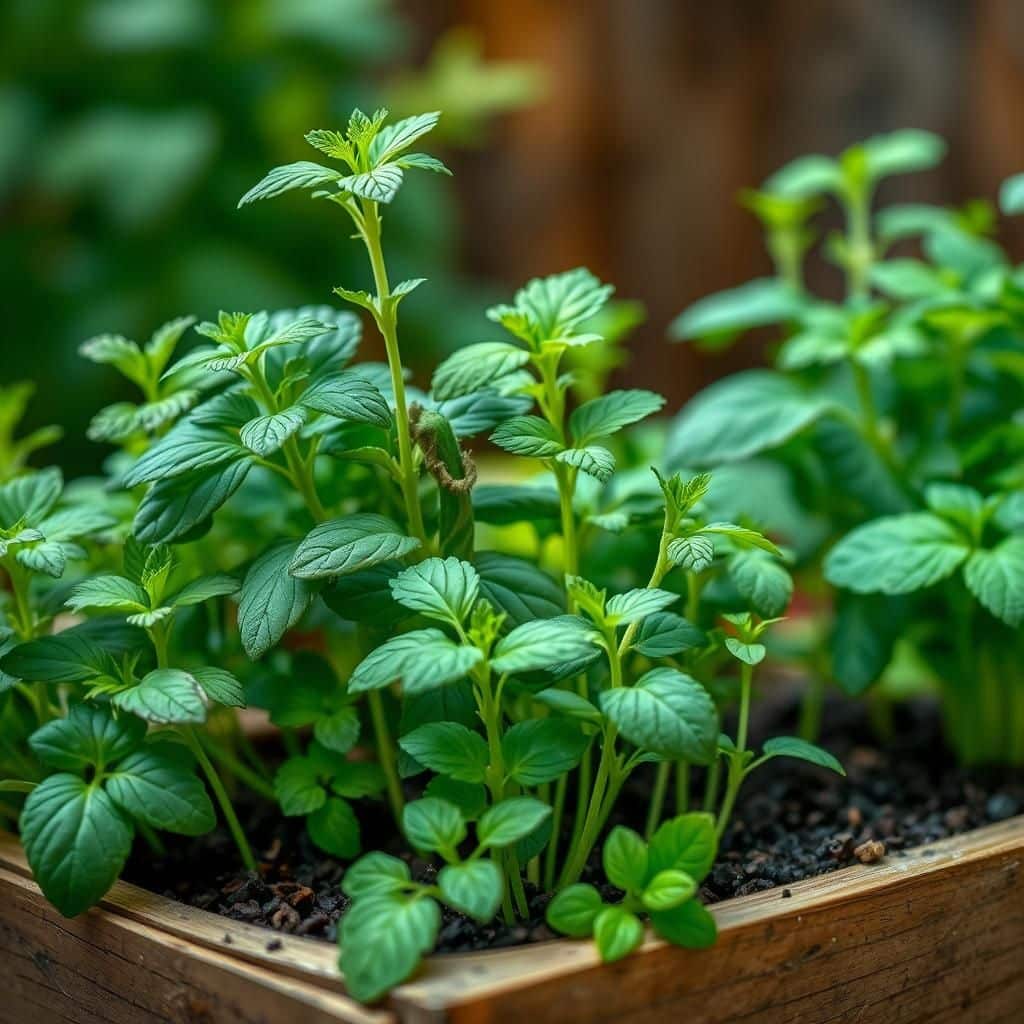
Creating a simple herb garden is an excellent way for beginners to embrace gardening and enjoy fresh flavors right from home. Herbs are not only easy to grow, but they also require minimal space and can flourish in various environments, whether indoors or outdoors. This step-by-step guide will walk you through the essential processes of starting your own herb garden, from selecting the right herbs to ensuring optimal growth conditions. By the end of this article, you'll be equipped with the knowledge and confidence to cultivate your favorite herbs, adding a delightful touch to your culinary adventures.
How to Start a Simple Herb Garden for Beginners
Creating a simple herb garden is an excellent way for beginners to dive into gardening, as it requires minimal space and supplies. Start by selecting a sunny spot in your yard or on your balcony, as most herbs thrive in full sunlight for at least six hours a day. Choose a variety of herbs based on your cooking preferences, such as basil, parsley, and rosemary. Use well-draining soil and consider raised beds or containers if your ground soil is poor. Regular watering, but not overwatering, is crucial to keep the plants healthy, and don't forget to harvest your herbs regularly to promote growth. With a bit of patience and care, you'll soon enjoy fresh herbs right from your own garden!
Choosing the Right Location
The location of your herb garden is vital for ensuring healthy growth. Herbs generally require full sunlight, so identify a spot that receives at least six hours of sunlight daily. If you have limited outdoor space, consider using a sunny windowsill or balcony for containers. Make sure the location has good air circulation to prevent fungal diseases, and avoid areas that become overly flooded after rain.
Selecting Herbs to Grow
Selecting the right herbs to grow is essential for a successful garden. Popular choices for beginners include basil, oregano, chives, parsley, and cilantro. These herbs not only thrive in gardens but also enhance various dishes. Make sure to choose herbs that you frequently use in your cooking, ensuring that your garden is both enjoyable and practical.
Preparing the Soil
Proper soil preparation is crucial for your herbs to thrive. Use well-draining soil to prevent root rot and ensure that the moisture levels are adequate. You can improve soil quality by mixing in compost or organic matter, which provides nutrients. If you're using containers, choose a potting mix designed for herbs or vegetables, as it promotes healthy growth and sustains the plants.
See also:
Watering and Care
Watering is a critical component of herbal gardening, and doing it correctly can make all the difference. Herbs typically prefer slightly dry conditions, so always check the top inch of the soil before watering. Use a drip system or water directly at the base of the plants to avoid wetting the leaves, which can lead to mold. Regular pruning and harvesting also encourage bushier growth and prevent your herbs from becoming leggy.
Harvesting Your Herbs
Harvesting your herbs encourages continued growth and ensures that you get to enjoy the fruits of your labor. Begin harvesting when the plants reach a height of 6-8 inches. Snip off leaves from the top to promote bushier growth, and avoid taking more than one-third of the plant at a time to allow for recovery. Fresh herbs can be used immediately or stored for later use, making them a versatile addition to your culinary endeavors.
| Herb | Sunlight | Watering Needs | Soil Type |
|---|---|---|---|
| Basil | Full Sun | Moderate | Well-draining |
| Parsley | Full Sun | Moderate | Loamy |
| Chives | Full Sun | Low | Well-draining |
| Oregano | Full Sun | Moderate | Well-draining |
| Cilantro | Partial Sun | Regular | Loamy |
Essential Tips for Start Your Herb Garden
Starting a herb garden can be rewarding and simple if you follow some fundamental steps. Begin by selecting a sunny location, as most herbs thrive in full sun for at least six hours a day. Choose the right containers or soil to ensure proper drainage and nutrition, and familiarize yourself with the specific needs of the herbs you wish to grow. Regular watering and attention to pests will help cultivate a thriving garden, providing you with fresh herbs for cooking and enhancing the beauty of your home environment.
Choosing the Right Herbs for Beginners
Selecting the appropriate herbs to grow is crucial for success, especially for those new to gardening. Start with easy-to-grow herbs such as basil, parsley, and chives, which are generally forgiving and adapt well to varying conditions. Consider your culinary preferences when making your choices, as having herbs that you frequently use will keep you motivated and engaged. Additionally, some herbs can be grown in containers, making them suitable for small spaces if you do not have a traditional garden.
Soil and Fertilization for Herb Gardens
The quality of the soil plays a significant role in the growth of your herbs. Use a well-draining potting mix specifically formulated for herbs or vegetables. You may also add organic matter like compost to enrich the soil and promote healthy growth. Consider using a slow-release fertilizer to provide your herbs with the necessary nutrients over time, ensuring they remain healthy and productive throughout their growing season.
See also:
Watering Techniques for Healthy Herbs
Watering is an essential part of maintaining a successful herb garden, as both over-watering and under-watering can hinder their growth. It's vital to keep the soil consistently moist but not soggy; check the top inch of soil, and if it feels dry, it’s time to water. Aim to water in the early morning or late afternoon to minimize evaporation. Using a drip irrigation system or soaker hoses can help deliver the right amount of water with minimal waste.
Sunlight Requirements for Optimal Growth
Most herbs thrive in full sunlight, necessitating at least six hours of direct light each day. Position your herb garden in a spot that avoids excessive shade from trees or structures. If you're growing herbs indoors, consider placing them near a south-facing window or using grow lights to ensure they receive adequate light. Monitoring light levels will enable your herbs to grow vibrantly and produce flavorful leaves.
Pest Management for Your Herb Garden
Keeping pests at bay is vital for the health of your herb garden. Regularly inspect your plants for signs of infestation, such as discolored leaves or visible pests. Use natural pest control methods, such as introducing beneficial insects like ladybugs or applying diluted soap solutions to deter unwanted visitors. Keeping your plants healthy through proper care also makes them more resilient against pests, allowing your garden to flourish.
Questions from Our Readers
What herbs are best for beginners?
When starting a simple herb garden, basil, parsley, thyme, and mint are excellent choices. These herbs are not only easy to grow but also versatile in the kitchen. They thrive in various conditions and can be grown in pots or directly in the ground, making them ideal for beginners.
How much sunlight do herbs need?
Herbs generally require at least 6 to 8 hours of direct sunlight each day. This bright light helps them grow strong and flavorful. If you're growing herbs indoors, consider placing them near a south-facing window or using a grow light to ensure they receive adequate sunlight.
See also:
What type of soil is best for a herb garden?
A well-draining potting mix or garden soil enriched with organic matter is best for herb gardening. Good soil ensures proper drainage, preventing root rot and providing necessary nutrients for healthy herb growth. Adding compost can further enrich the soil's quality.
How often should I water my herb garden?
It's important to keep the soil moist but not soggy. Generally, watering your herbs once or twice a week is sufficient, depending on the climate and time of year. Always check the top inch of soil; if it feels dry, it's time to water your herbs again.

If you want to read more articles like How to Make a Simple Herb Garden for Beginners? A Step-by-Step Guide to Growing Fresh Herbs at Home, we recommend you check out our Herbs category.
Leave a Reply
Related Articles