What is the King of All Herbs? Unveiling the Secrets and Benefits of Nature's Best Herb
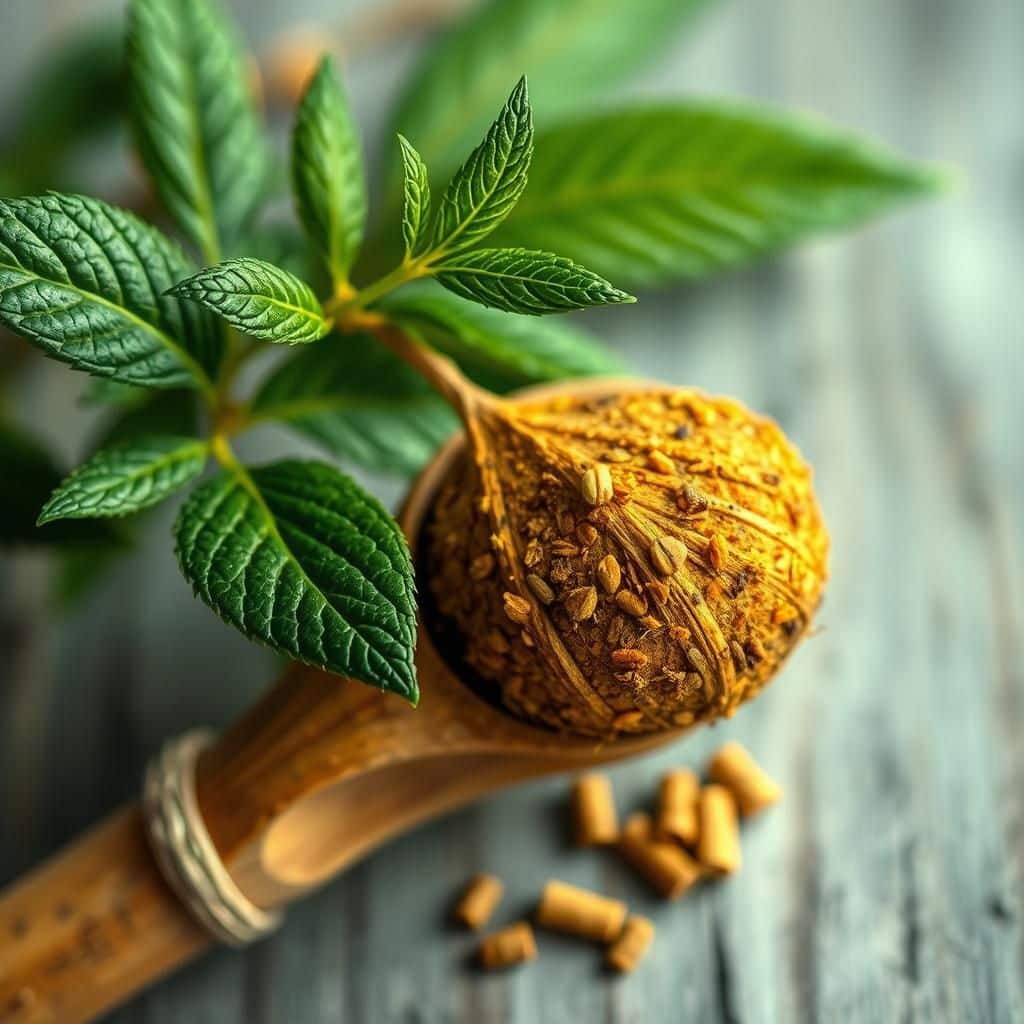
In the realm of natural healing and culinary delights, one herb stands out as the undisputed champion: basil. Often referred to as the King of All Herbs, basil boasts a rich history steeped in tradition and medicinal wisdom. From its aromatic leaves gracing Italian dishes to its therapeutic properties used in herbal medicine, this versatile plant offers a plethora of benefits. In this article, we will explore the secrets behind basil's popularity, uncover its numerous health advantages, and delve into practical ways to incorporate this remarkable herb into your daily life. Join us as we unveil the treasures of nature’s best herb.
What is the King of All Herbs?
The title King of All Herbs is often attributed to basil due to its widespread use and significance in various culinary traditions across the world. This aromatic herb is cherished not only for its flavorful contribution to dishes but also for its medicinal properties. Basil is known for its high levels of antioxidants and essential oils that can help improve overall health. It plays a pivotal role in various cuisines, particularly in Italian and Southeast Asian dishes, making it an indispensable ingredient in many kitchens. Its versatility allows it to be used fresh or dried, and it pairs well with a variety of ingredients, adding depth and complexity to meals. Furthermore, basil has cultural significance in many regions, often symbolizing love and prosperity.
Historical Significance of Basil
Basil has been used for centuries in various cultures, dating back to ancient Egypt, where it was considered sacred. The herb was used in the mummification process and as a symbol of mourning. In other parts of the world, particularly in India, basil is revered as a holy plant and is associated with the goddess Tulsi. The rich history of basil not only highlights its culinary uses but also its deep-rooted significance in spiritual practices, showcasing the herb's integral role in different societies throughout time.
Culinary Uses of Basil
Basil is a key ingredient in numerous dishes, ranging from pesto to various sauces and salads. Its sweet and aromatic flavor makes it a perfect complement to tomatoes, cheese, and seafood. Fresh basil leaves can also be used as a garnish, adding a pop of color and freshness to a dish. In addition to Italian cuisine, basil is prominent in Thai and Vietnamese cooking, where it enhances the flavors of soups, stir-fries, and salads. The culinary versatility of basil allows it to be incorporated into a wide array of cuisines, making it a true staple in kitchens around the world.
Medicinal Benefits of Basil
The health benefits of basil are noteworthy, with its high content of antioxidants, anti-inflammatory compounds, and essential oils such as eugenol, which can provide relief from various ailments. Basil is known to support digestive health, boost the immune system, and even improve mental clarity. Additionally, its potential anti-stress properties make it a popular choice in aromatherapy. The medicinal uses of basil extend beyond simple remedies, as it is often incorporated into herbal teas and tinctures, showcasing its healing potential in natural medicine.
Varieties of Basil
Basil comes in several varieties, each with its unique flavor profile and uses. The most common types include Sweet Basil, which is primarily used in Italian dishes, and Thai Basil, known for its distinct anise-like flavor that complements Southeast Asian cuisines. Other varieties such as Lemon Basil and Holy Basil (Tulsi) offer unique flavors suitable for different culinary applications. Each type brings its own set of aromas and tastes, allowing chefs and home cooks to experiment and create diverse dishes centered around this versatile herb.
Growing Basil at Home
Cultivating basil at home is a rewarding experience as it requires minimal space and can be grown in pots or gardens. This herb thrives in warm conditions and requires well-drained soil, plenty of sunlight, and moderate watering. Growing basil not only provides fresh herbs for culinary uses but also enhances any garden with its fragrant aroma. Home gardeners can harvest basil leaves as needed, encouraging continuous growth throughout the season. There are also specific care tips, such as pinching back the flowers to promote bushier growth and prevent bolting, ensuring a plentiful supply of leaves.
| Variety | Flavor Profile | Culinary Use |
|---|---|---|
| Sweet Basil | Sweet and aromatic | Italian dishes, sauces |
| Thai Basil | Anise-like flavor | Southeast Asian dishes |
| Lemon Basil | Citrusy overtones | Salads, marinades |
| Holy Basil (Tulsi) | Spicy and fragrant | Herbal teas, spiritual practices |
Which herb is called the queen of herbs?
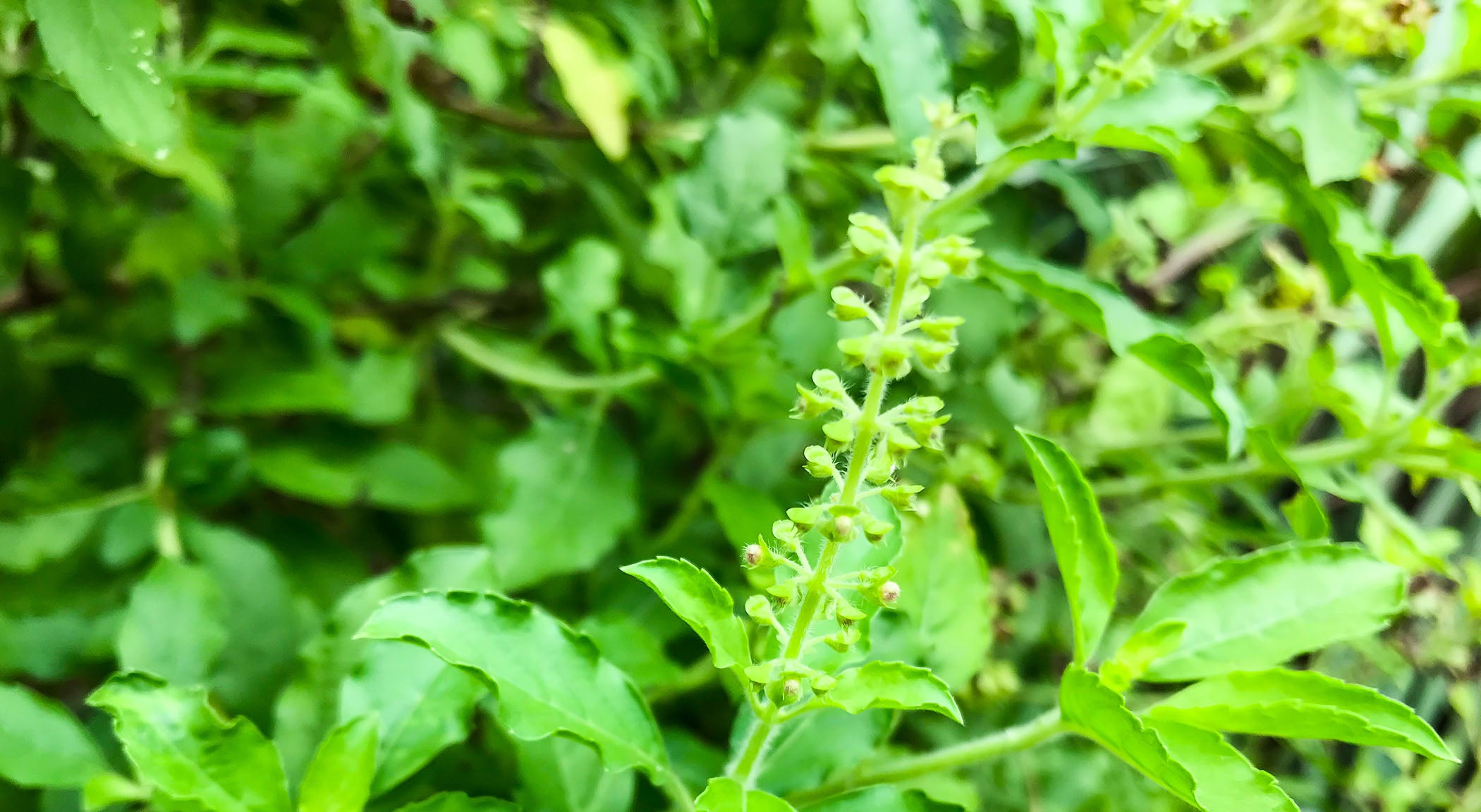
The herb commonly referred to as the queen of herbs is Tulsi, also known as holy basil (Ocimum sanctum). This revered plant has been cultivated for thousands of years and holds a significant position in Indian culture and Ayurvedic medicine.
Importance of Tulsi in Traditional Medicine
Tulsi is celebrated for its numerous therapeutic properties and is often utilized in Ayurveda, the traditional Indian system of medicine. Its holistic benefits extend to various aspects of health:
- Stress Relief: Tulsi is known to have adaptogenic properties that help the body cope with stress.
- Anti-inflammatory: It possesses anti-inflammatory compounds that can alleviate various ailments.
- Immune Support: Regular consumption of Tulsi helps boost the immune system, enhancing the body’s defense against illnesses.
Culinary Uses of Tulsi
In addition to its medicinal properties, Tulsi is widely used in culinary practices, especially in Indian cuisine. Its unique flavor adds depth to dishes and beverages.
- Herbal Tea: Tulsi leaves are commonly brewed to make a soothing herbal tea that is enjoyed for its unique taste and health benefits.
- Flavor Enhancer: Fresh or dried Tulsi leaves can be added to salads, soups, and various dishes for an aromatic flavor boost.
- Medicinal Pastes: Ground Tulsi leaves can be used in pastes for topical applications to enhance healing processes.
Cultural Significance of Tulsi
Tulsi holds a sacred place in Hindu culture, where it is revered as a symbol of purity and devotion. It is often found in homes and temples as a spiritual plant.
- Puja Rituals: Tulsi leaves are used in religious ceremonies and worship (puja) to please deities.
- Home Gardens: Many families grow Tulsi as a part of their household traditions, believing it brings prosperity and protection.
- Festivals: Tulsi is integral to many festivals and cultural practices, often celebrated for its sacredness.
Growing Tulsi
Cultivating Tulsi is relatively easy, allowing enthusiasts to enjoy its benefits fresh from home gardens. Successful growth requires attention to several factors:
See also:
- Sunlight: Tulsi thrives in plenty of sunlight, needing at least 6 hours of direct sun daily.
- Watering: Regular watering is crucial, but overwatering should be avoided to prevent root rot.
- Soil Quality: Well-draining soil enriched with nutrients enables optimal growth of this herb.
Scientific Research on Tulsi
Recent studies have begun to unveil the scientific basis for the therapeutic properties attributed to Tulsi. Research has explored its bioactive compounds and their benefits.
- Antioxidant Properties: Tulsi is rich in antioxidants, which help neutralize free radicals in the body.
- Cardiovascular Health: Some studies indicate that Tulsi may positively affect heart health by improving cholesterol levels.
- Blood Sugar Regulation: Preliminary research suggests that Tulsi may aid in managing blood sugar levels, which is beneficial for diabetic patients.
Which is the most powerful herb in the world?
:max_bytes(150000):strip_icc()/VWH_Illustration_10-Healing-Herbs-With-Medicinal-Benefits_Illustrator_Mira-Norian_Title_Final-47ce13013375448c9e8e7e8c21fb50f7.jpg)
The title of the most powerful herb in the world is subjective and can vary based on the criteria being considered. However, one herb that is frequently highlighted for its extensive medicinal properties and health benefits is ginseng. Known for its adaptogenic qualities and ability to boost energy, improve cognitive function, and support the immune system, ginseng has been used in traditional medicine for centuries.
Benefits of Ginseng
Ginseng is renowned for numerous health benefits, which can be categorized into several key areas:
- Energy Boosting: Ginseng is often used to combat fatigue and increase overall energy levels.
- Cognitive Enhancement: It is associated with improved memory, focus, and mental performance.
- Immune Support: Ginseng is known to bolster the immune system, helping the body to fight off infections.
Types of Ginseng
There are several varieties of ginseng, each with its unique properties and uses:
- Asian Ginseng (Panax ginseng): Primarily used for its invigorating qualities and is often found in traditional Chinese medicine.
- American Ginseng (Panax quinquefolius): This type is milder and is generally used for calming effects and to promote relaxation.
- Siberian Ginseng (Eleutherococcus senticosus): Though not a true ginseng, it is used to enhance endurance and support the immune system.
Ginseng in Traditional Medicine
In traditional medicine, ginseng plays a critical role and is often incorporated into various remedies:
- Herbal Teas: Ginseng is frequently made into teas for easy consumption and to harness its benefits.
- Supplements: It is available in capsule or powder form, making it accessible for daily use.
- Combination Formulas: Ginseng is often blended with other herbs to enhance its effects, such as in energy-boosting blends.
Scientific Research on Ginseng
Numerous studies have explored the effects of ginseng, revealing a wealth of information on its potential health benefits:
- Anti-inflammatory Effects: Research has indicated that ginseng can reduce inflammation in the body.
- Stress Reduction: Studies suggest that ginseng may help reduce stress and improve resilience in challenging situations.
- Blood Sugar Regulation: Some research shows that ginseng can help regulate blood sugar levels, beneficial for those with diabetes.
Safety and Side Effects of Ginseng
While ginseng is generally safe for most people, it is important to be aware of potential side effects and interactions:
- Insomnia: Some individuals may experience difficulty sleeping when taking ginseng, especially in high doses.
- Interactions with Medications: Ginseng can interact with certain medications, such as blood thinners and diabetes drugs.
- Allergic Reactions: Although rare, some people may experience allergic reactions to ginseng, requiring immediate discontinuation.
Who is the father of all herbs?
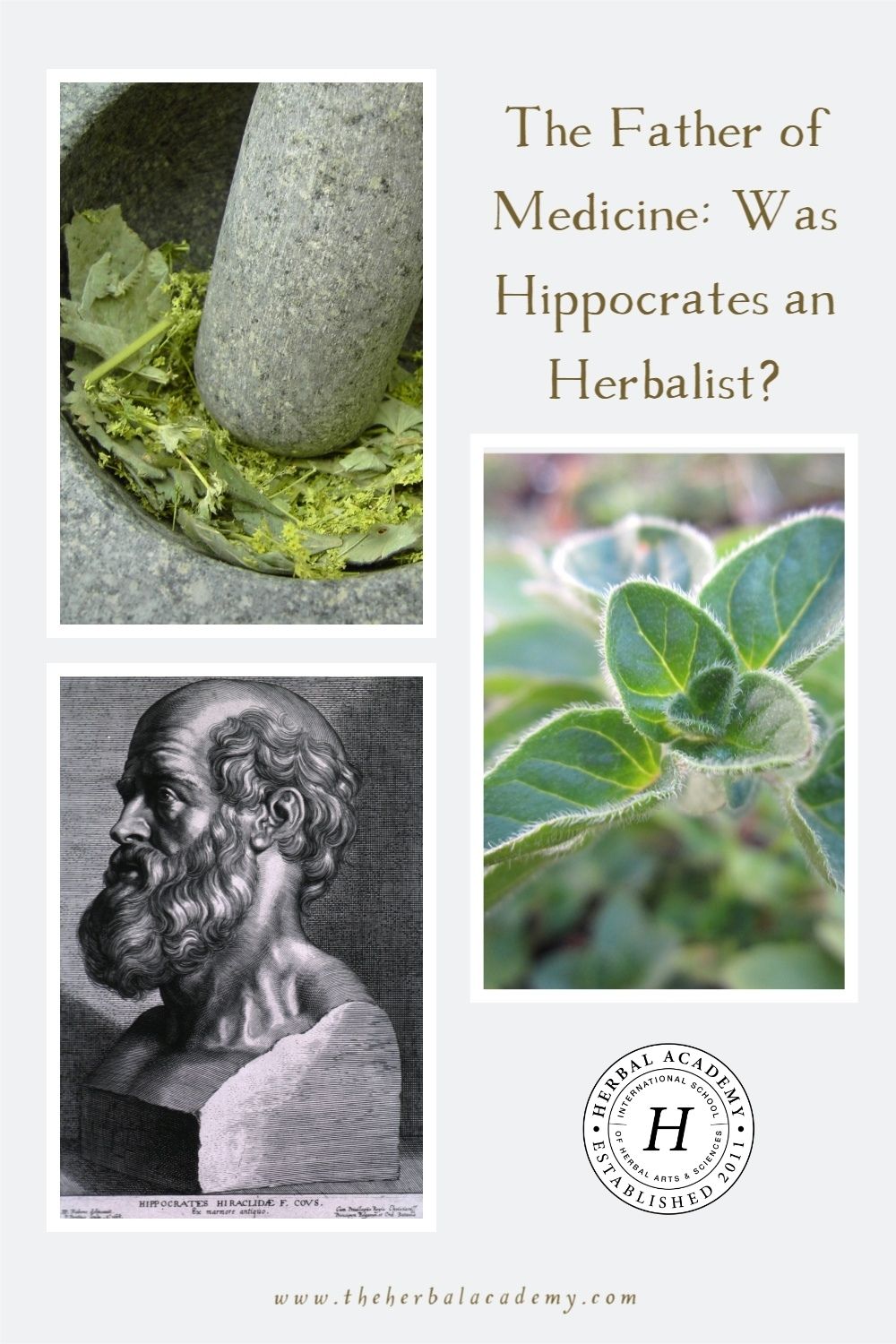
The title of the father of all herbs is often attributed to Hippocrates, the ancient Greek physician, who is known for his contributions to medicine and the conservation of natural remedies. While there is no definitive herb that holds this title universally, many people associate it with basil, due to its extensive use and historical significance in various cultures.
The Role of Hippocrates in Herbal Medicine
Hippocrates, often referred to as the Father of Medicine, emphasized the importance of natural herbal remedies in health and healing. He believed that plants played a crucial role in preventing diseases and promoting overall well-being. Hippocrates' teachings laid the groundwork for the use of herbal therapies in medicine.
- He advocated for the use of whole plants and natural treatments.
- Hippocrates' methods emphasized observation and documentation of plant effects.
- His legacy continues to influence modern herbal practices.
Historical Significance of Basil
Basil (Ocimum basilicum) is often referred to as the king of herbs and is commonly associated with the phrase father of all herbs due to its versatility and rich flavor. This herb has deep roots in several cultures, particularly in Mediterranean and Asian cuisines. Its medicinal properties are well-documented throughout history.
- Basil was used in ancient Egypt for mummification rituals.
- Its presence in Ayurvedic medicine highlights its healing benefits.
- Today, basil is known for its potential anti-inflammatory and antioxidant properties.
Common Uses of Herbs in Traditional Medicine
Herbs have been utilized in different forms of traditional medicine for thousands of years. Their applications range from culinary purposes to various therapeutic uses. Many cultures have their own father of herbs depending on their regional flora and specific beliefs.
See also:
- Herbs like sage and rosemary are used for their antiseptic properties.
- Chamomile and mint are famous for aiding digestion and relaxation.
- Many herbs are essential in homeopathy and holistic treatments.
The Modern Renaissance of Herbalism
In recent years, there has been a significant resurgence in the interest in herbal remedies. People are turning to natural alternatives in response to synthetic medications, leading to a revival of herbalism as a respected field within holistic health.
- Online resources have made herbal knowledge more accessible.
- Many practitioners now integrate herbal remedies into their treatment plans.
- Awareness of sustainability and organic farming has increased demand for natural herbs.
Herbal Safety and Regulations
As herbal medicine gains popularity, it is crucial to consider the safety and regulatory aspects of using herbs. Unlike conventional medications, herbs can vary in potency and purity, necessitating proper education and caution.
- Consulting professionals before starting herbal treatments is essential.
- Regulatory bodies are working to create standards for herbal products.
- Potential interactions with pharmaceuticals must be researched and monitored.
What plant is the king of herbs?
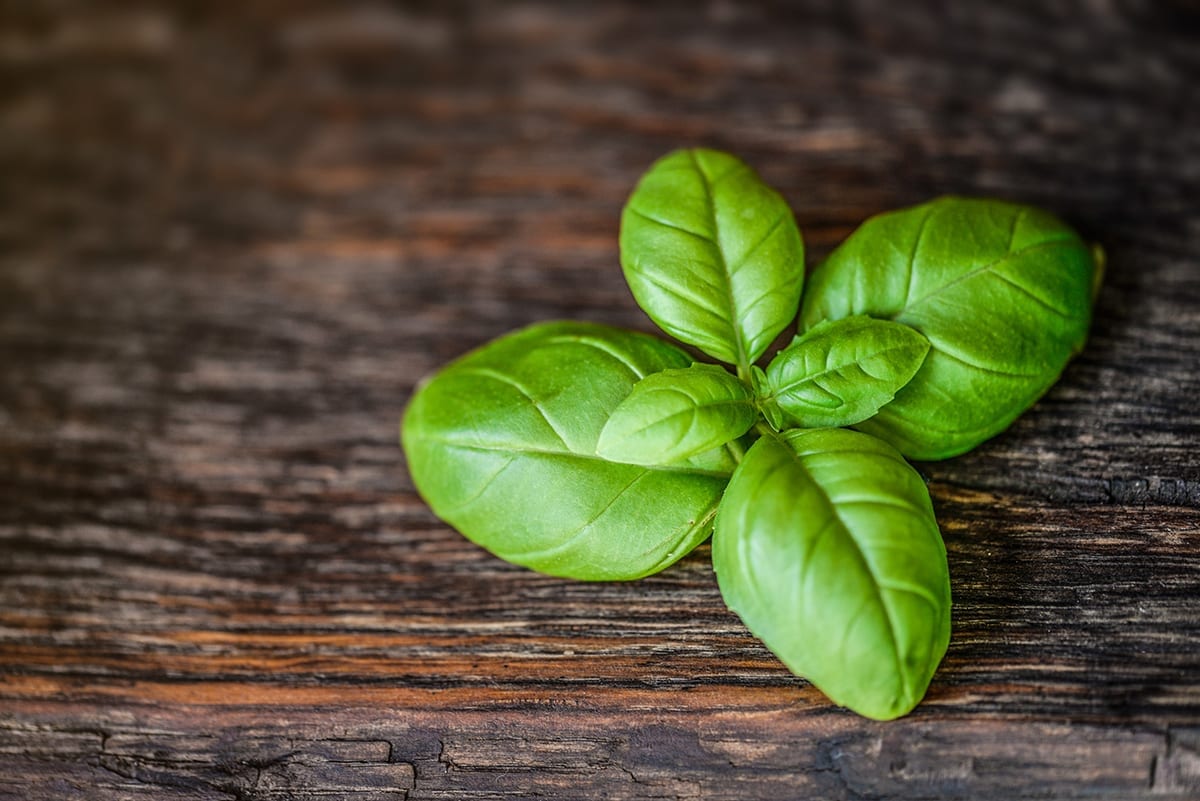
The plant often referred to as the king of herbs is Holy Basil, scientifically known as Ocimum sanctum or Ocimum tenuiflorum. This sacred plant, revered in traditional medicine systems, particularly in Ayurveda, is celebrated for its numerous health benefits and holistic healing properties.
Health Benefits of Holy Basil
Holy Basil is renowned for its impressive range of health benefits, making it a staple in herbal remedies. Its rich profile of phytochemicals includes antioxidants and anti-inflammatory compounds.
- Stress Reduction: Holy Basil is known to reduce stress and anxiety levels by balancing cortisol levels in the body.
- Anti-Inflammatory: The herb possesses anti-inflammatory properties that can help alleviate various inflammatory conditions.
- Antimicrobial: Holy Basil has been shown to have antimicrobial effects, effective against pathogens that can cause infection.
Usage in Traditional Medicine
In traditional medicine, Holy Basil has been utilized for centuries. Its applications are vast and diverse, ranging from treating common ailments to enhancing overall well-being.
- Respiratory Health: It is commonly used to improve respiratory function and treat conditions like bronchitis and asthma.
- Disease Prevention: Regular consumption can aid in the prevention of various diseases due to its rich nutrient content.
- Digestive Aid: Holy Basil is known to enhance digestion and relieve gastrointestinal disturbances.
Propagation and Cultivation
Cultivating Holy Basil is relatively simple, allowing it to flourish in various environments. Its cultivation requires certain conditions to thrive effectively.
- Soil Requirements: Holy Basil prefers well-drained, nutrient-rich soil to ensure healthy growth.
- Sunlight Needs: The plant thrives in full sunlight; thus, adequate light is crucial for optimal development.
- Watering Schedule: Regular watering is important, but overwatering should be avoided to prevent root rot.
Spiritual Significance
In addition to its physical benefits, Holy Basil holds deep spiritual significance within various cultures, especially in Hinduism.
- Sacred Status: Holy Basil is often worshipped and regarded as a sacred plant, representing purity and fidelity.
- Ritual Use: It is commonly used in religious rituals and ceremonies to promote spiritual well-being.
- Symbol of Love: In many cultures, it symbolizes love and devotion, often planted in homes for protection and blessings.
Modern Research and Studies
Current scientific studies are exploring the extensive health benefits of Holy Basil, with findings supporting its traditional uses.
- Clinical Trials: Several clinical trials investigate the efficacy of Holy Basil in treating stress and anxiety disorders.
- Phytochemical Analysis: Researchers are examining the various phytochemicals present in Holy Basil and their potential health impacts.
- Comparative Studies: Studies comparing Holy Basil with other herbs highlight its unique benefits and effectiveness in holistic health.
Questions from Our Readers
What is the king of all herbs?
The term king of all herbs is often used to refer to basil due to its diverse uses and benefits in cooking and traditional medicine. Known for its aromatic leaves, basil is a staple in many cuisines and is celebrated for its ability to enhance flavor and aroma in a variety of dishes.
Why is basil considered the king of herbs?
Basil is considered the king of herbs because of its rich flavor profile and numerous health benefits. It contains essential oils and compounds that are known to provide antioxidant and anti-inflammatory properties, making it a favored choice in both culinary and medicinal practices.
Are there other contenders for the title of king of herbs?
Yes, while basil is widely regarded as the king, other herbs like oregano, sage, and parsley also have significant culinary and health benefits. Each herb has its unique characteristics, but basil often stands out for its broad range of applications in various cuisines around the world.
How can I use basil in cooking?
Basil can be used in a variety of ways in cooking, including fresh in salads, as a seasoning in sauces, or to enhance the flavors of pasta and pizza. Its strong flavor pairs well with tomatoes, making it a key ingredient in dishes like pesto and caprese salad.
See also:

If you want to read more articles like What is the King of All Herbs? Unveiling the Secrets and Benefits of Nature's Best Herb, we recommend you check out our Herbs category.
Leave a Reply
Related Articles