What is the Mother of All Herbs? Discover Its Benefits and Uses
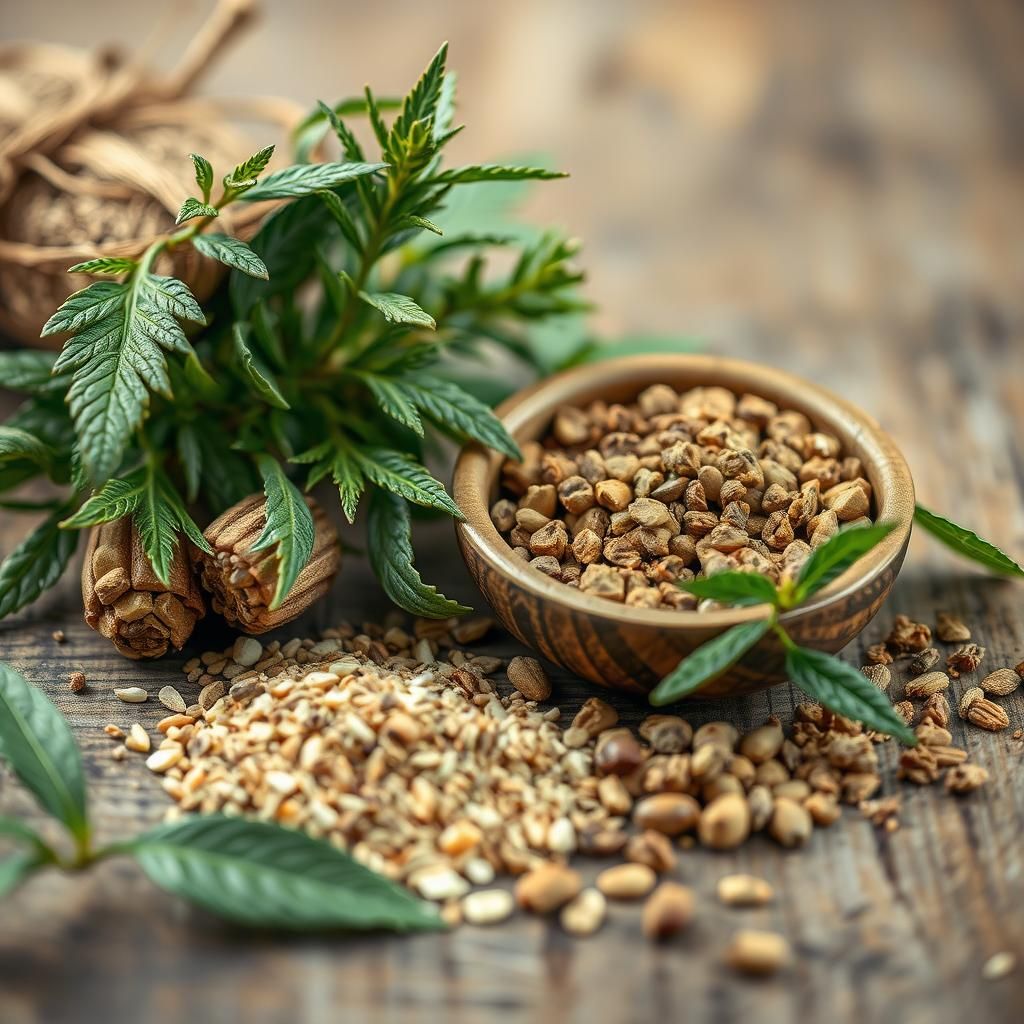
In the world of herbal remedies, one plant stands out as a true powerhouse: the Mother of All Herbs. Often revered for its exceptional medicinal properties, this remarkable herb has been utilized for centuries across various cultures. Its ability to promote health and wellness has garnered the attention of herbalists and health enthusiasts alike. In this article, we will explore the origins, benefits, and diverse uses of the Mother of All Herbs, shedding light on why it is considered a cornerstone in natural healing practices. Join us as we uncover the secrets of this extraordinary botanical wonder.
What is the Mother of All Herbs?
The term Mother of All Herbs is often attributed to Ashwagandha, a staple in traditional Ayurvedic medicine. Renowned for its adaptogenic properties, Ashwagandha is prized for its ability to help the body manage stress and promote overall well-being. This herb, scientifically known as Withania somnifera, has been used for centuries to enhance vitality, improve mental clarity, and support the immune system. Its therapeutic potential is extensive, making it a central figure in holistic health practices, where it is celebrated not only for its physical benefits but also for its ability to balance the body's energy and restore harmony.
History of Ashwagandha
Ashwagandha, often referred to as Indian ginseng, has been a key part of Ayurvedic tradition for over 3,000 years. Its name, derived from the Sanskrit words ashva (horse) and gandha (smell), signifies the strength and vitality it is believed to confer, akin to that of a horse. Ancient texts highlight its use as a tonic for strength, endurance, and mental clarity, making it a revered herb throughout Indian history. The historical significance of Ashwagandha reflects not only its medicinal uses but also its cultural importance in promoting holistic health practices.
Health Benefits of Ashwagandha
Ashwagandha is renowned for its myriad of health benefits, primarily attributed to its adaptogenic qualities. It helps the body adapt to stress, thereby minimizing the negative effects on mental and physical health. Numerous studies have shown that it can reduce symptoms of anxiety and depression, improve cognitive function, and enhance athletic performance. Additionally, Ashwagandha is beneficial for boosting fertility and testosterone levels in men, and it promotes physical endurance, making it a popular choice for athletes and those seeking to improve their fitness levels.
How to Use Ashwagandha
Ashwagandha can be consumed in various forms, including powders, capsules, and teas. The most common method is to take it in powdered form, which can be mixed with milk, water, or smoothies. The typical dosage for adults ranges from 300–500 mg of an extract standardized to contain a certain percentage of withanolides, the active compounds. It is generally advised to start with a lower dose and gradually increase it to gauge individual tolerance and effects. Regular intake is recommended to achieve optimal results, allowing the herb's benefits to accumulate over time.
Scientific Research on Ashwagandha
Recent scientific studies have begun to validate many of the traditional claims made about Ashwagandha. Research indicates that it decreases levels of the stress hormone cortisol and has a significant impact on reducing stress and anxiety levels in individuals. Several clinical trials have shown improvements in cognitive function and memory among participants, affirming the herb's potential neuroprotective effects. The accumulation of evidence in favor of Ashwagandha underscores its growing prominence in the field of herbal medicine and its role as a natural remedy for modern ailments.
Potential Side Effects and Precautions
While Ashwagandha is generally considered safe for most individuals, it is essential to be aware of potential side effects, including gastrointestinal discomfort and drowsiness. Pregnant or nursing women and those with certain health conditions should consult healthcare professionals before starting any new herbal regimen. Interactions with medications, especially those affecting the central nervous system or blood sugar levels, may occur, rendering it critical to discuss usage with a healthcare provider to minimize risks and ensure safe consumption.
| Benefit | Effect |
|---|---|
| Stress Reduction | Decreases cortisol levels |
| Anxiety Relief | Improves mood stability |
| Enhanced Cognitive Function | Improves memory and focus |
| Physical Endurance | Increases stamina and performance |
| Hormonal Balance | Boosts testosterone levels |
Which plant is known as the Mother of Herbs?
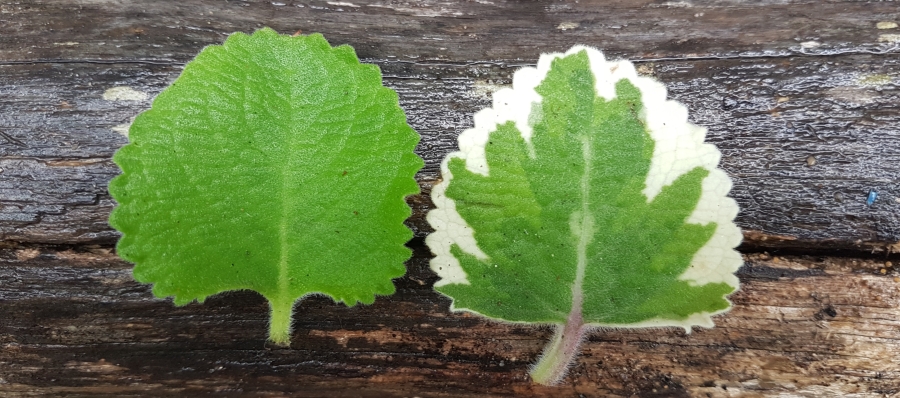
The plant known as the Mother of Herbs is Holy Basil, scientifically referred to as Ocimum sanctum or Ocimum tenuiflorum. This revered plant, belonging to the mint family, is native to the Indian subcontinent and is widely used in traditional medicine, culinary applications, and spiritual practices. Holy Basil is celebrated for its numerous health benefits, and its various parts—leaves, seeds, and stems—are utilized in different forms, such as teas, extracts, and powders.
Health Benefits of Holy Basil
Holy Basil is renowned for its rich array of medicinal properties. It is believed to offer the following health benefits:
- Anti-inflammatory Properties: It helps reduce inflammation in the body, which can alleviate pain and improve overall health.
- Stress Relief: The adaptogenic properties of Holy Basil help the body cope with stress and promote a sense of calm.
- Boosts Immunity: Regular consumption can enhance the immune system, making it more resilient to infections.
Culinary Uses of Holy Basil
In culinary applications, Holy Basil serves as a flavorful ingredient in various dishes. Its unique taste adds depth to recipes:
- Flavoring Agent: Used in dishes such as soups and stir-fries, it imparts a distinct peppery flavor.
- Tea: Holy Basil leaves are commonly brewed into herbal teas, known for their soothing properties.
- Garnish: Fresh Holy Basil leaves are often used as a garnish to enhance the presentation and flavor of dishes.
Spiritual Significance of Holy Basil
Holy Basil holds a significant place in spiritual practices, particularly in Hinduism:
- Sacred Plant: Known as Tulsi, it is considered a holy plant that brings purity and is often worshipped in Hindu households.
- Ritual Uses: Tulsi leaves are used in various rituals and religious ceremonies to purify the environment.
- Symbol of Love and Devotion: Holy Basil represents love and devotion, often associated with the goddess Lakshmi.
Growing Holy Basil
Cultivating Holy Basil can be a rewarding experience. It is relatively easy to grow:
See also:
- Ideal Conditions: Holy Basil thrives in warm, sunny environments with well-draining soil.
- Watering: Regular watering is important, but overwatering should be avoided to prevent root rot.
- Harvesting: Leaves can be harvested throughout the growing season, promoting bushier growth.
Comparisons with Other Herbs
Holy Basil is often compared with other herbs due to its unique properties:
- Vs. Regular Basil: While both belong to the same family, Holy Basil has a stronger flavor and distinct medicinal uses.
- Vs. Mint: Unlike mint, which is primarily used for its refreshing taste, Holy Basil focuses more on health benefits.
- Vs. Thyme: Thyme is used mainly in cooking, whereas Holy Basil integrates both culinary and medicinal applications.
What is the herb mother?
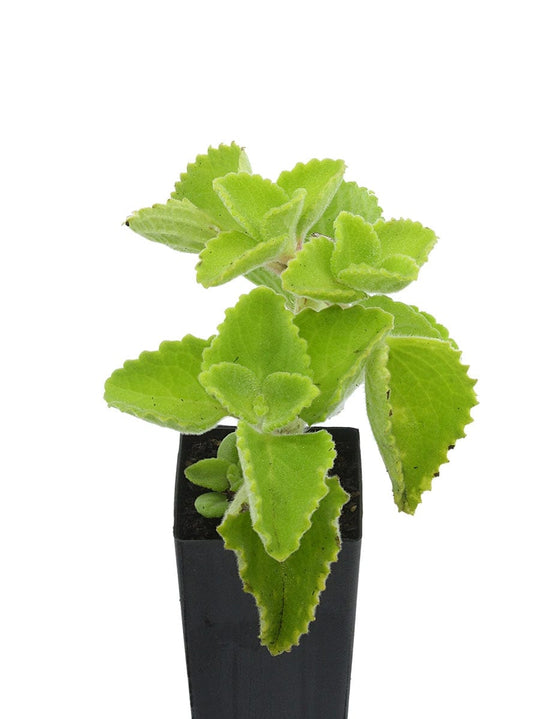
The term mother herb typically refers to a variety of herbs that are considered foundational or primary in the context of herbal medicine or traditional practices. These herbs are often recognized for their potent properties and are used to produce a range of remedies that support health and well-being. The concept of the mother herb is prevalent in several cultures, where specific plants are revered for their historical use in healing and health maintenance.
Historical Significance of Mother Herbs
The historical significance of mother herbs can be traced back through various ancient cultures that utilized them for their health benefits.
- Many traditional medicines such as Ayurveda and Traditional Chinese Medicine emphasize the use of these foundational herbs.
- These herbs often symbolize the connection between nature and healing, embodying a natural approach to health.
- They are frequently mentioned in ancient texts, emphasizing their longstanding importance in healing practices.
Common Examples of Mother Herbs
There are several herbs commonly recognized as mother herbs across different cultures, each with unique properties and uses.
- Ginger: Known for its digestive and anti-inflammatory benefits.
- Turmeric: Frequently used for its anti-inflammatory and antioxidant properties.
- Garlic: Valued for its ability to boost immune function and cardiovascular health.
Medicinal Properties of Mother Herbs
Mother herbs are renowned for their medicinal properties, which can vary greatly depending on the specific herb.
- Many possess antioxidant properties that help combat free radicals in the body.
- They can also have antimicrobial effects, aiding in the prevention of infections.
- Some mother herbs are known to support specific bodily functions, such as digestion or circulation.
Applications in Modern Herbalism
In contemporary herbalism, mother herbs continue to play a vital role in the formulation of various health products and remedies.
- They are often used in tinctures and extracts that capture their essence for easier consumption.
- Mother herbs frequently serve as the base for formulations in herbal teas and dietary supplements.
- Their properties are increasingly recognized in the wellness industry, prompting further research into their benefits.
Growing and Medicinal Use of Mother Herbs
Growing mother herbs can be both a rewarding and beneficial practice for those interested in herbal medicine.
- Many mother herbs are relatively easy to grow in domestic gardens, promoting sustainability and self-sufficiency.
- They can be harvested and prepared for various medicinal uses, from teas to poultices.
- Gardening these herbs fosters a deeper understanding of their properties and uses, enhancing the herbal practitioner's knowledge.
Which herb is called the queen of herbs?
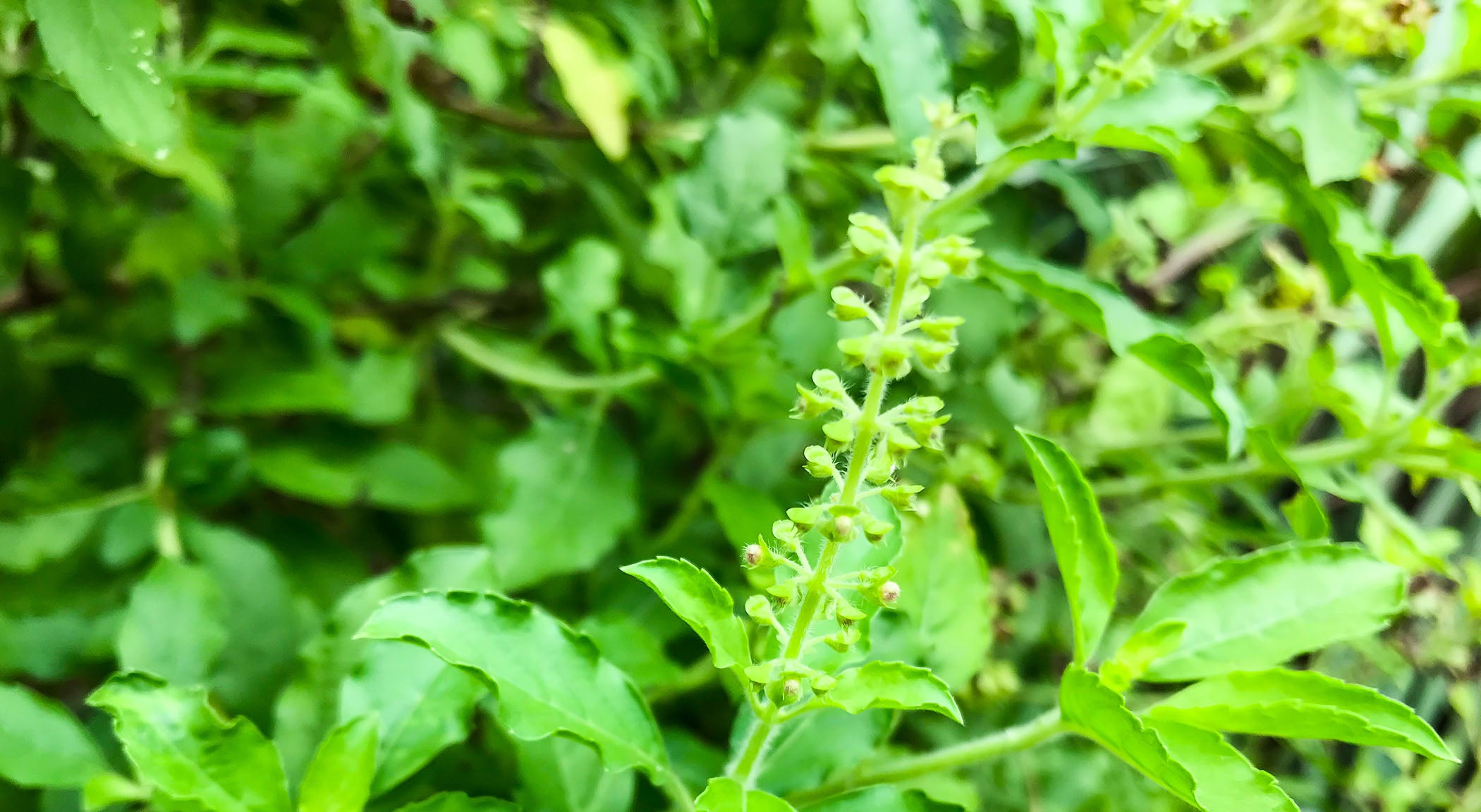
The herb commonly referred to as the queen of herbs is Basil, particularly the variety known as Holy Basil or Tulsi. This aromatic herb has been revered for centuries in traditional medicine and culinary practices, especially in Asia. Its scientific name is Ocimum sanctum, and it belongs to the mint family. Its significance goes beyond culinary uses; it is celebrated for its wide range of health benefits, spiritual importance, and rich flavor profile.
Health Benefits of Holy Basil
Holy Basil is known for its numerous health benefits. It is often used in Ayurvedic medicine for its adaptogenic properties, which help the body cope with stress. Some key benefits include:
- Anti-inflammatory properties: Reduces inflammation in the body.
- Immune system support: Boosts immunity and fights infections.
- Stress relief: Helps alleviate anxiety and enhance mental clarity.
Culinary Uses of Basil
Basil is a staple in many dishes, cherished for its flavor and versatility. It can be used in various cuisines, especially Italian, Thai, and Indian. The culinary applications include:
- Fresh salads: Adds freshness and aroma to green salads.
- Pesto: The main ingredient in traditional pesto sauce.
- Garnishing: Commonly used as a garnish for soups and pizzas.
Cultural and Spiritual Significance
In many cultures, especially in India, Holy Basil holds a sacred position. It is often associated with spiritual practices and rituals. The cultural significance includes:
See also:
- Religious ceremonies: Used in Hindu rituals and worship.
- Symbol of purity: Considered a symbol of purity and family well-being.
- Medicinal plant: Treated as a holy plant with protective qualities.
Growing Basil at Home
Growing basil at home can be rewarding, both for its culinary value and its beauty in a garden. It requires specific conditions to thrive:
- Sunlight: Basil needs at least 6 hours of sunlight daily.
- Soil quality: Prefers well-drained, nutrient-rich soil.
- Watering: Should be watered regularly but not overwatered.
Varieties of Basil
There are various varieties of basil, each with distinct flavors and uses. Some popular types include:
- Sweet Basil: Commonly used in Italian cuisine.
- Thai Basil: Has a distinct anise flavor, ideal for Asian dishes.
- Genovese Basil: Highly aromatic, famous for making pesto.
What is the king of all Herbs?

The title of the king of all herbs is often attributed to Basil. This popular herb, belonging to the mint family, is renowned for its aromatic leaves and numerous health benefits. Basil plays a crucial role in various culinary traditions, particularly in Italian and Southeast Asian cuisines. Its rich flavor profile ranges from sweet to slightly peppery, making it a versatile ingredient in numerous dishes.
Basil's Culinary Uses
Basil is celebrated for its unique flavor, which enhances a wide array of dishes. It is most commonly used in:
- Pesto: A traditional Italian sauce made from fresh basil leaves, garlic, pine nuts, parmesan cheese, and olive oil.
- Caprese Salad: A simple salad featuring fresh mozzarella, tomatoes, and basil, drizzled with balsamic vinegar.
- Thai Cuisine: Essential in many Thai dishes, especially in stir-fries and curries, where Thai basil adds a distinct flavor.
Health Benefits of Basil
Basil is not only a culinary delight but also a powerhouse of nutrients. Some of its notable health benefits include:
- Anti-inflammatory Properties: Basil contains compounds that reduce inflammation in the body.
- Rich in Antioxidants: It helps combat oxidative stress, protecting cells from damage.
- Supports Digestive Health: Basil aids in digestion and can help alleviate stomach issues.
Varieties of Basil
There are several varieties of basil, each having distinct flavors and uses. Some popular types include:
- Sweet Basil: The most common variety, widely used in Italian dishes.
- Thai Basil: Has a stronger flavor and is essential in many Southeast Asian recipes.
- Genovese Basil: Known for its robust flavor, particularly used in classic pesto recipes.
Growing Basil at Home
Basil is a relatively easy herb to grow, making it ideal for home gardeners. Here are some tips for successful cultivation:
- Choose the Right Environment: Basil thrives in warm, sunny spots with well-drained soil.
- Regular Watering: Keep the soil consistently moist but not waterlogged.
- Pinch Off Flowers: To promote leaf growth, regularly pinch off any flower buds that appear.
Preserving Basil
To enjoy basil year-round, preservation methods are essential. Here are effective techniques to keep basil fresh:
- Freezing: Chop fresh basil and mix it with olive oil before freezing in ice cube trays.
- Drying: Air drying or using a food dehydrator can help retain basil’s flavor for later use.
- Pesto Storage: Prepare pesto and freeze it in small portions for easy use in the future.
Questions from Our Readers
What is the mother of all herbs?
The term mother of all herbs commonly refers to ashwagandha, a powerful adaptogenic herb used in traditional Ayurvedic medicine. It is known for its ability to help the body manage stress, enhance energy levels, and support overall well-being.
What are the benefits of the mother of all herbs?
The mother of all herbs, or ashwagandha, offers numerous benefits including reduced stress and anxiety, improved cognitive function, enhanced physical performance, and better sleep quality. Its adaptogenic properties make it a valuable addition to a health-conscious lifestyle.
How can I incorporate the mother of all herbs into my diet?
You can incorporate the mother of all herbs, ashwagandha, into your diet by taking it in powdered form, capsules, or as a tea. Adding the powder to smoothies, yogurt, or oatmeal is an easy way to include it in your daily routine.
Are there any side effects of using the mother of all herbs?
While ashwagandha is generally considered safe for most people, some may experience side effects such as gastrointestinal upset, diarrhea, or drowsiness. It's always best to consult a healthcare professional before starting any new herbal supplement.
See also:

If you want to read more articles like What is the Mother of All Herbs? Discover Its Benefits and Uses, we recommend you check out our Herbs category.
Leave a Reply
Related Articles