What Herbs Cannot Be Planted Next to Each Other? - A Guide to Companion Planting

Companion planting is a crucial practice for gardeners looking to maximize their harvests while minimizing pest issues. However, not all herbs can coexist peacefully in the garden. Certain herbs can inhibit the growth of others, leading to subpar yields and diminished flavor. Understanding which herbs should not be planted next to each other is essential for creating a harmonious garden environment. This guide will explore the incompatible herb pairings, revealing the reasons behind their conflicts and offering practical advice on how to design a thriving garden through effective companion planting strategies.
What Herbs Should Not Be Planted Together?
When planning an herb garden, it is crucial to understand that certain herbs may have negative interactions when planted in close proximity. This can stem from various factors, such as allelopathy, where one plant releases chemicals that inhibit the growth of another, or competition for nutrients and space. For example, mint should not be planted near parsley or basil, as it tends to overpower them. Similarly, rosemary is best kept away from sage and thyme, as they may compete for moisture in the soil. Understanding these relationships can foster a more productive and healthier garden.
Mint's Competitive Nature
Mint is known for its aggressive growth, which can overshadow other herbs if planted nearby. This herb requires a lot of nutrients and moisture, hence it's often best to plant it in a separate container or to place it far from other herbs like basil and parsley that may struggle for resources.
Rosemary and Its Soil Preferences
Rosemary thrives in well-drained soil and dry conditions, which can be detrimental to herbs that prefer more moisture, such as basil or coriander. Planting rosemary in the same vicinity could inadvertently lead to overwatering issues, impairing the growth of other herbs and leading to disease.
The Allelopathic Effects of Sage
Sage can release compounds that inhibit the growth of nearby plants. When planted next to certain herbs such as mint or basil, the chemical release can stunt their growth and interfere with their flavor development. Therefore, it's advisable to space these items appropriately in a garden setup.
Thyme and Basil Compatibility
Thyme is generally more suited to dryer environments, while basil prefers more moisture-rich conditions. When grown together, thyme may thrive while basil experiences stress, leading to inconsistent and less favorable growth. It's best to group these herbs according to their specific watering needs.
Understanding Herb Spacing
Proper spacing is key when planting herbs. Many do well with companions, but those that require opposite conditions can ruin the garden's potential. For instance, if you plant cilantro near dill, their contrasting water and nutrient requirements can lead to poor health for both. A thoughtful layout is essential to ensure each herb can flourish.
| Herb | Incompatible Neighbors |
|---|---|
| Mint | Parsley, Basil |
| Rosemary | Basil, Coriander |
| Sage | Mint, Basil |
| Thyme | Basil |
| Cilantro | Dill |
What herbs should I not plant next to each other?

When planning an herb garden, it’s essential to consider the compatibility of different plants, as some herbs can hinder each other's growth when planted close together. Here are some herbs that you should avoid planting next to one another:
1. Basil and Sage
Basil and sage are two popular herbs, but their growth habits can clash. Basil thrives in moist and nutrient-rich soil, while sage prefers drier conditions. Planting them together may lead to inadequate water and nutrient levels for either plant.
- Basil loves moisture.
- Sage prefers drier conditions.
- Planting them together can hinder their growth.
2. Mint and Basil
While both mint and basil are aromatic herbs, they have very different growth patterns. Mint is known for its invasive nature, which can overtake basil plants, leading to competition for nutrients and space. This can stress basil and negatively impact its flavor.
- Mint grows rapidly and can be invasive.
- Basil may struggle to thrive in these conditions.
- It's best to keep them separated.
3. Cilantro and Fennel
Cilantro and fennel should also be kept apart, as fennel is known to produce chemicals that inhibit the growth of cilantro. These chemicals can prevent cilantro from reaching its full potential and may even lead to poor yields.
- Fennel releases growth-inhibiting chemicals.
- Cilantro may not thrive in proximity.
- Separate planting can enhance yields.
4. Dill and Caraway
Dill and caraway can cross-pollinate, leading to changes in their distinct flavors. While not particularly detrimental to growth, it's best to avoid planting these two herbs together if you want to maintain their unique tastes and characteristics.
See also:
- Dill can cross-pollinate with caraway.
- This may alter flavors in both herbs.
- Keeping them apart ensures unique characteristics.
5. Rosemary and Basil
Rosemary and basil may not grow well together due to their watering needs. Rosemary prefers very dry conditions compared to basil, which thrives in moist soil. Mixing these two can lead to poor health for both plants as they cannot adapt to each other’s preferred environments.
- Rosemary requires dry growing conditions.
- Basil thrives in more moist soil.
- Planting them together can lead to stress.
What herbs should not be next to each other?
When planning a herb garden, it's crucial to understand that not all herbs thrive when planted near each other. Some herbs can inhibit the growth of others due to competing for nutrients, or they may attract pests that could harm neighboring plants. Here is a detailed look at some common herbs that should not be planted next to each other.
Basil
Basil should not be planted near coriander and sage. These herbs can compete with basil's growth and negatively impact its flavor. Basil thrives best in full sun and well-draining soil, so when planted with herbs that have similar water and nutrient needs, it may flourish.
- Coriander: This herb can stunt basil's growth.
- Sage: Competes for the same nutrients.
- Mint: Overgrows and may overshadow basil.
Mint
Mint is known for its vigorous growth, which can be detrimental when planted near rosemary, thyme, and cilantro. The aggressive nature of mint can lead to overcrowding and nutrient depletion for its neighboring herbs.
- Rosemary: Needs dryer soil conditions and may be outcompeted.
- Thyme: Favors drier, rockier soil, and mint's moisture needs can harm it.
- Cilantro: Mint can overshadow cilantro during its growth phase.
Rosemary
Rosemary prefers well-drained soil and dry conditions, making it incompatible with herbs like basil and chives. These herbs are happier in wetter environments, which can lead to fungal issues for rosemary.
- Basil: Thrives in moist conditions, which can harm rosemary.
- Chives: Enjoys more water, competing negatively with rosemary.
- Oregano: Although they have similar needs, rosemary's unique requirements can be stressed.
Thyme
Thyme should not be grouped with basil, oregano, or marjoram. While they share similar requirements, thyme's preference for dry conditions can lead to competition and mold issues if overwatered neighbors are present.
- Basil: Needs more moisture than thyme can handle.
- Oregano: Similar soil preferences but can lead to root issues.
- Marjoram: Softens growth with excess moisture, which impacts thyme.
Cilantro
Cilantro is best kept away from herbs like mint, basil, and parsley. The strong growth of these herbs can overshadow cilantro, limiting its access to sunlight and growing space.
- Mint: Extremely invasive and competes aggressively.
- Basil: Can overshadow cilantro and limit access to light.
- Parsley: Both prefer moisture, leading to potential nutrient competition.
What herbs can you not put together?
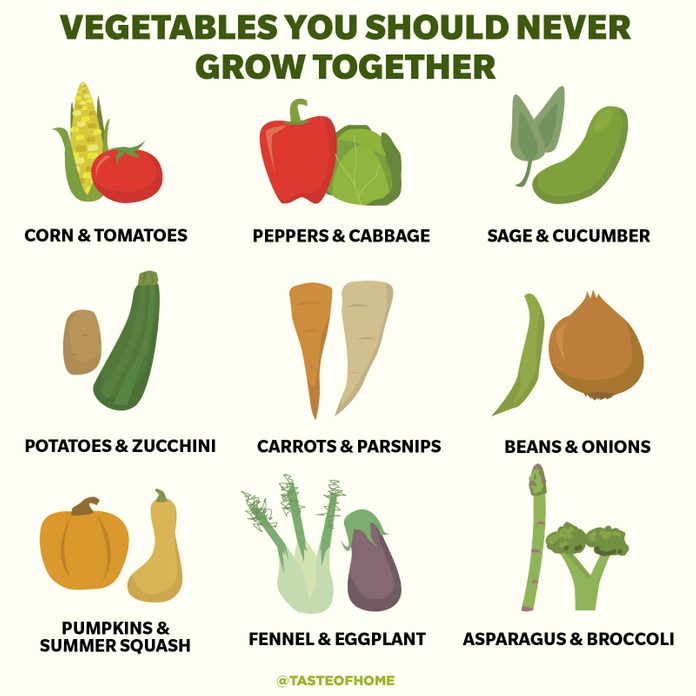
Certain herbs can interact negatively when combined, affecting their flavors or medicinal properties. Below are some common herbs that should be avoided together and the reasons why.
1. Basil and Rosemary
Combining basil with rosemary can lead to a clash of flavors. Basil has a sweet, peppery taste while rosemary is more resinous and woody. When used together, the more delicate aroma of basil can be overpowered.
- Flavor Clarity: The sweetness of basil might get lost in the earthiness of rosemary.
- Aroma Conflict: These two herbs do not complement each other well in aromatic dishes.
- Dish Compatibility: Some cuisines prefer one herb over the other, making their combination less common.
2. Cilantro and Basil
Many people enjoy the flavor of cilantro, but its strong, citrus-like taste can overwhelm the subtler notes of basil. This combination can create an unbalanced flavor profile.
- Flavor Overpowering: Cilantro can dominate the dish, obscuring the sweet and peppery notes of basil.
- Culinary Tradition: In different cuisines, these herbs are rarely used in tandem, indicating their discord.
- Personal Preference: Many find that combining these two herbs results in a disagreeable taste.
3. Mint and Oregano
While both mint and oregano are flavorful, they possess contrasting flavor profiles that can conflict. Mint is fresh and sweet, whereas oregano is robust and pungent.
See also:
- Flavor Synergy: These herbs do not create a harmonious flavor when cooked together.
- Culinary Applications: They belong to different cooking styles and traditions.
- Taste Sensitivity: Some may find the conflicting flavors off-putting in dishes.
4. Dill and Parsley
Combining dill with parsley can be problematic due to their differing characteristics. Dill has a strong, slightly bitter flavor, while parsley is fresh and mild.
- Flavor Balance: Dill can dominate a dish, overshadowing parsley's subtlety.
- Culinary Compatibility: These two herbs are not commonly paired in most cuisines, suggesting a lack of synergy.
- Culinary Practices: When mixed, they may yield an unpleasing taste experience.
5. Sage and Thyme
Sage and thyme can clash due to their strong herbal notes. While they have some common ground, the boldness of sage can overpower the earthiness of thyme.
- Flavor Dynamics: Sage's robust flavor may overshadow thyme's mellow taste.
- Aromatic Conflict: Their scents can compete instead of complementing each other.
- Usage in Cookery: Often used in different types of dishes, their combined use might confuse the palate.
Can you grow all herbs next to each other?
Growing herbs together can be convenient, but not all herbs are compatible. Certain herbs can share space and thrive next to each other, while others may compete for nutrients, water, and light, leading to poor growth and flavor. Here are several factors to consider when determining if you can grow all herbs next to each other.
Compatibility of Herbs
While many herbs can be grown together, some have distinct preferences and needs that can hinder the growth of their neighbors.
- Basil and parsley are good companions as they thrive in similar light and water conditions.
- Thyme can tolerate drier conditions, making it less suitable next to moisture-loving herbs like cilantro.
- Strong herbs such as rosemary may overpower the flavor of gentler herbs if planted too closely.
Space Requirements
Different herbs have varying space requirements, which can affect their growth when planted together.
- Mint can spread rapidly and should be contained to prevent it from overtaking more delicate herbs.
- Chives can grow in clumps; ensuring they have adequate space prevents them from crowding neighboring plants.
- Consider the mature size of each herb to plan your layout effectively, ensuring each plant has ample room to thrive.
Watering Needs
Herbs often have different watering needs that dictate their compatibility.
- Oregano prefers drier soil compared to moisture-loving herbs like basil and cilantro.
- Mixing herbs with differing water needs can lead to overwatering or underwatering certain plants.
- Plant herbs with similar water requirements together to ensure consistent moisture levels for their roots.
Sunlight Requirements
Most herbs require full sun, but some can tolerate partial shade.
- Parsley can thrive with less sunlight compared to herbs like rosemary that require full sun exposure.
- Grouping herbs with similar light needs can improve growth and quality, preventing weaker herbs from becoming stunted.
- Rotating herbs based on sunlight can help maintain balance when planting multiple varieties in the same area.
Pest and Disease Resistance
Some herbs can attract pests or be susceptible to diseases that can spread to neighboring plants.
- Lavender can deter pests that may harm other nearby herbs, making it a beneficial companion.
- Planting herbs with strong scents, like sage, can help repel unwanted insects.
- Keeping a diverse mix of herbs may minimize disease spread compared to planting single varieties closely together.
Questions from Our Readers
What herbs should not be planted together?
Herbs that should not be planted together include basil and oregano, as their differing moisture needs can affect growth. Similarly, rosemary does not pair well with sage due to competition for nutrients and water.
Why should some herbs not be planted near each other?
Certain herbs should not be planted near each other because they can have incompatible growth habits or varying requirements for sunlight, water, and nutrients. This can lead to poor growth or even the death of one or both plants.
Can planting certain herbs together affect their flavor?
Yes, planting certain herbs together can indeed affect their flavor; for instance, mint can be invasive and may overwhelm more delicate herbs like basil, leading to unwanted flavor contamination due to their proximity.
How can I know if herbs will grow well together?
To determine if herbs will grow well together, it's crucial to research their companion planting compatibility, considering factors such as growth patterns, water needs, and nutrient requirements to ensure a healthy garden ecosystem.
See also:

If you want to read more articles like What Herbs Cannot Be Planted Next to Each Other? - A Guide to Companion Planting, we recommend you check out our Herbs category.
Leave a Reply
Related Articles