What is the Most Valuable Plant to Grow? Discover the Top Profitable Options for Your Garden

When it comes to gardening, selecting the right plants can significantly impact your time, effort, and financial returns. With an increasing interest in home gardening and sustainable living, many aspiring gardeners are eager to identify which plants offer the most value. This article delves into the most profitable options for your garden, exploring various plants that not only thrive in diverse climates but also yield impressive financial benefits. From herbs and vegetables to flowers and specialty crops, discover the top contenders that can transform your gardening hobby into a rewarding venture. Join us as we unveil the secrets to maximizing your garden's potential.
The Most Valuable Plants to Grow
Growing plants that hold significant value can greatly enhance both personal and financial well-being. One of the most valuable plants is the saffron crocus, which produces saffron, the world’s most expensive spice by weight. This plant requires specific growing conditions and careful harvesting but yields a high market price, often fetching up to $5,000 per kilogram. Other noteworthy plants include bamboo, known for its versatility and rapid growth, making it a lucrative material for construction, and hemp, which has seen a surge in demand for its uses in textiles, biofuels, and medicinal products. Additionally, plants like truffles or specialized fruits such as exotic berries can provide profitable returns for growers willing to invest time and resources into their cultivation.
Saffron Crocus and Its Value
The saffron crocus, or Crocus sativus, is celebrated for its ability to produce saffron, a spice derived from its stigma. The cultivation of saffron is labor-intensive, requiring careful hand-harvesting of the delicate threads. This meticulous process combined with the relatively low yield per plant contributes to its high market value, making it a prime candidate for agricultural investment.
The Economics of Bamboo Cultivation
Bamboo is often considered a green gold due to its fast growth and versatility. It can be used in a multitude of products, including furniture, flooring, and paper. Furthermore, bamboo is an environmentally friendly option that contributes to carbon sequestration and soil erosion control, making it economically appealing for sustainable agriculture.
Hemp: The Versatile Crop
Hemp has gained popularity in recent years due to its wide array of applications, ranging from textiles and building materials to nutritional products and biofuels. With the legalization of hemp cultivation in various regions, farmers can tap into a growing market while benefiting from its low-input farming strategies, emphasizing its value as a profitable crop.
Exotic Fruits and Their Market Demand
Exotic fruits, such as dragon fruit and acai berries, are increasingly sought after for their health benefits and unique flavors. These fruits often command higher prices in both domestic and international markets, appealing to health-conscious consumers. The cultivation of these fruits can lead to substantial economic benefits for producers willing to invest in their growing conditions.
Truffle Farming: A High-Stakes Investment
Truffles, considered a delicacy, have become one of the most lucrative crops for farmers. This fungal product requires specific soil conditions and symbiotic relationships with certain tree roots, making its cultivation a challenging endeavor. However, truffles can fetch prices ranging from $1,000 to over $3,000 per kilogram, depending on the variety, making it a high-stakes, high-reward agricultural option.
| Plant | Estimated Value per Kilogram | Application |
|---|---|---|
| Saffron | $5,000 | Spice |
| Bamboo | $300 | Materials |
| Hemp | $400 | Varied Uses |
| Dragon Fruit | $10 | Fruit Consumption |
| Truffles | $3,000 | Gourmet Food |
Which plant is most valuable?
:max_bytes(150000):strip_icc()/most-expensive-houseplants-5080132-hero-e119d4477cca47b390260434e8cc49b4.jpg)

The value of plants can be assessed from various perspectives, including their economic value, medicinal properties, or their use in ornamental horticulture. However, one of the most renowned and commercially valuable plants in the world is the saffron crocus, scientifically known as Crocus sativus. Saffron is the most expensive spice by weight and is derived from the stigma of the saffron flower.
The Economic Value of Saffron
The economic significance of saffron is profound due to its high market price.
- Crop Rarity: Saffron requires specific growing conditions and meticulous harvesting, which involves hand-picking the delicate threads.
- Global Demand: There is a consistent demand for saffron in culinary and medicinal applications, driving its market value.
- High Profit Margins: Farmers can achieve substantial profits compared to other crops with similar cultivation effort.
Morphological Characteristics of Saffron
Understanding the characteristics of the saffron plant enhances appreciation for its value.
- Flower Structure: Saffron flowers are purple, with three vibrant red stigmas that are the harvested product.
- Growing Conditions: It thrives in regions with well-drained soil and a dry climate, particularly in Iran, Spain, and India.
- Life Cycle: The plant grows from a corm and flowers in the fall, requiring careful cultivation practices.
Medicinal Uses of Saffron
Saffron is not only a culinary delight but also boasts a variety of medicinal properties.
- Antioxidant Properties: Saffron contains compounds that help in fighting oxidative stress.
- Mood Enhancement: Studies suggest saffron may alleviate symptoms of depression and anxiety.
- Cognitive Benefits: Research indicates saffron might improve memory and cognitive function.
Saffron in Culinary Traditions
The culinary applications of saffron are vast and varied across different cultures.
- Flavor Profile: It imparts a unique flavor and golden color to dishes like paella and risotto.
- Traditional Dishes: Many cultures, including Persian and Indian cuisines, use saffron in their signature dishes.
- Health-Conscious Recipes: With a growing trend towards natural ingredients, saffron is favored in gourmet cooking.
Challenges in Saffron Production
Despite its high value, saffron production faces several challenges.
- Labor-Intensive Harvesting: The delicate nature of saffron requires intensive labor for harvesting, which can be a constraint.
- Market Fluctuations: The price of saffron can fluctuate due to overproduction or poor harvests, affecting farmers.
- Climate Vulnerability: Changes in weather patterns can impact saffron cultivation, posing a risk to its availability.
What grows the most money?
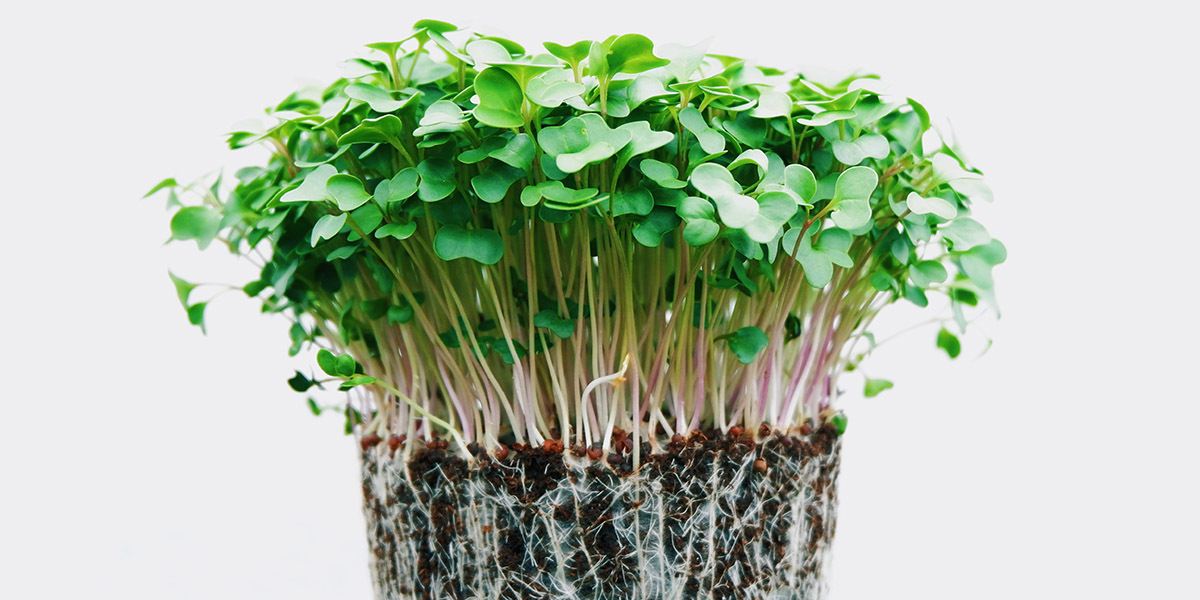
To understand what grows the most money, we can look into various investment avenues and factors that generally bring high returns. For individuals and investors seeking to maximize their wealth, several sectors and investment strategies have historically proven to yield the greatest financial growth:
See also:
Investing in the Stock Market
Investing in the stock market has traditionally been one of the most lucrative avenues for growing wealth. Companies that are well-managed and positioned in a growing industry can appreciate significantly in value over time. Here's a breakdown of why this is effective:
- Growth potential of technology and innovation.
- Dividend income from shares held.
- Possibility of capital gains and wealth accumulation.
Real Estate Investments
Real estate has long been considered a solid investment option. Whether through residential, commercial, or industrial properties, real estate tends to appreciate and yield rental income. Key aspects include:
- Appreciation of property value over time.
- Steady cash flow from rental income.
- Tax benefits associated with property ownership.
Starting a Business
Entrepreneurship can lead to significant financial returns, albeit with higher risks. Successful businesses can create wealth through scalability and market capture. Consider the following aspects:
- Potential for unlimited growth depending on market demand.
- Ability to reinvest profits for compounding returns.
- Creating valuable assets and intellectual property.
Investing in Index Funds
Index funds are a popular option for investors looking for a balance of risk and reward. They provide exposure to a diversified mix of stocks, which can reduce volatility while capturing overall market growth. Important features of index funds include:
- Lower fees compared to actively managed funds.
- Historically high returns over the long term.
- Passive investment strategy requiring minimal management.
Cryptocurrency Investments
Cryptocurrency has emerged as a new frontier for wealth generation. While highly volatile, certain cryptocurrencies have shown tremendous growth potential. Factors influencing this include:
- Pioneering technology with decentralized finance.
- Global acceptance and increasing institutional investment.
- Possibility of high returns compared to traditional assets.
Questions from Our Readers
What is the most valuable plant to grow?
The most valuable plant to grow can vary based on factors such as climate, market demand, and personal interests. However, many consider saffron to be one of the most valuable due to its high market price. Other notable candidates include bamboo, which has numerous uses, and medical cannabis, which has gained significant economic importance in recent years.
How do I determine which plant is best for my location?
To determine the best plant for your location, consider factors like climate, soil quality, and water availability. It's also essential to research local market demands and consider plants that are well-suited to your growing conditions, maximizing both yield and profitability.
Are there any risks associated with growing valuable plants?
Yes, there are various risks associated with growing valuable plants, including pests, diseases, and market fluctuations. Additionally, certain valuable plants may require extensive care or specialized knowledge, making them challenging for new growers without proper experience and resources.
See also:
What is the profitability of growing high-value plants?
The profitability of growing high-value plants can be quite substantial, particularly with crops like truffles, heirloom tomatoes, or exotic herbs. However, it often requires careful planning, investment in quality inputs, and adherence to market trends to achieve the best possible return on investment.

If you want to read more articles like What is the Most Valuable Plant to Grow? Discover the Top Profitable Options for Your Garden, we recommend you check out our Garden category.
Leave a Reply
Related Articles