What Happens If It Rains After Applying Fungicide? Essential Tips and Insights

Fungicides play a crucial role in protecting plants from fungal diseases, but many gardeners worry about the impact of rain after application. Understanding what happens when it rains post-application is essential for maximizing the effectiveness of these treatments. This article explores the implications of rainfall on fungicide performance, including factors like product formulation and timing. We will provide essential tips for gardeners to optimize their fungicide usage and ensure that their efforts in disease management yield the best results. Stay tuned for insights that will help you navigate the challenges of rain and fungicide application.
Effects of Rain on Fungicide Application
When it rains shortly after the application of a fungicide, several outcomes may occur, potentially impacting the efficacy of the treatment. If the rain comes within a few hours of the application, it may wash away the chemical before it has had sufficient time to adhere to the plant surfaces or penetrate the plant tissues, significantly reducing its effectiveness. In some cases, even if the fungicide is absorbed by the plant, heavy rainfall can lead to the leaching of the active components from the soil, diminishing the protective barrier against fungal pathogens. Furthermore, reapplication may be necessary, which can lead to additional costs and labor. It is crucial for growers to consider the weather conditions when planning fungicide applications to ensure they achieve optimal results.
Understanding Fungicide Timing
Understanding the timing of fungicide applications is crucial in ensuring that the active ingredients effectively control diseases. Ideally, fungicides should be applied when rain is not forecasted, allowing time for the product to dry and adhere to the plant. Many fungicides need at least 30 minutes to an hour to form a protective barrier before precipitation can diminish their effects.
Impact of Rainfall Intensity
The intensity of rainfall can greatly influence the performance of a fungicide after application. Light rain may not cause significant runoff, allowing some of the active ingredients to remain on the plant surfaces. In contrast, heavy rain can lead to increased runoff and dilution, effectively washing away the treatment. Understanding these dynamics is essential for farmers to time their treatments appropriately.
Conditions for Reapplication
If rainfall occurs shortly after fungicide application, determining the need for reapplication is essential to maintain disease control. Generally, if rainfall happens within two to four hours of application, it is recommended to reapply the fungicide, ensuring the plants receive proper protection against pathogens. The specific product's label will provide guidance on whether reapplication is necessary based on rain timing.
Environmental Factors
Several environmental factors, including humidity, temperature, and wind, can affect the volatility and effectiveness of fungicides after rainfall. High humidity levels can enhance the absorption and effectiveness if applied before rain, but extreme heat can cause the fungicide to degrade faster. Conversely, wind can disperse fine particles away from the target area, leading to uneven coverage and reduced efficacy.
General Guidelines for Fungicide Use
Establishing general guidelines for the use of fungicides can help mitigate the risks associated with unexpected rainfall. It is advisable to apply fungicides during dry periods, preferably in the morning when temperatures are lower, and humidity is higher. Additionally, knowing the label instructions regarding rainfastness and reapplication requirements can help in planning effective disease management strategies.
| Factor | Effect of Rain |
|---|---|
| Timing Post-Application | May wash away fungicide if rain occurs shortly after application. |
| Rainfall Intensity | Heavy rain leads to greater runoff and dilution. |
| Need for Reapplication | Reapplication may be necessary if rain occurs within a few hours. |
| Environmental Factors | Conditions like humidity and temperature affect the fungicide's effectiveness. |
| General Guidelines | Apply during dry conditions; follow label instructions for rainfastness. |
Will rain wash away fungicide?
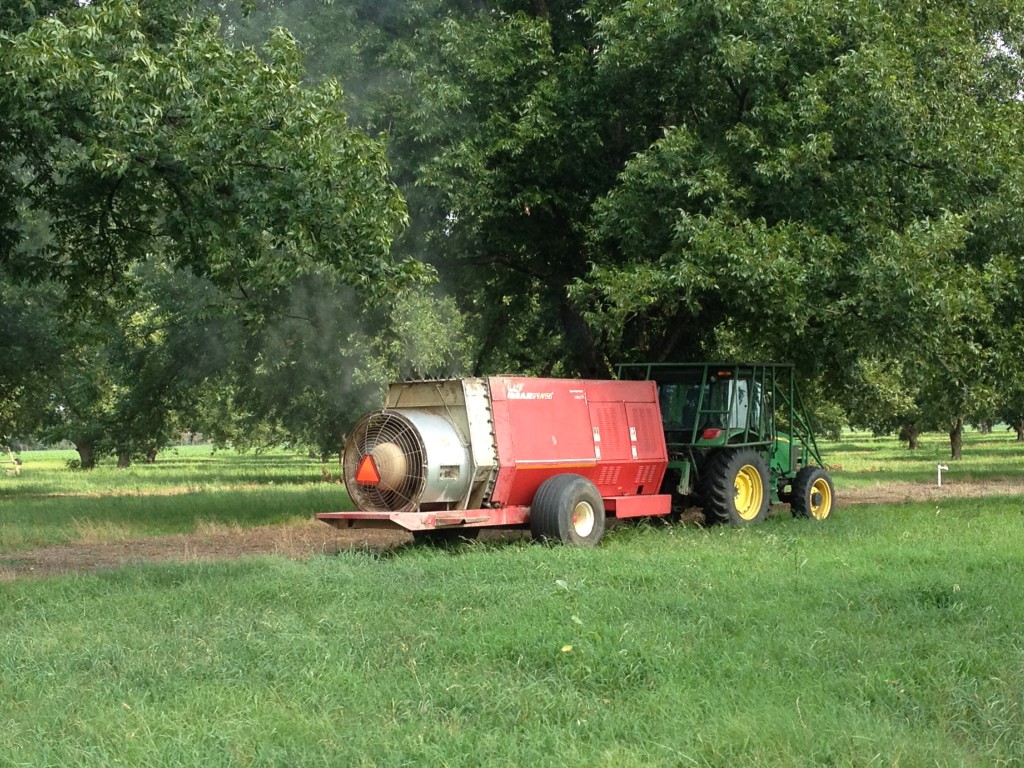
The effectiveness of fungicides can be significantly impacted by rainfall. To answer whether rain will wash away fungicide, it is important to consider several factors, including the type of fungicide, timing of application, and the intensity of the rainfall.
Types of Fungicides
Different types of fungicides have varying levels of resistance to water exposure.
See also:
- Systemic fungicides are absorbed by the plant and provide protection from the inside out. These are generally more resistant to being washed away by rain.
- Contact fungicides remain on the surface of the plant and can be easily washed off. If rain occurs shortly after application, there may be a considerable loss of effectiveness.
- Protective fungicides are designed to safeguard plants from pathogens, but their effectiveness may diminish with rainfall, especially if they are not adhered firmly to the plant surface.
Timing of Application
The timing of fungicide application relative to potential rainfall is crucial in determining its effectiveness.
- Applying fungicides a few hours before rain can lead to significant wash-off, particularly for contact fungicides.
- Applying fungicides before a forecasted rainstorm is not advisable unless they are systemic varieties that can withstand water.
- Ideally, apply fungicides when the weather is dry and stable to ensure maximum absorption and efficacy.
Intensity of Rainfall
The rate and duration of rainfall play a critical role in the potential wash-off of fungicides.
- Light rain may not significantly wash away fungicide, especially if it has had time to dry and adhere to the plant surface.
- Heavy rainfall can lead to widespread wash-off, reducing the fungicide's efficacy and necessitating reapplication.
- Duration of rainfall can also influence how much fungicide remains on the plant; continuous heavy rain can completely remove surface-applied products.
Application Methods
The method of application also affects how fungicides react to rain.
- Using a sprayer with fine droplets allows for better coverage on plant surfaces, thereby helping to minimize wash-off.
- Soil applications, where fungicides are applied directly to the soil, are generally less affected by rain, as their action is based on soil absorption.
- Using wetting agents may help fungicides adhere better to plant surfaces, thus reducing the impact of rain.
Recommendations to Improve Efficacy
To ensure that fungicides remain effective after rainfall, consider the following recommendations.
- Monitor weather conditions closely and choose a dry window for application.
- Opt for systemic fungicides or those specifically designed to resist wash-off.
- Implement integrated pest management (IPM) strategies that include timing and weather tracking for fungicide application.
What is the rainfastness of a fungicide?

The rainfastness of a fungicide refers to the product's effectiveness after it has been exposed to rain or moisture. It indicates how soon after application the fungicide can resist washing off due to rainfall or irrigation. Understanding rainfastness is crucial for ensuring that the fungicide remains effective and that the intended pest control is achieved without significant loss due to environmental factors.
What Factors Influence Rainfastness?
The rainfastness of a fungicide can be influenced by several factors, including its formulation, the type of active ingredient, environmental conditions, and application techniques. These factors can determine how well the fungicide adheres to the plant surface and how quickly it can be washed off.
- Formulation: The way the fungicide is formulated (e.g., liquid, granule) affects its rainfastness.
- Active Ingredients: Different fungicides have varying rainfastness levels based on their chemical composition.
- Environmental Conditions: Humidity, temperature, and wind can all impact how quickly rainfastness occurs.
How is Rainfastness Tested?
Rainfastness is typically evaluated through controlled testing where fungicides are applied to plants, and subsequent rainfall is simulated to observe how much of the product remains effective. This ensures that manufacturers and users know how rain or irrigation can impact the fungicide's performance.
- Application Method: Fungicides are applied to plants in real-world conditions.
- Simulated Rain: A controlled amount of rainfall is applied after a specified time post-application.
- Effectiveness Measurement: The effectiveness of the fungicide is measured post-rainfall to determine residue levels.
Why is Rainfastness Important?
Understanding the rainfastness of fungicides is essential for practical agricultural management. Farmers and gardeners can make precise decisions regarding when to apply these products, considering weather forecasts and the potential for rain which ultimately affects crop health.
- Application Timing: Helps in scheduling applications before expected rain.
- Reducing Waste: Minimizes the amount of fungicide wasted due to wash-off.
- Maximizing Effectiveness: Ensures that plants receive the full benefit of the treatment.
Best Practices for Enhancing Rainfastness
To improve the rainfastness of fungicides, certain best practices should be followed. This includes choosing the right product, understanding the local climate, and applying the fungicide at optimal times.
See also:
- Choose High-Rainfast Products: Select fungicides known for their high rainfastness.
- Monitor Weather: Keep an eye on weather patterns and avoid application just before a storm.
- Use Adjuvants: Some additives can enhance adhesion and efficacy against rainfall.
Common Misconceptions About Rainfastness
There are several misconceptions when it comes to the rainfastness of fungicides, which can lead to improper application or expectations.
- All Fungicides are the Same: Not all fungicides have the same level of rainfastness; each product is different.
- Rainfast Means Waterproof: Rainfast does not mean completely waterproof; it indicates some resistance.
- Immediate Efficacy: Some people expect fungicides to work immediately after application; however, rainfast involvement takes time.
Can you water after fungicide?
When using fungicides on plants or soil, it is essential to consider the timing of subsequent watering. Generally, it is advisable to wait for a specific period after applying a fungicide before watering. This waiting period allows the fungicide to absorb effectively and act on the fungal spores. Here is a detailed explanation addressing the question of whether you can water after fungicide application.
Understanding Fungicide Application
Fungicides are chemicals that help control fungal diseases in plants. Proper application is crucial for effectiveness. Key points to remember include:
- Timing: Apply fungicides when the weather conditions are conducive to plant health.
- Concentration: Ensure the correct dilution according to the manufacturer's instructions.
- Coverage: Make sure to cover all affected areas thoroughly.
Effects of Watering After Fungicide
Watering too soon after applying a fungicide can dilute or wash away the chemical before it has had a chance to bind to the plant tissue. Consider the following factors:
- Type of Fungicide: Some fungicides are systemic and will work better if allowed to penetrate without disturbance.
- Plant Type: Different plants have varying tolerances to chemicals, which can be affected by watering.
- Soil Condition: Moist soil can lead to better absorption, but excessive watering can reduce efficacy.
Recommended Waiting Period
Most experts suggest a waiting period of 24 to 48 hours after fungicide application before watering. This time allows for effective absorption and action against fungal issues. Consider the following:
- Label Instructions: Always refer to the product's label for specific guidelines related to watering.
- Environmental Factors: High temperatures or winds can influence how quickly the fungicide evaporates or breaks down.
- Type of Watering: Drip irrigation may be suitable sooner compared to overhead watering.
Signs of Effective Fungicide Application
You should be aware of certain signs to ensure the fungicide is working effectively before resuming regular watering. Observe:
- Leaf Health: Look for reductions in discoloration or wilting of leaves affected by fungal diseases.
- New Growth: Healthy new growth can indicate the fungicide has started to take effect.
- Fungal Spores: A decrease in the visibility of fungal growth on the leaves or soil is a positive sign.
Precautions to Take
Taking the right precautions after fungicide application can enhance effectiveness while minimizing any risks. Remember:
- Monitor Weather Conditions: Avoid watering before rain is forecast within a few days of application.
- Avoid Overwatering: Ensure your soil has proper drainage to prevent fungal reinfestation.
- Seek Expert Guidance: If uncertain, consulting with a professional can provide tailored advice for your specific situation.
Questions from Our Readers
What should I do if it rains shortly after applying fungicide?
If it rains shortly after applying fungicide, it is important to check the label instructions. Some fungicides are water-resistant, while others may lose effectiveness. Ideally, if the rain occurs within the specified time frame, you might need to reapply the product for it to remain effective.
Will rain wash away the fungicide?
Yes, rain can wash away some types of fungicides if it occurs too soon after application. The initial drying time is critical; if the fungicide hasn’t properly adhered to the plant material, effective protection may be compromised.
See also:
How long should I wait before applying fungicide again after rain?
After a rain event, it's generally recommended to wait until the foliage is completely dry before considering another application of fungicide. Depending on the weather conditions, this could take several hours to a day to ensure optimal absorption by the plant.
Does the effectiveness of fungicide decrease with repeated rain?
Repeated rain can potentially decrease the effectiveness of a fungicide, especially if it results in frequent wash-off. It’s crucial to monitor the weather forecast and plan applications accordingly to maintain a protective barrier against fungal infections.

If you want to read more articles like What Happens If It Rains After Applying Fungicide? Essential Tips and Insights, we recommend you check out our Garden category.
Leave a Reply
Related Articles