Does Lavender Annoy Cats? Here's What You Need to Know!
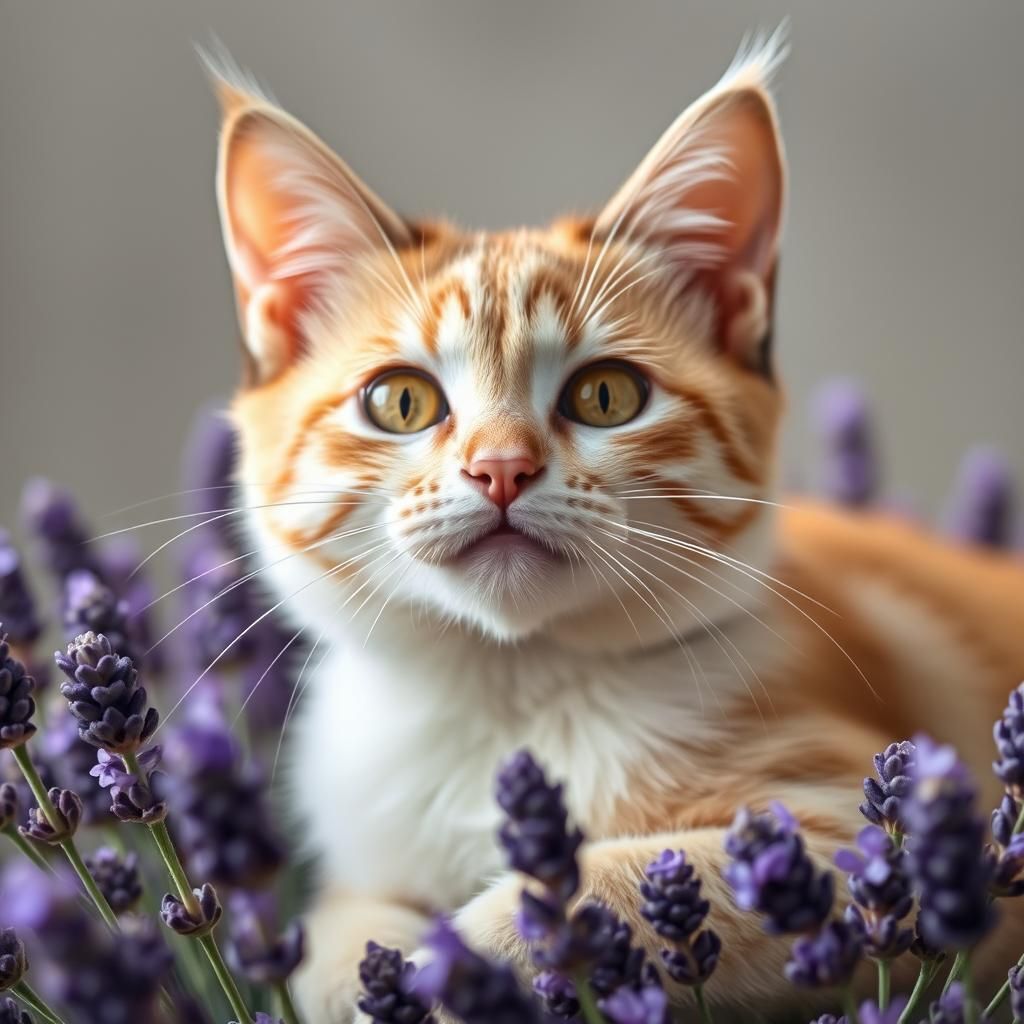
As cat owners, we often wonder about the impact of various plants and scents on our feline friends. Lavender, known for its calming properties and pleasant aroma, is a popular choice for home fragrances and natural remedies. However, many cat owners are concerned about whether this beloved herb is safe for their pets. In this article, we explore the effects of lavender on cats, examining both the positive and negative aspects. Understanding how cats respond to lavender will help you make informed decisions about its use in your home, ensuring a safe and harmonious environment for both you and your furry companion.
Does Lavender Annoy Cats?
Lavender, known for its soothing aroma and use in various home remedies, can indeed have an impact on cats. While many people find the scent of lavender relaxing, it is essential to understand that cats have a different olfactory system, making them more sensitive to certain scents. In fact, the essential oils in lavender can be irritating to their delicate sense of smell, and prolonged exposure might lead to discomfort. Additionally, some cats may experience allergic reactions or exhibit signs of stress when exposed to lavender-scented products or environments. Therefore, it is advisable for cat owners to use caution when introducing lavender into their homes or utilizing it in aromatic products.
Understanding Feline Olfactory Sensitivity
Cats have a highly developed sense of smell, estimated to be about 14 times more sensitive than humans. This heightened olfactory ability means that while humans might find the smell of lavender pleasant and calming, cats can perceive it as overwhelming or even offensive. Their unique olfactory receptors respond differently to various scents, leading to a range of reactions based on the individual cat's sensitivity.
Potential Reactions of Cats to Lavender
When exposed to lavender, cats may display various behaviors that indicate annoyance or discomfort. Common signs include sneezing, pawing at their face, or retreating from the source of the scent. In more severe cases, a cat may exhibit signs of distress such as vocalizing or hiding. Understanding these reactions is crucial for pet owners to ensure a comfortable environment for their feline companions.
Safe Use of Lavender Around Cats
For cat owners who enjoy the benefits of lavender, it is important to use products safely. Opting for lavender-scented items that are cat-friendly, such as dried lavender sachets placed out of reach, can minimize direct exposure. Avoid using essential oils or sprays containing high concentrations of lavender, as these can be particularly irritating to cats. Always monitor your cat's reaction when introducing new scents to your home.
See also:
Alternatives to Lavender for Calming Cats
If you're seeking relaxing scents that are safe for cats, consider alternatives such as chamomile or valerian root. Both of these natural herbs have calming properties and are less likely to irritate a cat's sensitive nose. Incorporating these alternatives can help create a tranquil environment without compromising your cat’s comfort and wellbeing.
Conclusion on Lavender and Cat Safety
Ultimately, while lavender may be a soothing scent for humans, it poses potential risks for cats due to their heightened olfactory sensitivity. Awareness of how cats react to various scents and careful consideration of product use around them is essential for creating a safe and comfortable living environment for feline companions.
| Reaction | Description |
|---|---|
| Sneezing | Indicates irritation from the scent |
| Pawing | Cats may try to remove the smell from their face |
| Vocalizing | Sign of distress or annoyance |
| Hiding | A response to feeling overwhelmed by the scent |
| Disinterest | Some cats may simply ignore lavender |
Understanding Cats' Sensitivity to Scents
Lavender contains certain essential oils that are known to affect various animals, including cats. While some studies suggest that lavender can have calming effects on humans, cats possess a much more sensitive olfactory system, making them more susceptible to strong scents. The natural compounds found in lavender, such as linalool and linalyl acetate, can potentially be irritating to cats, leading to symptoms like discomfort, coughing, or even allergic reactions. It’s important for pet owners to be aware of how different scents affect their feline friends and to create a safe and pleasant environment for them.
The Chemical Composition of Lavender
The chemical composition of lavender includes several compounds that can be overwhelming for a cat's sensitive nose. Two primary constituents, linalool and linalyl acetate, are known to elicit various responses in animals. While these compounds can have a soothing effect on humans, for cats, they can act as irritants, causing stress or anxiety. Understanding the chemistry behind lavender can help pet owners make informed choices about using it around their pets.
Behavioral Reactions of Cats to Scents
Cats are known to exhibit unique behavioral reactions to various scents. When exposed to strong fragrances like lavender, a cat may show signs of discomfort or aversion, such as turning away, hiding, or even hissing. These behavioral cues serve as important signals for pet owners to recognize that their cat may not appreciate the scent. Moreover, a cat's individual personality and past experiences with scents can influence their reactions, making it essential for owners to observe their pet's behavior closely.
See also:
Safe Alternatives to Lavender for Calming Cats
If you're looking for calming alternatives to lavender for your cat, consider using catnip, valerian root, or chamomile. These natural herbs have been shown to have relaxing properties without the potential irritants found in lavender. Catnip, for example, contains nepetalactone, which can induce a state of euphoria in many cats. Exploring these alternatives allows pet owners to help their cats relax without risking negative reactions from harmful scents.
Can Essential Oils Be Safe for Cats?
Many pet owners are curious about the safety of essential oils for their feline companions. While some oils can be beneficial, not all are safe for cats due to their unique physiology. Essential oils can be harmful when ingested or applied topically, leading to issues such as liver damage or respiratory complications. As a general rule, it’s advisable to consult with a veterinarian before incorporating any essential oils into your home, ensuring your cat’s safety and well-being.
Creating a Cat-Friendly Environment
Establishing a cat-friendly environment involves being mindful of the scents present in your home. To promote a serene atmosphere for your cat, it’s best to avoid strong fragrances or diffusers that utilize potentially harmful essential oils like lavender. Instead, focus on natural decorative elements, such as plants that are safe for cats, or unscented items that contribute to their comfort. Prioritizing a calming environment can significantly enhance your cat’s happiness and reduce stress levels.
Questions from Our Readers
Does lavender really annoy cats?
Yes, lavender can annoy cats. Many cats are sensitive to the strong scent of lavender, which may cause them to experience discomfort or even stress. While some cats might be indifferent to the scent, others may find it overwhelming, leading to negative reactions.
What symptoms might a cat show if it is annoyed by lavender?
If a cat is annoyed by lavender, it may exhibit signs of agitation such as hiding, vocalizing, or swatting. Additionally, they may engage in behaviors like scratching or running away from the source of the scent, seeking a place where they feel more comfortable.
See also:
Is lavender safe for cats in any form?
While some forms of lavender, such as small amounts of dried lavender, might not be toxic, it is best to avoid using essential oils around cats. Essential oils, including lavender oil, can be highly concentrated and may pose serious health risks to cats if ingested or absorbed through their skin.
How can I keep my cat comfortable around lavender?
To keep your cat comfortable, it is advisable to avoid using lavender products in areas frequented by your pet. If you already have lavender plants in your home or garden, consider placing them in locations where your cat does not go, ensuring that your feline friend can enjoy their environment without feeling stressed.

If you want to read more articles like Does Lavender Annoy Cats? Here's What You Need to Know!, we recommend you check out our Herbs category.
Leave a Reply
Related Articles