What is a good substitute for echinacea? Discover Effective Alternatives for Immune Support.

Echinacea has long been celebrated for its immune-boosting properties, often recommended during cold and flu season. However, not everyone has access to or desires to use echinacea. Fortunately, there are several effective alternatives that can help support immune health. This article explores various substitutes, highlighting natural herbs, supplements, and lifestyle choices that can enhance your body's defenses. Whether you're looking for herbal remedies or dietary changes, you'll find valuable insights to help you maintain optimal immune function. Discover the power of these alternatives and how they can contribute to your overall well-being.
What Are Effective Alternatives to Echinacea?
Echinacea is commonly used for its potential to boost the immune system, but various substitutes can offer similar benefits. One notable alternative is Elderberry, which is known for its antiviral properties and is often used to help alleviate cold and flu symptoms. Additionally, Garlic serves as a powerful natural immune booster due to its high levels of allicin and other antioxidants. Ginger is another great substitute, renowned for its anti-inflammatory and antioxidant effects, which can help enhance immune function. Lastly, Astragalus root is prized in traditional Chinese medicine for its ability to improve overall immune response and increase vitality. Exploring these alternatives might provide individuals with the desired immune support when looking for substitutes for Echinacea.
Elderberry
Elderberry is a rich source of antioxidants that are beneficial in combating free radicals and inflammation. It contains anthocyanins, which can enhance immune function by stimulating the production of cytokines, important signaling proteins in the immune response. Studies suggest that Elderberry may reduce the duration and severity of cold and flu symptoms if taken promptly after symptoms appear.
Garlic
Garlic has been used for centuries as a natural remedy due to its potent antimicrobial and anti-inflammatory properties. The active compound allicin is released when garlic is crushed, offering numerous health benefits, including immune support. It may help enhance the activity of immune cells like macrophages and natural killer cells, making it an effective substitute for Echinacea.
Ginger
Ginger is widely recognized for its anti-inflammatory and antioxidant effects, making it a useful herb for supporting the immune system. It contains compounds such as gingerol and shogaol that can help reduce inflammation and boost the immune response. Ginger is often consumed in teas or supplements and is known for alleviating digestive discomfort as well.
Astragalus Root
Astragalus root is an important herb in traditional Chinese medicine used for its immune-boosting properties. It contains active compounds called saponins and polysaccharides, which have been found to stimulate the immune system and enhance the body's resistance to stress. Regular consumption of Astragalus root may help with overall vitality and health maintenance.
Table of Alternatives
| Alternative | Benefits |
|---|---|
| Elderberry | Reduces cold symptoms, high in antioxidants. |
| Garlic | Boosts immune cells, contains allicin. |
| Ginger | Anti-inflammatory, enhances immune response. |
| Astragalus Root | Supports vitality and immune defense. |
What can I use instead of echinacea?
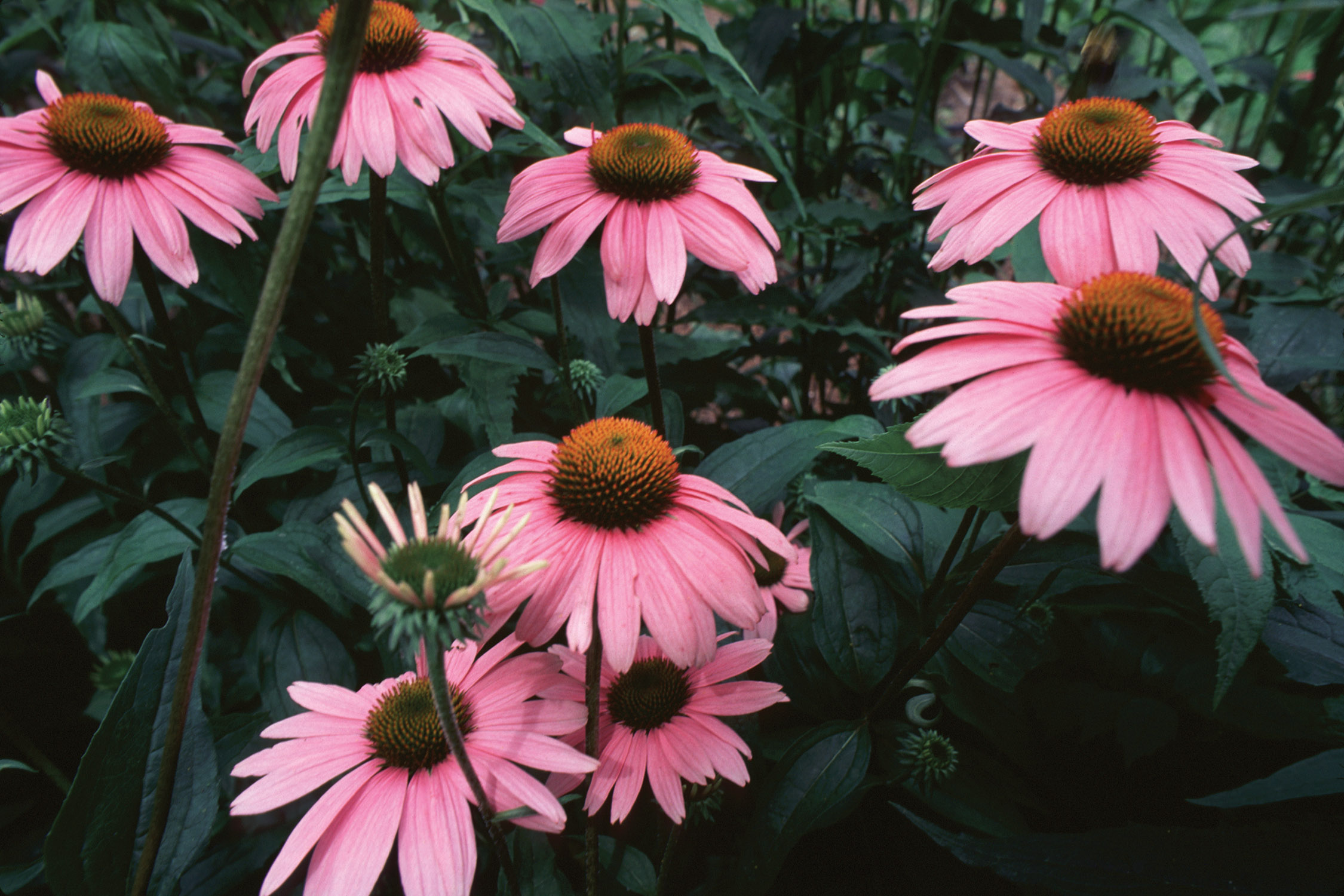
When looking for alternatives to echinacea, several other herbs and supplements can provide immune support and potentially offer similar benefits. Here are some options you might consider:
1. Elderberry
Elderberry is a powerful herb that has been used for centuries to combat colds and flu. It contains antioxidants and has anti-inflammatory properties that can help boost the immune system. Studies suggest that elderberry can reduce the duration and severity of cold and flu symptoms.
- Rich in antioxidants which help fight free radicals.
- Supports immune response against viral infections.
- Available in syrup, capsules, or gummies.
2. Astragalus Root
Astragalus root has been used in traditional Chinese medicine as a means to enhance the immune system. It is believed to support the body’s ability to resist stress and illness with its adaptogenic properties.
- Helps increase white blood cell production.
- Acts as an adaptogen to help the body manage stress.
- Available in powdered form, capsules, or teas.
3. Garlic
Garlic is widely known for its medicinal properties, particularly when it comes to immune health. Its antimicrobial and antiviral properties can help the body fend off infections. Consuming raw garlic may provide the greatest benefits.
- Contains allicin, a compound with potent anti-inflammatory effects.
- Supports respiratory health and may reduce the severity and duration of colds.
- Can be used in cooking or taken as a supplement.
4. Ginger
Ginger is not only a popular culinary spice but also a powerful natural remedy. It possesses anti-inflammatory properties and can help strengthen the immune system, making it effective against colds and other respiratory infections.
See also:
- Anti-inflammatory properties can alleviate sore throats and other symptoms.
- Can enhance circulation, helping the body combat illness.
- Best consumed as tea or added to meals.
5. Goldenseal
Goldenseal is a herb known for its antimicrobial properties, particularly due to its active compound, berberine. It is often used for respiratory and digestive ailments and can be a beneficial alternative to echinacea.
- Helps fight bacterial infections and can soothe irritated mucous membranes.
- Supports immune function through its anti-inflammatory effects.
- Available in capsules, teas, or tinctures.
What is better, elderberry or echinacea?

Elderberry and echinacea are both popular herbal remedies known for their potential health benefits, especially in supporting the immune system. Determining which one is better depends on the specific health outcomes you are looking for.
Elderberry: Benefits and Uses
Elderberry, derived from the berries of the Sambucus tree, is known for its antioxidant properties. It is primarily used to combat respiratory illnesses and boost the immune system. Research suggests that elderberry may shorten the duration and severity of colds and flu.
- Rich in Antioxidants: Elderberry is packed with flavonoids that help protect cells from oxidative stress.
- Supports Respiratory Health: It has been traditionally used to alleviate symptoms of colds and flu by acting as a natural decongestant.
- Potential Anti-Inflammatory Effects: Elderberry may help reduce inflammation, which can be beneficial in various health conditions.
Echinacea: Benefits and Uses
Echinacea, a flowering plant, is often used to prevent colds and improve immune function. It contains active compounds that may enhance the activity of immune cells, helping the body fight infections more effectively.
- Immune System Booster: Echinacea stimulates the production of white blood cells, which are essential for fighting infections.
- Reduces Severity and Duration of Illness: Some studies suggest that echinacea can lower the chances of catching a cold and minimize symptoms.
- Anti-Inflammatory Properties: Echinacea is also known for its ability to reduce inflammation, contributing to overall health benefits.
Comparison of Efficacy
When comparing the efficacy of elderberry and echinacea, it is essential to consider their different mechanisms of action. Elderberry is more focused on directly fighting viral infections, whereas echinacea works by enhancing the body's overall immune response.
- Disease Prevention: Elderberry might be more effective in preventing viral infections like the flu.
- Mechanism of Action: Echinacea does more to boost immune cell function rather than targeting viruses directly.
- Research Support: Evidence for elderberry's effectiveness is more robust in terms of flu and cold studies compared to echinacea.
Side Effects and Safety
Both elderberry and echinacea are generally considered safe for most individuals when taken as directed. However, they can cause side effects in some people, which should be noted before use.
- Elderberry Risks: Raw elderberries and other parts of the plant can be toxic; therefore, only cooked or commercially prepared forms should be consumed.
- Echinacea Allergies: Some individuals may experience allergies, particularly those with a history of ragweed allergies.
- Medications Interaction: Both can interact with certain medications, so consulting a healthcare professional is advisable.
Personal Preferences and Considerations
Choosing between elderberry and echinacea also depends on personal health goals and preferences. Some individuals may respond better to one than the other based on their unique body chemistry and health status.
- Personal Health Goals: If the goal is to prevent or shorten cold symptoms, elderberry might be favored.
- Holistic Approach: Individuals may prefer using echinacea for overall immune support.
- Consultation with Healthcare Providers: Discussing the choice with a healthcare provider can guide personalized decisions.
Is there an over the counter echinacea?

Yes, echinacea is available as an over-the-counter product in various forms, including capsules, tablets, tinctures, and herbal teas. Echinacea is commonly used as a dietary supplement and is often sought after for its purported health benefits, particularly for supporting the immune system. It is important to note that while echinacea may be found widely in health food stores, pharmacies, and online, the efficacy of echinacea has been a subject of ongoing research. Results from studies have shown mixed reviews regarding its effectiveness, making it essential to consult with a healthcare professional before starting any new supplement regimen.
What Forms of Echinacea Are Available?
Echinacea comes in several different forms, catering to various preferences and needs. The primary forms include:
- Capsules and tablets: These are perhaps the most convenient forms for many consumers. They typically contain concentrated echinacea extracts.
- Tinctures: Alcohol-based extracts that allow for quicker absorption are favored by individuals who prefer liquid supplements.
- Herbal teas: Infusions made from echinacea are enjoyable alternatives for those who prefer a warm beverage.
Potential Benefits of Echinacea
Echinacea is widely recognized for its potential health benefits, particularly in relation to the immune system. Some claimed benefits include:
See also:
- Immune support: Many people take echinacea to help bolster their immune systems, especially during cold and flu seasons.
- Reduced duration of colds: Some studies suggest that echinacea may decrease the length of cold symptoms.
- Anti-inflammatory properties: Echinacea is believed to possess anti-inflammatory effects, which can contribute to overall health.
How to Choose an Echinacea Product
Selecting the right echinacea product can be overwhelming due to the variety available. Consider the following factors when making your choice:
- Standardization: Look for products that specify the concentration of active ingredients to ensure consistency and effectiveness.
- Source: Choose products from reputable companies that provide transparency regarding sourcing and manufacturing processes.
- Formulation: Depending on your preference for capsules, tinctures, or teas, select a formulation that fits your lifestyle.
Possible Side Effects of Echinacea
While many people tolerate echinacea well, some may experience side effects. It is wise to be aware of potential reactions, including:
- Allergic reactions: Individuals allergic to plants in the daisy family may react negatively to echinacea.
- Digestive issues: Some users report stomach upset, nausea, or diarrhea.
- Drug interactions: Echinacea may interact with other medications, especially immunosuppressants, so consultation with a healthcare provider is recommended.
Consulting a Healthcare Professional
Before starting any new supplement, including echinacea, it's crucial to consult with a healthcare professional. They can guide you on the appropriate use based on your individual health status, potential interactions with ongoing treatments, and personal health goals. Remember to:
- Discuss medical history: Share your complete medical history to ensure safe use.
- Mention current medications: Inform your healthcare provider about all medications and supplements you're currently taking.
- Ask about dosing: Get guidance on the most effective dosage and form for your specific needs.
What is a good substitute for coneflowers?
A good substitute for coneflowers (Echinacea) in your garden can be other perennial flowers that share similar traits, such as drought tolerance, vibrant color, and the ability to attract pollinators. Here are a few excellent alternatives to consider:
1. Black-eyed Susans
Black-eyed Susans (Rudbeckia hirta) are a popular choice for gardeners looking for a hardy and colorful flower. They bloom from mid-summer to fall, displaying bright yellow petals with a dark brown center.
- Easy to Grow: They thrive in various soil types and require minimal maintenance.
- Attract Pollinators: Their vibrant flowers are a favorite of bees and butterflies, enhancing your garden's ecosystem.
- Long Blooming Period: They provide continuous color and interest in the garden for several months.
2. Purple Loosestrife
Purple Loosestrife (Lythrum salicaria) offers tall spikes of purple flowers that bloom from early to late summer. They can flourish in moist conditions, making them ideal near water features.
- Vivid Color: The stunning purple spikes add a unique visual contrast in the garden.
- Naturalization: They can spread and naturalize, providing a stunning display in wetlands and flower borders.
- Wildlife Friendly: They attract butterflies and bees, supporting local biodiversity.
3. Shasta Daisies
Shasta Daisies (Leucanthemum × superbum) provide a classic look with their white petals and yellow centers. They bloom from late spring to early fall and are a staple in many gardens.
- Versatile: These daisies grow well in various garden settings, from borders to pollinator gardens.
- Low Maintenance: They require minimal care once established, making them ideal for busy gardeners.
- Longevity: Shasta Daisies can thrive for several years, providing long-term beauty.
4. Bee Balm
Bee Balm (Monarda didyma) is a fragrant plant native to North America, known for its attractive flowers that range in color from red to purple. It blooms in summer, attracting beneficial insects.
- Aromatic Foliage: The leaves emit a pleasant scent, enhancing the sensory experience of the garden.
- Pollinator Magnet: They draw in bees, butterflies, and hummingbirds, promoting biodiversity.
- Medicinal Uses: Traditionally, bee balm has been used for its antiseptic properties.
5. Daylilies
Daylilies (Hemerocallis) are known for their hardiness and the diversity of their flower colors and shapes. They are low-maintenance perennials that bloom throughout the summer.
- Variety: There are thousands of cultivars available, offering a wide range of colors and bloom times.
- Drought Resistant: Once established, daylilies can tolerate dry spells well, making them suitable for low-water gardens.
- Resistant to Pests: They are less susceptible to common garden pests and diseases.
Questions from Our Readers
What is a good substitute for echinacea?
Goldenrod is often recommended as a substitute for echinacea due to its similar immune-boosting and anti-inflammatory properties. It contains compounds that help support the body’s natural defenses against infections, making it a valuable alternative for those seeking herbal remedies.
Can I use elderberry as an alternative to echinacea?
Yes, elderberry is a great alternative to echinacea. It is known for its antiviral properties and is commonly used to support immune health, especially during cold and flu season, making it a popular choice among herbal enthusiasts.
See also:
Are there any side effects of using echinacea substitutes?
While most substitutes like goldenrod or elderberry are generally safe, it's essential to be aware of potential side effects. Some individuals may experience allergic reactions or digestive issues, so it's wise to consult with a healthcare professional before beginning any new supplement.
How do herbal substitutes compare to echinacea in effectiveness?
The effectiveness of herbal substitutes like goldenrod and elderberry can vary from person to person. While echinacea is widely studied for its benefits, substitutes can also provide supportive effects, but individual results will depend on factors like health conditions and dosage.

If you want to read more articles like What is a good substitute for echinacea? Discover Effective Alternatives for Immune Support., we recommend you check out our Herbs category.
Leave a Reply
Related Articles